
Food culture in Myanmar
Burmese cuisine is an exotic blend of flavourful ingredients that make up unique dishes that are an absolute must-try. It offers a plethora of authentic dishes from various regions of Myanmar.
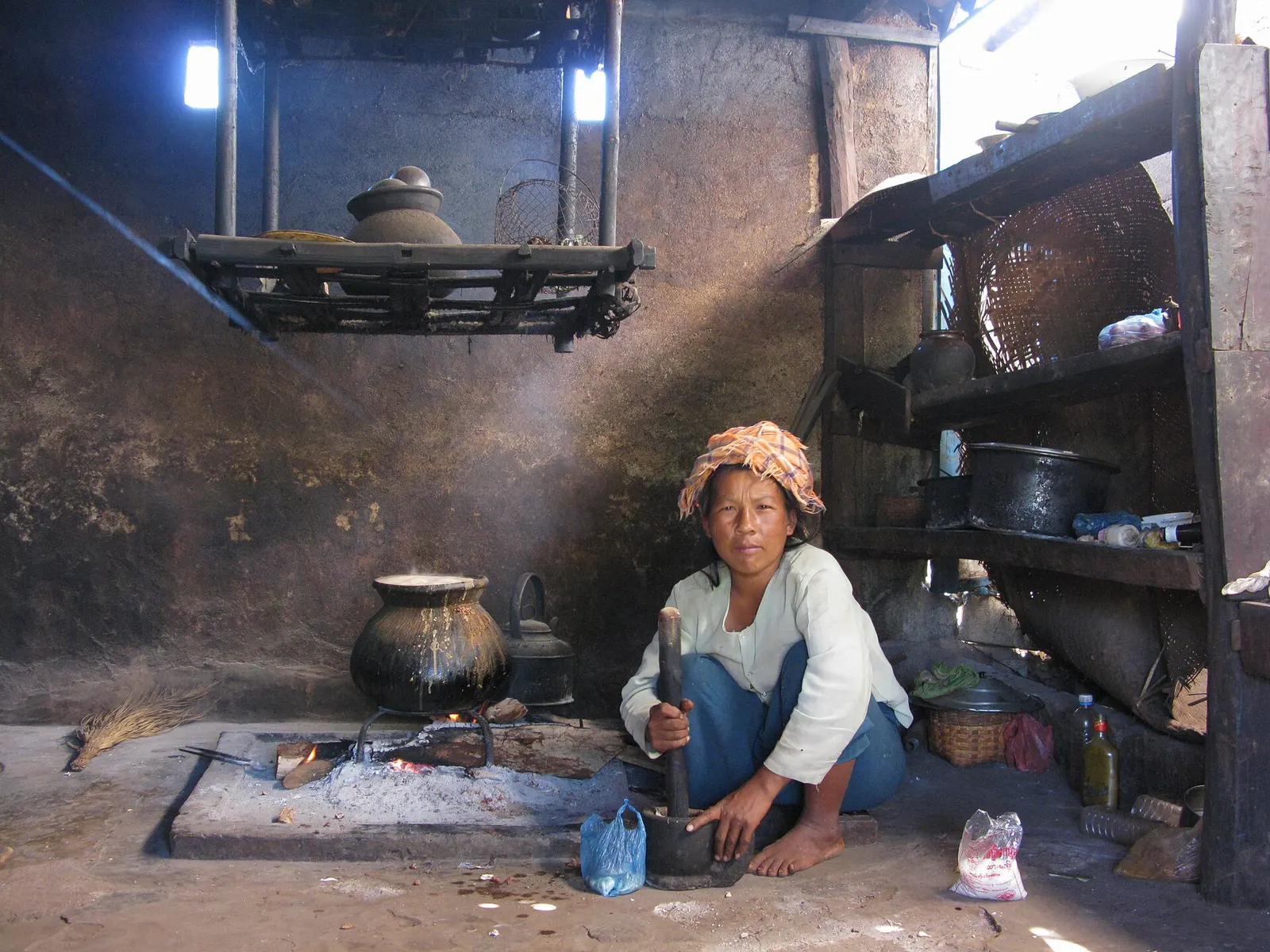
Before you go: since the 2021 military coup, parts of Myanmar have seen armed conflict, and the March 2025 earthquake centered near Mandalay and Sagaing damaged many temples and buildings. Many governments advise against travel to some or all of the country. Check your government’s latest travel advisory, and confirm with a local guide which places are currently open and safe to reach before you plan your trip.
Burmese cuisine is an exotic blend of flavourful ingredients that make up unique dishes that are an absolute must-try. It offers a plethora of authentic dishes from various regions of Myanmar. The dishes consist of a large plant or seafood-based ingredients and most of its flavors are subtle with a balance of sour, salty, bitter, and spicy, all in one go.
As people say, food is a very big part of one’s culture, you can learn so much from just observing what people eat! There is more of a connection between food and culture than you may think.
On an individual level, we grow up eating the food of our cultures. It becomes a part of who each of us is. Many of us associate food from our childhood with warm feelings and good memories and it ties us to our families, holding a special and personal value for us. Food from our family often becomes the comfort food we seek as adults in times of frustration and stress.
Burmese cuisine is mainly an amalgam of cuisines from various regions of Myanmar. It has also been influenced by various cuisines of neighboring countries, in particular, China, India, and Thailand.
Modern Burmese cuisine comes in two general varieties: coastal and inland. The cuisine in the coastal areas, such as that in the main city Yangon, makes extensive use of fish and seafood-based products like fish sauce and ngapi (fermented seafood).
Read more:Traditional Myanmar pottery
The cuisine in inland regions, such as Upper Myanmar and hill regions, tends to use more meat and poultry although modern inland cooking too has incorporated freshwater fish and shrimp as a source of protein in several ways: fresh, salted whole or filleted, salted, and dried, made into a salty paste, or fermented sour and pressed.
A key attraction of Burmese food is its extensive use of fish products such as fish sauce and ngapi (a paste which is made using either fish or shrimps). Apart from this, rice, or htamin as it is called in Burmese, is the heart of every meal: plain steamed rice served with several curries and dishes to share. If you ever happen to go to a Burmese restaurant, you will see that the curries always come with side dishes, such as a light soup or boiled vegetables and fresh herbs. They are best enjoyed by pairing with dips ranging from ngapi (fish dip) to balachaung (a combination of chili, garlic, and dried shrimp fried in oil). Burmese people love to drink tea. The sweet, milky tea (laphet yay) served in tea shops goes back to the British colonial era, while plain green tea is served free on every table, and a visiting guest is usually welcomed with tea. The best place to taste tea in Myanmar is the tea house, where people gather to chat and share their opinions over a cup.
Tea shops are found in every city, town, and large villages. These establishments are important locales for social gatherings. Street stalls sell a variety of foods in the cities and towns, and restaurants range from Burmese curry houses (htamin hsaing) to Indian, Chinese and Shan eateries.
Food plays a large role in a place's culture, not only in the living styles of people from there but in foreigners' perceptions of places as well. The exchange of food is the exchange of culture, and thus understanding a place's food can be an incredible insight into their culture and lifestyle.
The countries that border Myanmar, especially India, China, and Thailand, have influenced Burmese cuisine. Indian influences are found in Burmese versions of dishes such as samosas and biryani, and Indian curries, spices, and bread such as naan and paratha. Southern Indian, especially Chettiar cuisine is also popular in cities. Chinese influences in Burmese cuisine are shown in the use of ingredients like bean curd and soya sauce, various noodles as well as in stir-frying techniques. As in neighboring Thailand and Laos, fried insects are eaten as snacks.
What’s the street food in Myanmar? Fried food is a famous food in Myanmar. Burmese people have a special liking for fried food. In fact, fried food can be seen anywhere in Myanmar. Most of the snacks that can be found on the street or in the teahouse in Myanmar—dumplings, spring rolls, fritters, desserts, bread, etc., are fried.
Burmese people have the habit of chewing betel nuts(betel quid) and sitting in teahouses during their leisure time. The usual snacks include palm sugar (jaggery), cakes, and various fruits. Many people start the day with a light breakfast, such as a bowl of mohinga (rice noodles in fish broth, the unofficial national dish) or fried snacks with tea, and traditionally the main rice meals came later in the morning and in the early evening. Burmese people used to grab rice with their hands when they are eating. When traditional Burmese families eat, their parents sit in the main position. When the parents are absent, the children should also give up the main position. After the death of the father, the mother sits in the main position. When the parents are healthy, the mother sits on the left of the father, the eldest son is on the right side of the father, and the eldest daughter sits on the left side of the mother, etc.. Eating is done in order of generation. When the father is temporarily absent, the mother must put the good food into the dish prepared for the father, and then everyone can eat. When children have something to eat first, they must first leave food in advance for their parents.
Read more:Fisherman Culture of Inle Lake
Cover photo: Vyacheslav Argenberg, CC BY 4.0, via Wikimedia Commons
Comments
Be the first to leave a comment.
Leave a comment
Related posts
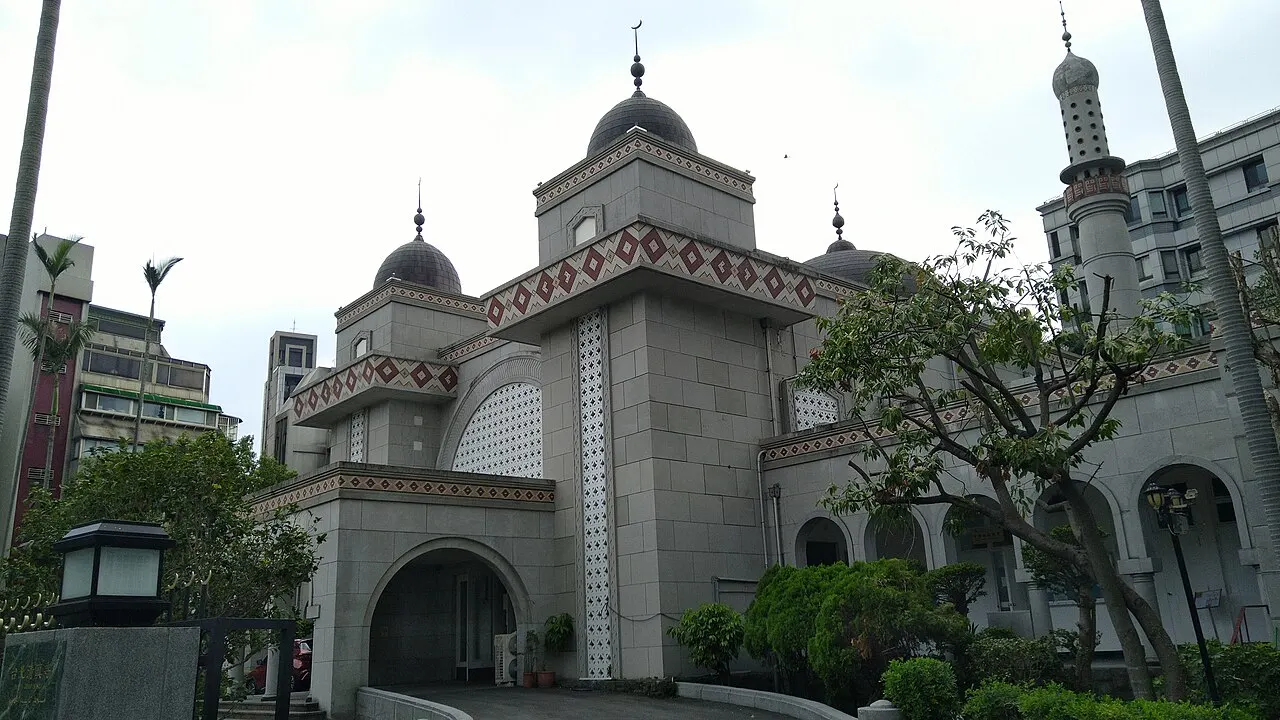
Why should every Muslim travel to Taipei?
Photo by Hasan Almasi on Unsplash Taipei City is the capital city of Taiwan, a state in East Asia bounded by China, Japan and the Philippines. It is the political, economic, educational and cultural centre of Taiwan (or more correctly The Republic of China), a modern metropolis with a thriving econo
May 11, 2021
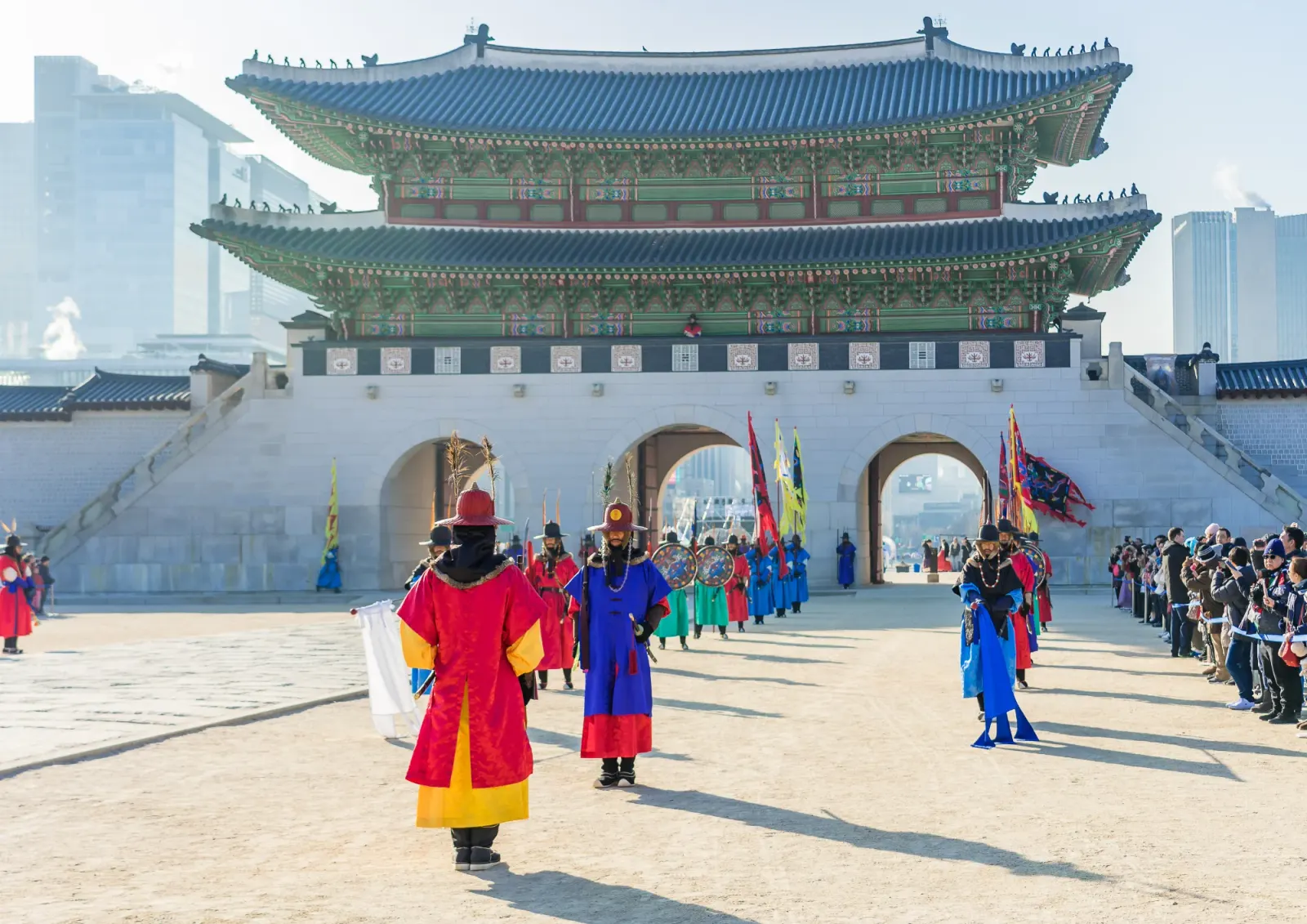
10 Reasons Why You Should Visit South Korea
One of the most exciting destinations to visit after the coronavirus pandemic is South Korea. This is a magical country that has kept its culture, traditions, and values alive throughout the years. Its distinct cuisine, modern entertainment, and signs of ancient civilizations place it among the best
Apr 13, 2021
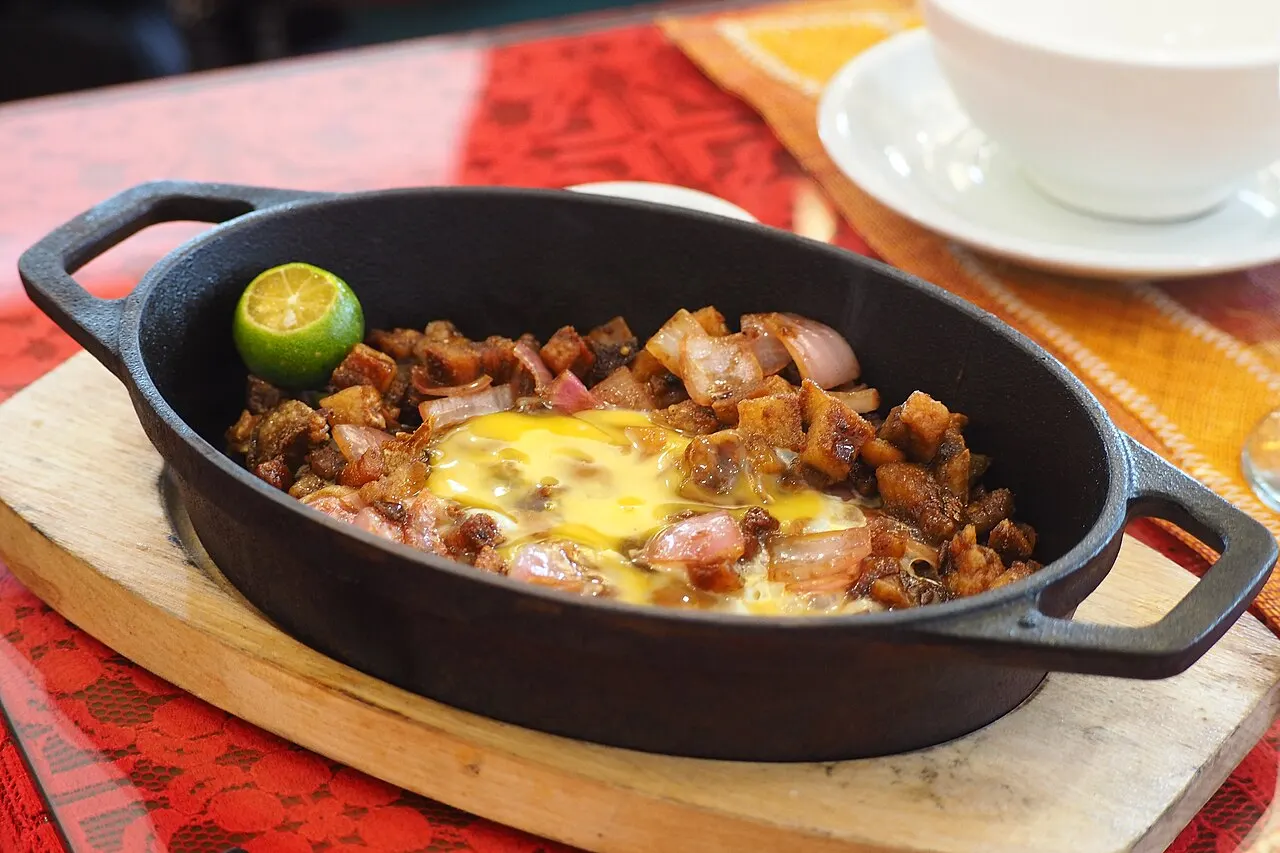
Traditional Dishes From the Philippines
by Victoria D. of Sharemoney The Philippines is known for its various historical landmarks and a host of scenic tourist spots that make it so enticing for both locals and tourists alike. Apart from these mesmerizing sights, every visitor often talks about the sumptuous food served in restaurants or
Apr 6, 2021