
Traditional Myanmar pottery
In Myanmar, earthenware has been used since Neolithic period. From that time onwards, potteries have been commonly used for different domestic and religious and ritual repurpose. Earthenware production centers can be found throughout Myanmar.
Travel safety note: Since the 2021 military coup, parts of Myanmar have seen ongoing armed conflict, and the March 2025 earthquake centred near Mandalay and Sagaing damaged many temples and historic sites. Before you go, check your government's latest travel advisory and confirm with a local guide which places are currently open and safe to reach.
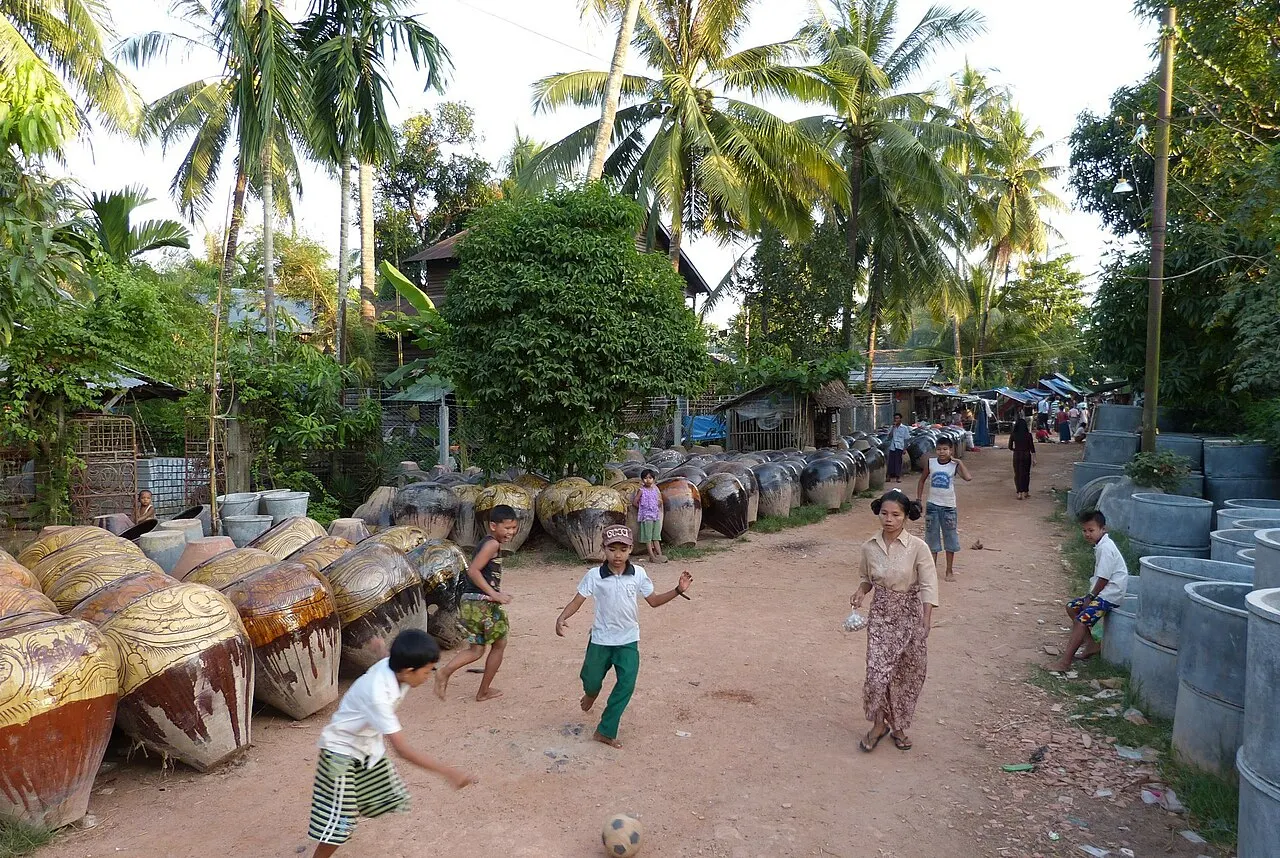
In Myanmar, earthenware has been used since Neolithic period. From that time onwards, potteries have been commonly used for different domestic, religious and ritual purposes. Earthenware production centers can be found throughout Myanmar. One of the well known earthenware production centers of central Myanmar is Sagaing. Sagaing is famous for its earthenware, Sagaing oui. Sagaing is situated in Sagaing Region. Oh-Bo village is one of the earthenware production places of Sagaing.
Oh-Bo pottery business particularly focuses on making only water storage pot and Ata Oui or Thingyan pot. The potters of Oh-Bo village make these earthenware pots by using traditional way. They produce them by handmade through five production stages. These production stages are collecting raw materials, preparing paste, shaping pot, applying before firing decoration techniques and firing. Because of the plastic bottles and cans, the earthenware production business of Oh-Bo village is now facing the danger of extinction.
About 2,000 years ago the Pyu people, a Tibeto-Burman people, settled in the upper part of Myanmar. One of their major cities was Sri Ksetra, near present-day Pyay. Since the city was located near the great Ayeyarwady River, pots became important for trade and transport at that time. Halin, in the Shwebo area, was another important Pyu city. The making of clay pots and their decorations descends from that time. Ceramics also became a popular trade good: the Mottama harbour on the coast, formerly known as Martaban, was an important link in the ceramic trade with other Southeast Asian countries.
Although pots are fragile, they can be used in many ways. Pots were not only used to store or cook food but also as burial urns. Remains of old pots from the Pyu civilization have been discovered, showing that pots have been used since then. Remains were also found in the Bagan and Mrauk-U regions. Today, the main pottery works in Myanmar are in Nwe Nyein village near Kyaukmyaung, a riverside town near Shwebo, and in Twante near Yangon.
Few countries can boast as many perfectly preserved traditional crafts as Myanmar. Despite the rapid modernization, many commodities are still produced by hand there, using age-old techniques. Pottery is among the most prominent of those - there are large artisan communities in every corner of the country. And the pottery factories in Kyaukmyaung, Sagaing Division, may be considered double-traditional. In essence, not only the process is entirely manual, but the wares made are also old-school: large water jars, used in households with no plumbing. The workshops have traditionally seen very few tourists.
Burmese people are deservedly known for their hospitality, however, and in off the beaten track locations like this, natural curiosity enhances it. The demand for Kyaukmyaung jars in Myanmar is high enough to support four large co-operative manufactures and a changing number of small private workshops. Curiously, one of the main factors undermining this demand is the superior quality of the jars. They are sturdy and durable enough to serve a family for generations, with no need to purchase new ones. It makes you reconsider the common Western policy of making every commodity item a bit flawed and not easy to repair so that you would have to replace it soon, does it not? Even so, the pottery business in Kyaukmyaung has been in decline in recent decades, with plastic vessels and piped water reducing demand.
Visiting today: Kyaukmyaung, Shwebo and Sagaing are all in Sagaing Region, one of the areas most affected by armed conflict since 2021 and close to the epicentre of the March 2025 earthquake. Independent travel to these pottery villages is not currently recommended. If you would like to see Myanmar’s pottery tradition, ask a local guide whether a workshop visit (for example in Twante near Yangon) is possible and safe at the time of your trip.
Cover photo: Go-Myanmar, CC BY-SA 3.0, via Wikimedia Commons
Comments
Be the first to leave a comment.
Leave a comment
Related posts
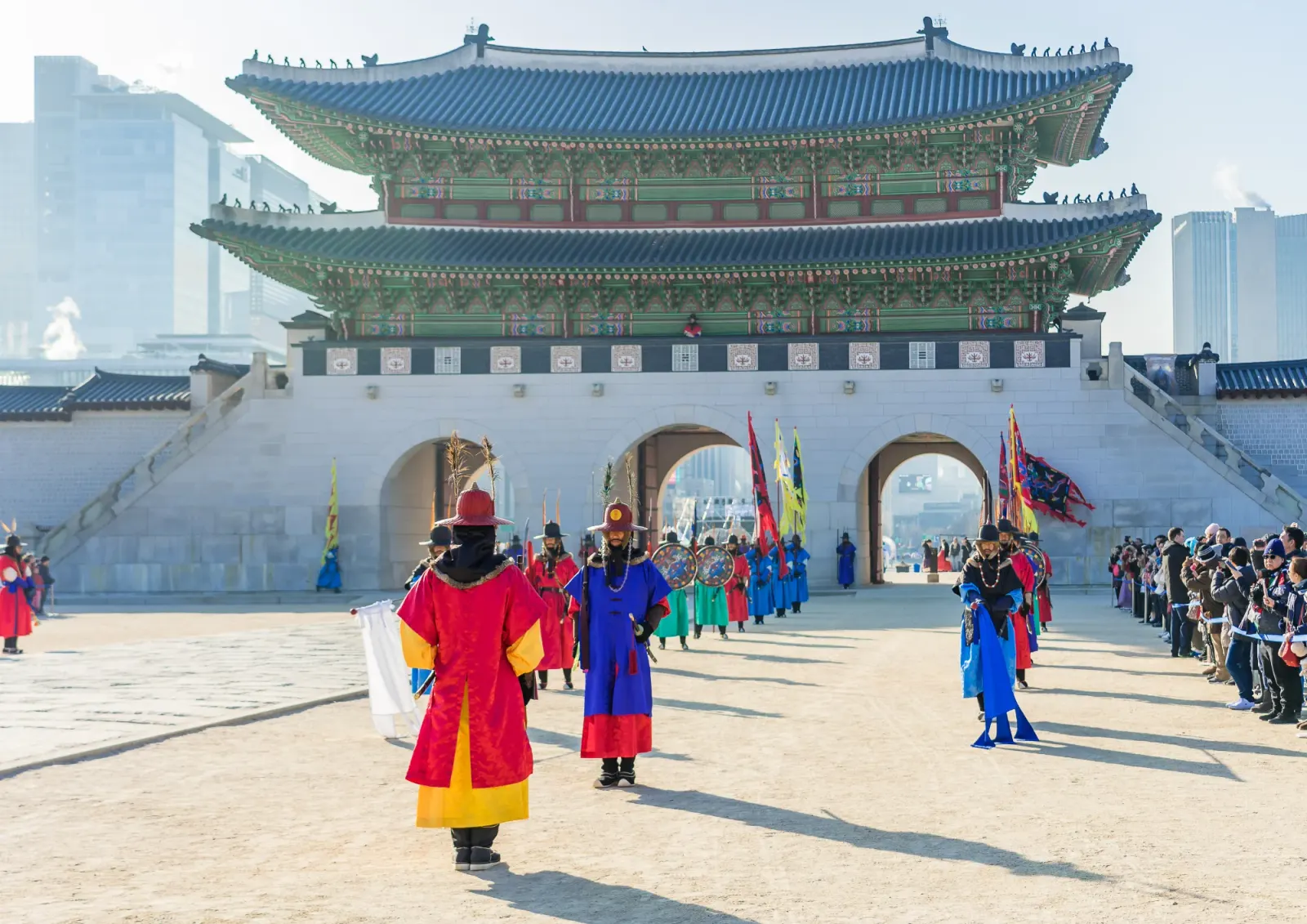
10 Reasons Why You Should Visit South Korea
One of the most exciting destinations to visit after the coronavirus pandemic is South Korea. This is a magical country that has kept its culture, traditions, and values alive throughout the years. Its distinct cuisine, modern entertainment, and signs of ancient civilizations place it among the best
Apr 13, 2021
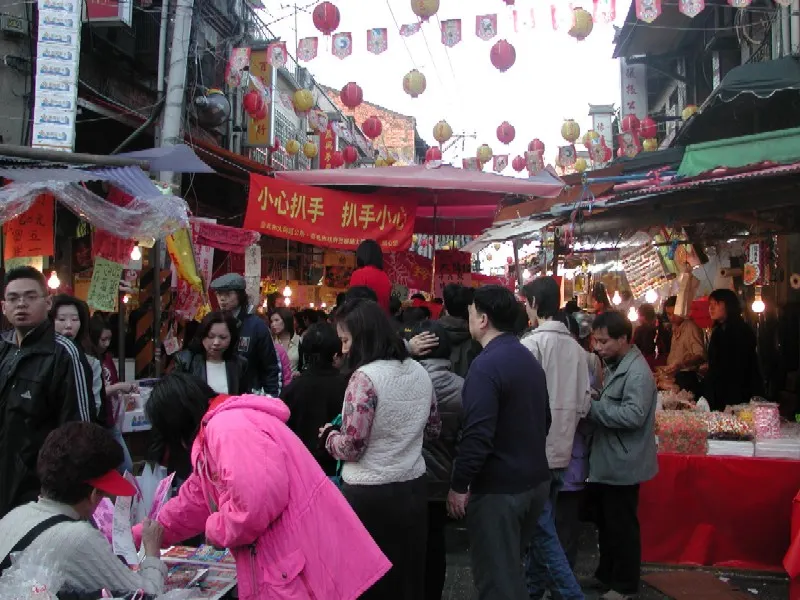
Celebrating Lunar New Year in Taiwan: Traditions, Taboos and Etiquette You Need to Know
Chinese New Year is a main holiday in China and has strongly influenced lunar new year celebrations in East Asian countries, including Taiwan. If it is your first time in Taiwan during Chinese New Year, this "taboos and etiquette" guide on norms and customs would surely come in handy. It is always e
Jan 21, 2021
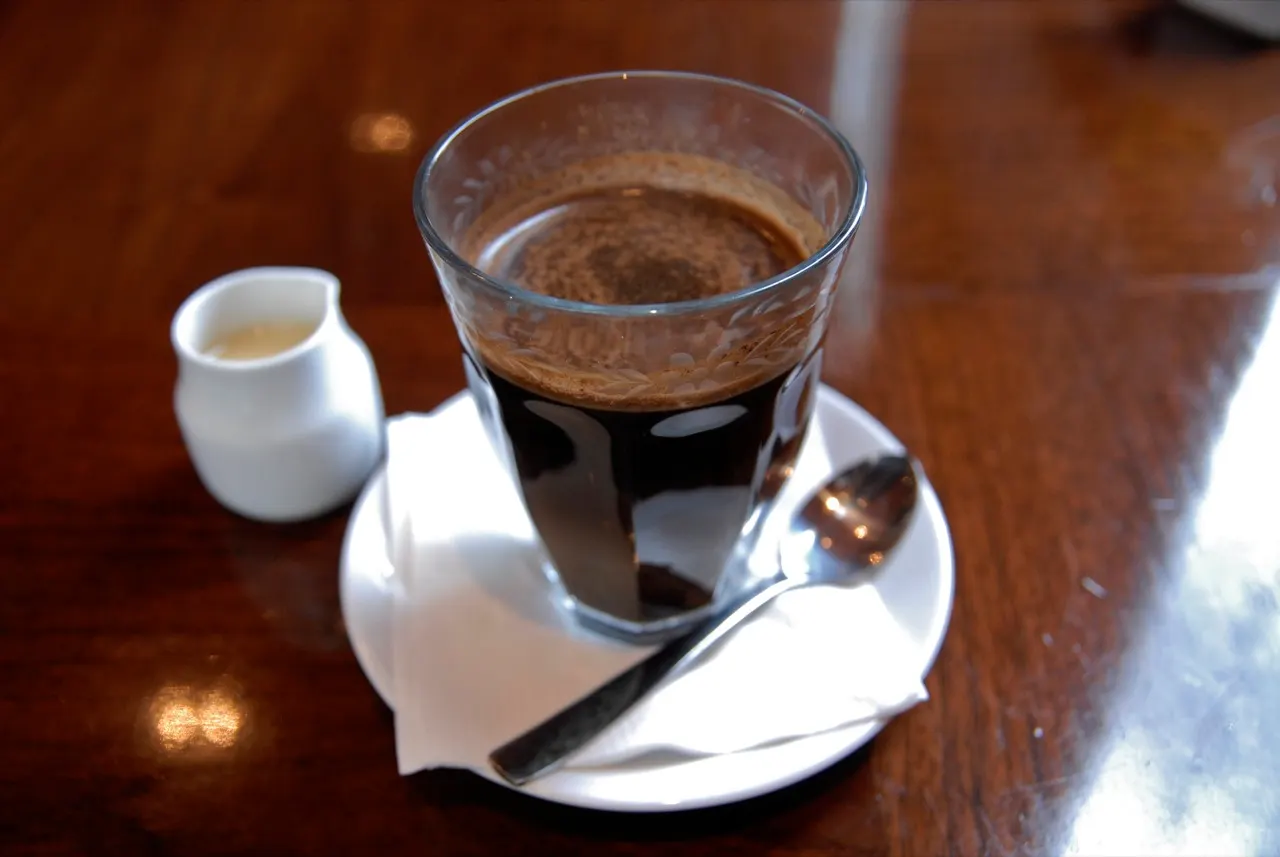
Traveling to Southeast Asia: Your Ultimate Southeast Asia Coffee Guide
From small mini stands, hip cafes to motorcyclist vendors, coffee in Southeast Asia is presented in different forms yet they remain the same with their sweet, creamy and sometimes bitter taste to let you start your day or wake you up in a lazy afternoon.
Jan 2, 2021