
8 Things to Know Before Traveling to Japan
Japan is one of those places where everyone should visit at least once in their life. It is a country that brings a variety of pleasure into one’s life. Taking you on a ride of fantasy cartoons and anime, fulfilling all your fantasy desires. And also bringing you down to earth by presenting to you the hard work and
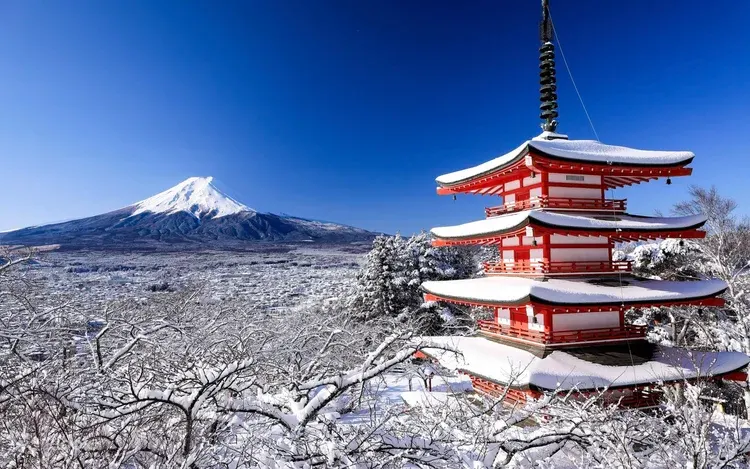
Japan is one of those places where everyone should visit at least once in their life. It is a country that brings a variety of pleasure into one’s life. Taking you on a ride of fantasy cartoons and anime, fulfilling all your fantasy desires. And also bringing you down to earth by presenting to you the hard work and details they put in everyday life, bringing your soul calm with the art of tranquil bamboo forests and neon arcades and serene temples. Before you dive in, here are 8 things to know before traveling to Japan:
Using English is fine but knowing some basic Japanese will help a lot
Many tourists from all over the world travel around without understanding the language just fine. Japan’s National language is Japanese. But there are English signs in every airport and train station. In the more popular tourist locations, the train announcements are English as well as in Japanese. However, learning a few key Japanese phrases can make your trip just that much better. Below are a few basic ones for you to practice on:
- Hello - Konnichiwa
- Thank You - Arigatou Gozaimasu
- I want to go to ~ - ~ e Ikitai Desu
- Where is ~? - ~ wa Doko Desuka?
- How much is it? - Ikura Desuka?
- Excuse me - Sumimasen
+81 for making calls to Japan phone numbers
Remember to add +81 before you call your friends in Japan with a Japanese phone number! And for emergencies call 110 to report an accident or crime to the police call center. Call 118 to report an accident or crime at sea to the Japan Coast Guard. Call 119 to report a fire, to ask for an ambulance or rescue service, or to contact an emergency call center (a fire station).
In Japan the power plugs and sockets are of type A and B. The standard voltage is 100 V and the standard frequency is 50 / 60 Hz.
Most phone and laptop chargers are rated 100–240 V, so they work fine in Japan – you only need a plug adapter if your country does not use flat two-pin (type A) plugs. Check the label on single-voltage appliances such as hair dryers or curling irons: if they are made for 220–240 V only, they need a voltage converter or may simply not work well on 100 V.
5,000 yen a day can make you some pretty great memories in Japan
If you are the kind of traveler who likes to walk around trying out new food and buying small souvenirs, a budget of around 5,000 yen a day for food and small treats can go a long way (prices have risen in recent years, so treat this as a rough guide). At lunchtime many restaurants offer good-value teishoku (set menus), and convenience stores such as 7-Eleven are great for cheap late-night snacks!
Read more: 7 Best Fish Markets In Japan
Visit Japan when there are Cherry Blossoms and mild weather for the best of dreamy travels
Springtime (March-May) in Japan is a world of romance and pink fluffy dreams. It is when the weather is decent and you are surrounded by magical petals of Japan’s best-loved flower, the cherry blossom. Weather patterns and temperatures vary across the country but generally, the best time to visit Japan is spring (March & April) or autumn (October & November), when days are sunny and dry. During the summer months (June to September), the cities are hot and humid, with heavy rainfall occurring across the country in June & July, except for Hokkaido. In winter, days are cool and crisp, with heavy snowfall in Hokkaido and the Japanese Alps. But traveling in different seasons may bring all sorts of wonders.
Public transportation in Japan is a lot less complicated than it seems.
A top-up IC card can get you around almost every big city in Japan. Most of Japan's larger cities are serviced by subways or trams, buses, and taxis, and many locals rely entirely on public transport. In Japan’s most populated areas, including Tokyo, Yokohama, and Osaka, most tourist attractions are within walking distance to many hotels and other attractions. Here are a few ways to get around:
Airport-bound
Narita International Airport(NRT)
Connected with central Tokyo by multiple rails and bus lines.JR Narita Express (direct, about 60 minutes, 1–2 departures per hour)
The most comfortable way of travel between Narita Airport and Tokyo Station. The one-way journey takes roughly one hour and is covered by the Japan Rail Pass, JR Tokyo Wide Area Pass and some other JR passes. There are departures every 30 to 60 minutes. JR East sometimes offers discounted N’EX tickets for foreign visitors – check JR East’s website for current fares and deals.
- JR Sobu Line (direct, about 90 minutes, about 1 departure per hour)
Slower but cheaper JR alternative to the Narita Express. The one-way trip takes roughly 90 minutes and costs much less than the Narita Express.
- Limousine bus (direct, about 100 minutes, several departures per hour)
Limousine buses to Tokyo Station depart Narita Airport every 15 to 20 minutes. The one-way journey takes about 100 minutes depending on traffic. In addition, there are direct limousine bus connections to several major hotels in the Tokyo area.
Haneda Airport (HND)
- Limousine bus (direct, 40–55 minutes depending on traffic)
- Keikyu Railway (about 35 minutes with one transfer, frequent departures)
- Tokyo Monorail (about 30 minutes with one transfer, frequent departures)
Kansai International Airport(KIX)
Taking the train is the quickest and easiest option when traveling between Kansai International Airport and central Osaka.
- JR Haruka limited express (direct, about 50 minutes to Shin-Osaka Station, about 2 trains per hour)
JR West regularly offers discounted Haruka tickets for foreign visitors (often bundled with an ICOCA card) – check JR West’s website for the current offer.
- JR Kansai Airport Rapid Service (direct, about 70 minutes to Osaka Station, 2–3 trains per hour)
Rapid trains connect the airport with Tennoji Station (about 50 minutes) and Osaka Station (about 70 minutes) – slower than the Haruka but cheaper.
- By bus
There are direct airport limousine buses from Kansai Airport to various places and hotels in Osaka, including Osaka Station (about 60 minutes) and Namba Station (about 45 minutes).
- City-bound
The Japanese transport network is clean, reliable, punctual and often very comfortable! IC cards are prepaid travel cards with chips that work on subways, trams, and buses in Tokyo, Kansai, Sapporo, Niigata, Nagoya, Okayama, Hiroshima, and Fukuoka metro areas. Each region has its own card, but the major ones (Suica, PASMO, ICOCA and others) can be used interchangeably in most big-city areas, and you can also pay with them at many convenience stores and vending machines. You can tap in and out for many trips within the same metropolitan area, but not across different card regions (for example Tokyo to Osaka) or on the shinkansen without a separate ticket.
- Bus
Almost every Japanese city has a bus network. Tokyo, for example, has two bus options, the public Toei Bus which operates throughout the city as well as sightseeing buses such as the Tokyo Shitamachi, Skybus Tokyo and Skytree shuttles which travel between major tourist areas.
- Subway:
Subway systems operate in Fukuoka, Kōbe, Kyoto, Nagoya, Osaka, Sapporo, Tokyo and Yokohama. They are usually the fastest and most convenient way to get around the city. The Tokyo metro area and Kansai metro area are further linked by a network of JR and private rail lines. Stops and line names are posted in English.
Before you fly: Visit Japan Web and rail passes
Fill in your immigration and customs details on Visit Japan Web (the government’s free online service) before you arrive – you will get QR codes that speed up arrival at major airports. If you are thinking about a Japan Rail Pass, do the maths first: the nationwide JR Pass more than doubled in price in October 2023, so for many itineraries regional passes or individual tickets are now better value.
Read more: Tokyo Travel Guide: How to get around with Local Transport
Comments
Be the first to leave a comment.
Leave a comment
Related posts
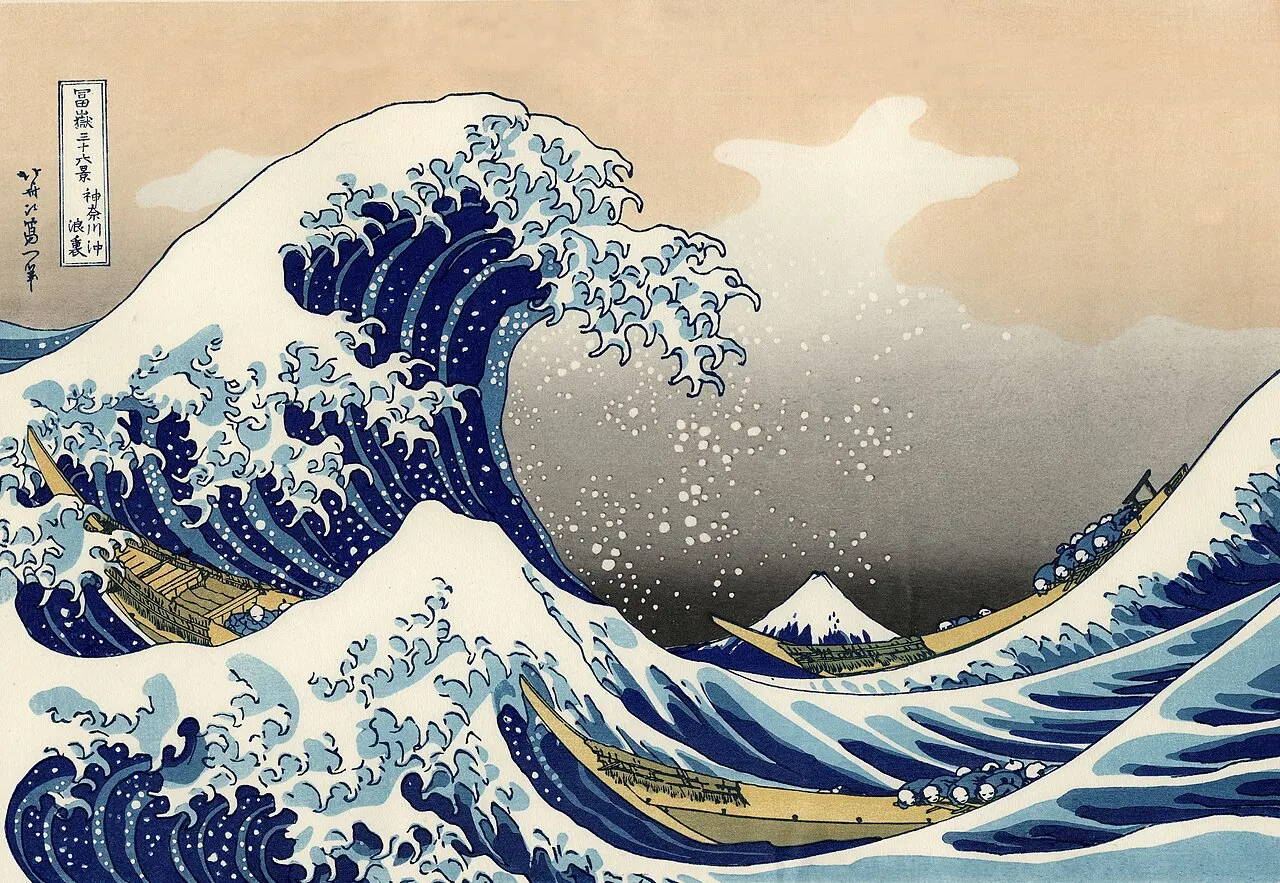
7 Reasons Why Japan Has Such a Rich Art Culture
Japan, the land of the rising sun, is one of the developed and advanced countries in the world. Though the island nation is prone to natural disasters like earthquakes, tsunami, and volcanic eruptions, the people of Japan have made a mark with cutting-edge technologies in various fields such as elec
Aug 2, 2021
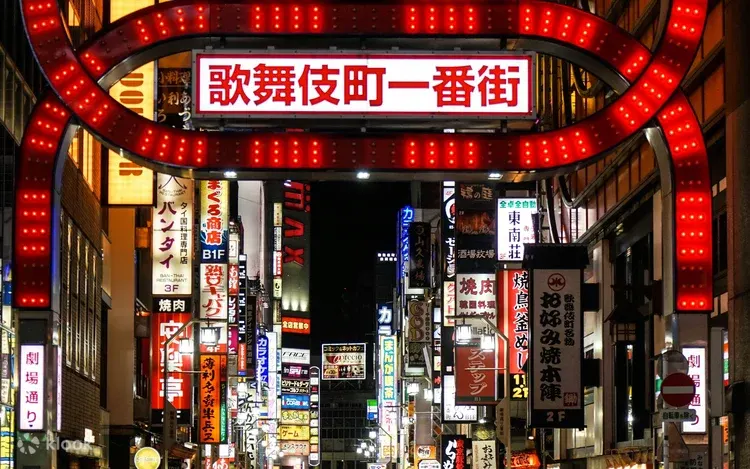
Tokyo at Night: Izakaya Alleys, Bars and Night Views
Nighttime in Tokyo is rather different than what you experience in the day. There is so much more to see and explore in Tokyo under the mysterious and sexy shade of the night. Tokyo nightlife can be more complicated than learning to say "cheers" in Japanese. There are districts specific to clubbing—like Kabukicho, which is the biggest red-light district in Japan. Shinjuku (the neon-bathed streets of the Kabukicho red-light district, in particular), which has dozens of karaoke bars, izakaya pubs, and hostess clubs to boot. Shinjuku is also home to Ni-chome, which is Japan's largest gay nightlife area. Tokyo is a city that never sleeps and has plenty of places to keep you entertained for the night.
Dec 15, 2020
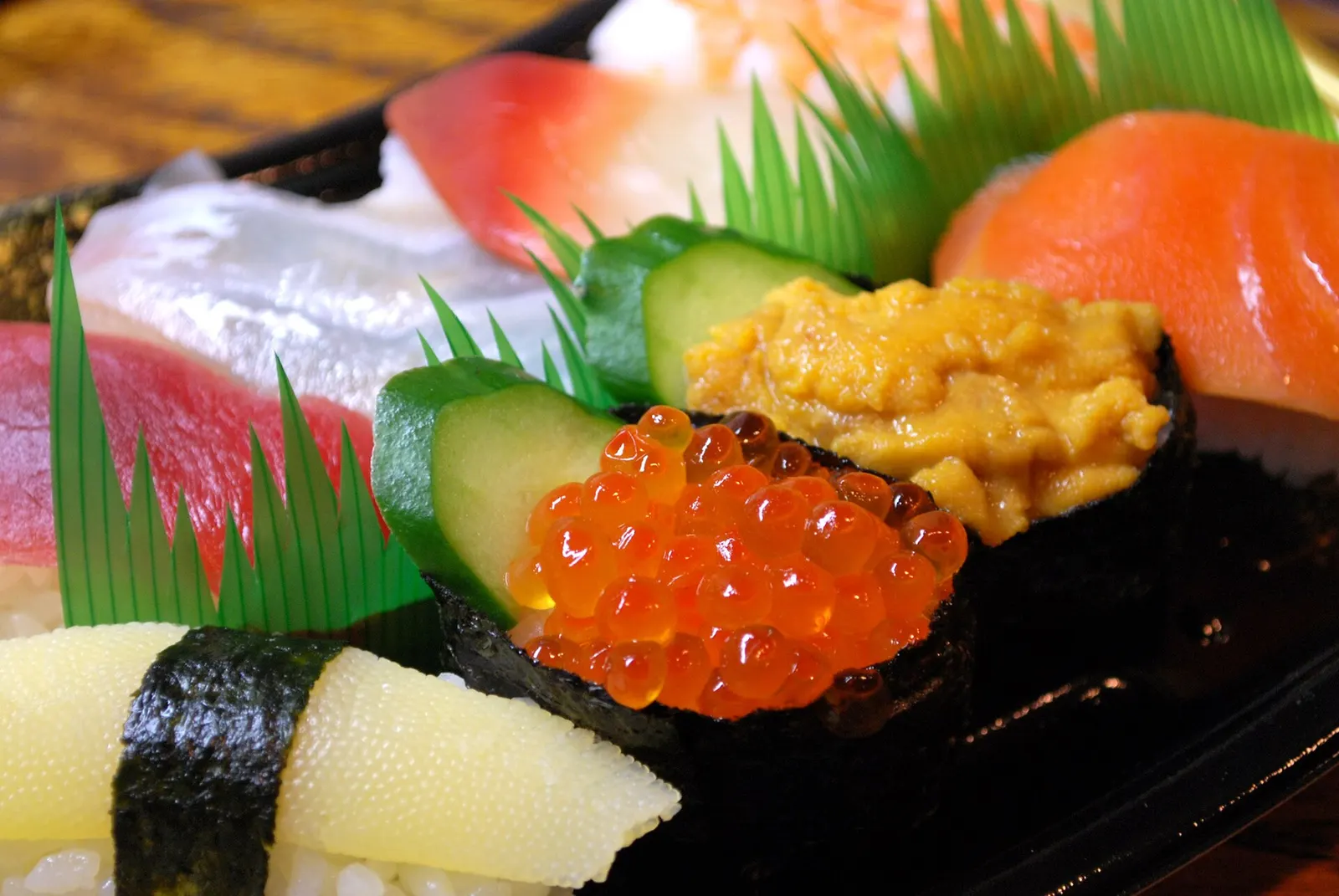
List of Things You Must Do While You Visit Japan
No Way is it possible to travel around Japan in one day, but you can experience it in one day! Here is a list of things you must do while you visit Japan, the ultimate highlights of highlights! No matter which city you visit, be sure to give these experiences a try! When you think about getting to know a culture, these are the things that first come to mind:
May 7, 2020