
First time Traveling to the Philippines: all the things you need to know
Located in south east Asia, people often associated Philippines with sunshine, beaches, and happy people. Consisted of thousands of islands, Philippines is famous for their paradise-like beaches and breathtaking sceneries. With a rich history background, the historical architectures are the must see.
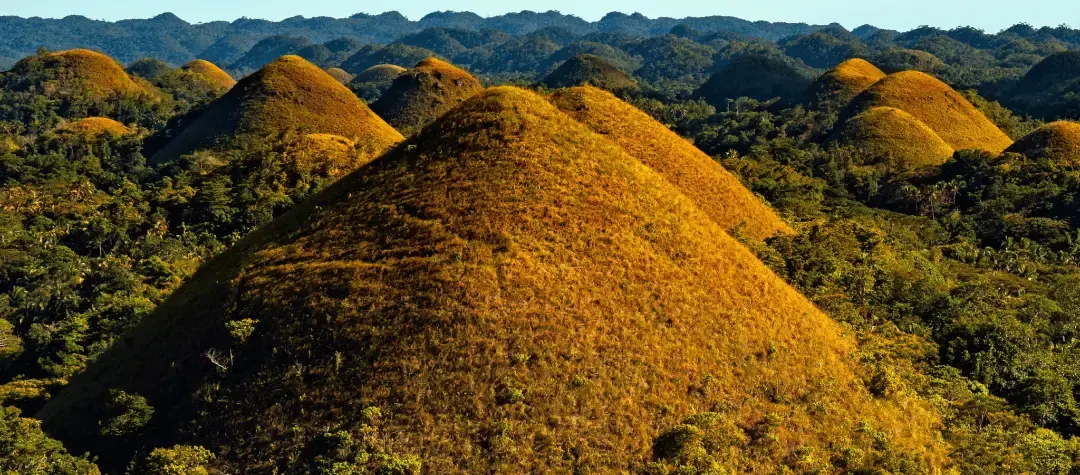
Located in south east Asia, people often associated Philippines with sunshine, beaches, and happy people. Consisted of thousands of islands, Philippines is famous for their paradise-like beaches and breathtaking sceneries. With a rich history background, the historical architectures are the must see. Yet, when it comes to traveling to the places where is your first time, there are things you should know for easier and smoother travel in the Philippines!
General information and official language
The official languages of The Philippines are Filipino and English. Yet, its diverse colony history and various immigrants have marked the variety of the languages that are spoken in the Philippines. More than 170 languages are spoken across the islands, from Tagalog (the basis of Filipino) to Cebuano, Ilocano, and Hiligaynon, and you will also hear Hokkien Chinese in the Filipino-Chinese community. English is widely understood, which makes getting around easy for visitors.
Register for eTravel before you land
Arriving travelers, including visa-free visitors, need to register on the Philippines’ free eTravel system before arrival. You can do it on the official site etravel.gov.ph (or the eGovPH app) within 72 hours before your flight lands, and you will get a QR code to show at check-in or immigration. Never pay a third-party website to fill it in for you, and check the official site for the latest rules before you fly.
How to get from the airport to the city
Landing on the capital city, Manila, where Manila Ninoy Aquino International Airport (also written as NAIA) is located, only about 10km from the city center, yet it isn’t well connected to the city. Since September 2024 the airport has been run by a private operator, New NAIA Infrastructure Corp., which has been upgrading the terminals. It is recommended to take a taxi to the city instead of public transport. The public transport is in comparison way slower to the taxi, especially during the rush hour. Here are some recommended taxis for you.
- Yellow taxis: they are the official airport taxi and it's metered, so they are considered highly safe and secure. Their flag-down rate is higher than ordinary city taxis, and the final fare depends on distance and traffic, so make sure the meter is running.
- Coupon taxi: it’s also an official airport taxi, and charges a fixed fare by destination zone, which you pay for at the booth; it is usually more expensive than the yellow taxis. Coupon taxis are white, but they aren’t the same taxis as those street taxis.
- Grab: Functioning like Uber, it is very popular in Manila and other Southeast Asian countries The price is fixed already by the app.
Traveling season in the Philippines
Weather plays an important role while traveling. It is recommended to travel in the Philippines during the dry season, and that is from November and April. It is generally the popular traveling season to go, and most of the islands are open up to tourists. In contrast, from May to November is the low season, since it rains and with a chance of typhoon, the flight tickets are usually cheaper comparing to high season.
Where to exchange money in the Philippines
The official currency used in the Philippines is the Philippine Peso (PHP). Having your money exchanged is pretty easy, apart from banks and ATMs, there are also some in the metro stations. Also, malls offer exchange services, having your money exchanged there are often considered a safe choice.
Read more:6 Things Not to Miss if You Only Have 24 Hours in Manila
Go around in Manila like a local
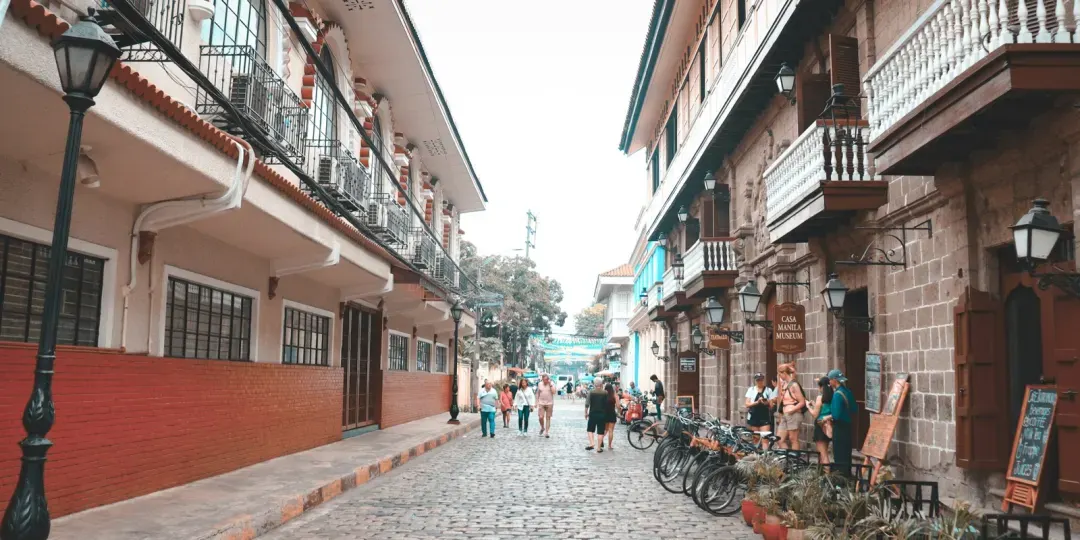
Manila, the capital of Philippines, also known to be the “pearl of the orient”, is more than just an in-between while flying to the Philippines’ beautiful beaches but a hustle and bustle metropolis which has lots to offer. When visiting Manila, expect to be amazed by the historical architecture, mouthwatering culinary, and satisfying shopping area.
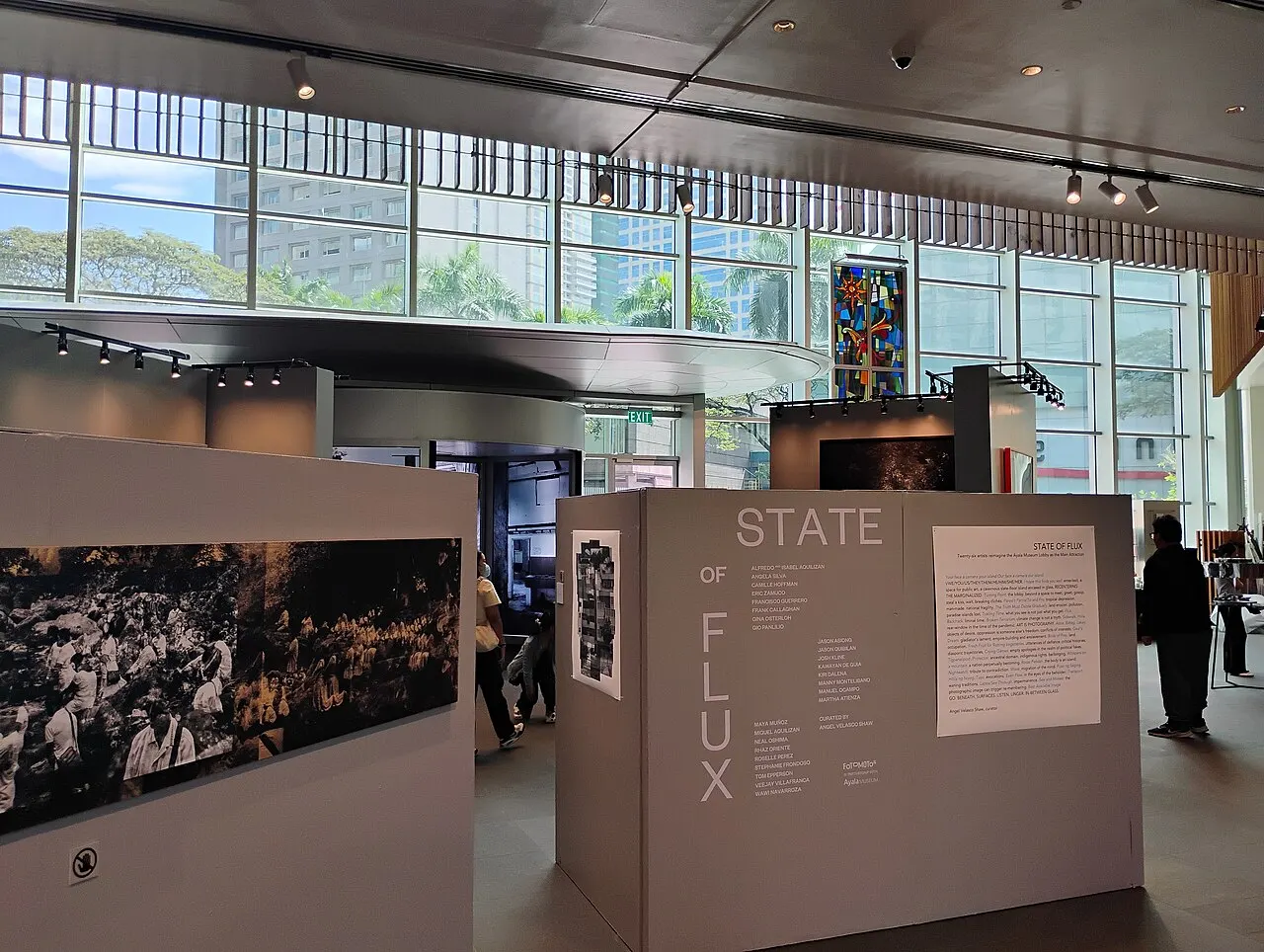
Visit Ayala Museum, an refine collection of Philippine’s history and art. Founded by the Zóbel de Ayala family, an influential Spanish Filipino business family with Spanish and German ancestor background.
- Address: Avenue corner De La Rosa Street, Greenbelt Park, Makati, Makati, Metro Manila
One of the iconic attractions in Manila, Rizal Park is one of largest urban parks in Asia, and a favorite spot for relaxing walks or strolls. Yet, holding a significance for Filipinos, Rizal Park is more than just a park for hanging out. With over 60 hectares of lawns, gardens, ponds, paved walks, this park is also of great historical significance since it is home to the national hero, Rizal.
- Address: Roxas Blvd, Malate, Manila, 1000 Metro Manila
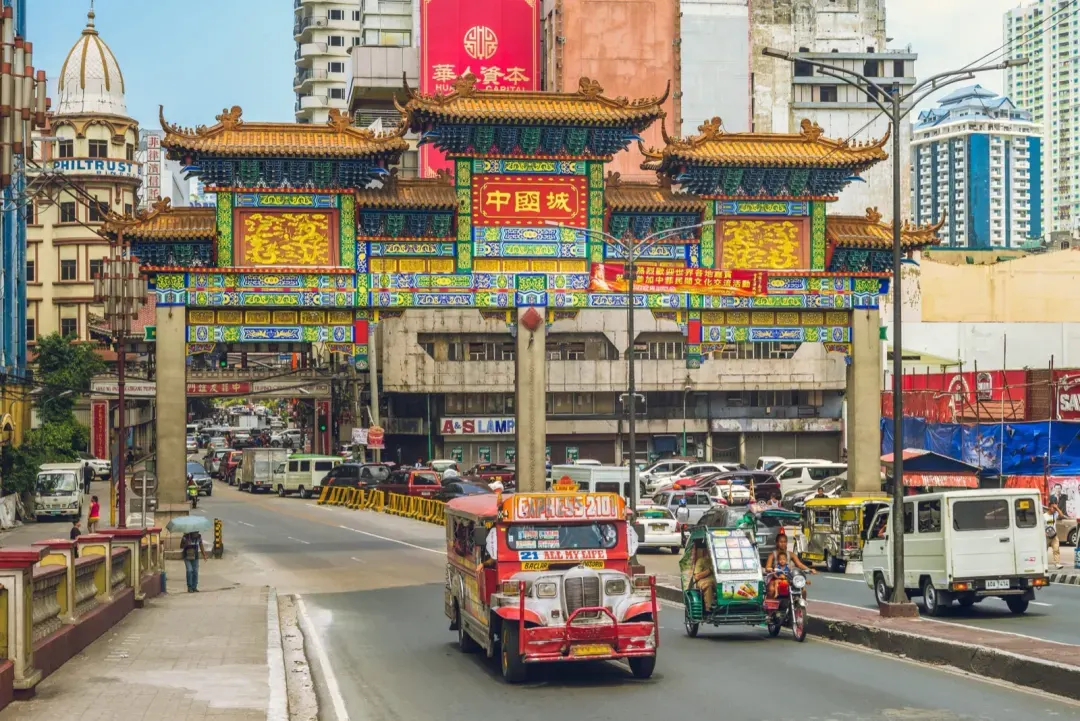
Have a visit at Binondo and Quiapo. Binondo, the world’s oldest China town, was established around sixteenth century by the Spaniards. Later on, it has become one of the most important commerce and trade centers in Manila, which are run by Filipino-Chinese. Nowadays, the streets are home to bargain shopping such as cheap clothing and jade stores. Do remember to go there when hungry, though. According to locals, the best Chinese food in can be found only here!
- Address:Bounded by the river | Claro M. Recto Avenue and Avenida Rizal, Manila
For shopping lovers, you will surely fall in love with Greenhills Shopping center. Rumor has it that there is no end at Greenhills Shopping Center. Here, you will find everything you imagine with the best deal.
- Address: Ortigas Ave, San Juan, 1502 Metro Manila
Have a historical tour in Cebu city
Cebu City, the heart of Metro Cebu, one of the country’s largest metropolitan areas outside Metro Manila, is known as the Philippines' Queen City of the South. Cebu is the oldest city and was the first capital of the Philippines, which gives it a significant historical meaning. Home to many historical architectures such as churches and monuments, Cebu is worth exploring and has a lot of stories to tell.
Visit Taoist Temple in the Beverly Hills of Cebu. At Taoist Temple, the religion follows the ancient Chinese philosopher, Lao Zi. Built in 1972 by the Cebu’s Chinese community, the awe-inspiring temple is decorated with traditional Chinese decoration such as dragon and phoenix. Since located 300 meters above sea level, it takes a bit while to go to the top. Yet, once you reach the temple, you’ll be rewarded with beautiful views of the island.
Visit the Fort of San Pedro and see how Spanish influence in the country’s food, architecture, and the language. It was April 7th, in 1521, when the Spaniards arrived on the coast of the Philippines, marking the beginning of Spanish colonization. At Fort of San Pedro, you can walk around and check out the museum for more story about Fort of San Pedro.
- Address:Fort San Pedro: A. Pigafetta Street, Cebu City, Cebu,
Admire the oldest Christian images at Basilica del Santo Nino. Founded in 1565, it is the oldest Catholic Church in the Philippines. Have a walk through the church halls, you will sure be impressed by the ancient paintings, gorgeous archways, and stained-glass windows.
- Address:Basilica del Santo Nino: Pilgrim’s Center, Osmeña Blvd, Cebu City, Cebu
Explore the heaven: Palawan
Palawan, home to the Philippines’ most breath-taking seascapes and scenery, is one of the most iconic attractions when traveling in Philippines. Palawan is more than just a relaxing beach, but a paradise land that take weeks to explore thoroughly.
Located on the northernmost of mainland Palawan, El Nido is more than just about beautiful sandy beaches. indulge yourself in “over water” scenery in El Nido. Its islands are famous for being the blue and transparent sea and coral reefs, tropical paradise.
Go to Coron to see stunning underwater views. It is where you find colorful coral gardens, pristine waters, marine life. Famous for hidden lakes and white sand beaches, Coron assure breath taking scenic views.
Must try in the Philippines
While traveling, the local cuisines comes as an exciting and adventurous experience. Philippines cuisine itself is an adventure: a mixture of Indian, Chinese, Spanish and American influences. It is widely known that Philippines cuisines are the food where 'East meets West’. For a foodie like you, don’t miss out on mouthwatering and flavorful Philippines cuisines.
Adobo
One of the few dishes with Philippines origin but later named Spanish, we start of our list with Philippine’s number one national cuisine-----Adobo. Made with pork or chicken then simmered in flavorful soy sauce and vinegar, coming along with black pepper and garlic. Tips: nothing go better with Adobo than rice.
Lechon
Like most of the Philippines cuisines, you might be wondering what it is. Well, it is a whole pig roasted slowly over charcoal; the most prized version, lechon de leche, uses a young suckling pig. With its crispy skin, savory flavor, it’s a popular dish during the festivals. The city of Cebu is where you can find the best Lechon.
Cassava Cake
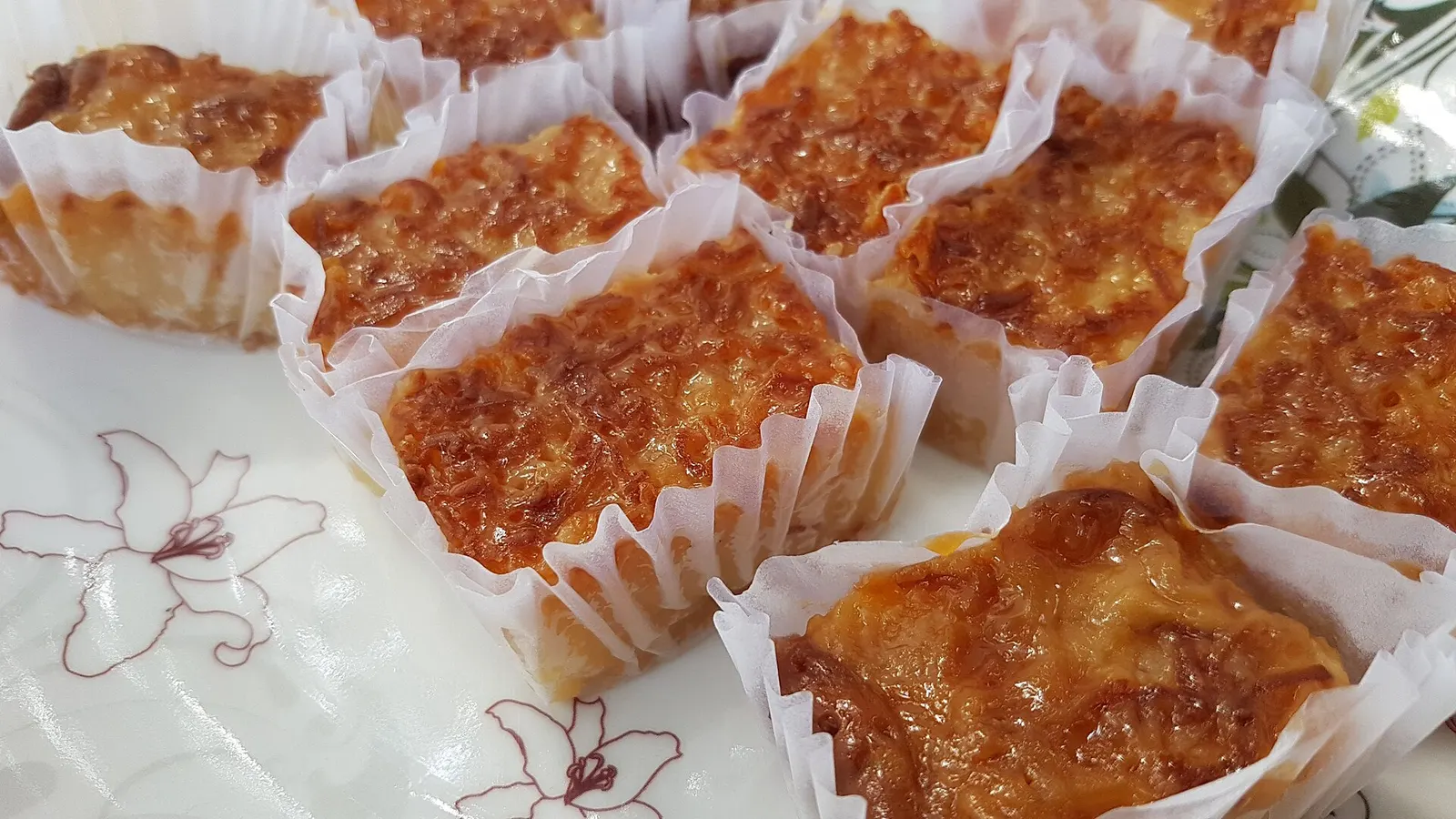
If you happen to have a sweet tooth, don’t miss out on a Filipino food dessert, Cassava cake. These moist, sweet cake is made of coconut, cassava, and with condensed milk and custard as toppings. They are traditionally baked on coals, which give cassava cake an unique twist when it comes to flavor.
With the stunning views of the unique natural sites, Philippines has long been regarded as one of the best “getaways” when it comes to a relaxing vacation. However, apart from the gorgeous landscapes, the rich, complicated historical background shape the unique architecture and cultural of Philippines, making it a place worth exploring. With the tips for your first time in the Philippines, save it for your next trip in Southeast Asia and make your next vacation a memorable one!
Read more: 6 Hidden Gems in the Philippines that You Need to Know
Comments
Be the first to leave a comment.
Leave a comment
Related posts
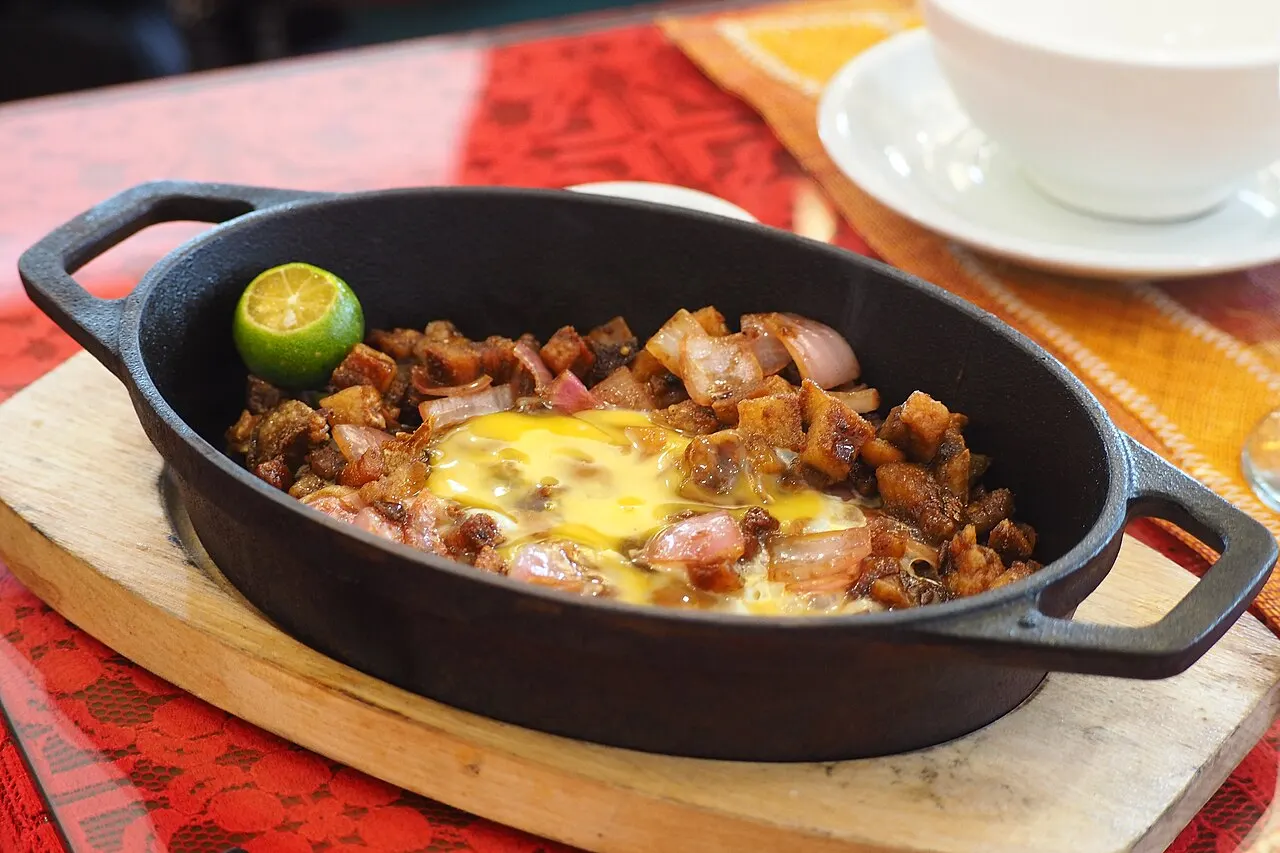
Traditional Dishes From the Philippines
by Victoria D. of Sharemoney The Philippines is known for its various historical landmarks and a host of scenic tourist spots that make it so enticing for both locals and tourists alike. Apart from these mesmerizing sights, every visitor often talks about the sumptuous food served in restaurants or
Apr 6, 2021
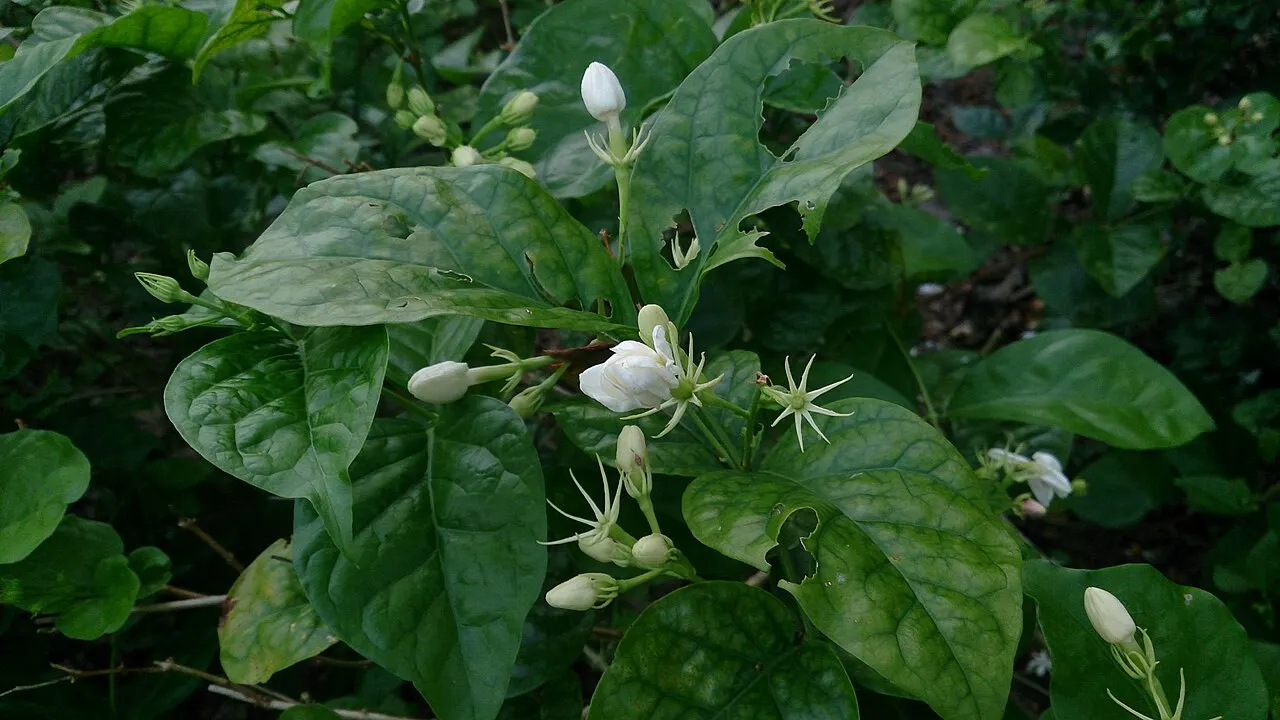
National Symbols of the Philippines: A Quick Guide
With the stunning views of unique natural sites, Philippines has long been regarded as one of the best “getaways” when it comes to a relaxing vacation. Philippines is also known for its gorgeous landscapes. Its rich and diverse historical background shape its unique architecture and culture, making
Jan 29, 2021
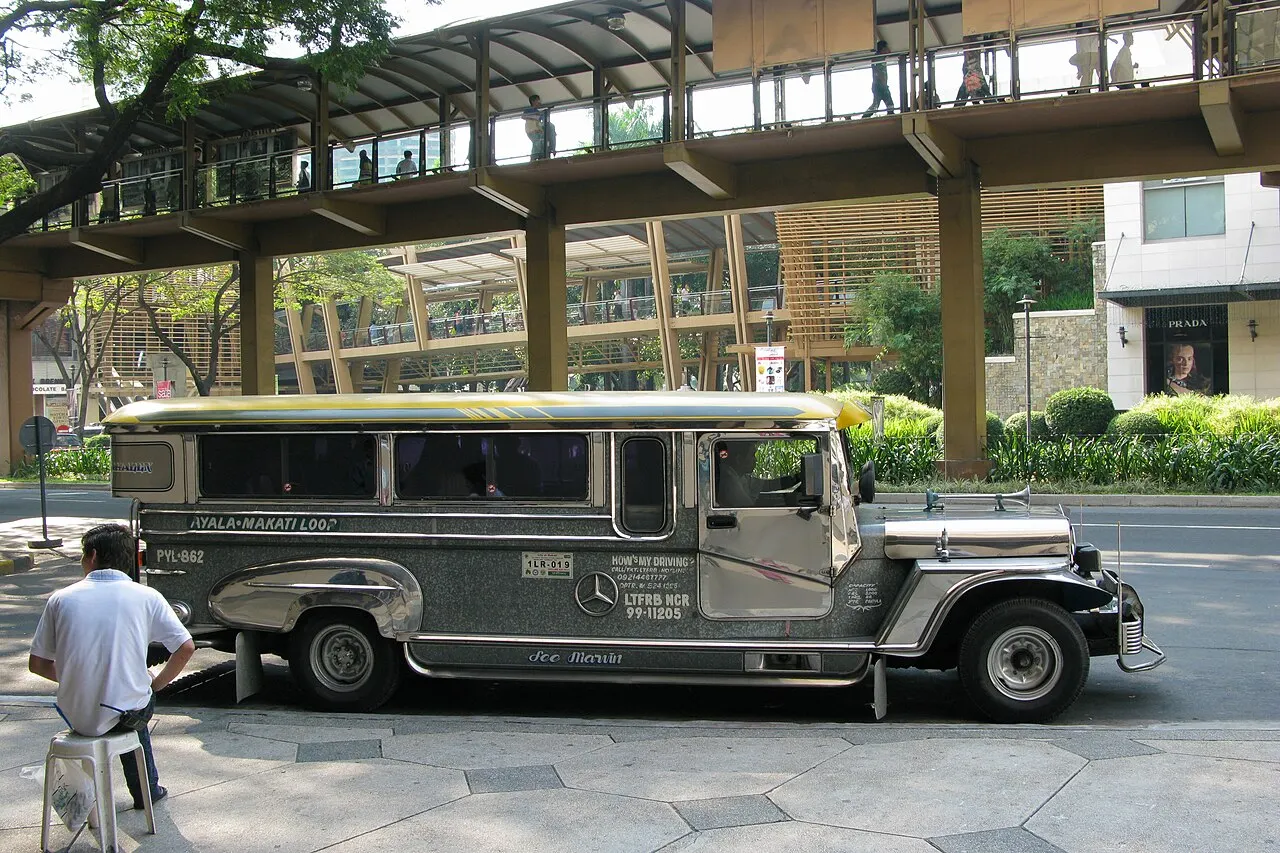
Modes of Public Transportation in the Philippines
Discover the ultimate getaway to a paradise-like destination in the Philippines. You can lounge on idyllic beaches and islands, experience fun outdoor activities with stunning sights, taste flavorful local cuisines, and join vibrant festivals. Escape to the Philippines, an archipelagic country in So
Jan 13, 2021