
7 Best Fish Markets In Japan
Japan is surrounded by water, there are a lot of fishing ports in the country. The fishing business is one of the businesses that are lucrative in Japan. There are a lot of fish markets that are popular. These markets have their own uniqueness that makes them stand out. Throughout the country, there are numerous fishing ports and markets that serve as the backbone of the nation’s seafood industry.
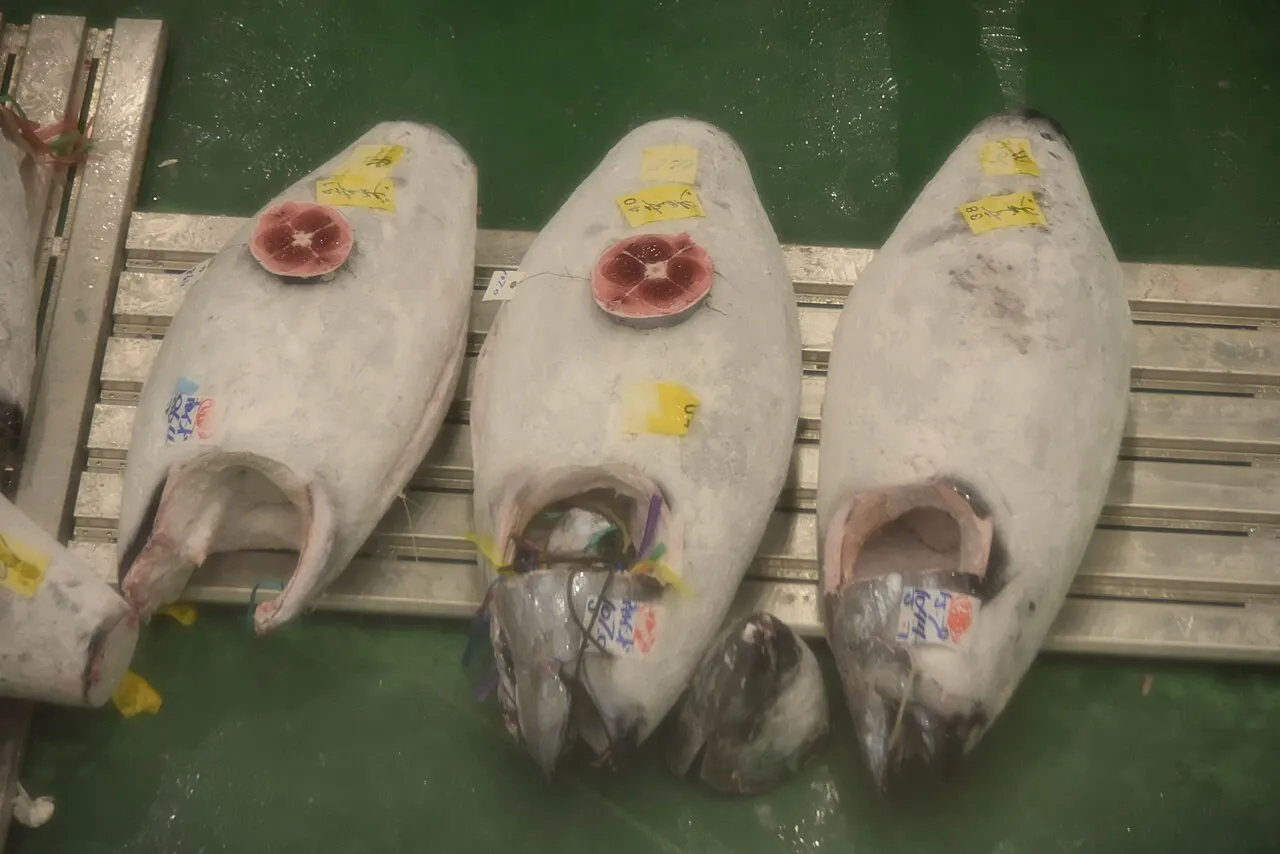
Japan is surrounded by water, there are a lot of fishing ports in the country. The fishing business is one of the businesses that are lucrative in Japan. There are a lot of fish markets that are popular. These markets have their own uniqueness that makes them stand out. Throughout the country, there are numerous fishing ports and markets that serve as the backbone of the nation’s seafood industry.
Tsukiji Fish Market is now known as Toyosu Fish Market (Tokyo)

You’ve probably heard that the iconic Tsukiji Fish Market closed to the public to reopen as Toyosu Fish Market. Tsukiji Fish Market was slated to close its doors in November 2016. Then the move got pushed back. But the relocation happened at last, with the inner market officially re-opening at the Toyosu waterfront district on October 11, 2018. Over 600 merchants made the move. The new Toyosu Fish Market is near Shijomae Station, on the Yurikamome Line, in Tokyo’s Koto Ward—about 2km east of Tsukiji’s current location.
The experience at Toyosu is very different from the lively, messy but also charming and authentic Tsukiji. It has a sterile atmosphere—and only certain clearly-marked areas are accessible to visitors. The times of tourists touching the price tags of tuna are over—your experience is all behind glass windows now.
Seafood Market Maizuru Port ToreTore center (Kyoto)
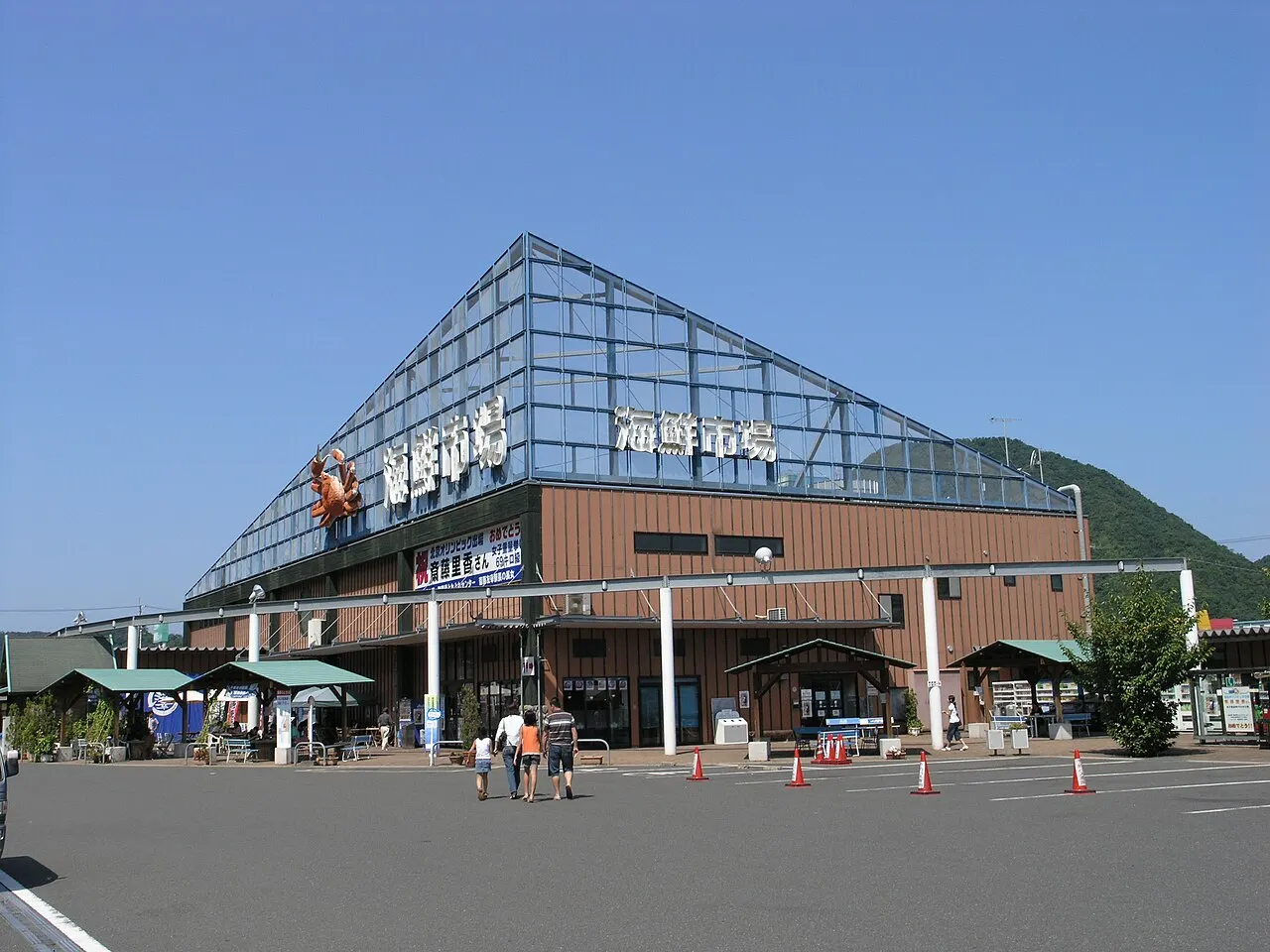
The specialties of Maizuru are seafood. A variety of seafood is available here throughout the year, such as iwagaki oyster and torigai for summer; and crabs: the king of winter delicacies. Not only fresh fish and shellfish but processed seafood, are also for sale. Enjoy shopping in the lively market. Maizuru seafood market consists of stores selling fresh seafood and restaurant selling cook seafood delicacy ranging from crab, shrimps, lobster, and other seafood delicacies. You can buy your fresh seafood and order it to be cooked at the spots.
Omicho Market (Kanazawa)
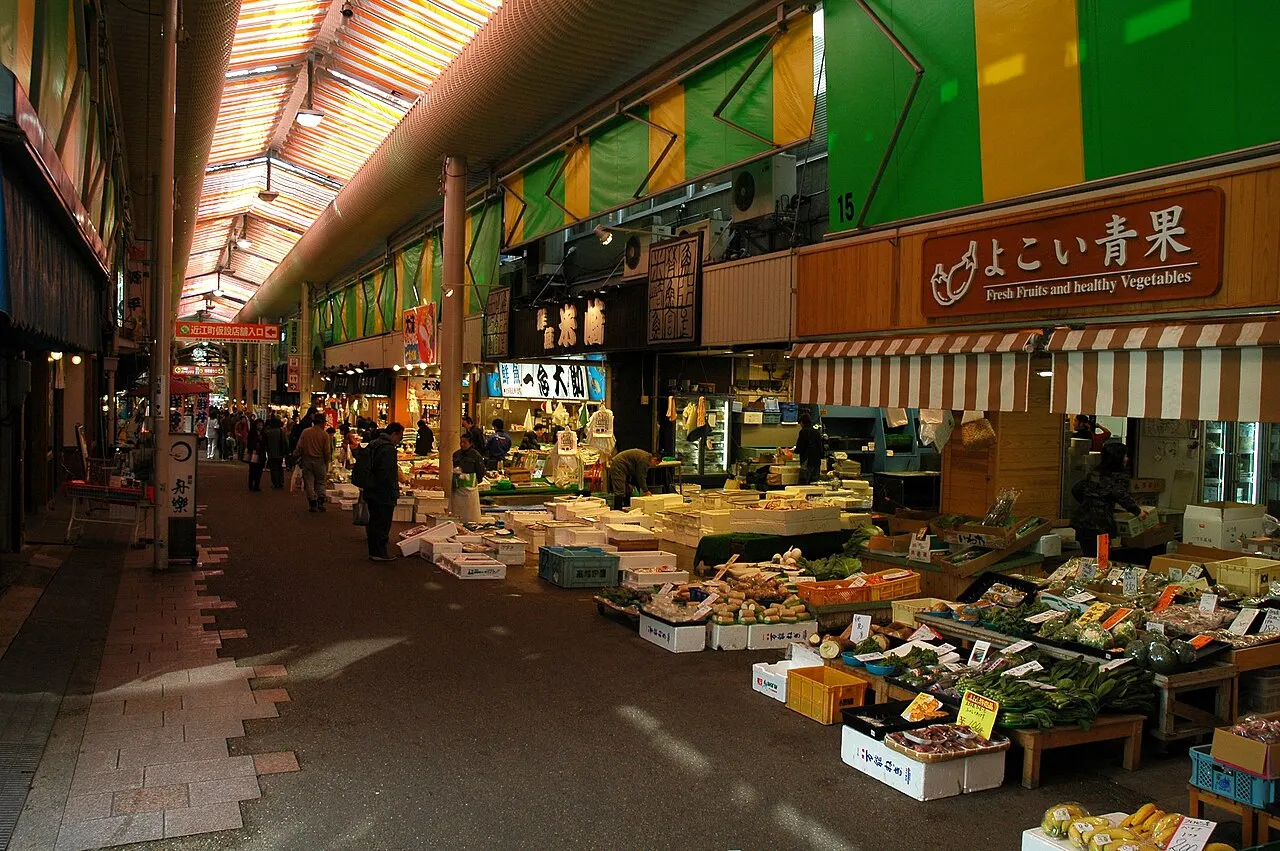
Whoever comes to Kanazawa will be startled at the magnificent view of the kaleidoscopic variations of seafood that unfold before your eyes. Kanazawa's largest fresh food market since the Edo Period. Today, it is a busy and colorful network of covered streets lined by about 200 shops and stalls. While most shops specialize in excellent local seafood and produce, you can also find flowers, clothing, kitchen tools and more on sale. The liveliness of the Omicho Market is something that you will never see or experience overseas. The freshest seafood in Kanazawa gathers in this market where you can also get it very cheap for your own dinner if you like cooking on one’s trip.
Read More:A Letter To Japanese Tour Guides | 7 Advice on How To Become a Better Guide
Izumisano Fishermans Union Open Market (Osaka)
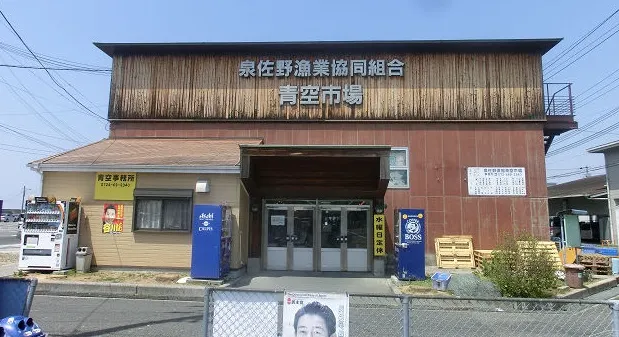
Osaka’s Izumisano Market is a cooperative that sells a wide selection of seafood that is freshly harvested from the ocean. Every afternoon, it holds a series of auctions for various types of high-quality seafood. It is also home to restaurants that offer delicious and mouthwatering seafood dishes. When it comes to fresh tuna and other seafood, Toba Seafood Market in Mie is an authority.
Apart from its stalls of shellfish, shrimps, and fish, it also houses several restaurants that serve freshly harvested catches and delicacies. The lively voices of those bidding at auctions create a vibrant, spirited atmosphere in the market. On the second floor of the building are seafood and BBQ restaurants, where visitors can have their freshly-bought fish cooked. Seafood BBQ, seafood donburi (rice bowl dish), fish tempura, and other dishes are served. This market also sells locally harvested vegetables, fruits, and flowers.
Nijo Fish Market (Sapporo)
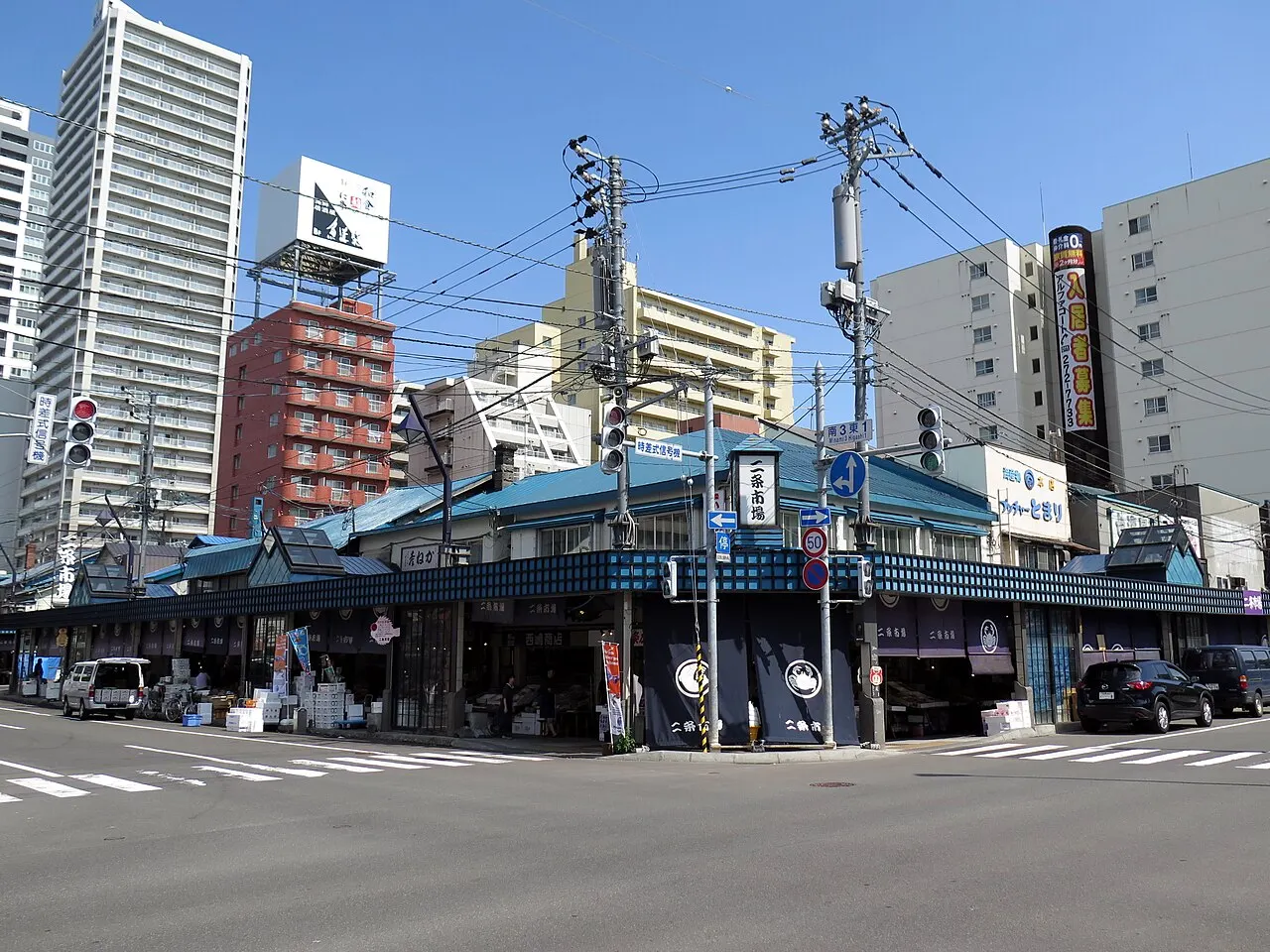
Nijo Fish Market is said to have developed in the early Meiji Period (1868 – 1912), when fishermen from Ishikari Bay started selling fresh fish there. The market originally spanned the Sosei River, running from Nishi 1-chome to Higashi 2-chome. Over time, the number of bars and greengrocers in the area began to increase, laying the foundations for today’s Nijo Fish Market.
The market continues to serve local residents’ culinary needs to this day and is also popular with visitors to the city thanks in part to its central location. Sapporo acts as a focal point for the freshest catches from all over the island. Nijo Fish Market boasts 15 fisheries and fishmongers selling that day’s catch.
The array of seafood on display, including crabs and hokke (Okhotsk Atka mackerel), also makes for a feast for the eyes. Each store has its own unique selection and it’s interesting to see the differences between them.
Tottori Kara Seafood Market
Best known for its Matsuba snow crabs during the winter season, Tottori Kara market is a must-see destination in Tottori City, especially for seafood lovers who wish to feast on some fresh and delicious seafood delicacies. With its plethora of fresh-caught seafood from Karo Harbour as well as direct sales of products and souvenirs, this market can rightly be called the kitchen of Tottori. Fish dealers also offer local shipping of fresh fish purchased at the site, and plenty of varieties of seafood dishes are on offer in the adjacent restaurant section. At the fish-tank eatery Kaiyoutei featuring fish prepared directly from the water, the white squid whole-fish sashimi comes particularly recommended.
Tajiri Port and Nishikawa (Osaka)
Tajiri's fishing port is also located near Kansai International Airport and their famous fish market is only open on Sundays, from 1am till 12pm (a mere 5 hour operation only)! But if you don't have the time on Sunday, you should still come here for Nishikawa. This restaurant is open every day and if you don't like long queues, we recommend you to come on weekdays. The prices for their high-quality sushi are super reasonable. Here you can also dine on sashimi, tempura, set meals and dons.
Read more :8 Things to Know Before Traveling to Japan
Cover photo: 江戸村のとくぞう, CC BY-SA 4.0, via Wikimedia Commons
Comments
Be the first to leave a comment.
Leave a comment
Related posts
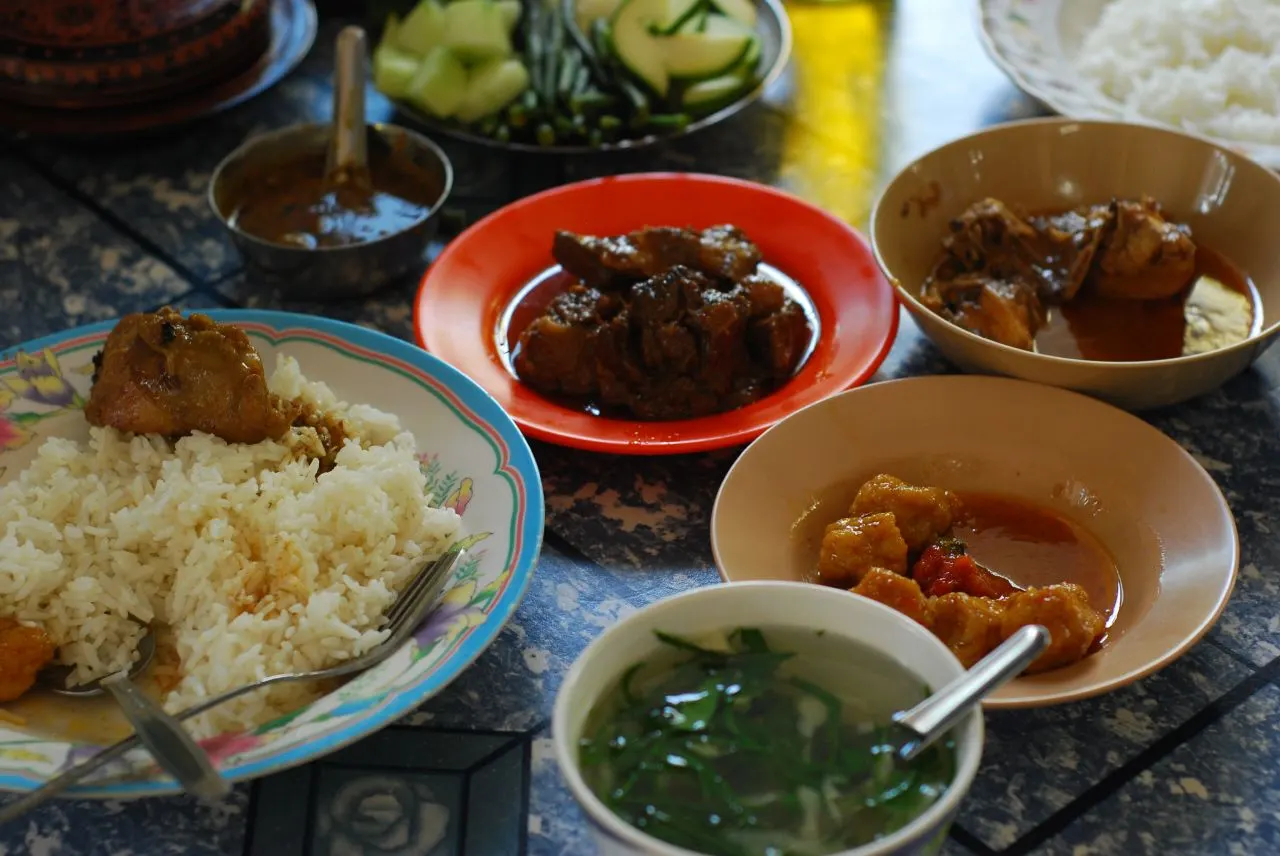
Classic Myanmar Dishes at Home
Of all the Asian cuisines that have spread over the globe, Burmese food hasn't gotten the attention it deserves. There's a more than understandable explanation for this, given that the country was isolated for almost 50 years due to a repressive military dictatorship. According to filmmaker Robert Liebermanhe who filmed a documentary in Myanmar in 2012, the country endured gross human rights violations that the world is still discovering. With Obama's visit to Yangon in 2012 and tourism opening up across the country, the world is watching Myanmar. One thing they'll surely be watching with increasing attention is the food.
Dec 24, 2020
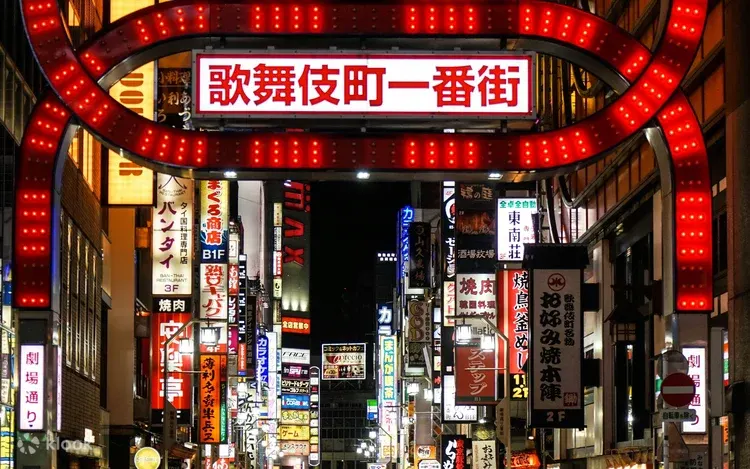
Explore Tokyo Under The Mysterious And Sexy Shade Of The Night
Nighttime in Tokyo is rather different than what you experience in the day. There is so much more to see and explore in Tokyo under the mysterious and sexy shade of the night. Tokyo nightlife can be more complicated than learning to say "cheers" in Japanese. There are districts specific to clubbing—like Kabukicho, which is the biggest red-light district in Japan. Shinjuku (the neon-bathed streets of the Kabukicho red-light district, in particular), which has dozens of karaoke bars, izakaya pubs, and hostess clubs to boot. Shinjuku is also home to Ni-chome, which is Japan's largest gay nightlife area. Tokyo is a city that never sleeps and has plenty of places to keep you entertained for the night.
Dec 15, 2020
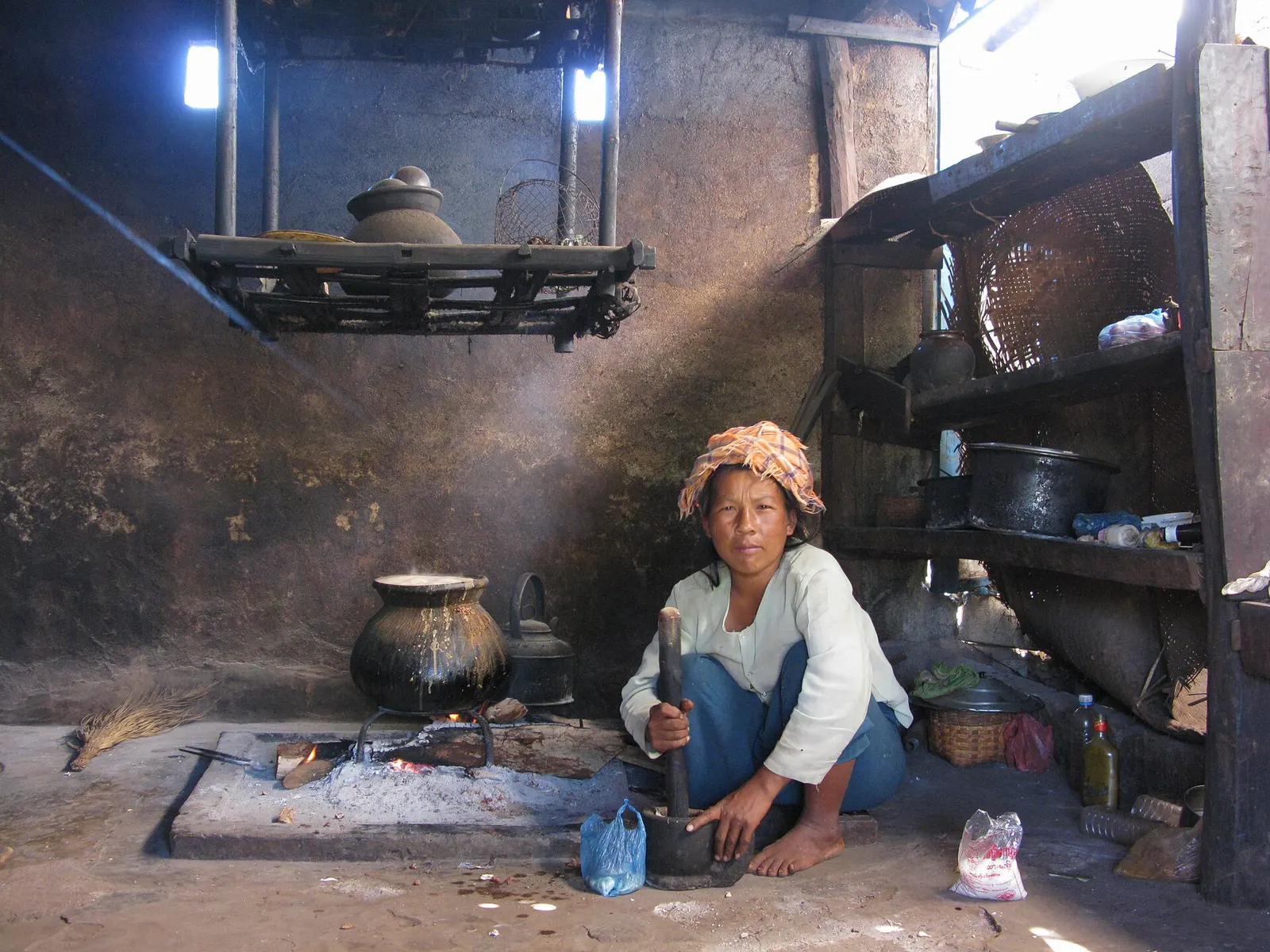
Food culture in Myanmar
Burmese cuisine is an exotic blend of flavourful ingredients that make up unique dishes that are an absolute must-try. It offers a plethora of authentic dishes from various regions of Myanmar.
Nov 8, 2020