
7 Reasons Why Japan Has Such a Rich Art Culture
Japan, the land of the rising sun, is one of the developed and advanced countries in the world. Though the island nation is prone to natural disasters like earthquakes, tsunami, and volcanic eruptions, the people of Japan have made a mark with cutting-edge technologies in various fields such as elec
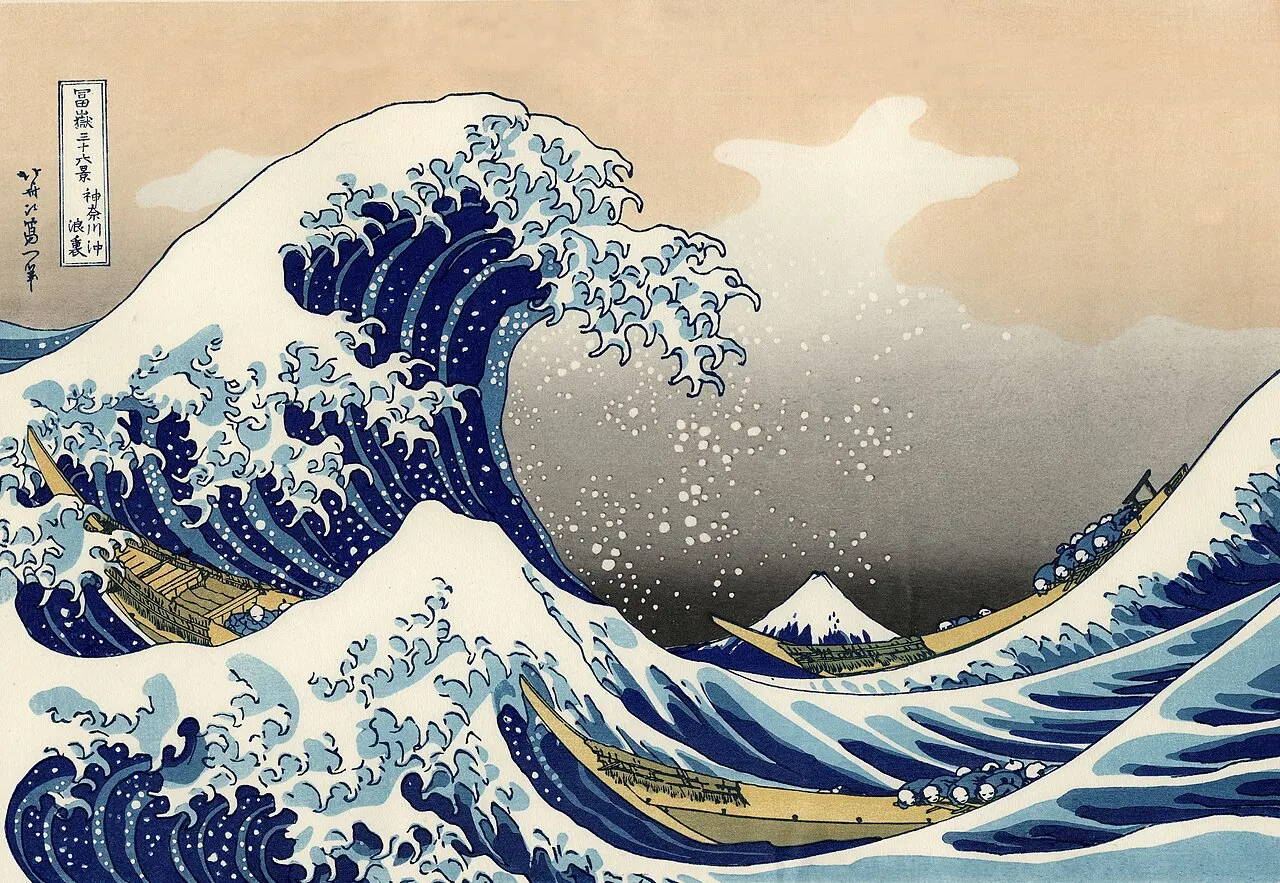
Japan, the land of the rising sun, is one of the developed and advanced countries in the world. Though the island nation is prone to natural disasters like earthquakes, tsunami, and volcanic eruptions, the people of Japan have made a mark with cutting-edge technologies in various fields such as electronics, robotics, and high-speed automobiles. Also, one of the unique things about Japan is its heritage and tradition and the way people guard it amid all the modern chaos.
People in Japan were already making pottery more than 15,000 years ago, in the Jōmon period. According to legend, the imperial line was founded in 660 BC, and the imperial family still gives great attention to traditional arts and rituals. Today, there are different art forms like calligraphy, weaving, Ikebana(floral arrangements), Manga, woodblock printing, etc. Below are the probable reasons for the rich art culture of Japan.
- Long term isolation
From 1639 to 1853, the Tokugawa shogunate kept Japan largely closed to the outside world for more than two centuries, a policy known as sakoku. During this period, there was peace, harmony, and independence. The country revived its traditional values and religion. At the same time, the Japanese developed their unique style of dance and drama.
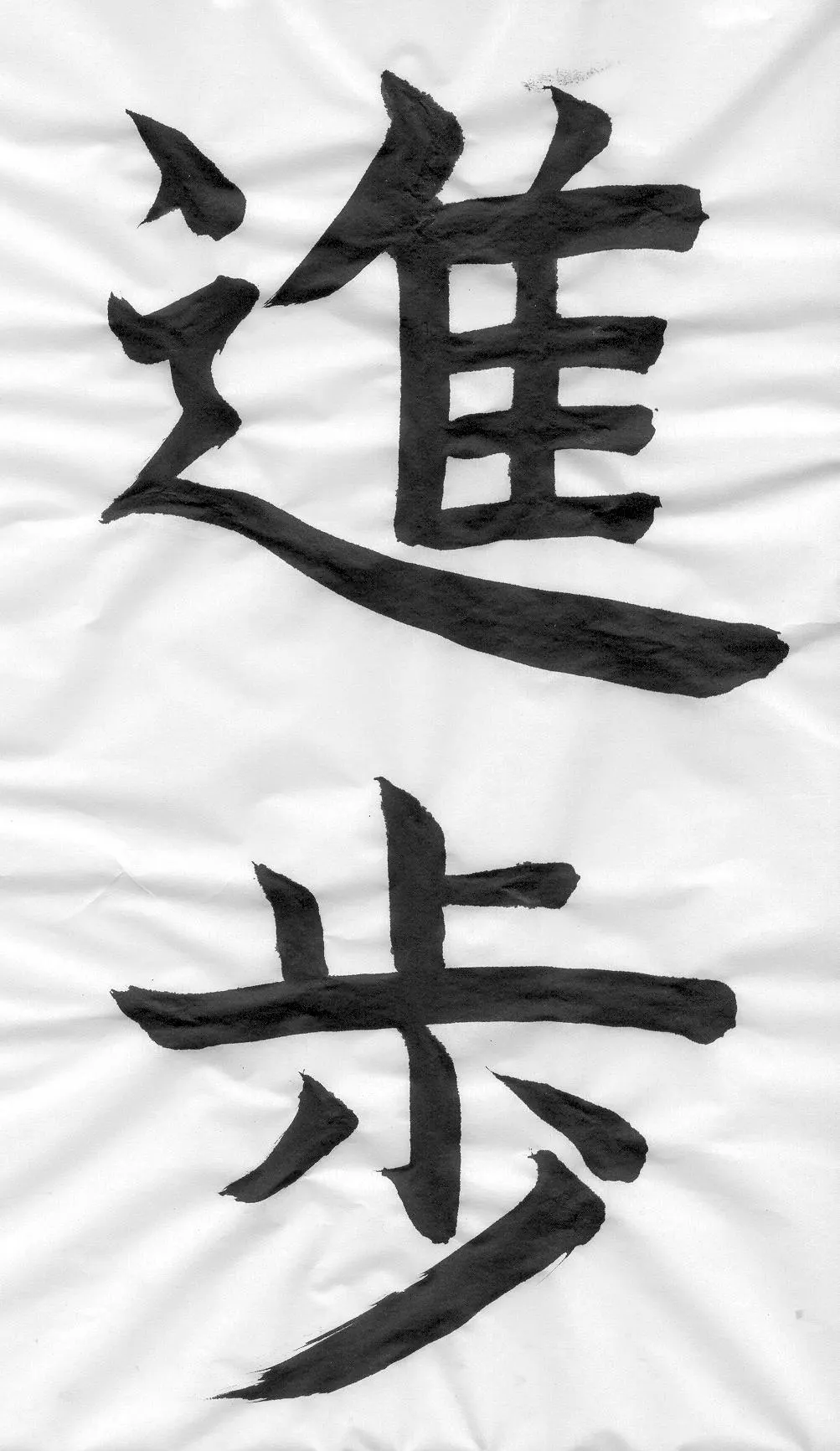
The writing art, known as ‘shodo’ in Japan, is challenging as each character had a specific length and direction. The Japanese brush painting, Sumi-e, is distinct too. They use monochrome colors, usually black, and the objects drawn are natural like, bamboo trees, mountains, birds, flowers, etc. All these art forms kindled a new interest once the country opened up. The precise and aesthetic art from Japan continues to enthrall people at art fairs across the world.
- Close link to religion
The Shinto religion reflects the way of life in Japan. Today, practices like washing hands and rinsing the mouth, folding hands for ‘itadakimasu’ before having meals are part of Japanese culture. As per the Shinto religion, individuals need to excel in every skill and art that they pursue. It is their offering to the Kami, the divine spirits that influence human life. And, it is one of the reasons for the excellent work of Japanese artists.
Also, Shinto and Buddhist religions laid the foundation of aesthetic concepts of mono no aware and wabi-sabi. Mono-no-aware is for evoking powerful emotions in art, and wabi-sabi represents the philosophy of finding beauty in all components of nature, even in imperfect things.
- Support by the royals and wealthy
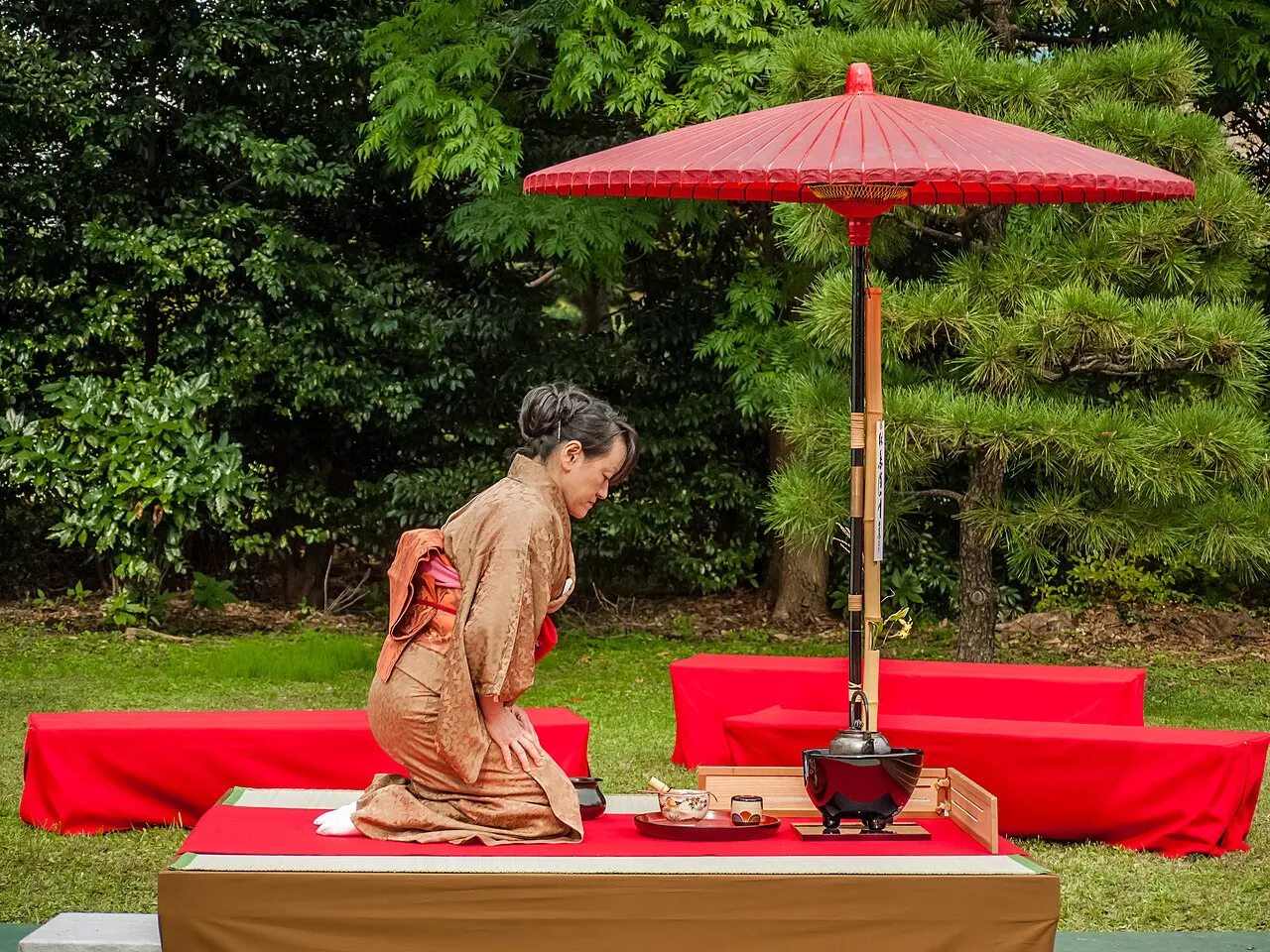
In Japan, one need not go to museums and cultural centers to see the work of artists. Art is part of everyday life in Japan. For example, the Japanese view having tea as an art and ritual. The ironware used and teacups bear artistic drawings. And, they change it according to the season like, during the spring, the utensils have pictures of cherry blossoms.
The imperial family of Japan oversaw the adaptation of rites, rituals, and art. During the Heian period (794–1185), the imperial court and the aristocratic Fujiwara family were devoted to art and literature. From the late 12th century, the samurai took over politics and protection, while the court, and later the shoguns and wealthy merchants, kept patronizing art forms. They awarded talented artists and artisans and encouraged them to come up with elegant styles and methods.
- Passed on from generations
In the olden days, Japanese artists passed on different art skills such as screen painting, lacquerware(Shikki), and traditional dance forms like Noh and Kabuki to their younger generations. An example is the Tatsumura family. They created luxurious textiles for kimono, obi, and tapestries. In the Edo period (1603–1868), entertainment districts such as Edo’s Yoshiwara, licensed in 1617, became centers for the exchange of artistic and cultural ideas, inspiring kabuki and ukiyo-e prints.
- Respect and protection
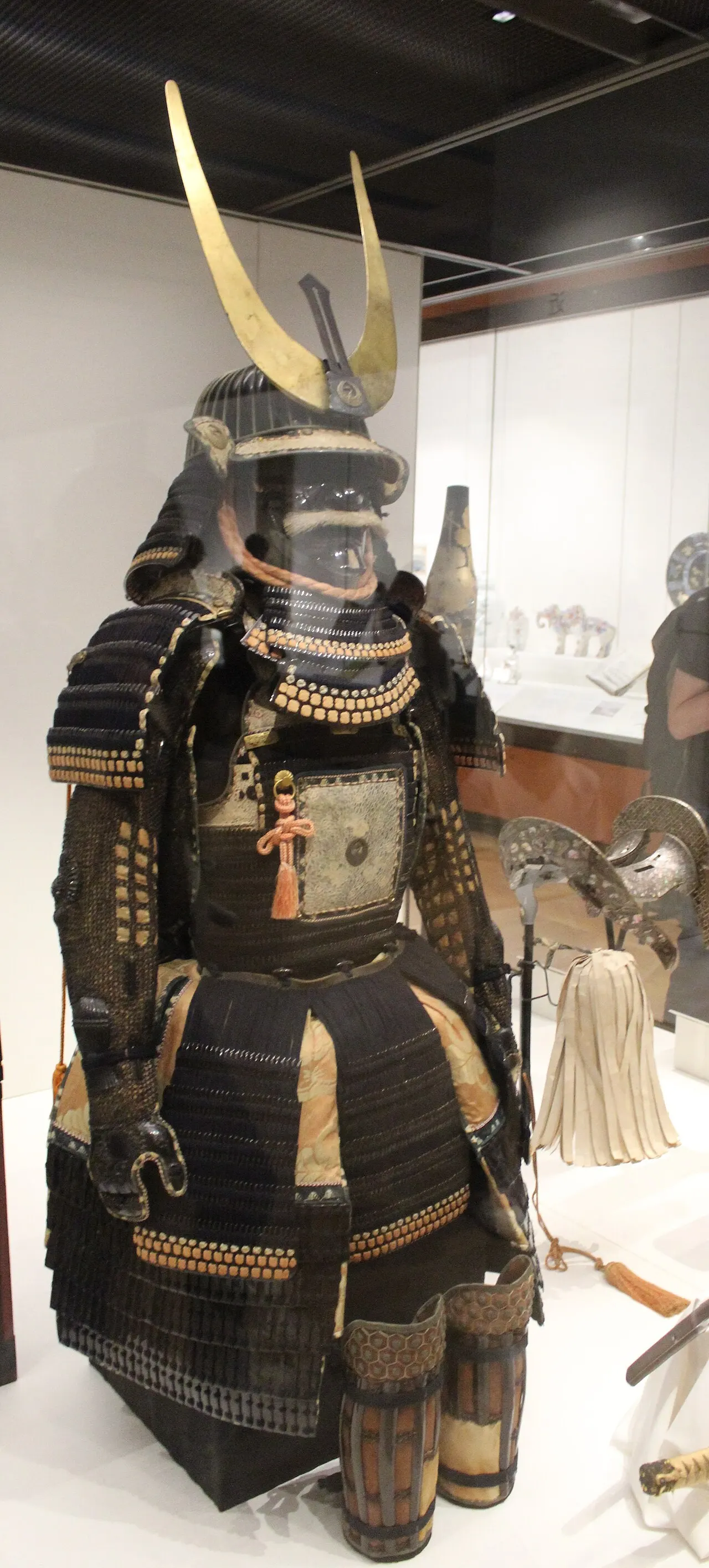
The world today considers the Samurai warriors as the warrior class of Japan. But they also learned art and literature with equal vigor. As per Japanese literature, a true warrior is respectful of the sword and art forms like calligraphy and painting.
Even today, the Japanese government designates master artisans and performers as “Living National Treasures” and supports them with grants. They have laws for the protection of cultural properties. The government provides financial assistance to industries in traditional arts like floral arrangements, gold foil lacquerware, silk kimono painting, origami, etc.
- Influence of other cultures
Long before Sakoku (self-imposed isolation), Japan adopted writing, calligraphy, Buddhism and tea from China, and later traded with the Portuguese; even during Sakoku, Dutch and Chinese traders kept a small window open at Nagasaki.
After the Meiji Restoration in 1868, Japan opened up for trade again. The Japanese learned different painting techniques, enhanced their architecture, and imported loom machines from the West. After a brief period of combining foreign art forms, contemporary Japan secured a unique place in art through modern art forms like Manga, anime, and fashion designing.
- Detail-loving nature
In Japanese, master craftspeople are known as ‘shokunin’. These people dedicate their lives to perfecting their craft, and it is their penchant for excellence that makes the art of Japan outshine.
Final Thoughts
Japanese people have a great reverence for art. Japanese art forms are unique, be it origami or Kintsugi-the art of fixing broken pottery. The best part is they have kept their traditional art forms intact. Meanwhile, new realms like Manga and game series like Pokemon are widespread across the world.
Want to experience it in person? Join a Gion maiko cultural experience in Kyoto or browse more Kyoto tours with local guides.
Cover photo: Katsushika Hokusai (modern recut), Public domain, via Wikimedia Commons
Comments
Be the first to leave a comment.
Leave a comment
Related posts
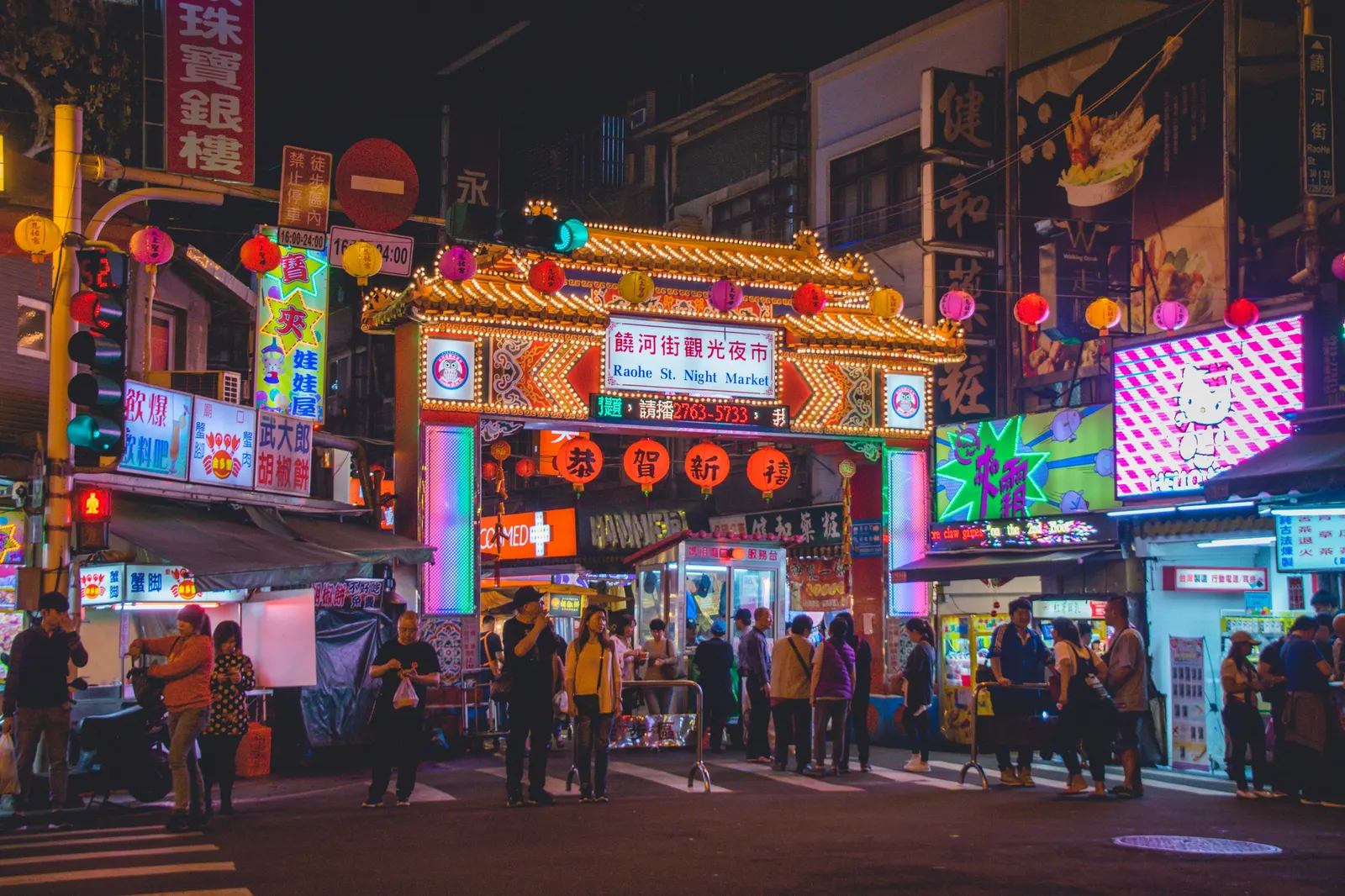
Becoming a Tour Guide in Taiwan
“It’s never too late to have a life you love. Don’t ever feel like you’ve missed the boat, don’t have what it takes or can’t achieve your dreams. Instead of removing your dreams, remove the doubts and fears keeping you from them. It’s never, ever too late.”
Jan 8, 2022
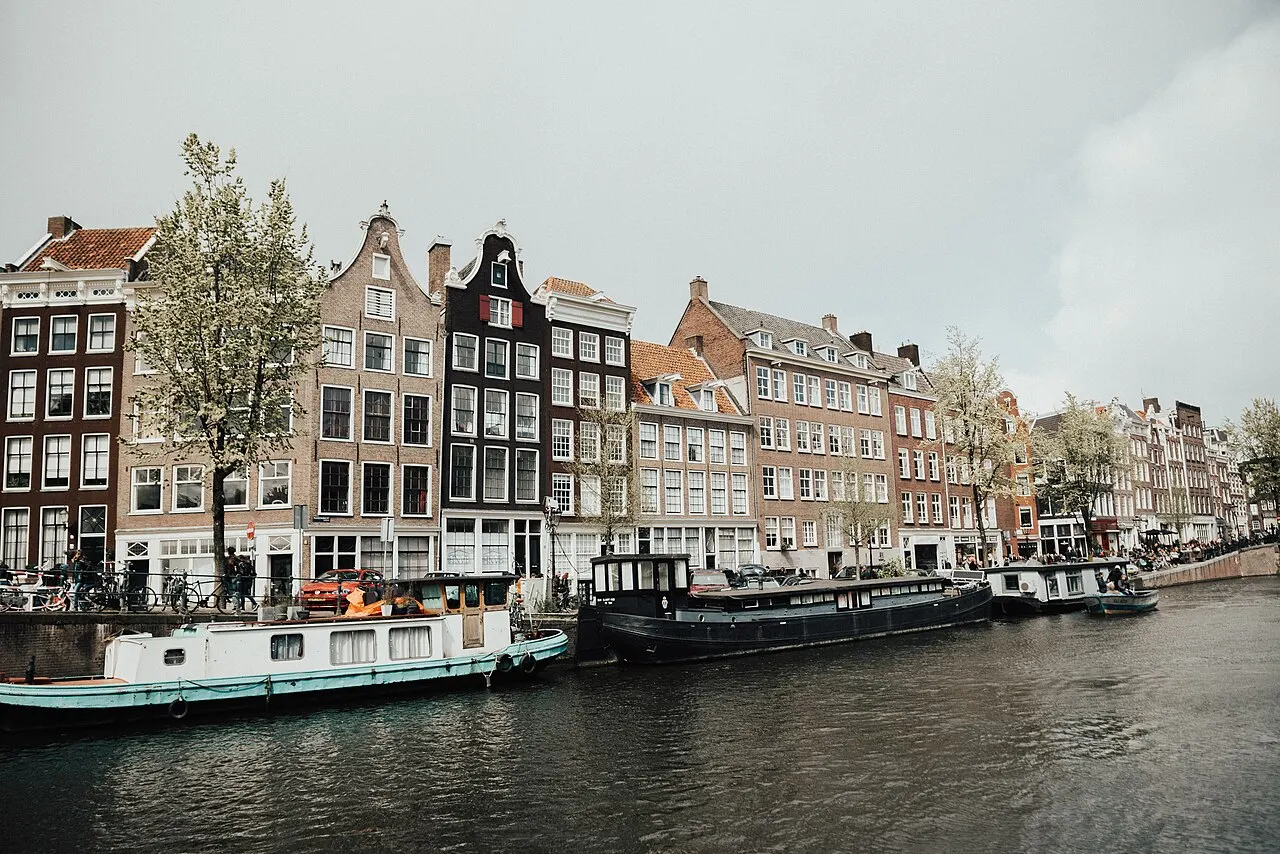
7 Reasons to Fall in Love With Amsterdam
The city’s olive-green canals and handsome gabled mansions are indeed beautiful, but perhaps above all, it’s the flavour of the city that appeals – its inhabitants a creative and imaginative bunch who quite simply bring the place alight. Young Amsterdammers were energized, and the hippy movement inf
Dec 28, 2021
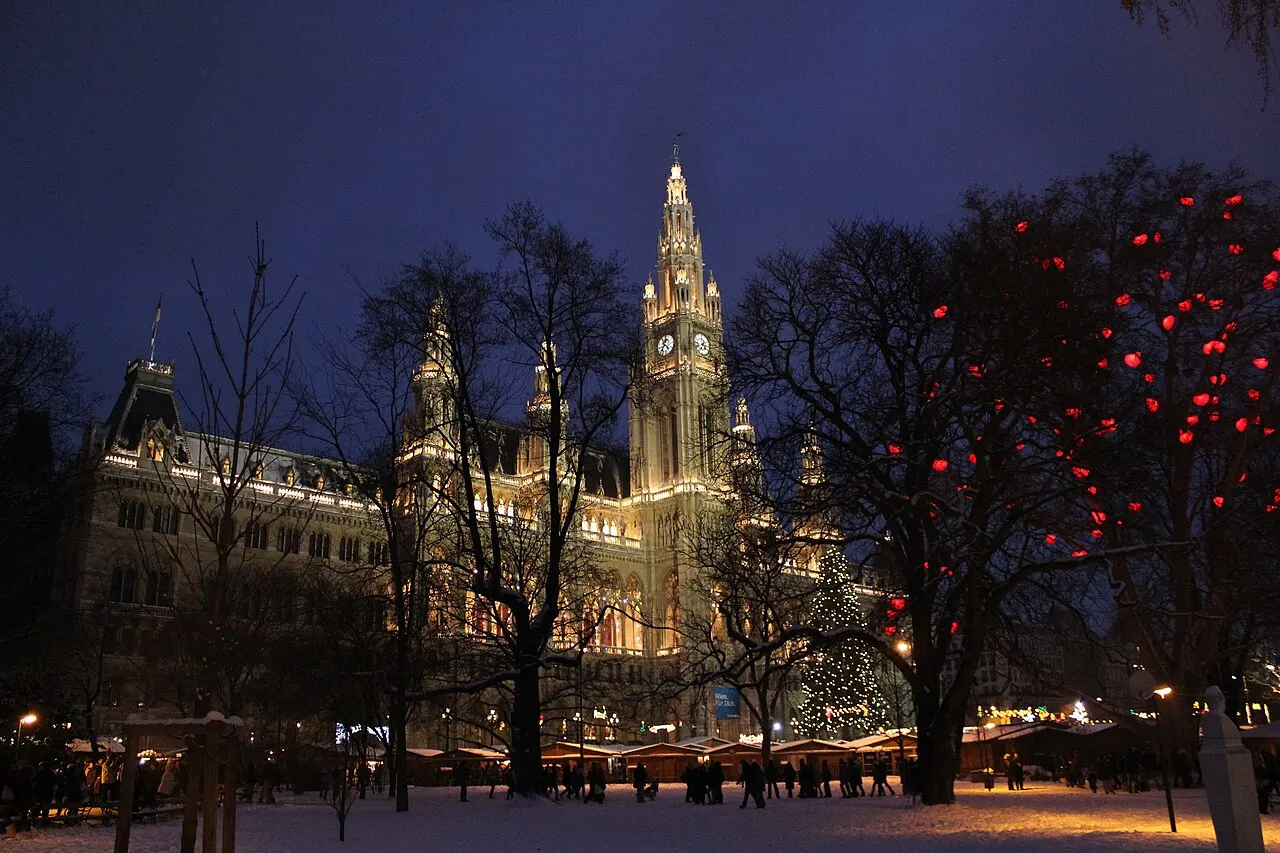
8 Most Magical Christmas Markets Waiting for You to Explore
Culture and traditions often hold special meaning for people because such events trigger memories and a sense of belonging within a certain society. One of Christmas’s most loved traditions is to shop at Christmas markets. It is the one place that is merrier than your own home decor. They are packed
Dec 11, 2021