
Tokyo Travel Guide: How to get around with Local Transport
With a peerless public transportation network and an increasing number of multilingual signage, getting around Tokyo is becoming relatively stress-free. With a JR Rail Pass or travel card, you can navigate stations, hop on and off buses and even take waterbuses with ease. Traveling overground, underground, at slow-speed or ultra-fast-speed are all options in the city.
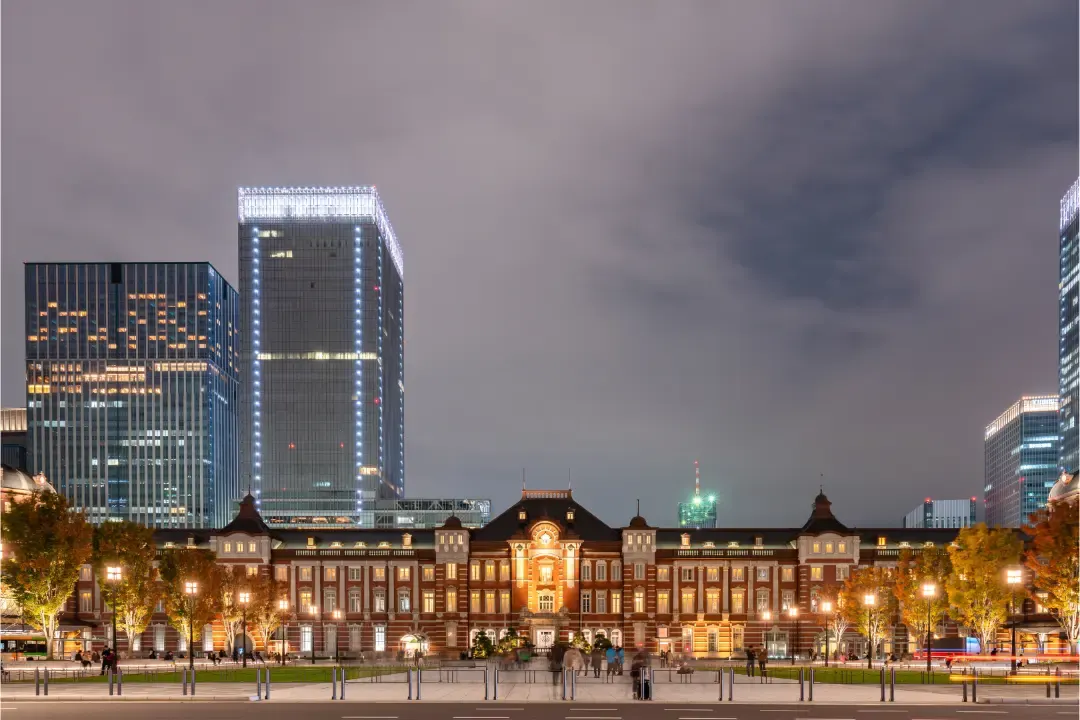
With a peerless public transportation network and an increasing number of multilingual signage, getting around Tokyo is becoming relatively stress-free. With an IC travel card (or a rail pass, if it suits your itinerary), you can navigate stations, hop on and off buses and even take waterbuses with ease. Traveling overground, underground, at slow-speed or ultra-fast-speed are all options in the city.
The streets are crowded with taxis—many with English signage—and a vast network of buses criss-cross the city. Central Tokyo itself is relatively small meaning renting a bicycle is a practical and fun way to navigate the city. Here is a guide to how to get around Tokyo, introducing all the different routes you can take based on how you like to travel.
Getting between airports and the City
Traveling around is always exciting until you find yourself there in a country and don’t know how to get around. Getting from the airport to the city can be the most confusing part of a trip, because airports are usually built far away from the hotels and tourist spots. You can always take a taxi or a ride-hailing car, but the train and bus options below are easy once you know them. Fares change from time to time, so check each operator’s official website for current prices.
Narita Airport (NRT)
Terminal 1 and 2 each have a railway station in their respective basements. Terminal 3 serves low-budget airlines and is connected with terminal 2 by a pedestrian walkway. Free shuttle buses operate between all three terminals.
JR Narita Express (Direct, about 60 minutes, 1-2 connections per hour):The most comfortable way of travel between Narita Airport and Tokyo Station is the JR Narita Express (N’EX). The one-way journey takes roughly one hour and it is covered by the Japan Rail Pass and several regional JR passes. There are departures every 30 to 60 minutes. JR East sometimes sells discounted N’EX tickets for foreign visitors, so check the JR East website before you buy. Note that the nationwide Japan Rail Pass became much more expensive in October 2023, so do the math before buying one just for the airport trip.
JR Sobu Line (Direct, about 90 minutes, about 1 connection per hour):The JR Sobu Line (Rapid Service) is the slower but cheaper JR alternative to the Narita Express. The one-way trip takes roughly 90 minutes. There is about one departure per hour.
Keisei Skyliner (1 transfer, about 55 minutes, 2-3 connections per hour):Take the Keisei Skyliner from Narita Airport to Nippori Station (about 40 minutes) and transfer to the JR Yamanote Line or JR Keihin-Tohoku Line to get to Tokyo Station (about 10 minutes). There are connections every 20-40 minutes. Keisei often offers discounted Skyliner tickets for foreign visitors bought online in advance; check the Keisei website for the current offer.
Keisei Limited Express (1 transfer, about 90 minutes, about 3 connections per hour):Take the Keisei Limited Express from Narita Airport to Nippori Station (about 75 minutes) and transfer to the JR Yamanote Line or JR Keihin-Tohoku Line to get to Tokyo Station (about 10 minutes). This is the cheapest rail option. There are connections every 20 minutes.
Airport buses (Direct, about 60-100 minutes depending on traffic):Airport Limousine buses and low-cost airport shuttle buses run from Narita Airport to Tokyo Station, and Limousine buses also go directly to many major hotels and stations. Journey times depend heavily on traffic. Check the bus operators’ websites for current timetables and fares.
Haneda Airport (HND)
Tokyo Monorail (1 transfer, about 30 minutes, frequent connections)
Take the JR Yamanote or JR Keihin-Tohoku Line from Tokyo Station to Hamamatsucho Station (about 5 minutes) and transfer to the Tokyo Monorail to Haneda Airport (about 20 minutes).
Keikyu Railways (1 transfer, about 35 minutes, frequent connections)
Take the JR Yamanote or JR Keihin-Tohoku Line from Tokyo Station to Shinagawa Station (about 10 minutes) and transfer to the Keikyu Airport Line to Haneda Airport (about 20 minutes).
Limousine bus (Direct, about 40-55 minutes)
Limousine buses run between Tokyo Station and Haneda Airport. Depending on the traffic situation, the one-way journey usually takes between 40 and 55 minutes. Check the operator’s website for the current timetable and fare.
Read more: 8 Things to Know Before Traveling to Japan
Getting around Tokyo City
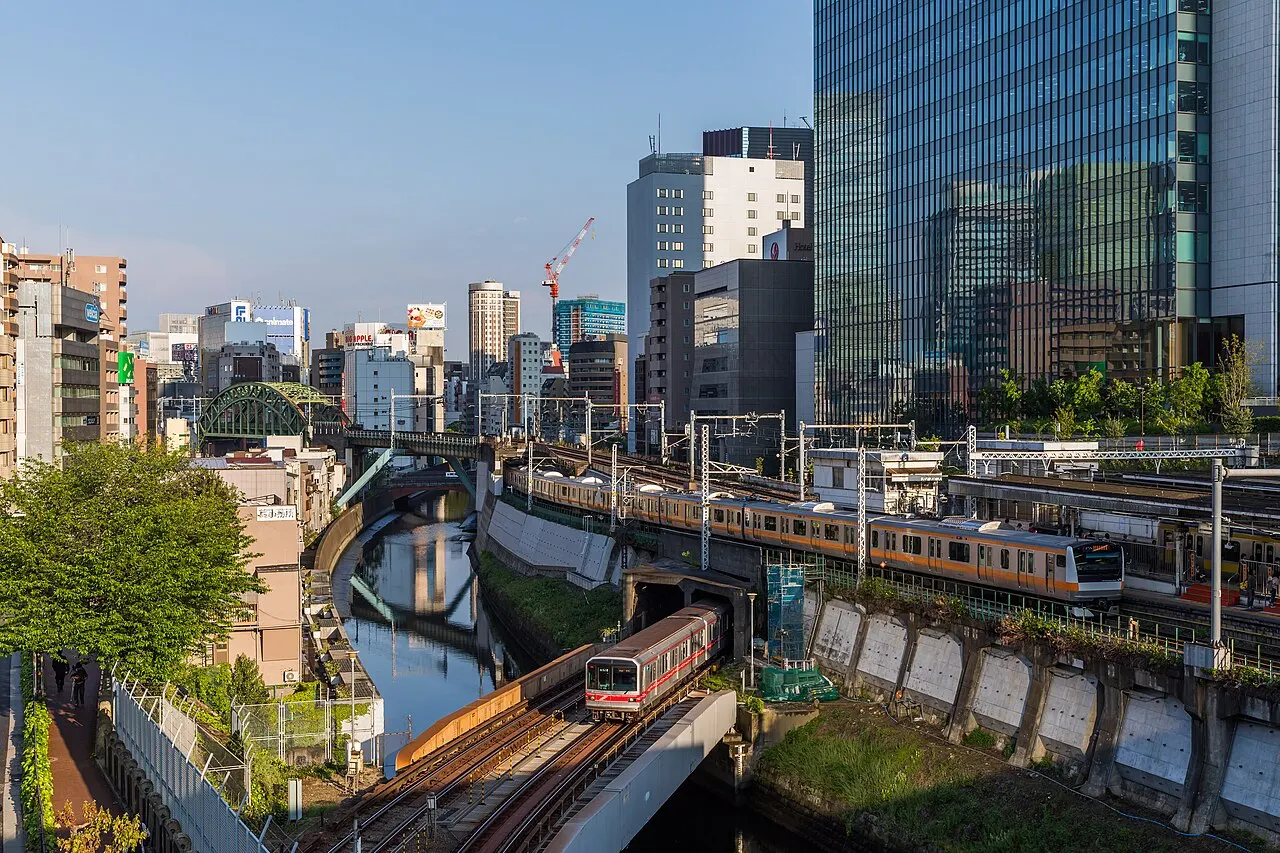
To the uninitiated, the train and subway system in Tokyo can seem incredibly complicated. There are two different subway operators (Tokyo Metro and Toei) as well as one major rail company (JR) and a multitude of private line operators. In general, these are well-priced compared to other major cities. In terms of cost savings, the less you change between the different operators on a single journey, the cheaper your trip will be.
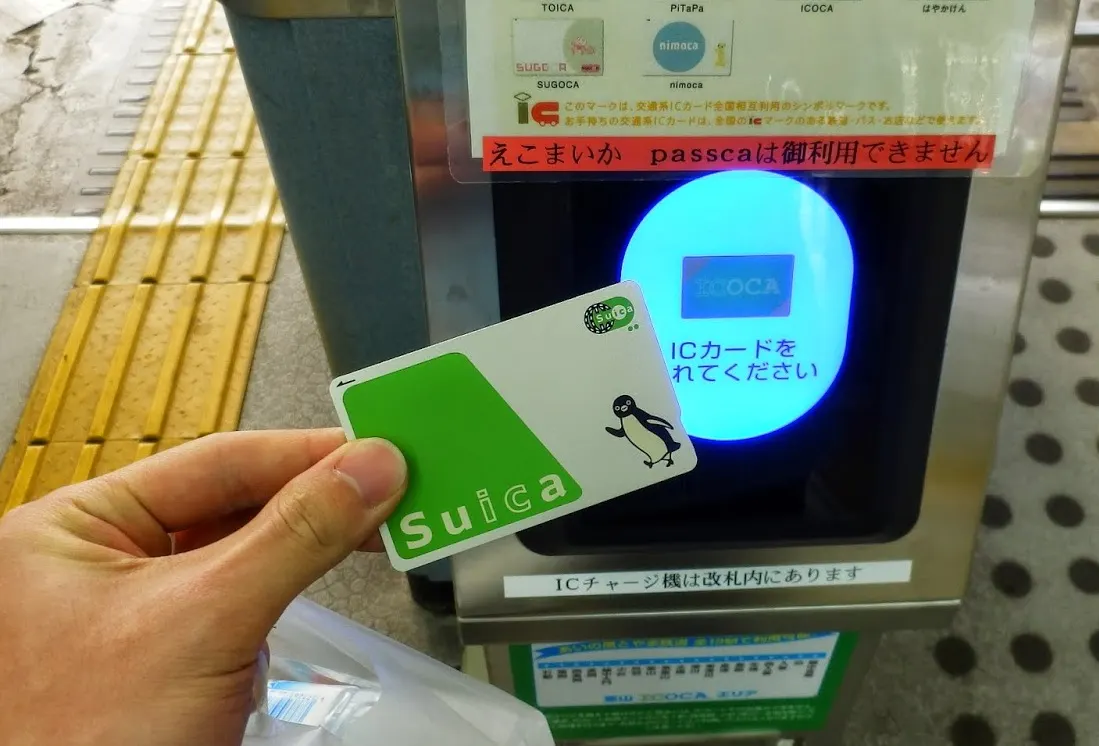
If you’re staying for more than 24 hours, the best idea is to get a Suica or PASMO IC card. These are credit-card-size cards that you charge up with credit; they work on all train, subway and most bus lines in Tokyo and in other major cities across Japan. You can top the card up at any station. Short-term visitors can buy the Welcome Suica (no deposit, valid for 28 days) at Narita and Haneda airports and some major JR stations, while the regular Suica and PASMO cards carry a refundable deposit. iPhone and some Android users can also add a mobile Suica or PASMO to their phone wallet.
Trains and Subways
By far the best way of getting around Tokyo is via the trains and subways. There are thirteen subway lines in Tokyo. They are run by two interlinked subway systems, the Tokyo Metro Subway, and the Toei Subway. The most important of the train lines is the JR Yamanote Line. It is a loop line that circles central Tokyo, stopping at major hubs such as Tokyo, Shinagawa, Shibuya, Shinjuku, Ikebukuro and Ueno. The JR Chuo Line runs from east to west through the city. The yellow trains (Chuo-Sobu Line) stop at every station along the way. The orange trains (Chuo Rapid Line) are faster and skip some stations.
Buses
Buses in Tokyo are relatively cheap and they are a good option for areas not adequately covered by the subway system. The problem with getting around Tokyo on a bus can be the language barrier, which makes it difficult to work out which bus to take and where to get off. Only the end destination appears on the bus and most bus drivers do not speak English.
Taxi
Taxis are the most expensive of the Tokyo transportation options and are really only worth taking when several of you are going to the same destination or where you have little other option.
Read more: Unmissable Places : Best destination to visit in Japan
Comments
Be the first to leave a comment.
Leave a comment
Related posts

7 Reasons Why Japan Has Such a Rich Art Culture
Japan, the land of the rising sun, is one of the developed and advanced countries in the world. Though the island nation is prone to natural disasters like earthquakes, tsunami, and volcanic eruptions, the people of Japan have made a mark with cutting-edge technologies in various fields such as elec
Aug 2, 2021
Finding Treasures in Old Town Jakarta: Things To Do In Kota Tua Jakarta
Kota Tua Jakarta ("Jakarta Old Town" or "Old Town Jakarta"), officially known as Kota Tua, is a neighborhood comprising the original downtown area of Jakarta, Indonesia.
Apr 20, 2021
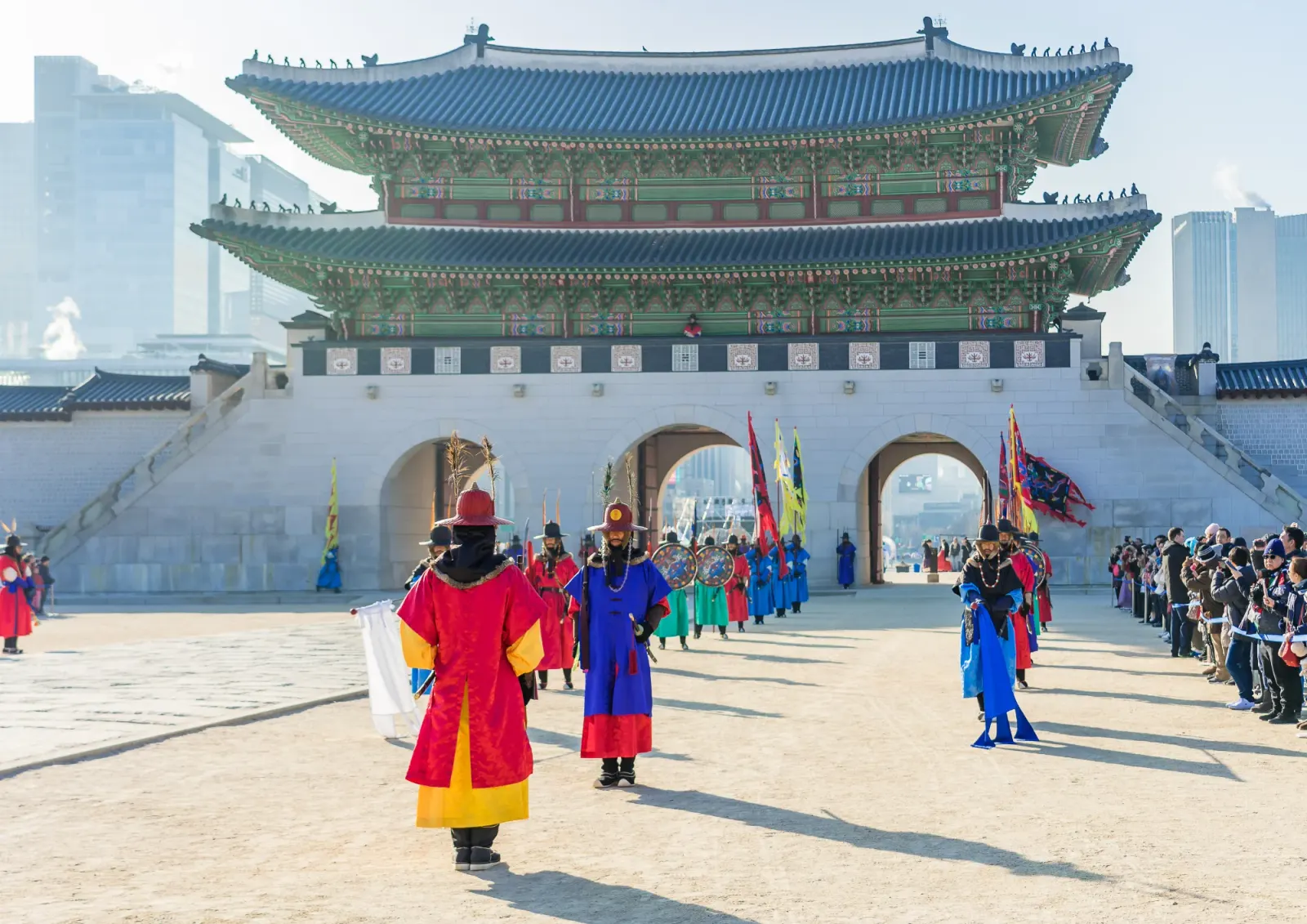
10 Reasons Why You Should Visit South Korea
One of the most exciting destinations to visit after the coronavirus pandemic is South Korea. This is a magical country that has kept its culture, traditions, and values alive throughout the years. Its distinct cuisine, modern entertainment, and signs of ancient civilizations place it among the best
Apr 13, 2021