
Celebrating Lunar New Year in Taiwan: Traditions, Taboos and Etiquette You Need to Know
Chinese New Year is a main holiday in China and has strongly influenced lunar new year celebrations in East Asian countries, including Taiwan. If it is your first time in Taiwan during Chinese New Year, this "taboos and etiquette" guide on norms and customs would surely come in handy. It is always e
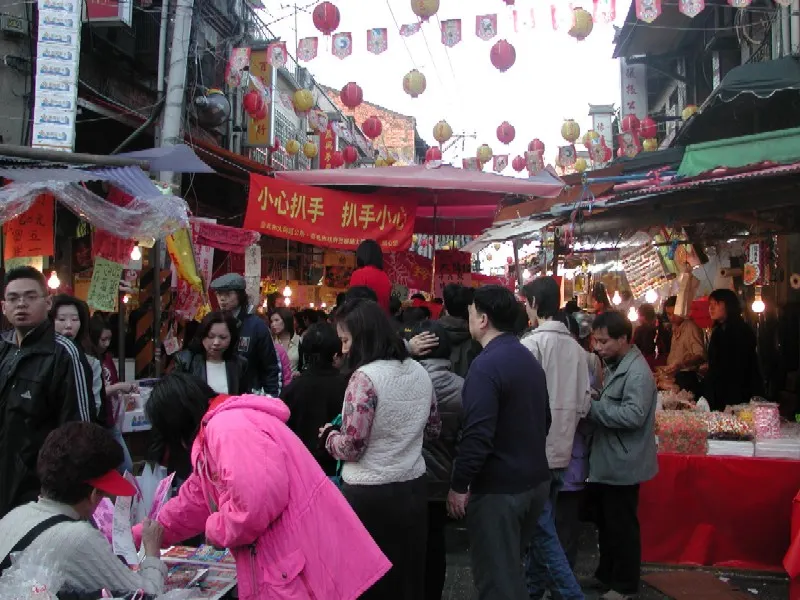
Lunar New Year (often called Chinese New Year) is the biggest holiday of the year in Taiwan. If it is your first time in Taiwan during the New Year holiday, this “taboos and etiquette” guide on local norms and customs will surely come in handy. It is always exciting to go somewhere with a completely new cultural background, but you may also be a little nervous about whether you are doing things right. As every culture has its own taboos and etiquette, it is important to respect local culture while traveling. Don’t worry: with MyProGuide’s guide to Taiwanese taboos and etiquette, you will be ready for your very first Lunar New Year in Taiwan.
First Things First: Lunar New Year in Taiwan
The date of Lunar New Year is determined by the lunar calendar, so it falls between late January and mid-February. Also called the Spring Festival, it marks the end of winter and the start of spring, and a wish for a fresh start. It is the most important festival for Taiwanese families, and the national holiday usually runs from New Year’s Eve to around the fifth day of the new year, when many shops and restaurants close and trains and buses are packed with people heading home.
Cultural Customs that are widely applied in Taiwan
1. Putting on Lucky Red Items as Chinese New Year Decorations
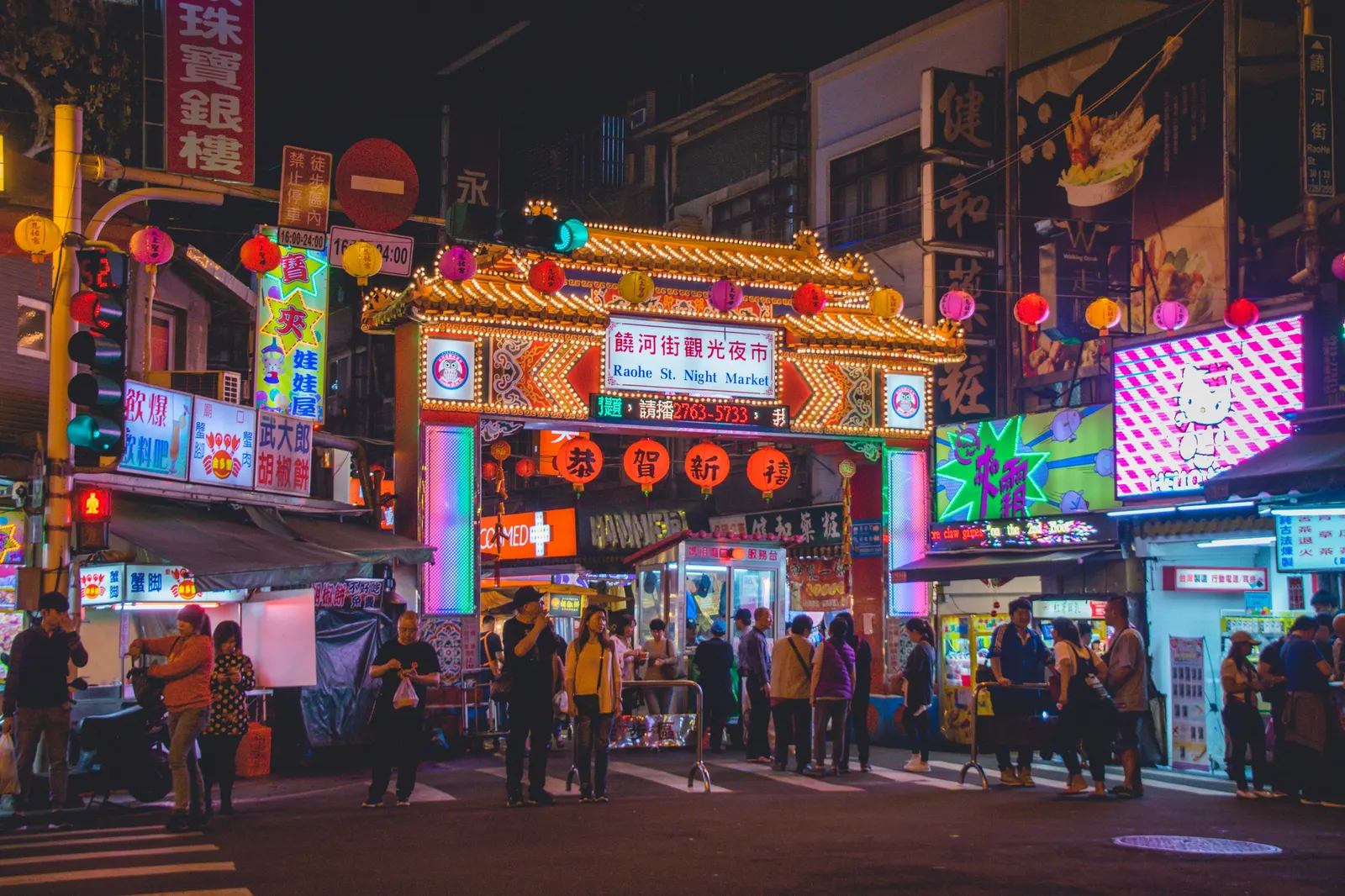
Walking in the streets during Chinese New Year, you might notice there are red items everywhere. It is because red is a lucky color in Chinese culture- a color that is believed to have the ability to drive bad luck away. During Chinese New Year, there will be many red lanterns hanging in streets and red couplets on the doors, lighting up the city with lively vibe and catchy decorations.
2. Family Gatherings on Chinese New Year’s Eve
Like most other celebrations, Chinese New Year is a time for families. During most of the year, relatives are often in different areas of the country or even abroad. However, for Chinese New Year Eve, everyone is expected to be at home to celebrate with his/her family. The dinner at Chinese New Year’s Eve is called ‘reunion dinner’. It is believed to be one of the most important meals throughout the whole year. The feast is usually prepared at home or in a fine restaurant. After the reunion dinner, families often stay up late together, chatting, playing mahjong or card games and watching the New Year’s Eve specials on local TV, waiting to welcome the new year.
3. Giving Red Envelopes
Celebrations always come with gift exchanges, and the most common New Year gifts are the red envelopes. These red envelopes are basically red envelopes with cash inside of them. They are believed to bring good luck because of the color red. Grandparents and parents usually give red envelopes to their kids. These red envelopes are called “HongBao” in Chinese, which means red packets.

4. Firecrackers and Fireworks at Chinese New Year
Nights are always busy during Lunar New Year, since there is a tradition of setting off firecrackers at the first minute of the new year to scare away bad luck. In big cities like Taipei, setting off firecrackers is now restricted in many areas, but you will still hear them around temples and in smaller towns and the countryside.
5. Plan a Huge Shopping Trip
Something fun to do on Chinese New Year in Taiwan is to go shopping. Get the New Year vibe at Dihua Street, Taipei’s most famous historical shopping street, where the New Year market usually runs for about two weeks before the holiday. When making your way through the narrow street packed with crowds, you will find mountains of dry ingredients, herbs, colorful candies, snacks you haven’t seen before, and much more. This is where you can witness the Taiwanese friendliness: the vendors from each stand will not stop giving you samples to taste!
Location: Section 1, Dihua Street, Datong District, Taipei 103
How to get to Dihua Street: Get off at Beimen Metro Station, go out from Exit 3, and walk along Tacheng Street for about 7 minutes
6. Worship the Ancestors at Temples
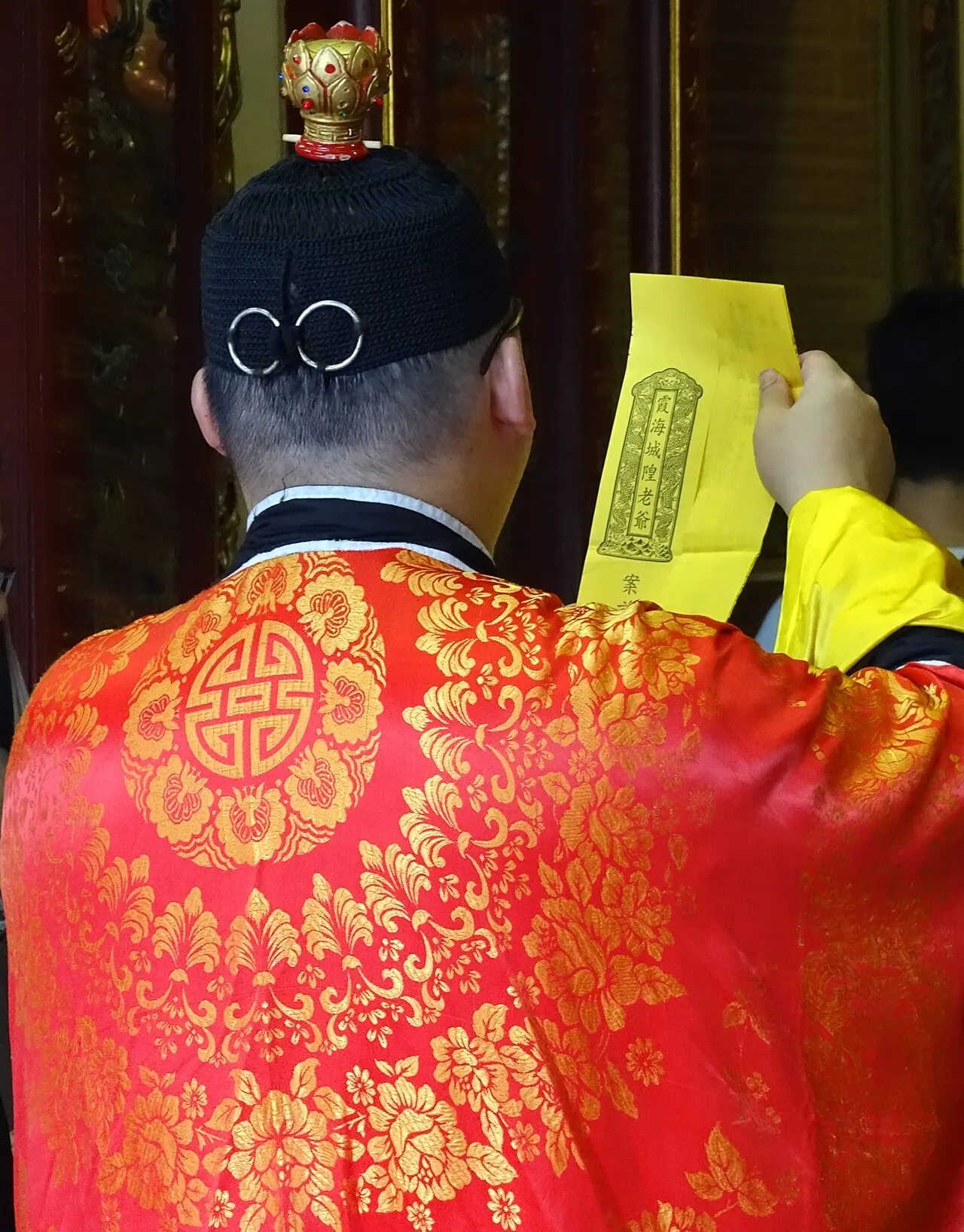
During the Chinese New Year, Taiwanese people visit temples to worship the gods and ancestors. Interestingly, Taiwan is often said to have one of the highest densities of temples in the world. This reflects the fact that local beliefs including Taoism and Buddhism play important roles in their daily lives. According to local belief, the household gods return to heaven before New Year and come back on the fourth day of the year to take care of the people. On New Year’s Day, you will see many Taiwanese flocking into temples to pray for a good year, and on the ninth day, the birthday of the Jade Emperor, “Heavenly Grandfather” (Tian Gong), many families and temples hold grand offerings to the ruler of heaven.
7. Eating with the Taiwanese: Dining Etiquette
When eating in Taiwan, chopsticks are used throughout the whole meal, starting off with breakfast to lunch to dinner, and even snacks. During the meal, chopsticks should be placed either on the side of the plate or bowl or on the top of the bowl. Yet, do remember to never stick them vertically into the bowl. Since this action looks similar to burning incense in the temples, it is regarded as taboo. Also, when eating with a bowl, remember to place the bowl near your mouth when eating from the bowl. Also, remember to use the shared pair of chopsticks if you are taking food from a shared plated when eating with others. One interesting eating tradition at the New Year’s Eve dinner is not to finish the fish, because “fish” sounds like “surplus” in Chinese: leaving some means there will be plenty left over in the year ahead.
8. Don’t Open Gifts in Front of Others
Westerners usually open gifts in front of others and openly express how they appreciate the gifts they’ve just received. However, unlike Western culture, Asians in general are more reserved. When giving and receiving gifts in Taiwan, remember to use both of your hands, as using one hand is considered impolite. Also, Taiwanese don’t usually open gifts in front of the giver. They usually hold their excitement until getting home. Avoid giving certain gifts to Taiwanese, like clocks and handkerchiefs. Handkerchief implies that the receiver might have reasons to cry. Another inappropriate gift option is clocks. Since “giving a clock” in Chinese sounds exactly like “attending a funeral”, it carries an unlucky meaning behind it.
9. Four is Regarded as an Unlucky Number
In Taiwan, many people try to avoid the number four, for example in phone numbers, license plates and room numbers. Don’t be surprised if some buildings, elevators or hospitals skip the fourth floor. Four is associated with death, because the Chinese translation of the number “four” has a similar pronunciation with the Chinese translation of the word “death”. Many Taiwanese see it as unlucky. In some formal restaurants, you might even hear them saying “three plus one?” instead of saying “a table for four”.
Before traveling abroad, a little effort in learning the culture, customs and etiquette in advance is always appreciated. Not only is it a way to show respect, but also a way to avoid awkward situations. After knowing more about the taboos and etiquette in Taiwan during Chinese New Year, you are now fully prepared to enjoy your trip to Taiwan during Lunar New Year! Read more: 10 Must-Know DOs And DON’Ts During Chinese New Year in Taiwan and Must-Visit Chinese New Year Market.
Cover photo: Allentchang, CC BY-SA 3.0, via Wikimedia Commons
Comments
Be the first to leave a comment.
Leave a comment
Related posts
Becoming a Tour Guide in Taiwan
“It’s never too late to have a life you love. Don’t ever feel like you’ve missed the boat, don’t have what it takes or can’t achieve your dreams. Instead of removing your dreams, remove the doubts and fears keeping you from them. It’s never, ever too late.”
Jan 8, 2022

7 Reasons to Fall in Love With Amsterdam
The city’s olive-green canals and handsome gabled mansions are indeed beautiful, but perhaps above all, it’s the flavour of the city that appeals – its inhabitants a creative and imaginative bunch who quite simply bring the place alight. Young Amsterdammers were energized, and the hippy movement inf
Dec 28, 2021

8 Most Magical Christmas Markets Waiting for You to Explore
Culture and traditions often hold special meaning for people because such events trigger memories and a sense of belonging within a certain society. One of Christmas’s most loved traditions is to shop at Christmas markets. It is the one place that is merrier than your own home decor. They are packed
Dec 11, 2021