
14 Must-Try Korean Dishes
There are a number of dishes that can allow you to explore the culture through the food it offers. Dishes like kimchi, bibimbap, and bulgogi are sure to impress! South Korea is the place to visit over and over again. There are so many cities to choose from. But how do you experience culture in one day?
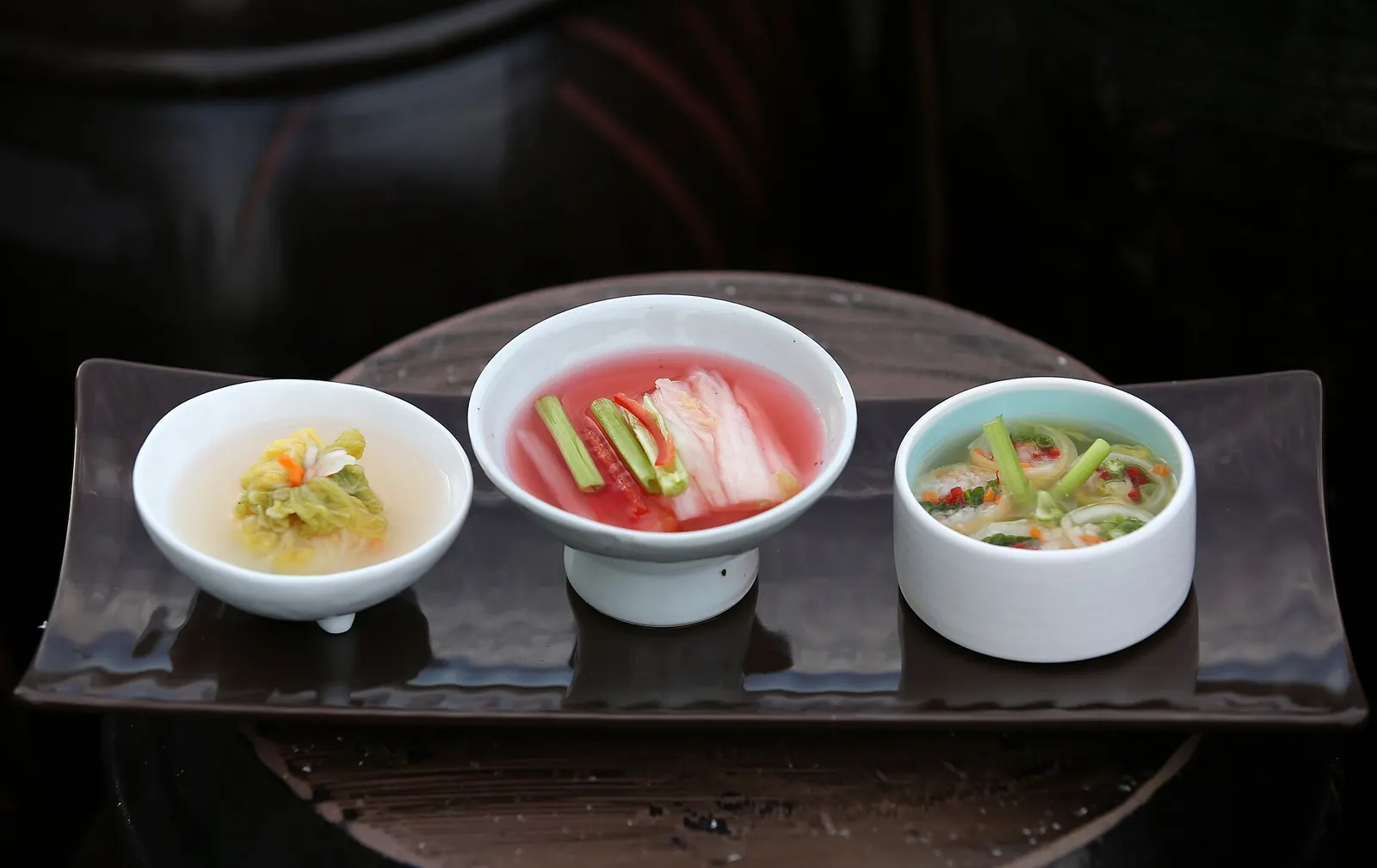
There are a number of dishes that can allow you to explore the culture through the food it offers. Dishes like kimchi, bibimbap, and bulgogi are sure to impress! South Korea is the place to visit over and over again, and there’s a lot of culture in its food! Food plays a big role in the daily life of South Koreans, and with good reason! Korean food is absolutely delicious. Rice, vegetables, and meats are most often used in preparing a variety of regional dishes like kimchi, gimbap, and japchae, to name a few. Street food is very popular across South Korea and at stalls scattered all over, you can sample freshly made vegetarian and non-vegetarian dishes. Here are 14 must-try dishes in South Korea:
Hotteok (sweet syrupy pancakes)
A popular Korean street food, especially during the winter season. It is essentially flat, circular dough that is filled with a mixture of cinnamon, honey, brown sugar, and small pieces of peanut and cooked on a griddle. The delicacy has a crunchy exterior and soft interior as well as an irresistible flavor.
Kimchi (fermented vegetables)
One of the oldest and probably the most essential dishes in Korean cuisine, kimchi is a spicy and sour dish made up of fermented vegetables. It is prepared with various kinds of ingredients, but the most common main ingredient is cabbage.
Ddukbokki (spicy rice cake)
Also spelled tteokbokki, is a common spicy Korean food made of cylindrical rice cakes, triangular fish cake, vegetables, and sweet red chili sauce.
Sundubu-jjigae (soft tofu stew)
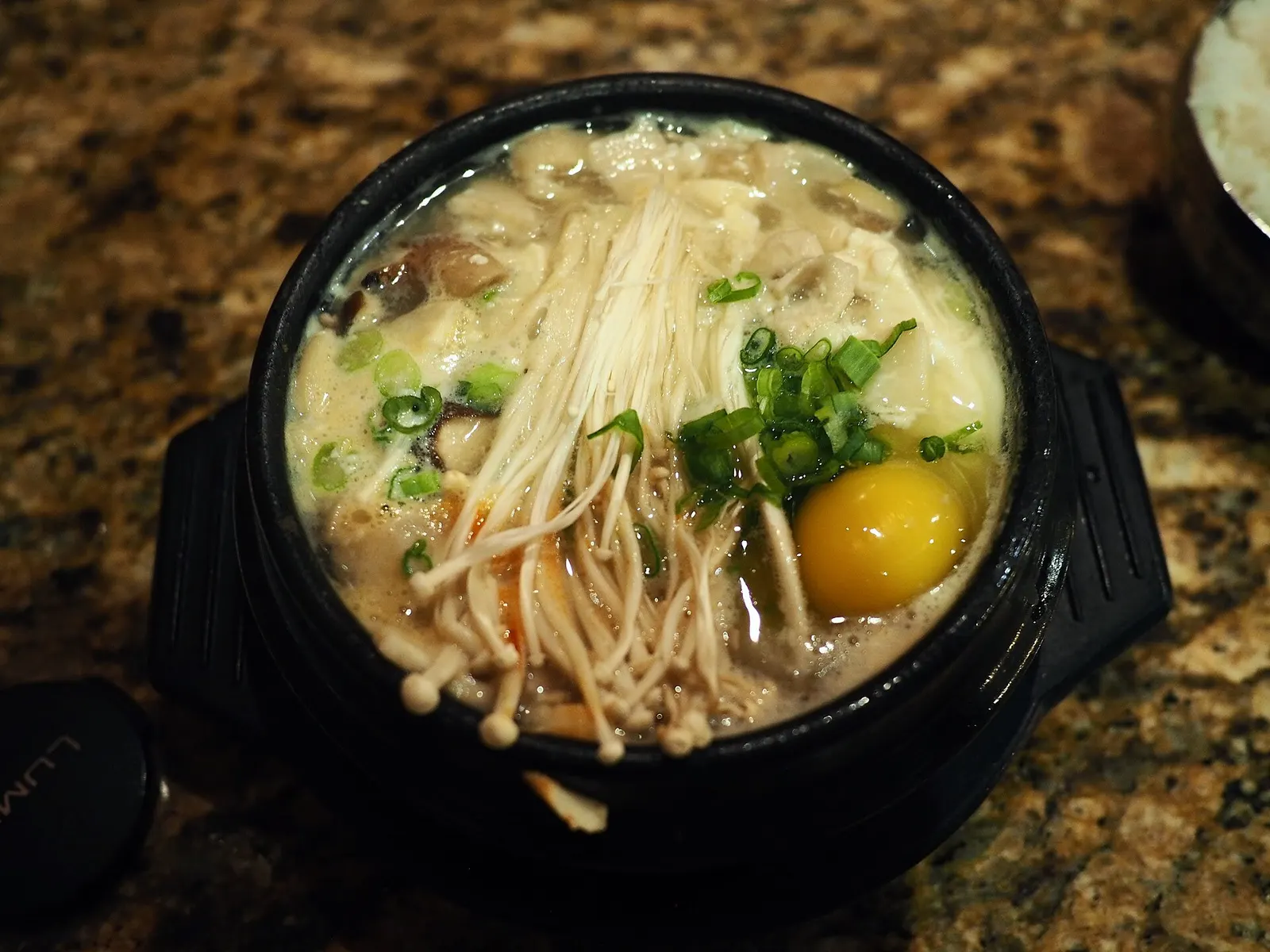
Served in a large stone bowl, sundubu-jjigae is a common spicy Korean stew generally made of dubu (tofu), vegetables, mushrooms, seafood, beef or pork, and gochujang (chili paste).
Bibimbap (mixed rice)
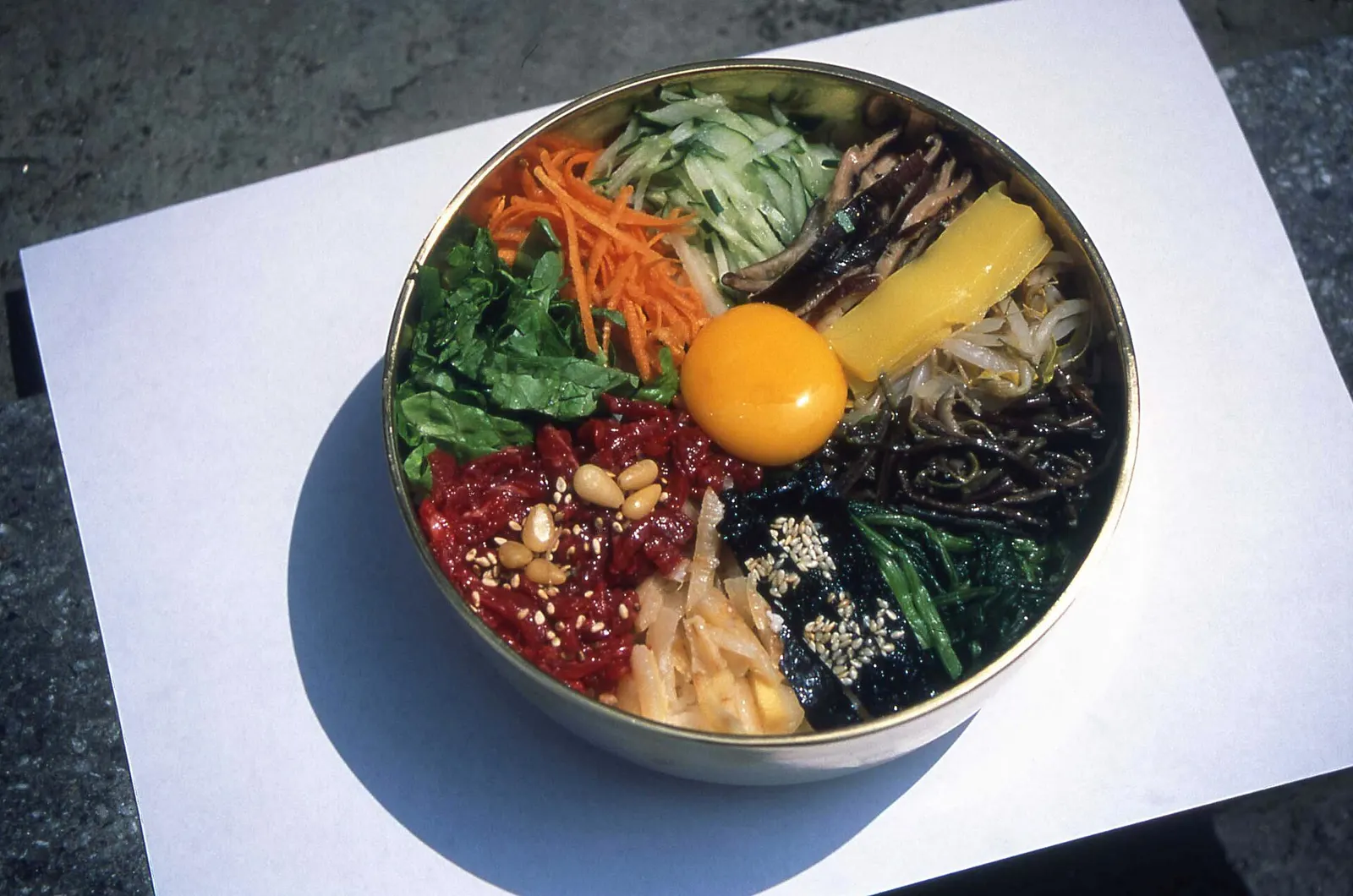
A bowl of mixed ingredients including, but not limited to, rice, namul (seasoned and sautéed vegetables), mushrooms, beef, soy sauce, gochujang (chili pepper paste), and a fried egg. The ingredients found in bibimbap vary by region.
Seolleongtang (ox bone soup)
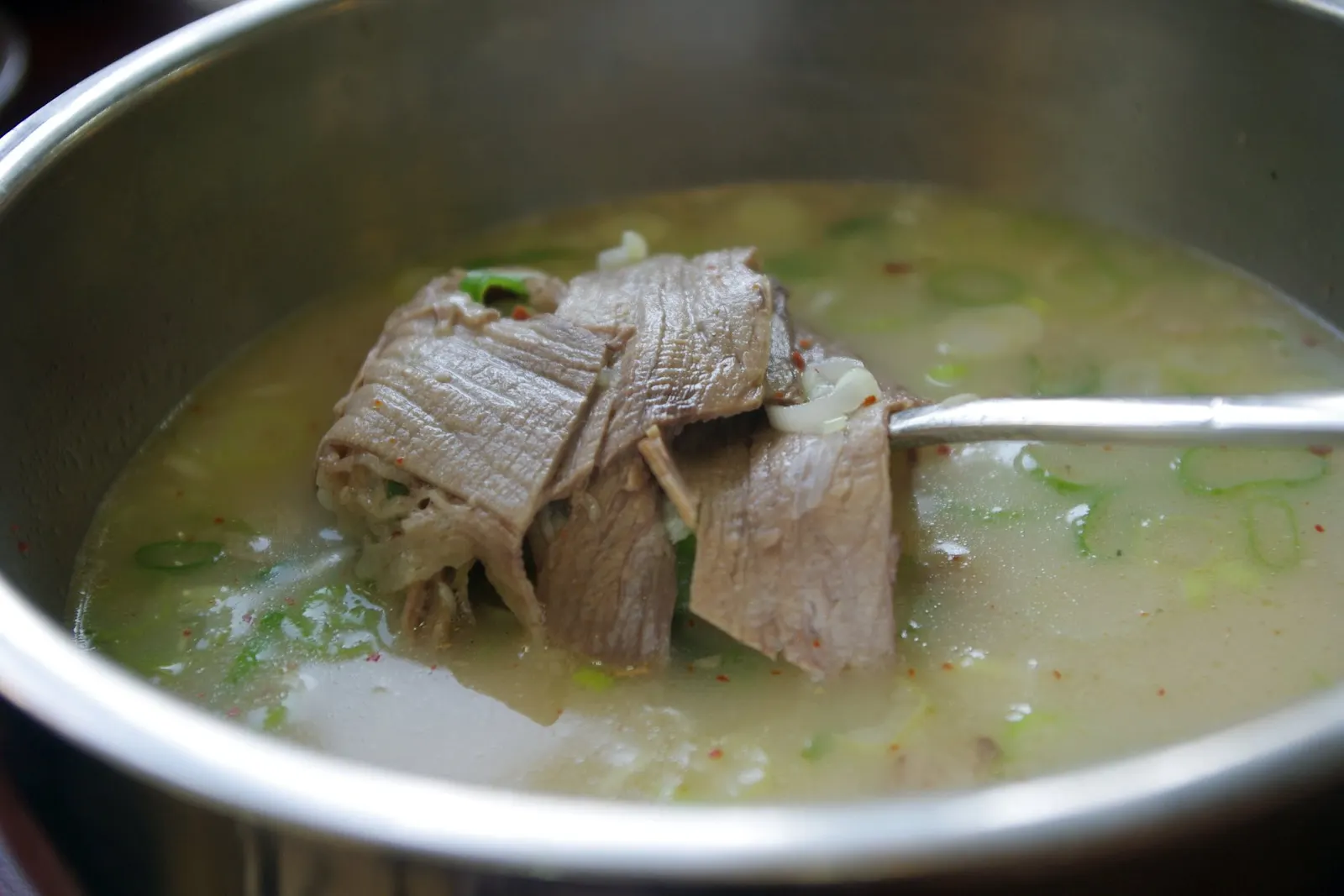
A traditional hot Korean soup made from ox bones, ox meat, and briskets, seolleongtang is a local dish of Seoul, often seasoned with salt, ground black pepper, chopped green onions, or minced garlic according to the consumer’s taste. The broth is of a milky white, cloudy color and is often eaten with rice.
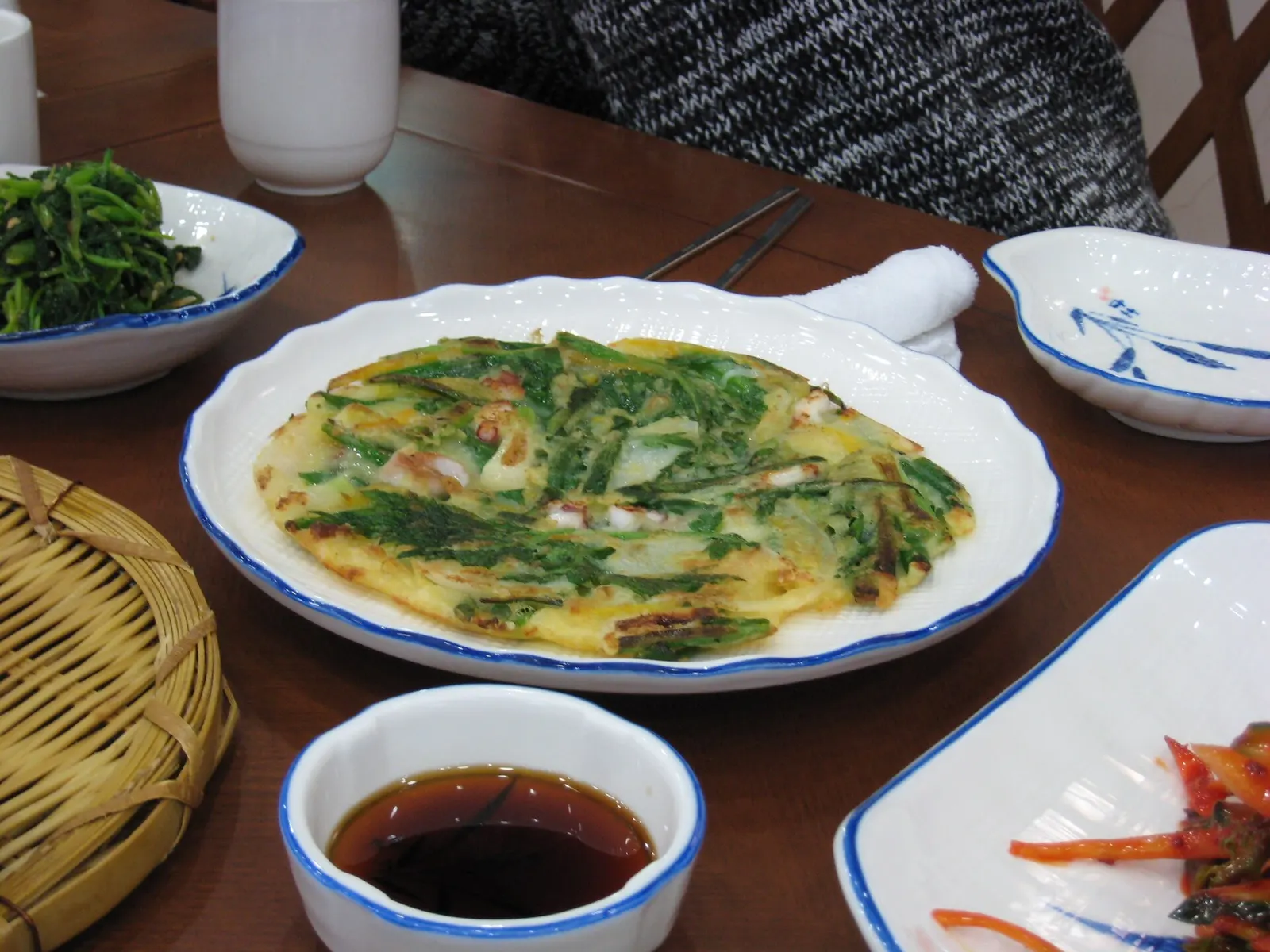
Haemul Pajeon (seafood vegetable pancake)
A pancake-like Korean dish made predominantly with green onions, egg batter, wheat flour, and rice flour, haemul pajeon incorporates seafood to the common pancake. Common seafood ingredients used include, but are not limited to, oysters, shrimp, squid, and clams. Haemul pajeon is often shared as a main dish or a side with drinks and is known for its soft and chewy texture as well as its mixture of seafood flavors.
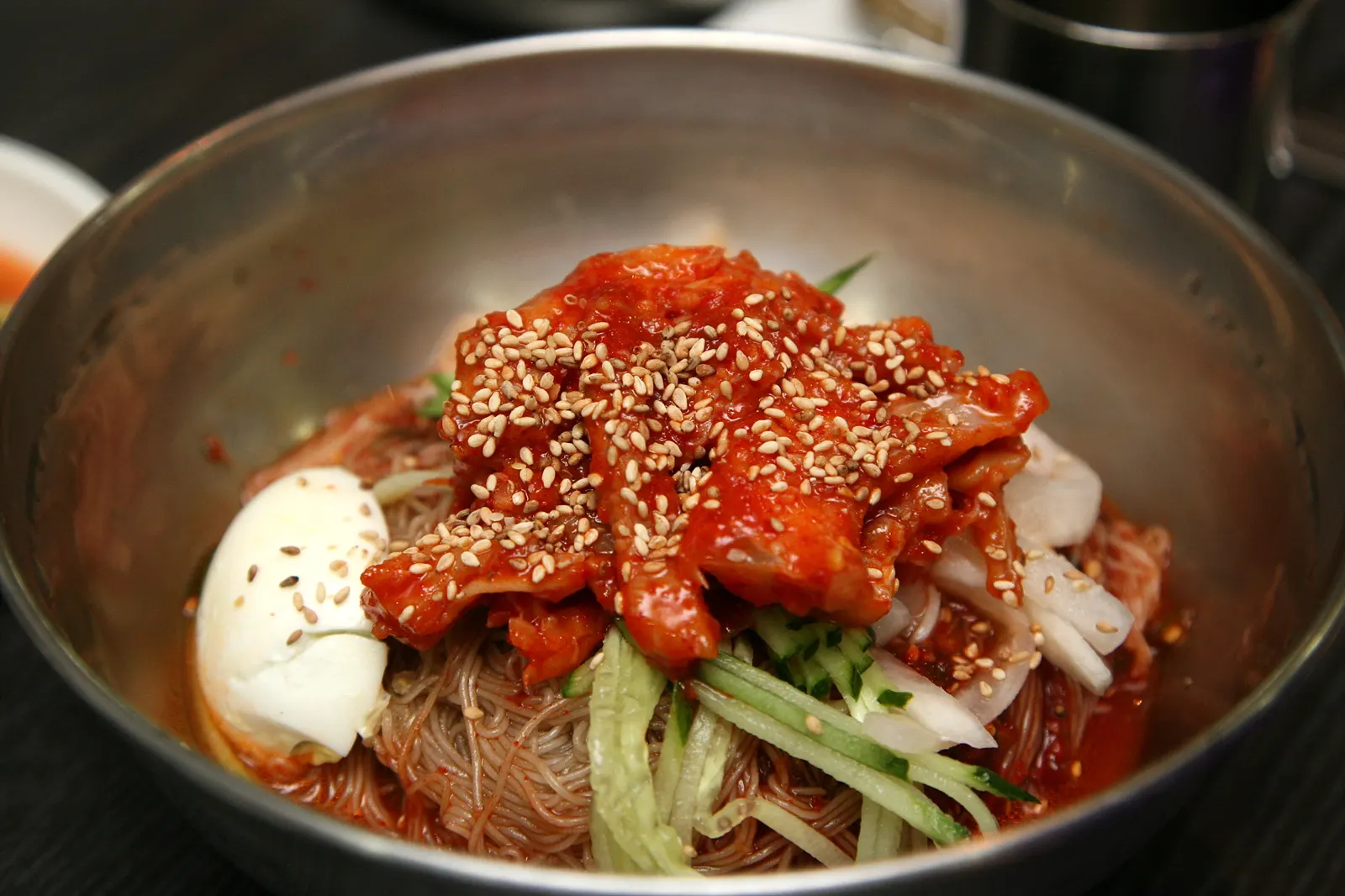
Naengmyeon (cold buckwheat noodles)
A common cold Korean noodle dish that consists of long, thin noodles, cucumbers, slices of Korean pear, slices of beef, and a hard-boiled egg. The noodles are often made of buckwheat, potatoes, and sweet potatoes, but can also be made of arrowroot and kudzu, depending on the type of naengmyeon. It is especially popular in summer, when it helps you cool off in Korea’s hot, humid weather.
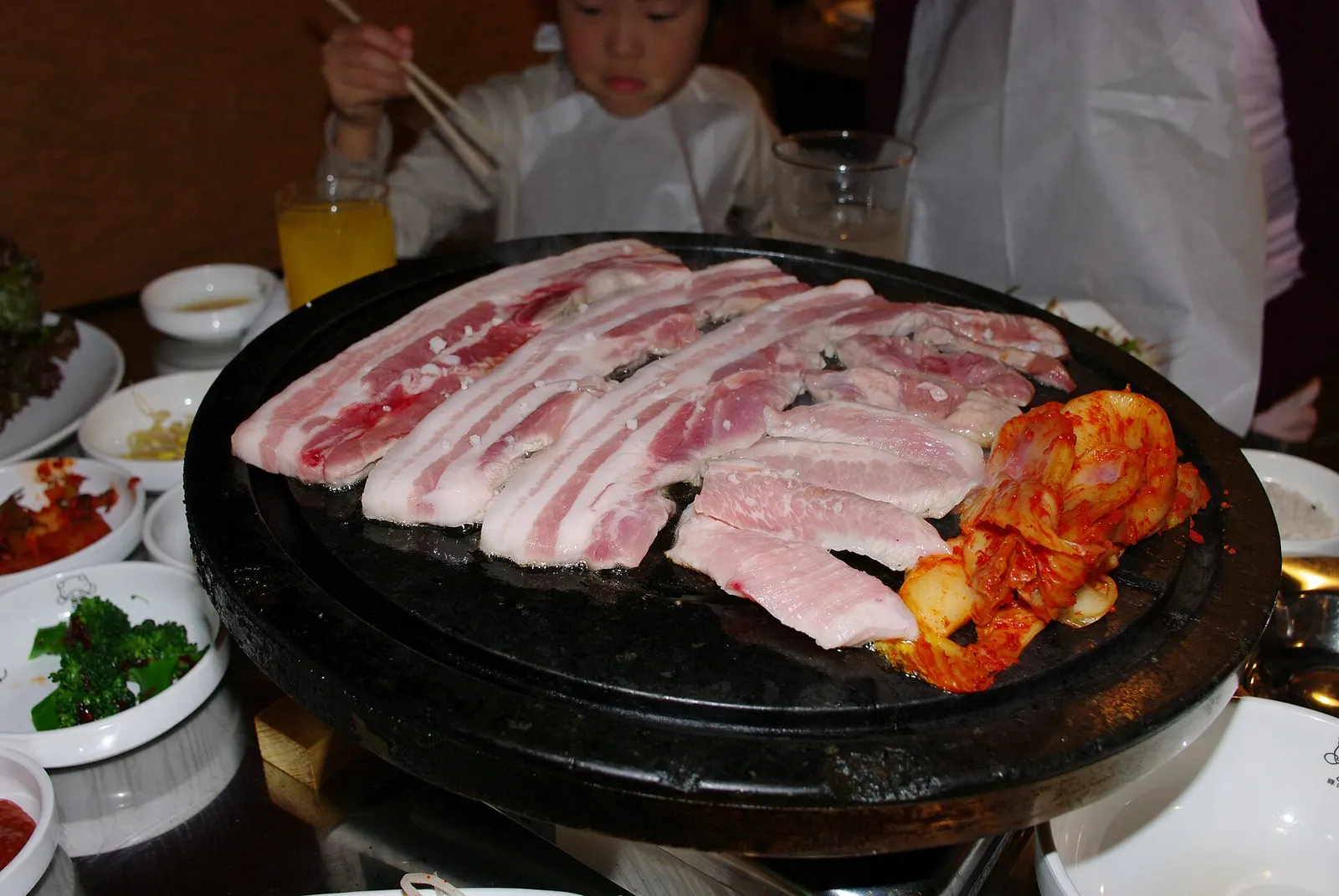
Samgyeopsal (Korean BBQ)
Koreans have a thing for pork. And, Samgyeopsal is their style of BBQ. If you are a non-vegetarian with an affinity for pork meat, you ought to try Samgyeopsal. The dish is simply thick slices of unmarinated pork belly grilled at your table. The strips are dipped in sesame oil with salt and pepper and wrapped in lettuce with garlic, ssamjang (dipping paste) and onion. It is a popular Korean meal.
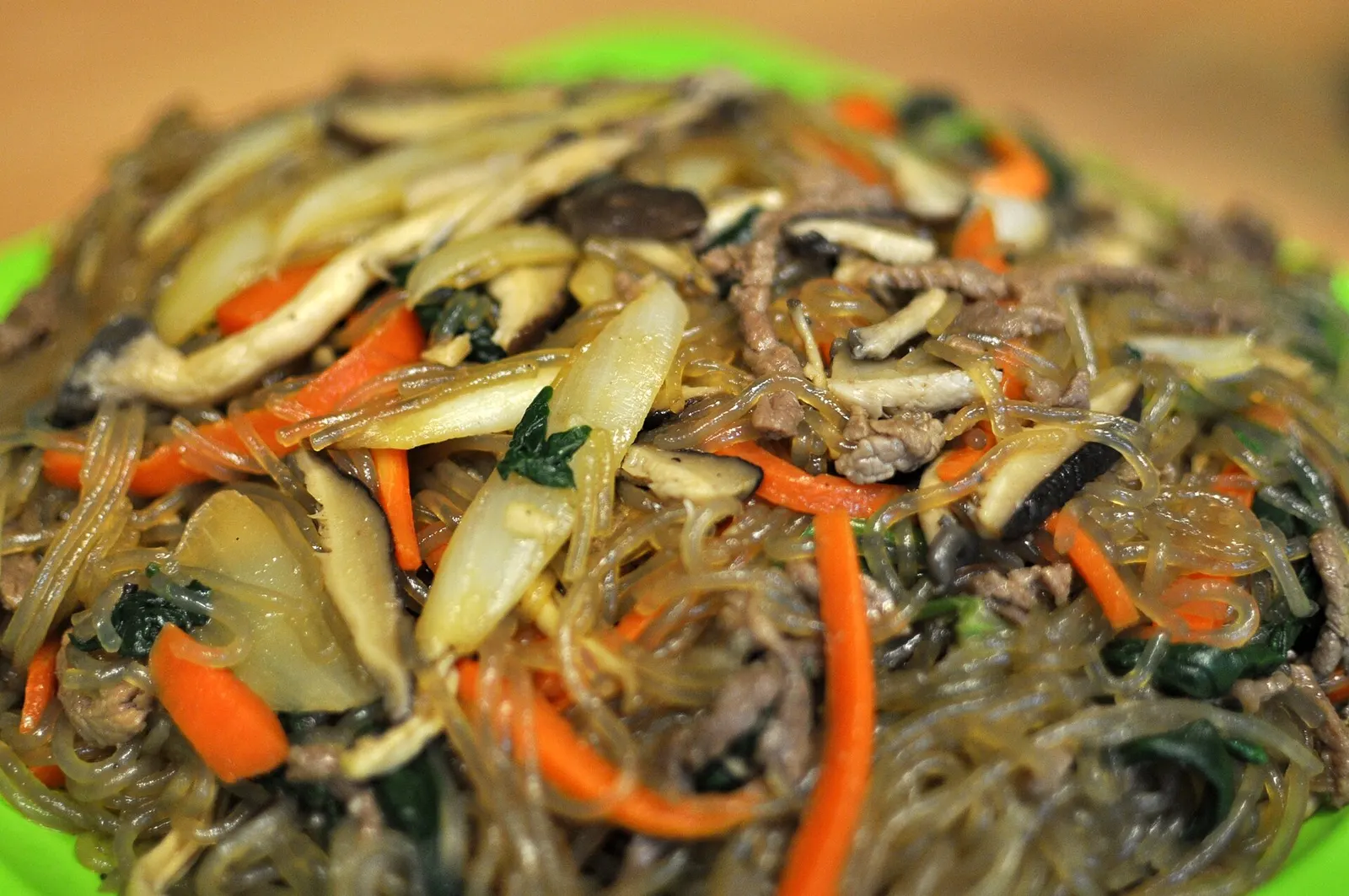
Japchae (Stir-Fried Glass Noodles)
Arguably Korea’s favourite noodle dish, Japchae is made up of glass noodles stirred in sesame oil with beef, mushrooms, and an assortment of other vegetables. These clear, thin noodles are made with sweet potato.
Haejang-guk (Hangover Stew)
South Korea’s hangover culture is equally developed as its drinking culture. There are several kinds of haejang-guk, soups eaten the morning after a night of drinking. A common version is made from beef broth along with cabbage, radish, bean sprouts, spices, and other food items that enhance the flavor of this stew.
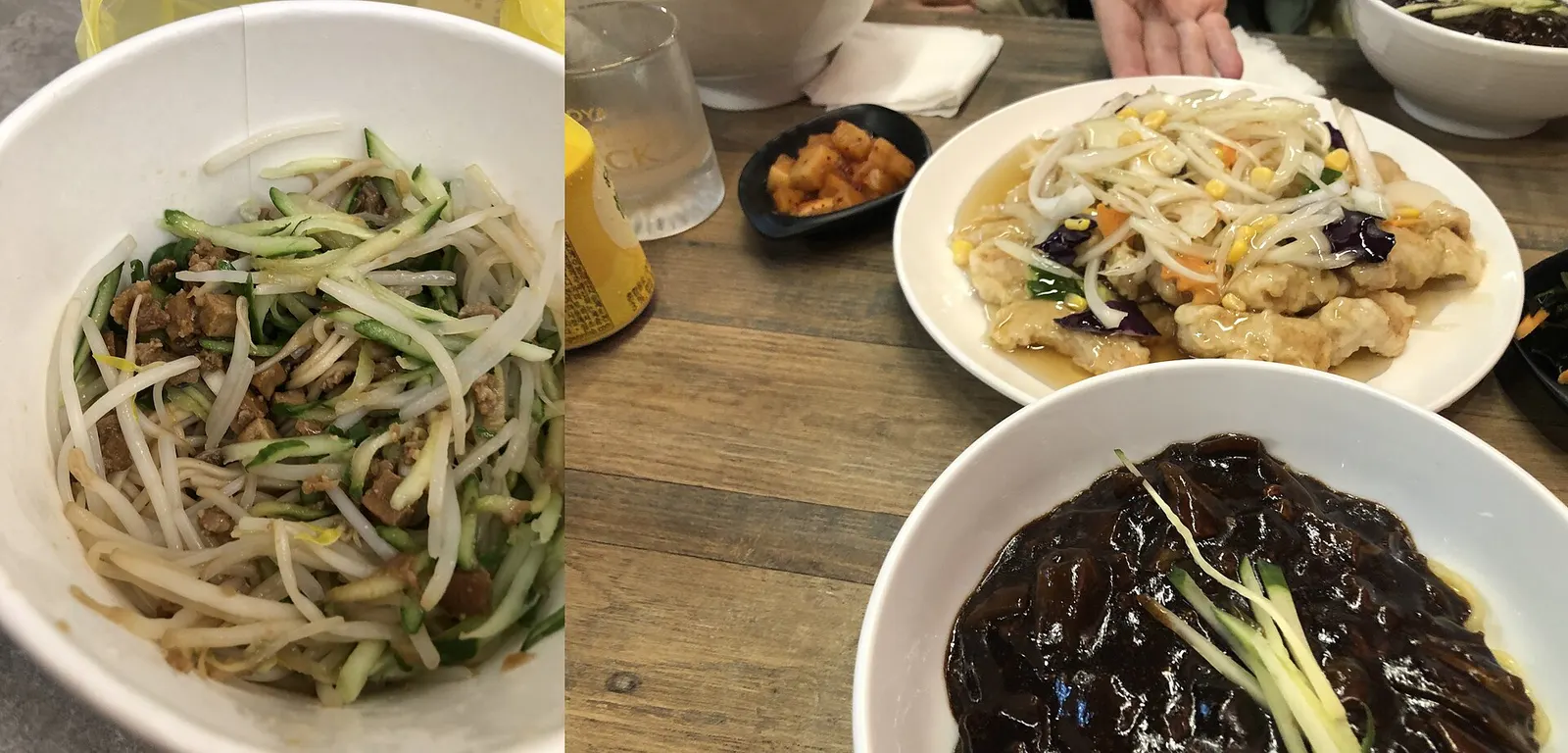
Jjajangmyeon
Originally a Chinese dish, jjajangmyeon (noodles in black bean sauce) was adapted by Koreans into their own thicker, sweeter version. It is one of the most popular delivery foods in Korea, and a classic choice on moving day.
Chimaek
Short for “chicken” and “maekju” (beer), chimaek is the beloved Korean combination of crispy fried chicken and cold beer. Try it with yangnyeom (sweet and spicy glazed) chicken, ideally with friends at a casual chicken pub or by the Han River.
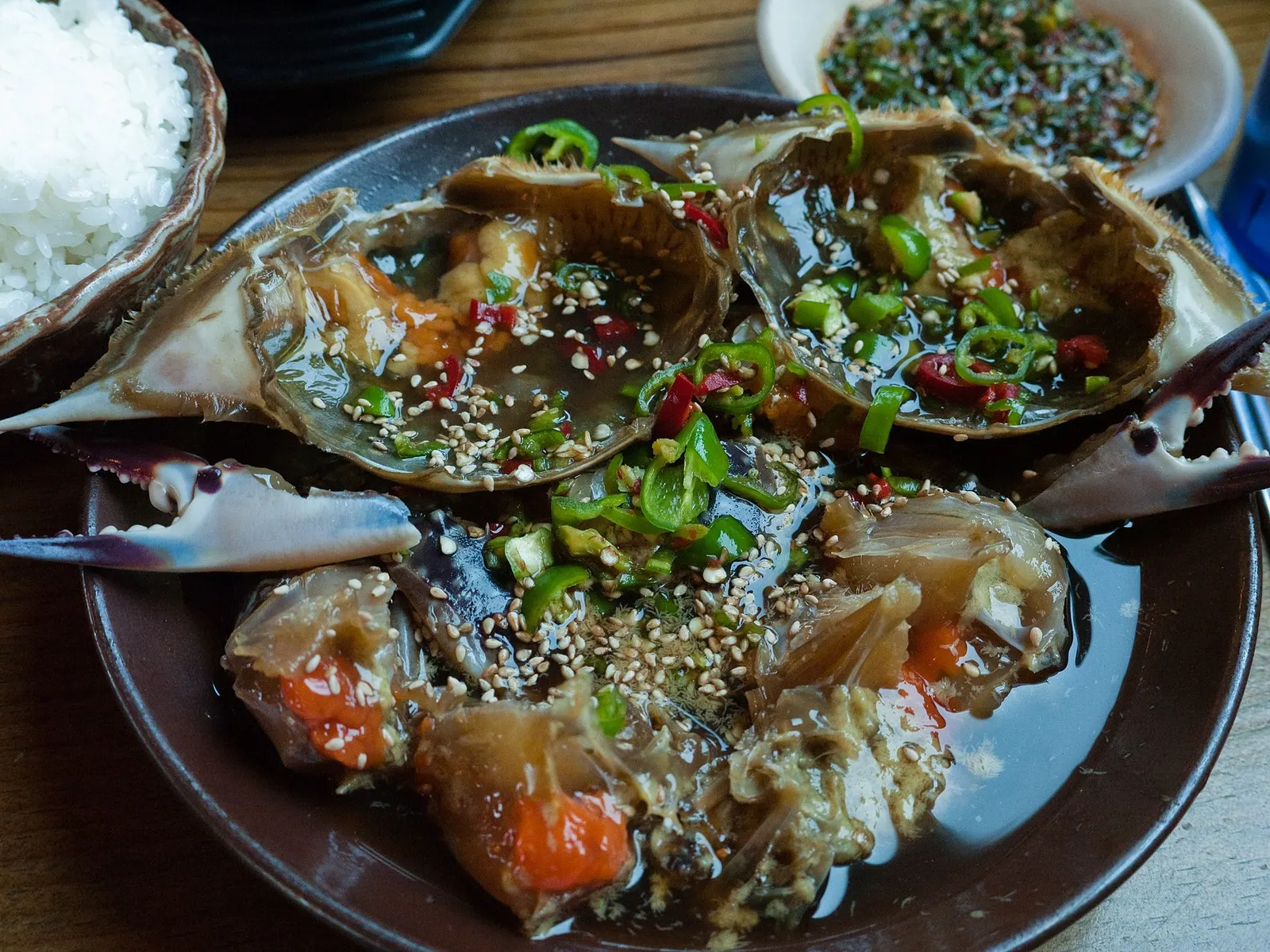
Soy Sauce Crab
Crab marinated in soy sauce or ganjang gejang is an addictive food for Koreans. It has a savory, slightly sweet and briny taste and is eaten raw and cold, usually with rice. If you like to try new foods, this one is definitely for you, though the texture can surprise first-timers.
If you're interested in traveling, then South Korea should definitely be on your list of destinations to explore. From its long history to its four distinct seasons, there is a lot to discover, and foodies are sure to love the delicacies South Korea has to offer. Want a local to take you to the best spots? Browse our South Korea tours or find a local guide.
Comments
Be the first to leave a comment.
Leave a comment
Related posts
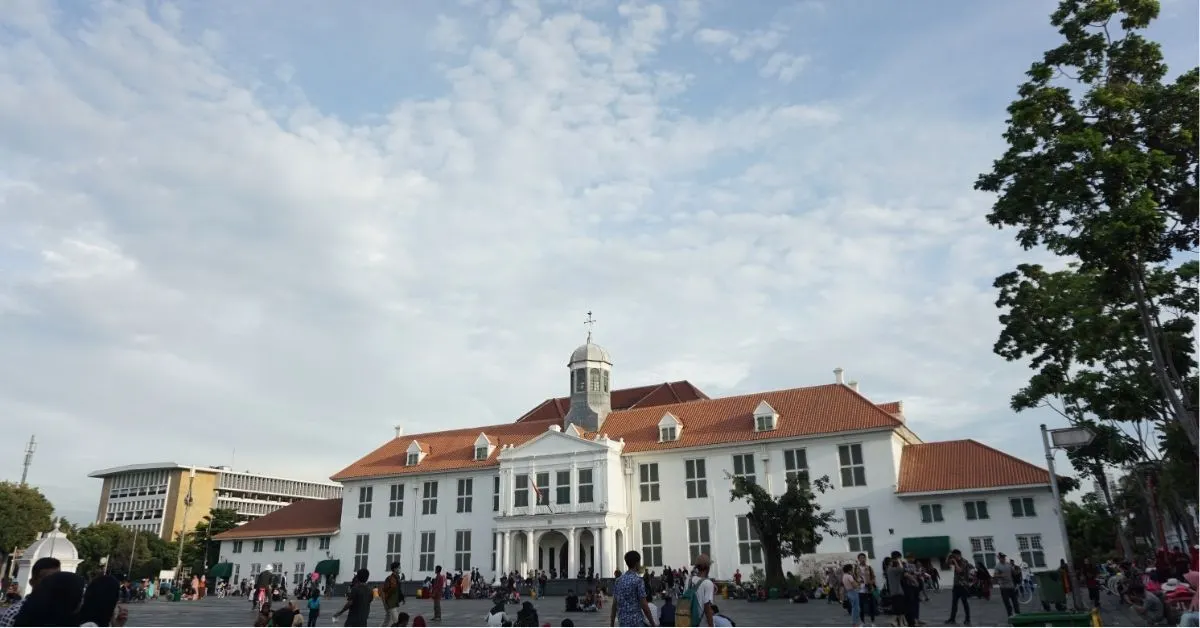
Finding Treasures in Old Town Jakarta: Things To Do In Kota Tua Jakarta
Kota Tua Jakarta ("Jakarta Old Town" or "Old Town Jakarta"), officially known as Kota Tua, is a neighborhood comprising the original downtown area of Jakarta, Indonesia.
Apr 20, 2021
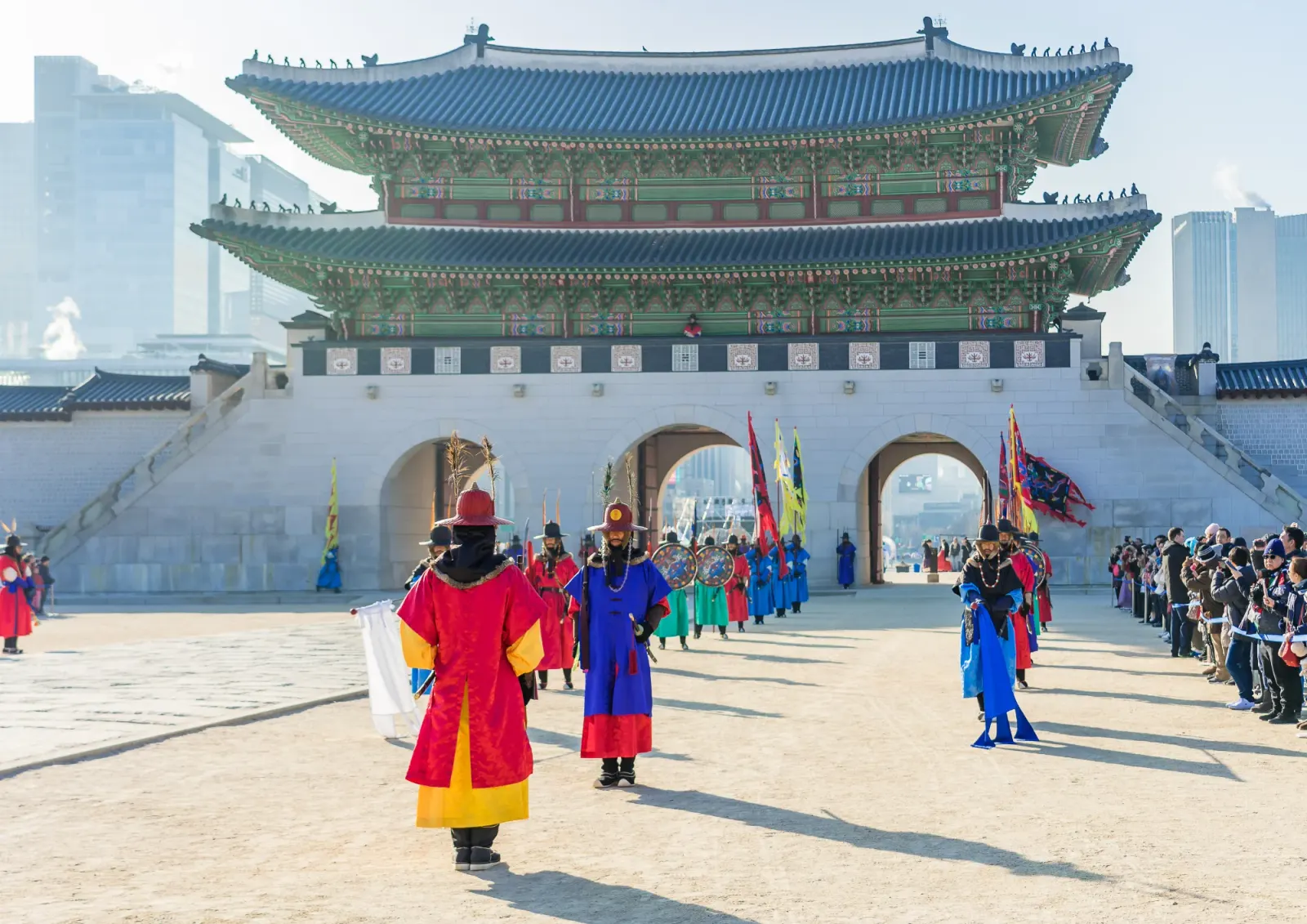
10 Reasons Why You Should Visit South Korea
One of the most exciting destinations to visit after the coronavirus pandemic is South Korea. This is a magical country that has kept its culture, traditions, and values alive throughout the years. Its distinct cuisine, modern entertainment, and signs of ancient civilizations place it among the best
Apr 13, 2021
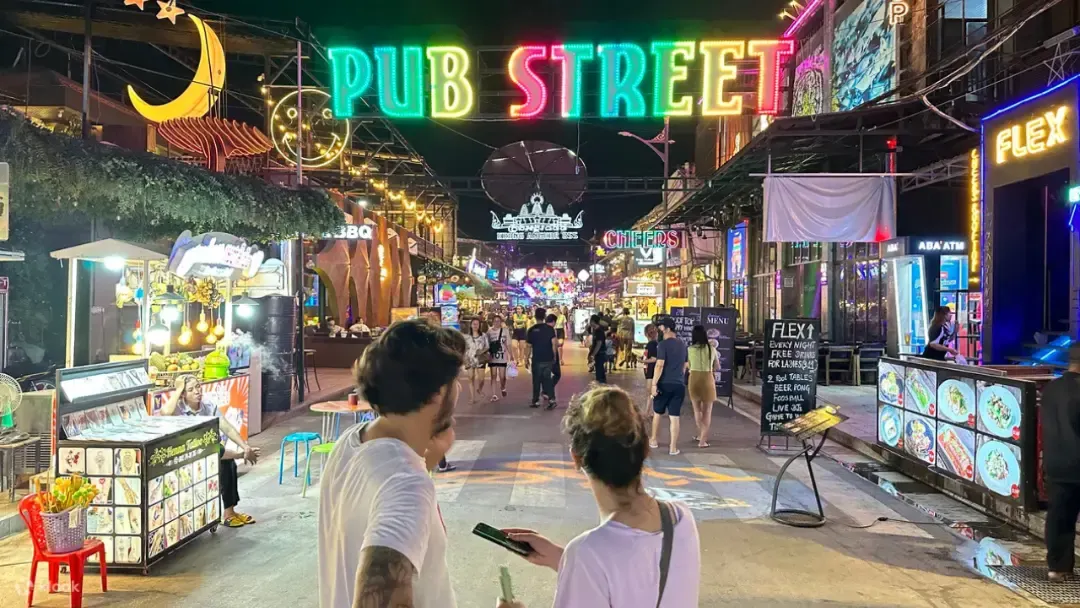
Siem Reap, Cambodia: What to Do Besides the Temples
Cambodia is a country in Southeast Asia best known for its temples and turbulent recent history. Siem Reap is located in the northwestern portion of Cambodia, and is the gateway to the greater Angkor region, the former capital of the Khmer Empire. The temples of Angkor are surely the highlight of Si
Mar 23, 2021