
First Time in Taiwan: Taboos and Etiquette You Need to Know
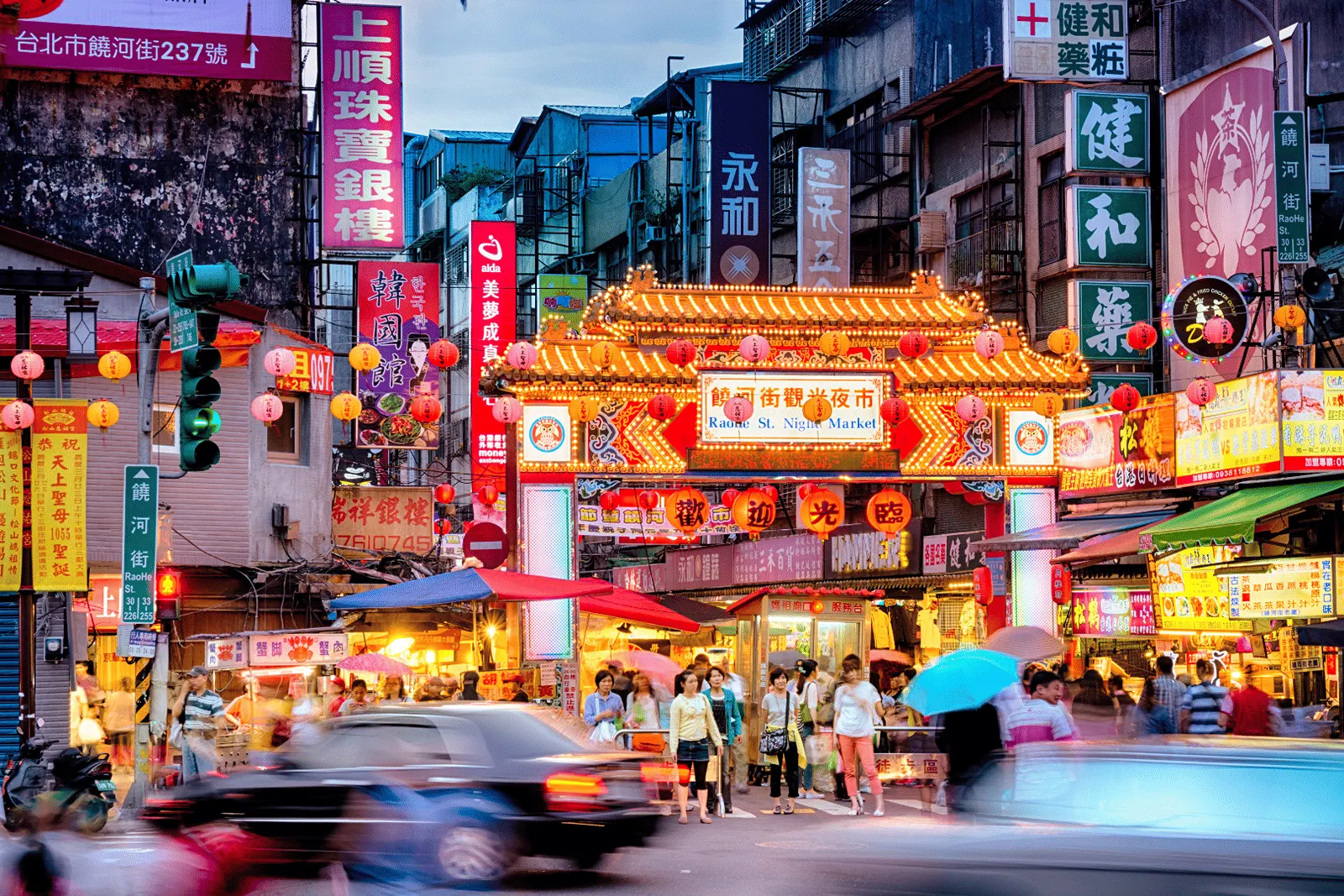
It is always exciting going somewhere with a completely new cultural background. Yet, thrilled and excited as you are, you are somehow at the same time nervous whether if you are doing things right. As every culture has its own taboos and etiquette, it is important to respect local culture while traveling. Don’t worry, by going through the guide about Taiwanese taboos and etiquette, you will surely be ready for your very first trip to Taiwan.
To start with, let’s start with a brief introduction to its historical background
You Might Also Be Interested In 8 Things You Should Know Before Traveling to Taiwan
In Taiwan, the local culture has its traditional Chinese roots blending with a little bit hint of European colonization and finished up with Japanese influence due to its 50 years of colonial rule. As a modern country, it is open up to many diverse immigrants and tourists. While Taiwanese people are famous for being generally friendly to foreigners and open-minded, many customs, taboos, and etiquettes are yet practiced and should be surely respected.
First time Meeting the Taiwanese: Greetings
Although handshakes are the most usual form of greetings, when friends and acquaintances meet, a slight head bow or a wave with a “hi” or “hey” will be enough. Asking “how are you”, which is “ni hao ma?” in Chinese, is a way of starting small talk. However, as you might know, Taiwanese LOVE to eat, so “have you eaten?”, “chi fan le ma?” in Mandarin or “chiah-pá--bē?” (吃飽未) in Taiwanese Hokkien, is an even more common greeting among Taiwanese, especially older people. It is just a friendly hello, not an invitation to lunch!
Eating with the Taiwanese: Dining
When eating in Taiwan, it is likely to use chopsticks in any situation, starting off with breakfast, lunch, dinner, even snacks. So, most of the time, during the meal, chopsticks are placed either on the side of your plate or bowl or on the top of the bowl. Yet, do remember never stick them vertically into the bowl. Since this action looks similar to burning incense in the temples- it is regarded as a taboo. Also, while eating with a bowl, remember to have it in your hand near your mouth. Also, remember to use the shared pair of chopsticks if you are taking food from a shared plated while you are eating with others.
Giving Gifts:
Unlike western culture, westerns usually open gifts in front of the people and express how they appreciate it. Asians, in general, are more reserved. When giving and receiving gifts in Taiwan, remember to use both of your hands, using one hand is considered impolite. Also, Taiwanese don’t usually open the gifts in front of the giver, they usually hold their excitements until getting home. For Taiwanese, avoid giving gifts to Taiwanese like clocks and handkerchief. Handkerchief implies that the person might have reasons to cry. Another inappropriate gift option is clocks, since “giving a clock” in Chinese sounds exactly like “attending a funeral”, it carries unlucky meanings behind.
Four is Regarded as an Unlucky Number
In Taiwan, the presence of number four is avoided in most public including buildings, phone numbers, hospitals, licenses, or even identity cards. Now you won’t wonder why some elevators have no button for the 4th floor. It is because the word for four sounds similar to the word for “death” in Chinese, so it is associated with bad luck. For the same reason, many hospitals skip the number 4 for floors and rooms.
Transportation: Taking Metro in Taiwan
Taiwan has prevailed with Confucianism thinking, and it is therefore important to respect the elders. While taking the metro, do offer your seat to the elders and pregnant women, whether on the bus, MRT or train. Warning: you might be scolded if you let a grandma remain standing in front of you sitting on the seat of public transportation! On escalators, many people still stand on the right and walk on the left out of habit, but Taipei Metro now asks everyone to stand still and hold the handrail rather than walk, so don’t push past people. And inside the paid area of the Taipei, Taoyuan and Kaohsiung metro systems (stations and trains), eating, drinking and chewing gum are not allowed, even a sip of water, and offenders can be fined NT$1,500 or more.
While traveling abroad, a little effort in learning the culture, customs and etiquette in advance is always appreciated. Not only is it a way to show respect, but also a way to avoid awkward situations. After knowing more about taboos and etiquettes in Taiwan, you are now fully prepared to enjoy your trip to Taiwan thoroughly!
Want someone to show you the ropes? Explore Taiwan with a local guide.
Comments
Be the first to leave a comment.
Leave a comment
Related posts
Becoming a Tour Guide in Taiwan
“It’s never too late to have a life you love. Don’t ever feel like you’ve missed the boat, don’t have what it takes or can’t achieve your dreams. Instead of removing your dreams, remove the doubts and fears keeping you from them. It’s never, ever too late.”
Jan 8, 2022
Why should every Muslim travel to Taipei?
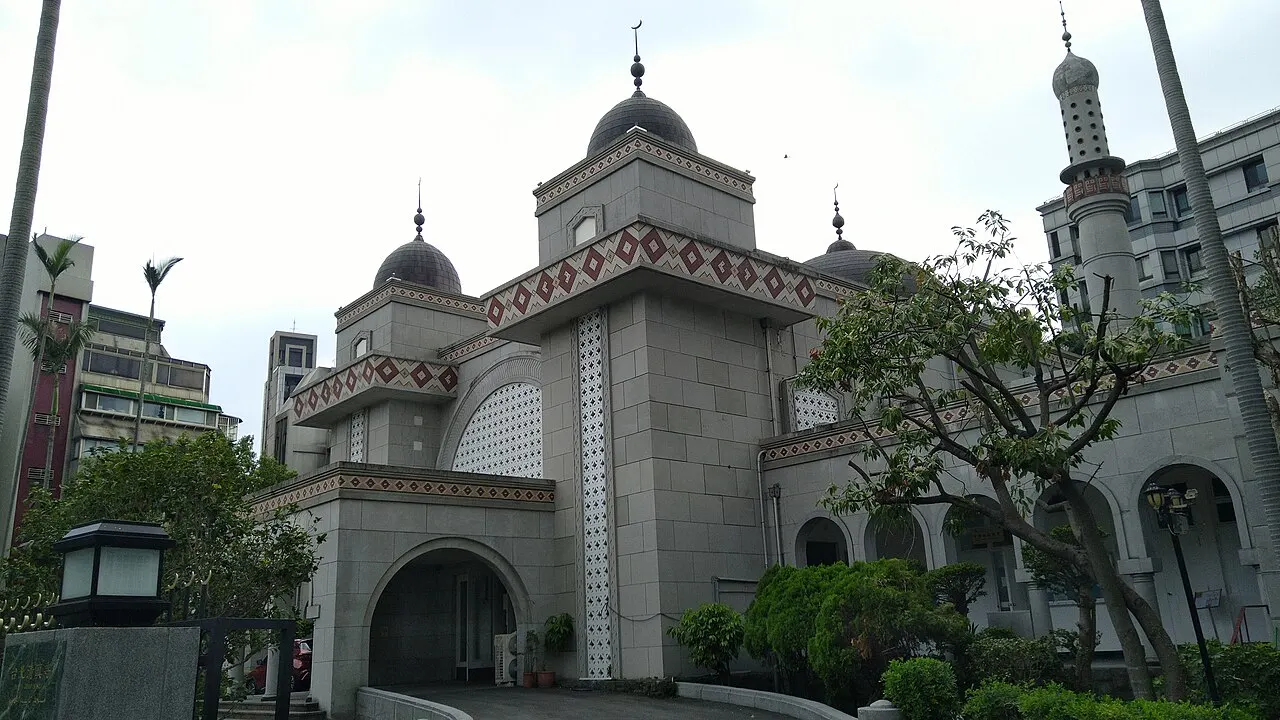
Photo by Hasan Almasi on Unsplash Taipei City is the capital city of Taiwan, a state in East Asia bounded by China, Japan and the Philippines. It is the political, economic, educational and cultural centre of Taiwan (or more correctly The Republic of China), a modern metropolis with a thriving econo
May 11, 2021

Taipei 101 Guide: Dining and Things to Do Nearby
If you ever visit Taiwan, this is the place you wouldn’t want to miss! The one and only: Taipei 101. The Taipei 101 is a super skyscraper in Taipei‘s business district with a building function that serves as a modern technological marvel, a tourist attraction, and office building.
Apr 27, 2021