
Malaysia Travel Guide: Everything You Need to Know About Malaysia Before Traveling There
When it comes to Southeast Asia travel, you might encounter several options to choose from. But, if you are looking for a destination showcasing a mixture of diverse cultures, then you should visit Malaysia. Where multicultural society embraces, residents originated from different cultural and historical backgrounds. Okay, Let's find out what makes Malaysia a magnet for travelers to travel again and again.
You Might Also like 10 Irreplaceable Reasons to Hire a Local Tour Guide
Quick Overview of Malaysia
Malaysia is a tropical Southeast Asian country that consists of two main regions:West Malaysia(Malaysia Barat) and East Malaysia(Malaysia Timur). And because of its wide land cover, Malaysia shares borders with several neighboring countries, such as Thailand, Singapore, Indonesia, and Brunei. Also, as it stands around the Equator, Malaysia features abundant natural resources covering from rainforests, agricultural richness(palm oil, coconuts, rubber, etc.), and minerals. It has served as a source of income for its people.
Don't miss Traveling in Southeast Asia: Your Ultimate Packing Guide
Speaking of culture and languages, Malaysia is also known as multiracial countries that merge generations of people originally from China, Indonesia, and India, etc. Without saying, travelers would be amazed at such a diverse linguistic environment while getting embraced by an open-minded society. That's one of the reasons why Malaysia keeps its charm for worldwide explorers. So, what's more about Malaysia, and what needs to prepare before embarking on a beautiful journey here? Let's check them out.
1. Capital
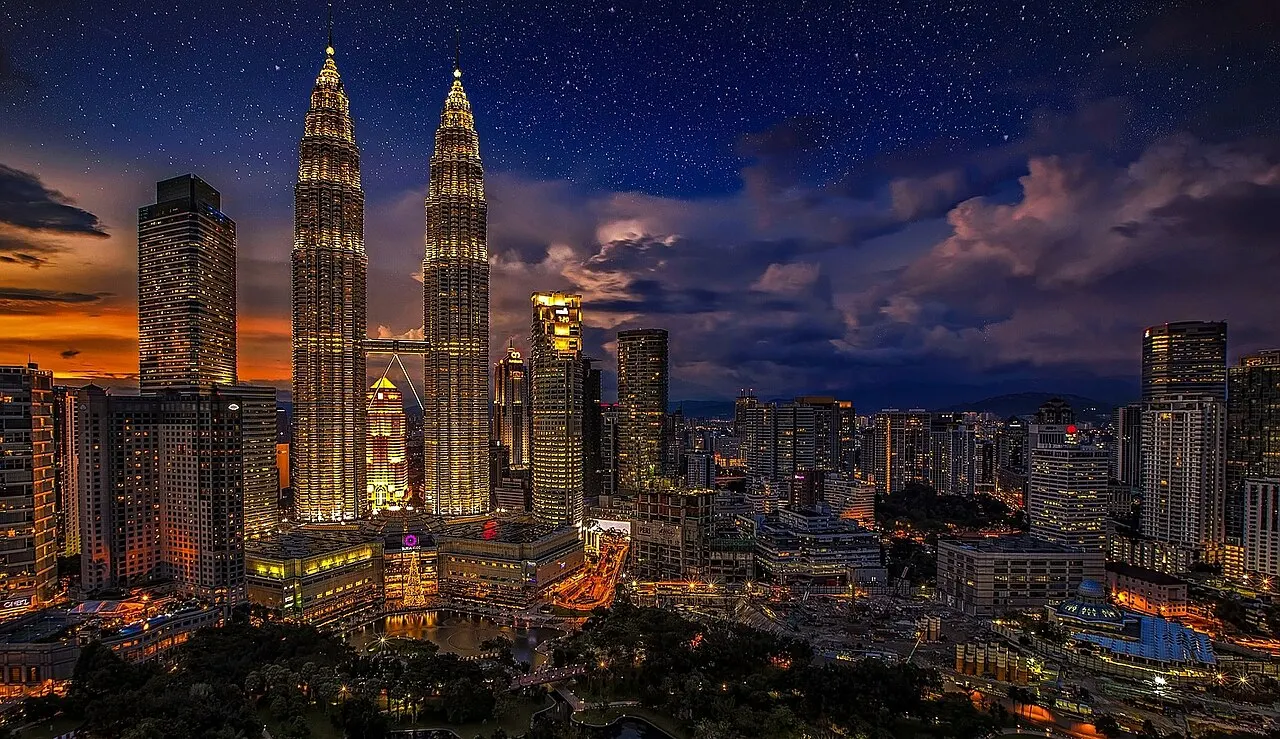
Kuala Lumpur(KL in short), the capital lying in West Malaysia, attracts millions of travelers visiting each year. This city center combines politics, business, and entertainment in the region. You may be wowed by Petronas Twin Tower as well as antique temples, immersing in a mingling of fashion and memory. Kuala Lumpur is also the base of Air Asia, which provides travelers with many options of flights to reach their destinations at affordable prices. As a result, Kuala Lumpur has been viewed as an important transfer center for budget-conscious backpackers who desire to take a glimpse of wonders away from this capital.
2. Languages
Even though Malaysia's official language is Malay, most people residing in Malaysia speak fluent English. On top of that, many Malaysians also speak Chinese (Mandarin and dialects such as Cantonese and Hokkien) or Tamil, the main language of Malaysia’s Indian community. Visiting such a multilingual country, you would find language barriers a smaller matter to deal with if you can communicate in English too.
3. Weather
As mentioned above, Malaysia is located near the Equator, which makes Malaysia hot and humid. Temperatures in Malaysia are relatively consistent year-round ranging from 15°C to 25°C in higher elevation areas and 21°C to 32°C close to the sea level.
But do beware of encountering heavy rainfall, thunderstorms if you decide to go to Malaysia during the wet season.
4. Money
The Malaysian unit of currency is called the Ringgit (RM). Foreign visitors can exchange currency at airports, banks. Cards are widely accepted in cities, and ATMs are easy to find. Check the day’s exchange rate before you go.
5. Electricity
Electricity in Malaysia is 230–240V, with a standard frequency of 50Hz. As for power plugs and sockets, type G is standard in Malaysia.
6. Food Culture
Fusion and inclusiveness are the keywords best to define Malaysian food culture. It is where you can gather the tastes of various types of cuisines yet embrace the characteristics of cultures developed from different cultures. Travelers may savor Satay (Malay grilled meat with sauce) for lunch, and then take a bite of Bak Kut Teh (pork rib dish cooked with Chinese soup) and Indian flatbread delicacy Roti Canai altogether nearby the same corner. Furthermore, there is a unique cuisine called Peranakan cuisine or Nyonya cuisine, which is originated from the Peranakans, descendants of Chinese and Malay. The spotlight of this type of cuisine is spices, herbs, and Chinese ingredients used to add flavor to another level.
However, note that Muslim (halal) restaurants and Malay food stalls do not serve pork, while Chinese restaurants do – Bak Kut Teh is a good example. Visiting such a diverse country is filled with fun adventures to explore more, but it does require to be respectful to others.
7. Transportation
Kuala Lumpur(KL) boasts a significant number of travelers every year, firming its status of transfer hub. Besides Malaysia Airlines, Air Asia, one of the top LCC(Low-Cost Carrier) in Asia, carries travelers from other Asian countries via frequent and inexpensive flights and supports the tourism industry of Malaysia. It is also convenient to take Air Asia to other domestic destinations like Penang, Melaka, etc..
After landing, travelers can book Grab, the leading ride-hailing application in Southeast Asia, or private taxi. If you're traveling on a tight budget, Kuala Lumpur has a convenient rail network (LRT, MRT, monorail) to help passengers roam around the city. In other cities, travelers may take buses or trains such as public transportation to discover different areas.
8. Entry Requirements
Many nationalities can visit Malaysia visa-free for a short stay (Taiwanese passport holders, for example, get 30 days). Almost all foreign visitors must also fill in the free Malaysia Digital Arrival Card (MDAC) online within three days before arriving. Rules change, so check the Immigration Department of Malaysia’s website before you travel.
Why Travel Malaysia?
Tons of travelers visit Malaysia repeatedly, and why Malaysia travel is so booming, you might ask. There are some reasons that first-timers can consider:
1. Cultural Diversity
Malaysia welcomes worldwide visitors to experience cultural fusion, from daily cuisine, festivals, religions, and the way of thinking. Travelers will absolutely experience how the world goes under the multilingual surrounding.
2. Less Language Barrier
Although Malaysia is not an English-speaking country officially, Malaysians can utilize English well for better communication. That means foreigners unable to speak Malay can interact with local people and explore the culture easily.
3. Wildlife
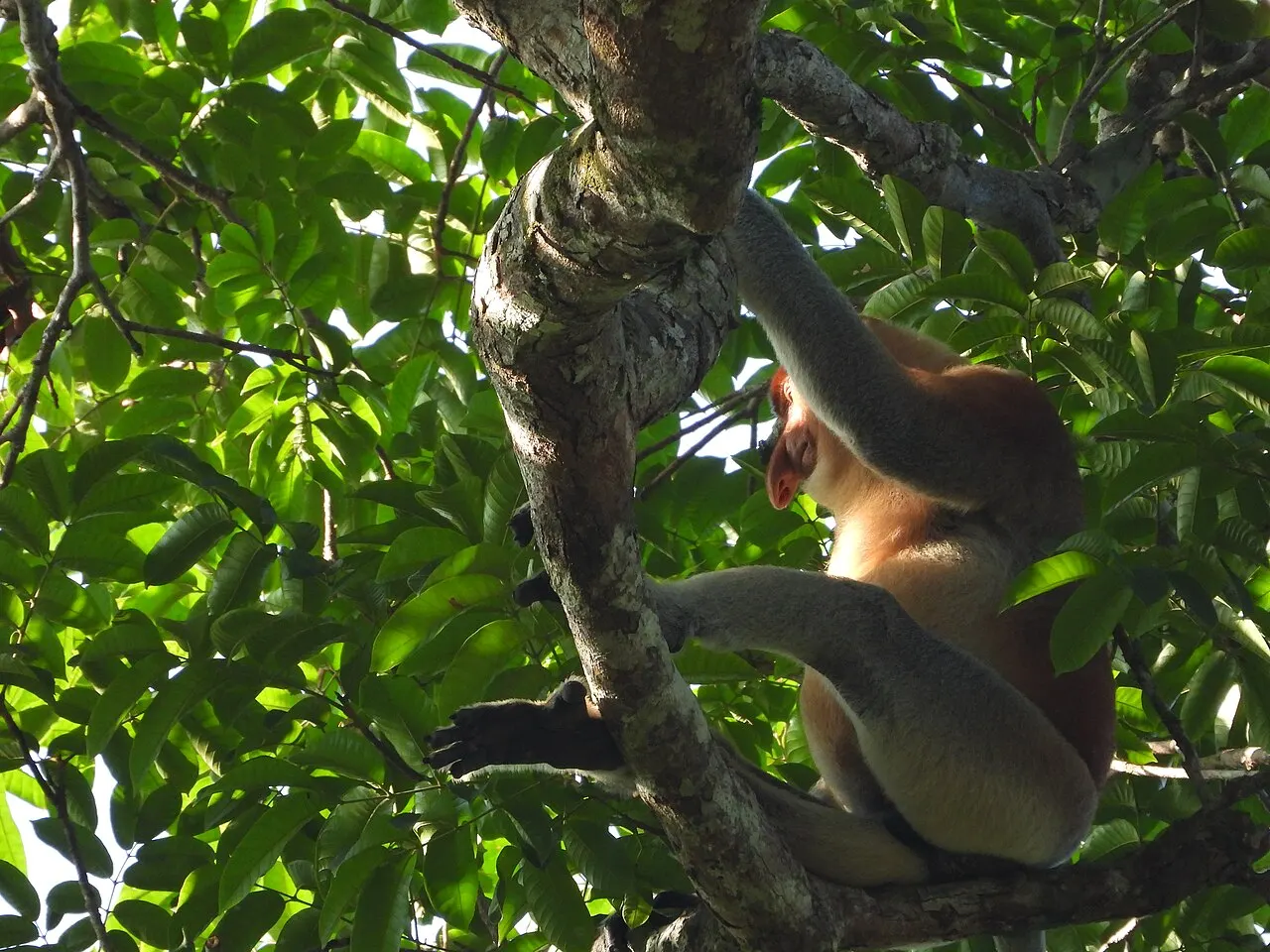
Situated around the Equator, Malaysia is home to not only exotic fruits and vegetables, but also rainforests, jungles, and local animals. Travelers would have the chance to discover the vibrant wildlife of Malaysia on a safari tour.
4. China Town Exploration
In the past, many migrants from southern Chinese moved to Malaysia and settled down for a living. As a result, travelers can find China towns at some spots of the region, taking a glimpse of typical Chinese culture tinged with Malaysia's local features. For example, shopping for Chinese new year, savoring Cantonese domains, or even socializing with Chinese-Malaysian.
Customize Your Tour Here
5. Island Hopping in Sabah
Sabah, a state on the island of Borneo in East Malaysia, is well-known for water activities. Its offshore islands, such as those of Tunku Abdul Rahman Park near Kota Kinabalu and Sipadan off the east coast, offer cozy breezes, fresh air, snorkeling and scuba diving. You may appreciate the wonder of both ecology and culture at the same time.
Cover photo: Walkerssk, CC0, via Wikimedia Commons
Tour with a licensed local guide
See all tours →Comments
Be the first to leave a comment.
Leave a comment
Related posts
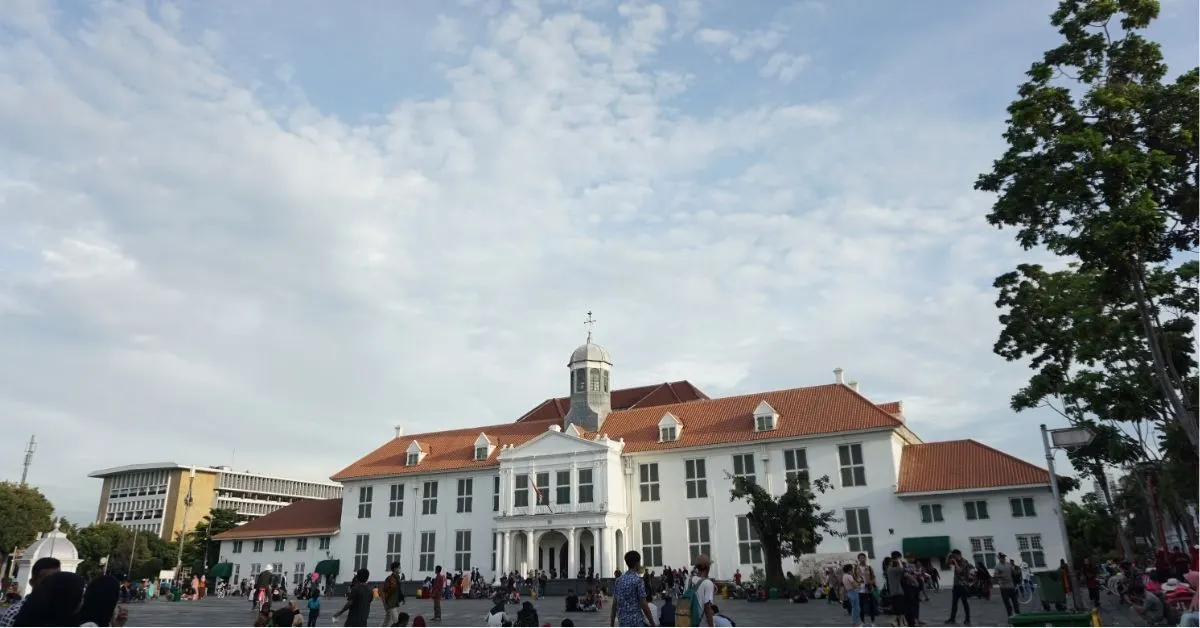
Finding Treasures in Old Town Jakarta: Things To Do In Kota Tua Jakarta
Kota Tua Jakarta ("Jakarta Old Town" or "Old Town Jakarta"), officially known as Kota Tua, is a neighborhood comprising the original downtown area of Jakarta, Indonesia.
Apr 20, 2021
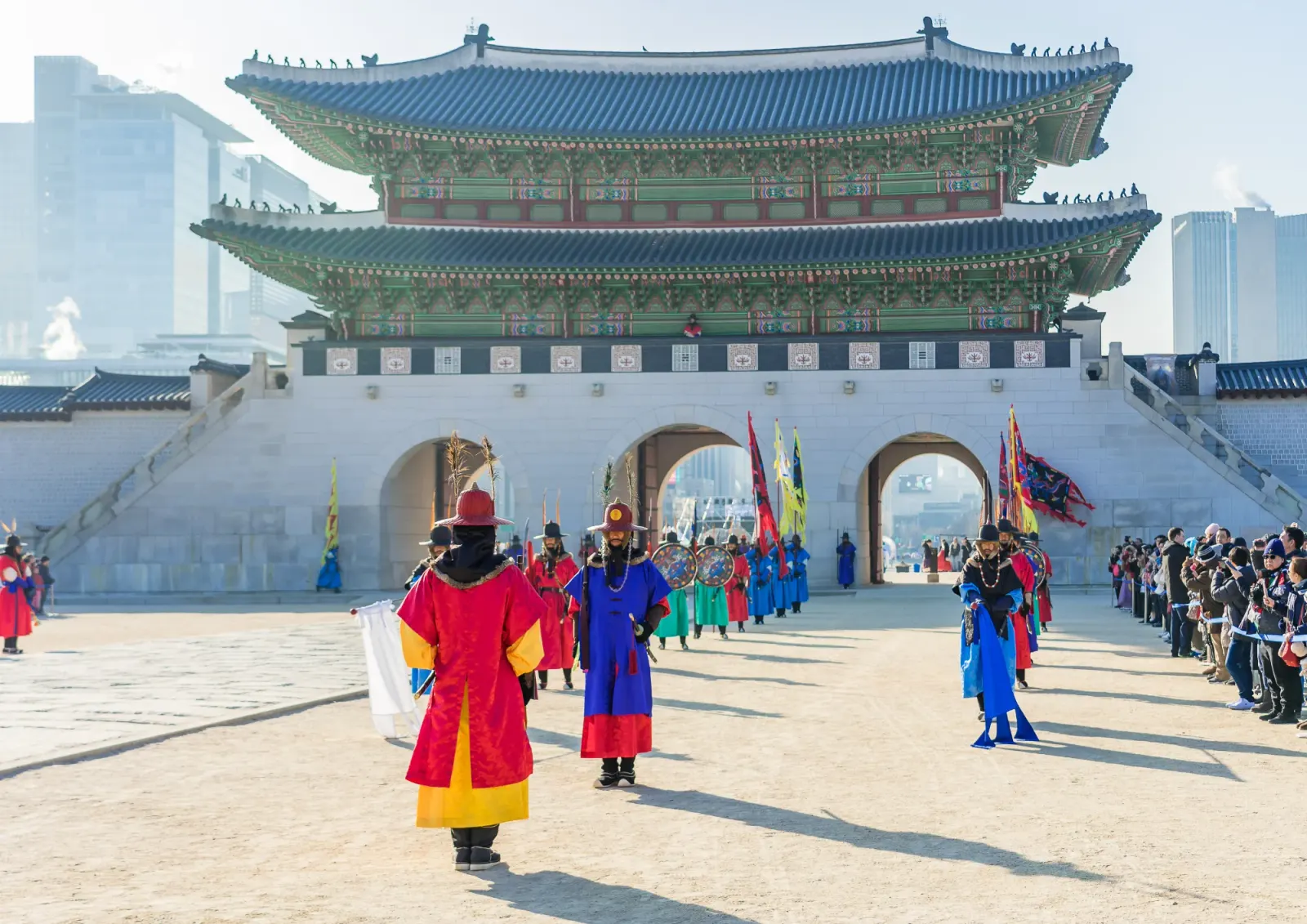
10 Reasons Why You Should Visit South Korea
One of the most exciting destinations to visit after the coronavirus pandemic is South Korea. This is a magical country that has kept its culture, traditions, and values alive throughout the years. Its distinct cuisine, modern entertainment, and signs of ancient civilizations place it among the best
Apr 13, 2021
Siem Reap, Cambodia: What to Do Besides the Temples
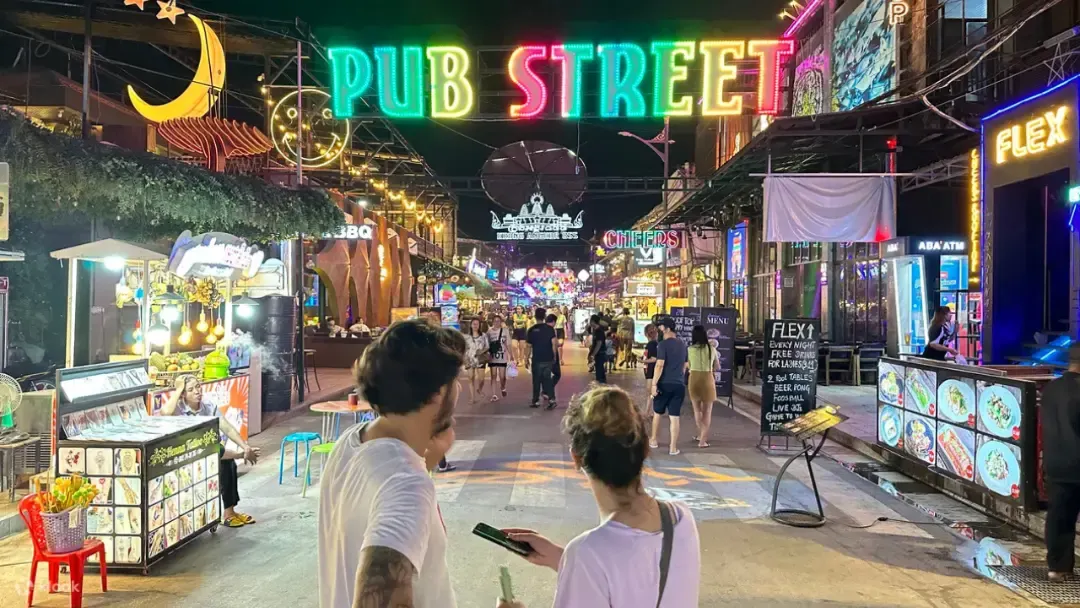
Cambodia is a country in Southeast Asia best known for its temples and turbulent recent history. Siem Reap is located in the northwestern portion of Cambodia, and is the gateway to the greater Angkor region, the former capital of the Khmer Empire. The temples of Angkor are surely the highlight of Si
Mar 23, 2021