
8 Things You Should Know Before Traveling to Taiwan

Traveling to different countries is always exciting. Getting to see all sorts of different cultures, meet interesting people, and taste exquisite cuisines. Here is a quick catch-up for you before traveling all the way across the world to Taiwan.
National languages
Basic English will get you around the main sights, and otherwise the power of smiling is always an option. In the major cities and on public transport, signs and announcements are in both Chinese and English, and more and more street food stalls have English menus; outside the big cities, English is less common. Mandarin is the language everyone uses day to day. Taiwanese Hokkien and Hakka are widely spoken too, especially by older people and in the south and countryside, and Taiwan’s official national languages also include the Indigenous (Formosan) languages, the Matsu dialect and Taiwan Sign Language. Taiwanese people are always willing to help lost travelers find their way even when some don’t understand English. Taiwan is sure the best place to experience the greatness of being welcomed.
Weather in Taiwan
Taiwan is split between two distinct climate zones. Northern Taiwan lies within a sub-tropical zone while Southern Taiwan sits within the tropical zone. The weather in Taiwan is almost always pleasant. Summer highs are usually in the low-to-mid 30s °C and can occasionally pass 38°C (100.4°F), and the humidity can get really annoying on some days. So don’t forget to get a place with air conditioning to stay! During Winter, the temperature is about 10°C (50.°F) to 25°C (77.°F). As the humidity is really high, It can be very cold despite the temperature. Always remember to bring a jacket with you.
As for the best time to visit Taiwan would be either November when extreme heat of summer and rainy season long gone or April when the temperatures are starting to warm up, making it a comfortable trip without the extreme heat of a Taiwanese summer.
What you really have to look out for is typhoon season, which runs roughly from June to October and peaks from July to September. There’s usually plenty of warning that a typhoon is approaching the island so once you stay indoors, you’re pretty safe. But do you really want to spend up to 3 days staying indoors while traveling in another country? It’s best to avoid this season of craziness.
Emergencies call
+886 before you call someone in Taiwan; for emergencies call 110 (police) or 119 (fire and ambulance). The calling code for Taiwan numbers is +886. Do make sure to keep that in mind when getting in touch with your friends! But that wouldn’t be a major problem since you can do anything with the internet nowadays.
Electrical sockets
Taiwan has the same electrical standard as the US and Canada: 110V, 60Hz AC.Electrical sockets have two vertical slots. If you bring appliances from Europe, Australia or Southeast Asia, you will need an adaptor or transformer. Some advanced places also have built-in USB ports, like MRT stations or on some buses for people to charge their devices which is very convenient.
Eating well doesn’t cost a fortune
As ranked as the happiest country in East Asia, having a nice time in Taiwan won’t cost you a fortune. Taiwan’s unique culture welcomes all sorts of taste buds! Whether you have an appetite for street food, authentic cafes or fancy restaurants, you can often be satisfied with only paying in coins! Night markets are a must-visit while in Taiwan, and most of the famous street snacks, like stinky tofu, taro balls and peanut ice cream rolls, cost well under NT$100 each, so eating your way down one street won’t break the bank! All you have to worry about is not able to fit all the yumminess in your belly.
If you’re a coffee shop and afternoon tea lover, Taiwan has loads waiting for you to explore. Good, cheap coffee can be found in convenience stores such as 7-Eleven, FamilyMart and Hi-Life, and independent cafes serving brunch and cakes are everywhere.
As for fancy restaurants, there really isn’t a limit on how fancy restaurants and prices could go!
Prices are tax included. Many sit-down restaurants add a 10 percent service charge to the bill, though small eateries and night market stalls don’t. There is no tipping culture in Taiwan (unless you visit an American restaurant) but do feel free to do so if you are satisfied with their service.
Transporting in Taiwan
Traveling between airports and the city can be exhausting sometimes. Luckily, in Taiwan, there is the Taoyuan Airport MRT, which connects Taoyuan International Airport with Taipei Main Station. And there are several ticket types to choose from:
- Single journey tickets/One day pass
- Periodic ticket/Group ticket
- Top-up tickets
- Taoyuan MRT and Taipei MRT joint ticket
Taoyuan airport (TPE):There are several transportation options to choose from, buses, coaches, airport MRT, and also taxies are always available.
Kaohsiung airport (KHH):The most convenient way to get from Kaohsiung airport to the city is by MRT (Red Line). There are also other public transportations to choose from as well.
Transporting is a huge part of traveling, and the time spent on travelling often affects the number of places you can visit. Well, not to worry, Taiwan is a busy country, and with busy countries comes with great transportation.
City-bound (TPE)
There are a lot of options to choose from when traveling in Taipei City. MRT for the people who want to get around quickly and with nice air condition, Buses for those who enjoy some nice city view, and YouBike for adventurers who like to go at their own pace. But honestly, for people who enjoy walking, Taipei is so convenient that all you need is a stored-value card such as an EasyCard, which works on the MRT, buses, YouBike and even in convenience stores, and you are on your way to all sorts of adventures.
Transporting from Taipei to other parts of Taiwan is also easy. You can either take a coach bus, a train, or the Taiwan high-speed rail.
Fill in the arrival card online
Since October 2025, foreign visitors fill in the Taiwan Arrival Card online (on the National Immigration Agency’s official TWAC website) before landing, instead of on paper at the airport. It is free, so ignore any site that asks you to pay for it. Visa rules depend on your passport, so check them with your nearest Taiwan representative office before you book.
Want help planning your days? Explore Taiwan with a local MyProGuide guide.
Tour with a licensed local guide
See tours in Taiwan →Comments
Be the first to leave a comment.
Leave a comment
Related posts
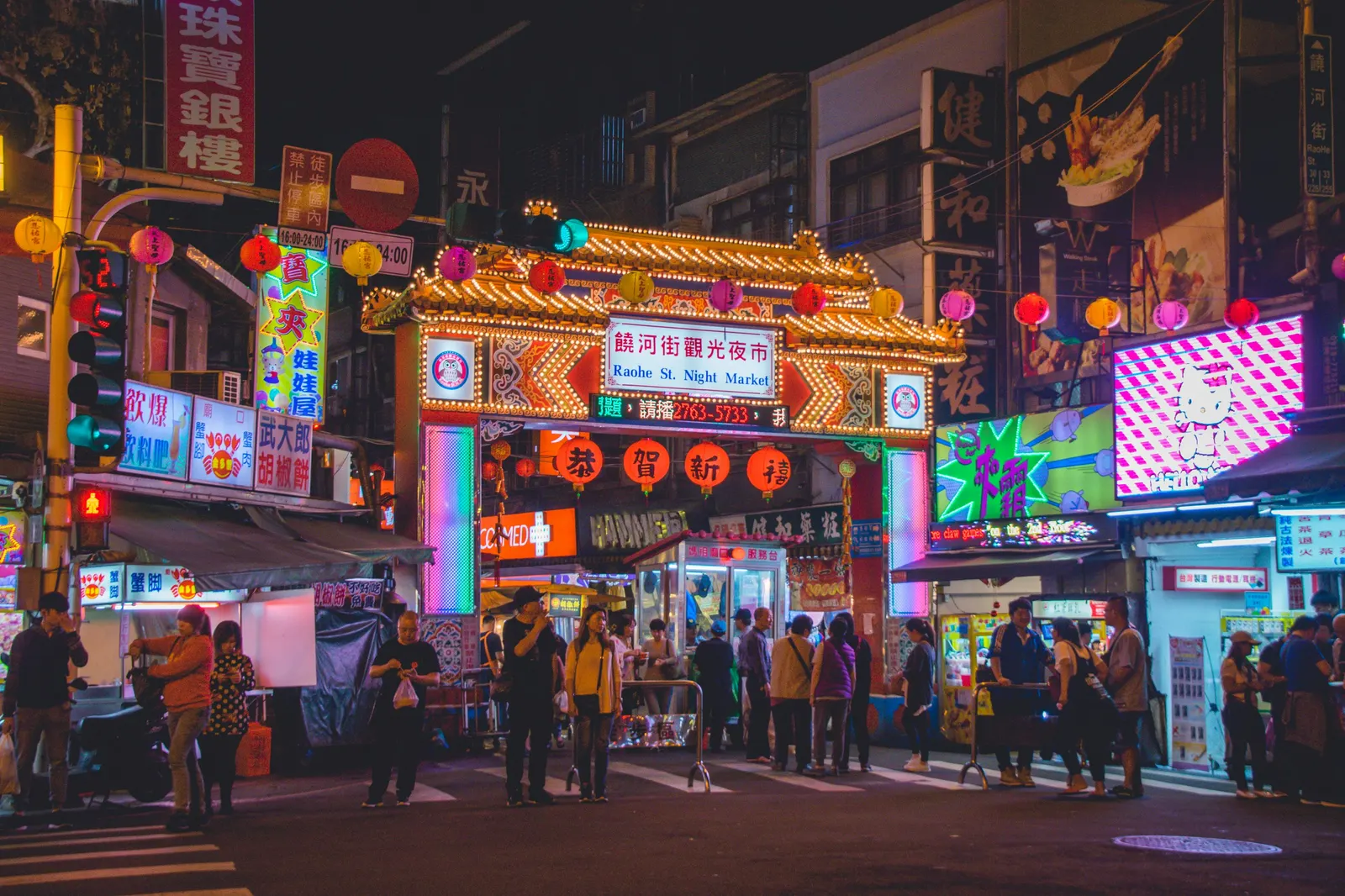
Becoming a Tour Guide in Taiwan
“It’s never too late to have a life you love. Don’t ever feel like you’ve missed the boat, don’t have what it takes or can’t achieve your dreams. Instead of removing your dreams, remove the doubts and fears keeping you from them. It’s never, ever too late.”
Jan 8, 2022
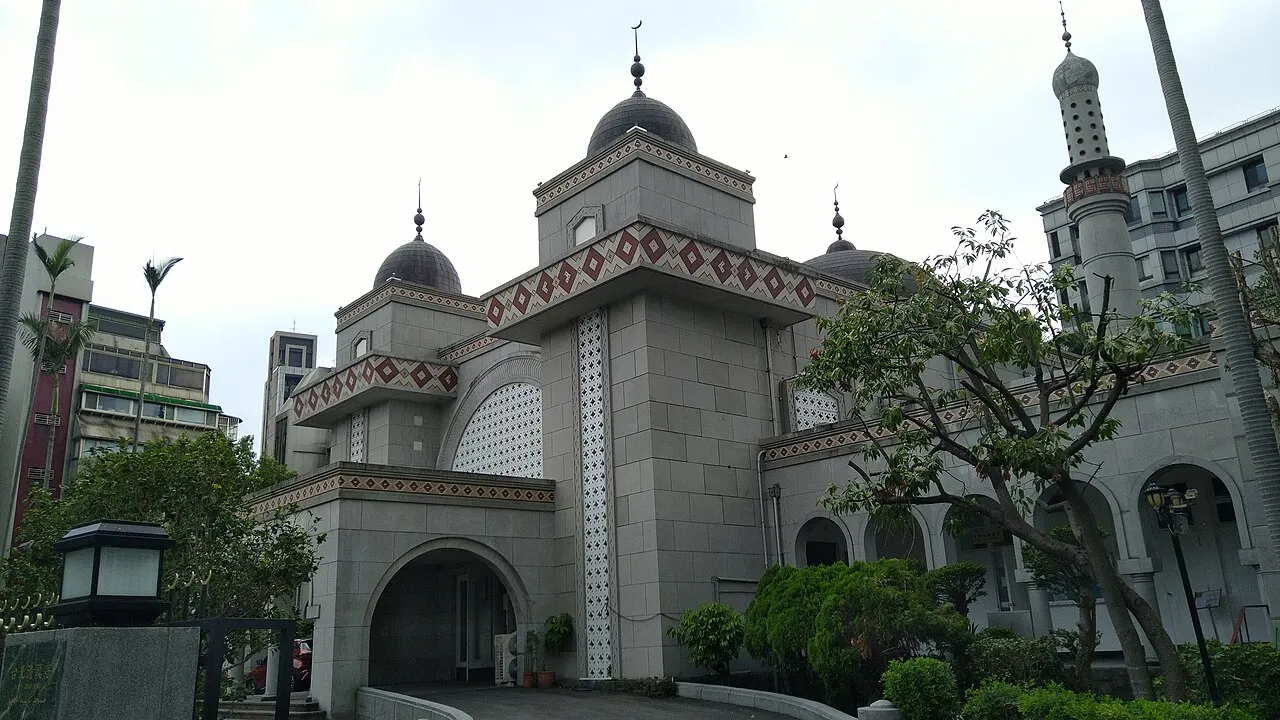
Why should every Muslim travel to Taipei?
Taipei City is the capital city of Taiwan, a state in East Asia bounded by China, Japan and the Philippines. It is the political, economic, educational and cultural centre of Taiwan (or more correctly The Republic of China), a modern metropolis with a thriving econo
May 11, 2021
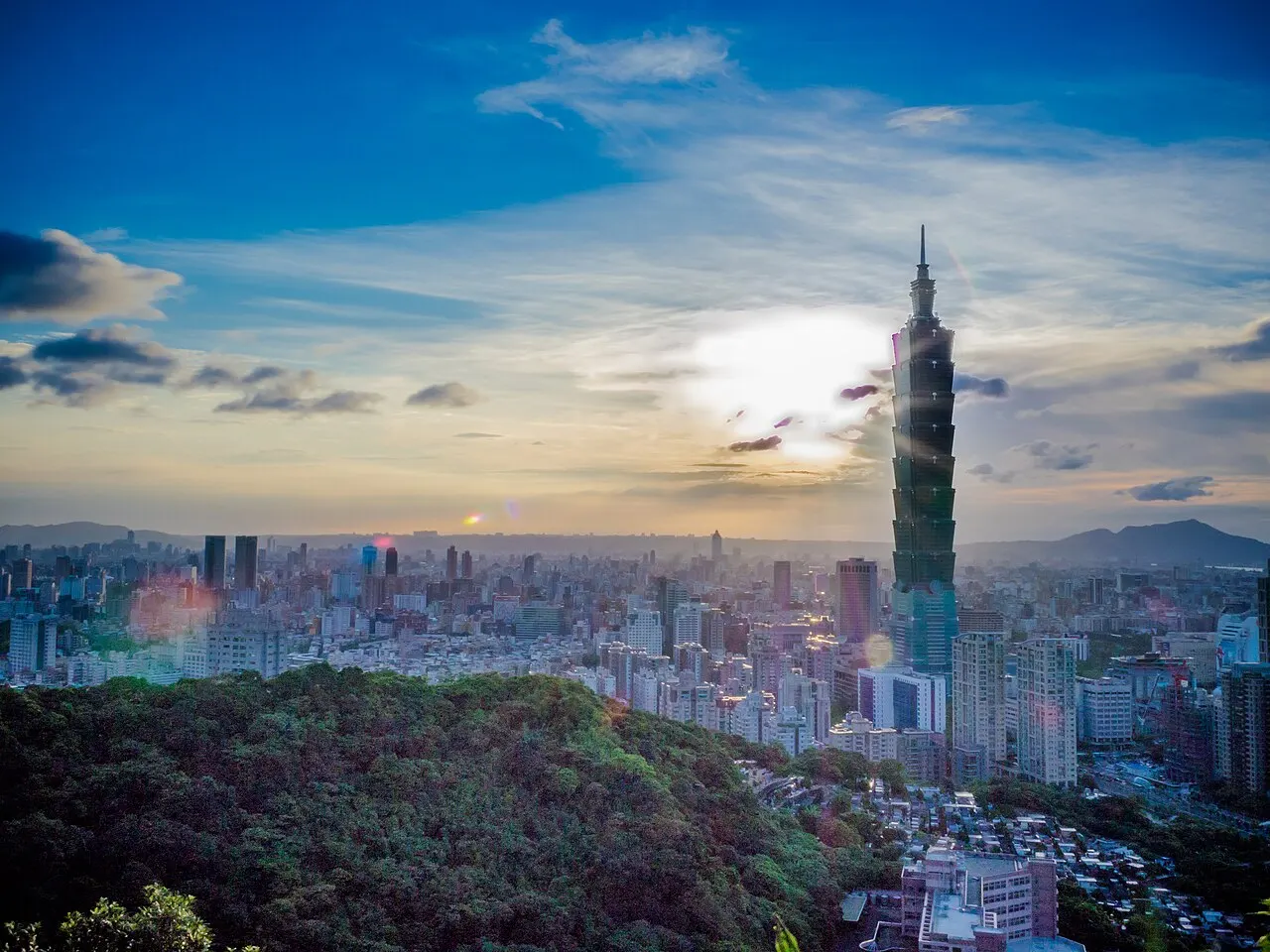
Taipei 101 Guide: Dining and Things to Do Nearby
If you ever visit Taiwan, this is the place you wouldn’t want to miss! The one and only: Taipei 101. The Taipei 101 is a super skyscraper in Taipei‘s business district with a building function that serves as a modern technological marvel, a tourist attraction, and office building.
Apr 27, 2021