
National Symbols of the Philippines: A Quick Guide
With the stunning views of unique natural sites, Philippines has long been regarded as one of the best “getaways” when it comes to a relaxing vacation. Philippines is also known for its gorgeous landscapes. Its rich and diverse historical background shape its unique architecture and culture, making
With the stunning views of unique natural sites, the Philippines has long been regarded as one of the best “getaways” when it comes to a relaxing vacation. Its rich and diverse history has shaped its unique architecture and culture, making it a country worth exploring. However, do you know about its national symbols? Representing the Philippine traditions and customs, these national symbols symbolize the Filipino peoples’ national solidarity and rich culture.
Here are some of the most well-known national symbols of the Philippines:
Philippine National Bird: Philippine Eagle
The Philippine Eagle is one of the largest eagles in the world, and is often called the largest in terms of length and wing surface area. Because of its endangered status and strength, the Philippine Eagle is named the National Bird of the Philippines. Due to the dramatic decrease in forest area, a scarcity of habitat has threatened the living space of Philippine Eagles greatly. With its majestic size, blue-grey eyes and dark claws, the Philippines Eagle looks fierce and is the species most desired to be seen by birdwatchers. In 1995 the Philippine Eagle officially became the National Bird, declared by former Philippine President Fidel V. Ramos.

Philippine National Flower: Sampaguita
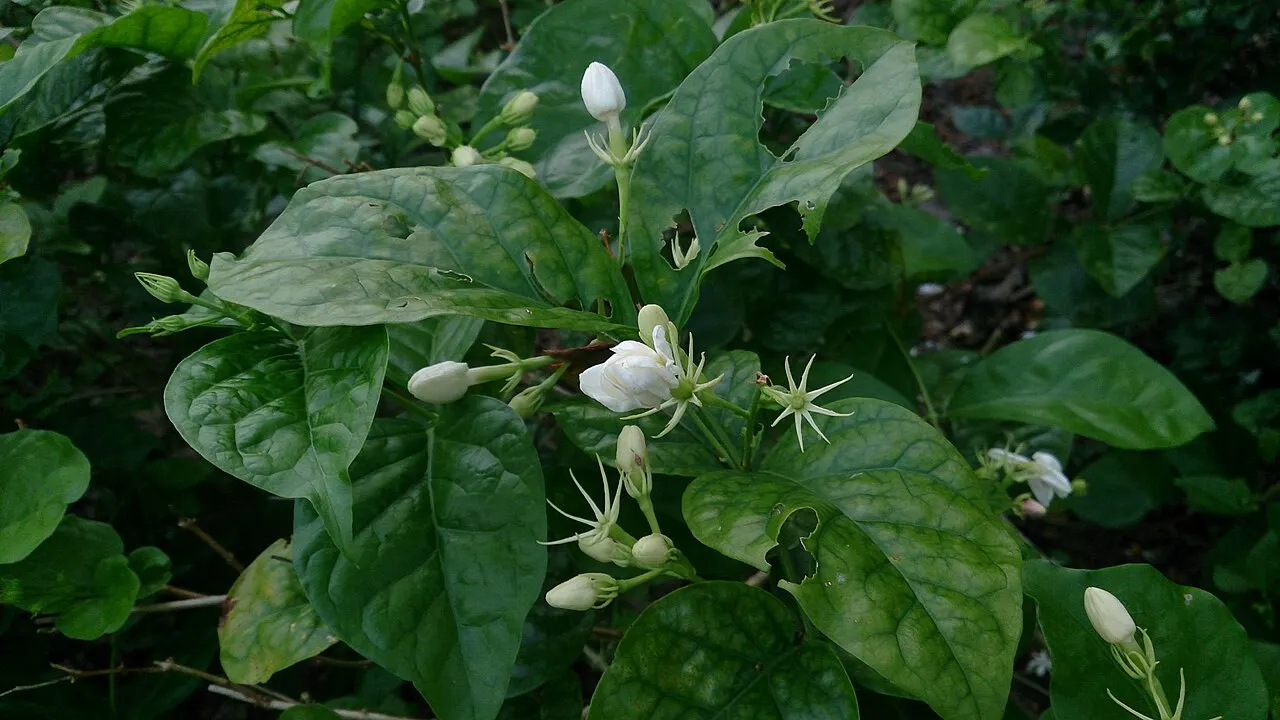
Sampaguita, also known as the Asian Jasmine or the Sacred Jasmine, is the National Flower of the Philippines. Sampaguita is cultivated in many places in the world, yet is most common in South and Southeast Asia. It became the Philippine National Flower in 1934 by Proclamation No. 652, issued by American Governor-General Frank Murphy. A popular folk story says the name comes from the Tagalog phrase “sumpa kita”, meaning “I promise you”; linguists, however, trace it to the Tagalog word sampaga (“jasmine”) plus the Spanish diminutive -ita. Either way, in the Philippines the sampaguita is a symbol of love, purity, devotion and hope. Widely used in celebrations and occasions, people in the Philippines often place these flowers for decoration or give them out as rewards for winning contests.
Philippine National Tree: Narra
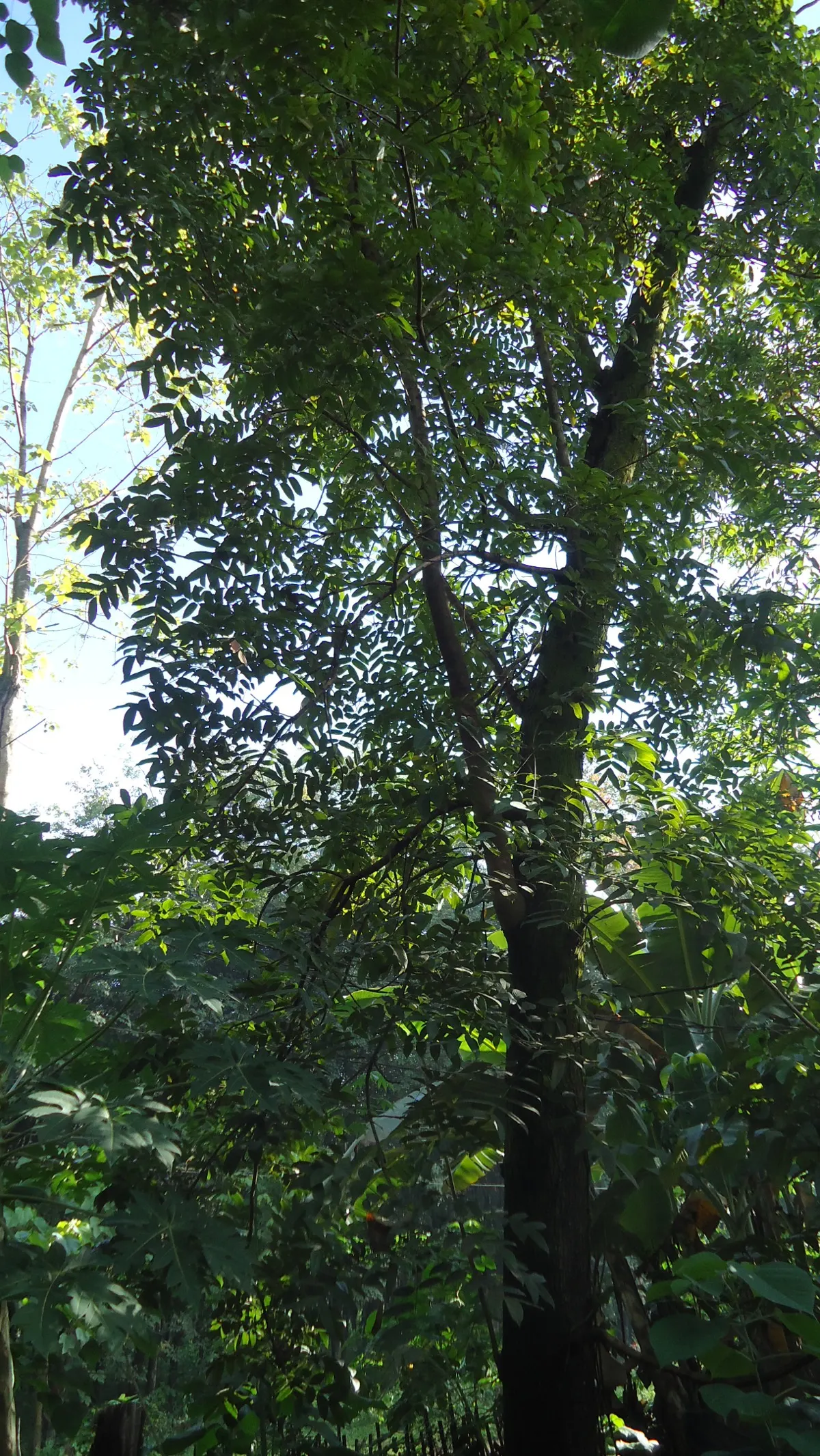
The Narra tree is native to Southeast Asia, northern Australasia and the western Pacific islands, and has been the National Tree of the Philippines since 1934. It grows in forests across the Philippines. Its prized hardwood is reddish in color, and the tree can grow to more than 30 meters (100 feet) tall. Because of its sturdy and durable characteristic, it is widely used for furniture-making and construction. The reason why it is named as the National Tree of the Philippines is because it represents the Filipinos’ strong and resilient identity. Also, with its adaptability of growing in various types of soil, it symbolizes the toughness of Filipinos.
Philippine National Sport: Arnis
Arnis, also widely known as eskrima, kali and garrote, is a form of martial art that applies swinging and twirling, along with striking, and techniques of defense and offense. Arnis is a sport with a long history, being passed down from generation to generation. It largely requires speed and accuracy. First created by the indigenous people of the Philippines, early Arnis was played using weapons such as rattan, spears and swords. However, due to foreign colonization, the modern Arnis became deeply influenced by the Spanish people. It was not until 2009 that Arnis became the National Sport of the Philippines, proclaimed by former Philippine President Gloria Macapagal Arroyo.
Philippine National Anthem
In 1898, General Emilio Aguinaldo, leader of the revolution against Spain, commissioned musician Julián Felipe to compose a national march, which was first played without words at the proclamation of Philippine independence in Kawit, Cavite, on June 12, 1898. In 1899 the young soldier and writer José Palma wrote the Spanish poem “Filipinas”, which became the anthem’s lyrics. Under American rule, the Flag Act of 1907 banned Philippine revolutionary symbols, including the anthem, for some years; in 1938 the music was officially adopted as the national anthem, and an English version was used for a time. The Filipino-language lyrics, “Lupang Hinirang”, were first sung in 1956, confirmed in 1958 and slightly revised in the 1960s. Since the Flag and Heraldic Code of 1998 (Republic Act No. 8491), the anthem may only be sung in Filipino.
National Fruit: Mango
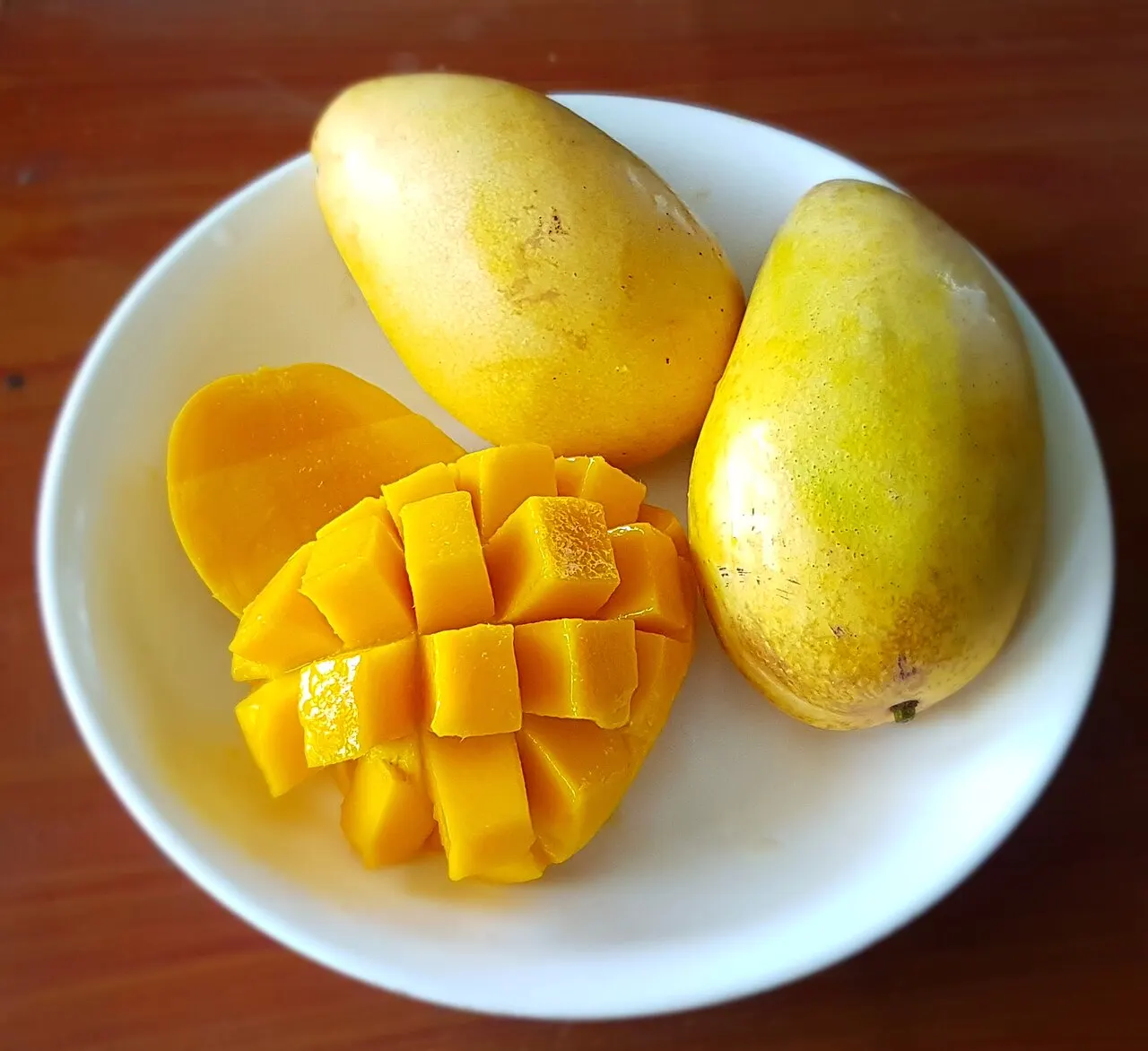
Mangoes in the Philippines are meaty, sweet and nutritious, and they are the national fruit of the Philippines. With wide varieties and its high popularity among tourists and locals alike, they are very tempting to eat and are very commonly seen in the Philippines. Also known as “Mangga” in the Philippines, they can be found almost everywhere, sold by street vendors or growing in backyards. The most famous type is the Carabao mango (“Kalabaw” in Filipino), renowned all around the world for its sweetness. Another commonly known mango is “Pico”, which has more of a sour flavor compared to the Carabao. Mango is the third most important fruit crop of the Philippines, next to banana and pineapple.
National Gem: Philippine Pearl
The Philippine Pearl, also known as the South Sea Pearl, is a type of pearl oyster with two color varieties: silver-lipped and gold-lipped. Also known as the “mother of pearls”, its significant importance greatly contributed to the artistic reputation of the pearl industry in the Philippines. An interesting fact is that the world’s largest natural giant clam pearl, weighing up to 34 kilograms, was discovered in 2006. Yet it was not until 10 years later, in 2016, that it was made public: the Filipino fisherman who found it off the coast of Palawan had kept it under his bed as a good-luck charm. In 1996, former Philippine President Fidel Ramos proclaimed the Philippine Pearl to be the Philippine National Gem.
If you like to travel and explore different cultures, you might care a lot about the history of every country and be passionate about how every distinct culture is shaped. Having a rich history that is a mix of various influences from Spain, America, Japan, and China, the Philippines is truly a diverse country- one of the most charming ones in Southeast Asia. Knowing and understanding the national symbols of the Philippines will definitely help shed some light on the vibrant spirit of the Filipinos. Want a local to show you more? Browse our Philippines tours or find a local guide.
Cover photo: Mokkie, CC BY-SA 3.0, via Wikimedia Commons
Comments
Be the first to leave a comment.
Leave a comment
Related posts
7 Reasons to Fall in Love With Amsterdam
The city’s olive-green canals and handsome gabled mansions are indeed beautiful, but perhaps above all, it’s the flavour of the city that appeals – its inhabitants a creative and imaginative bunch who quite simply bring the place alight. Young Amsterdammers were energized, and the hippy movement inf
Dec 28, 2021

8 Most Magical Christmas Markets Waiting for You to Explore
Culture and traditions often hold special meaning for people because such events trigger memories and a sense of belonging within a certain society. One of Christmas’s most loved traditions is to shop at Christmas markets. It is the one place that is merrier than your own home decor. They are packed
Dec 11, 2021

7 Best European Cities to See Christmas
Snow is falling everywhere in many of Europes’s most beautiful cities. Every Europe cities are prepared with their finest decorations like that Christmas lights, best colorful Christmas Markets and events, fantastic Christmas shows and so on.
Dec 8, 2021