
Celebrating Dragon Boat Festival Around Southeast Asia
With the influences of the Chinese culture, Dragon Boat Festival, often known as Dunwu in Mandarin, is celebrated in many places around the world. Happening on the 7th of June this year, Dragon Boat Festival is a traditional Chinese festival commemorating an ancient Chinese poet Qu Yuan. However, as
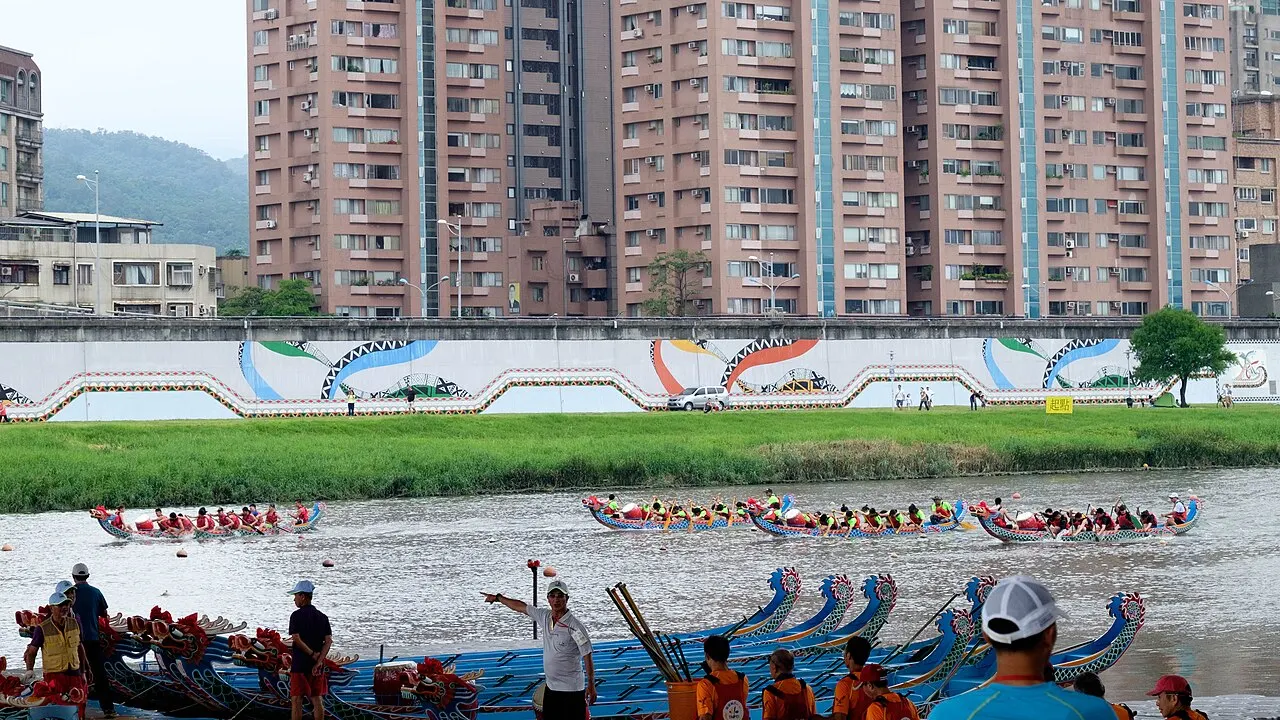
With the influences of the Chinese culture, Dragon Boat Festival, often known as Dunwu in Mandarin, is celebrated in many places around the world. Falling on the fifth day of the fifth lunar month (usually late May or June), Dragon Boat Festival is a traditional Chinese festival commemorating the ancient Chinese poet Qu Yuan. As the festival and festivals like it are celebrated across Southeast Asia, traditions and customs are carried on in different ways.
First things first: what you need to know about Dragon Boat Festival
To know about the origin of Dragon Boat Festival, you need to know the Chinese poet Qu Yuan. Regarded as one of greatest poets in Chinese history, he had completed many masterpieces and showed devotion to his country.
Read more about the history of Dragon Boat Festival
However, not willing to see his country invaded, the patriotic poet drowned himself in the Miluo River in despair. The locals paddled down in the river trying to save him, but in vain. People then threw rice dumplings, which is also known as “zongzi” nowadays, into the river so that the fish wouldn’t feed on his body. Over more than 2,000 years, this became the festival’s two main traditions: eating zongzi and racing dragon boats.
Now, have your paddle ready, MyProGuide is taking you on a dragon boat setting off to Vietnam, Thailand, Myanmar, the Philippines and Cambodia.
Thailand, Vietnam and Myanmar: bringing zongzi to the next level
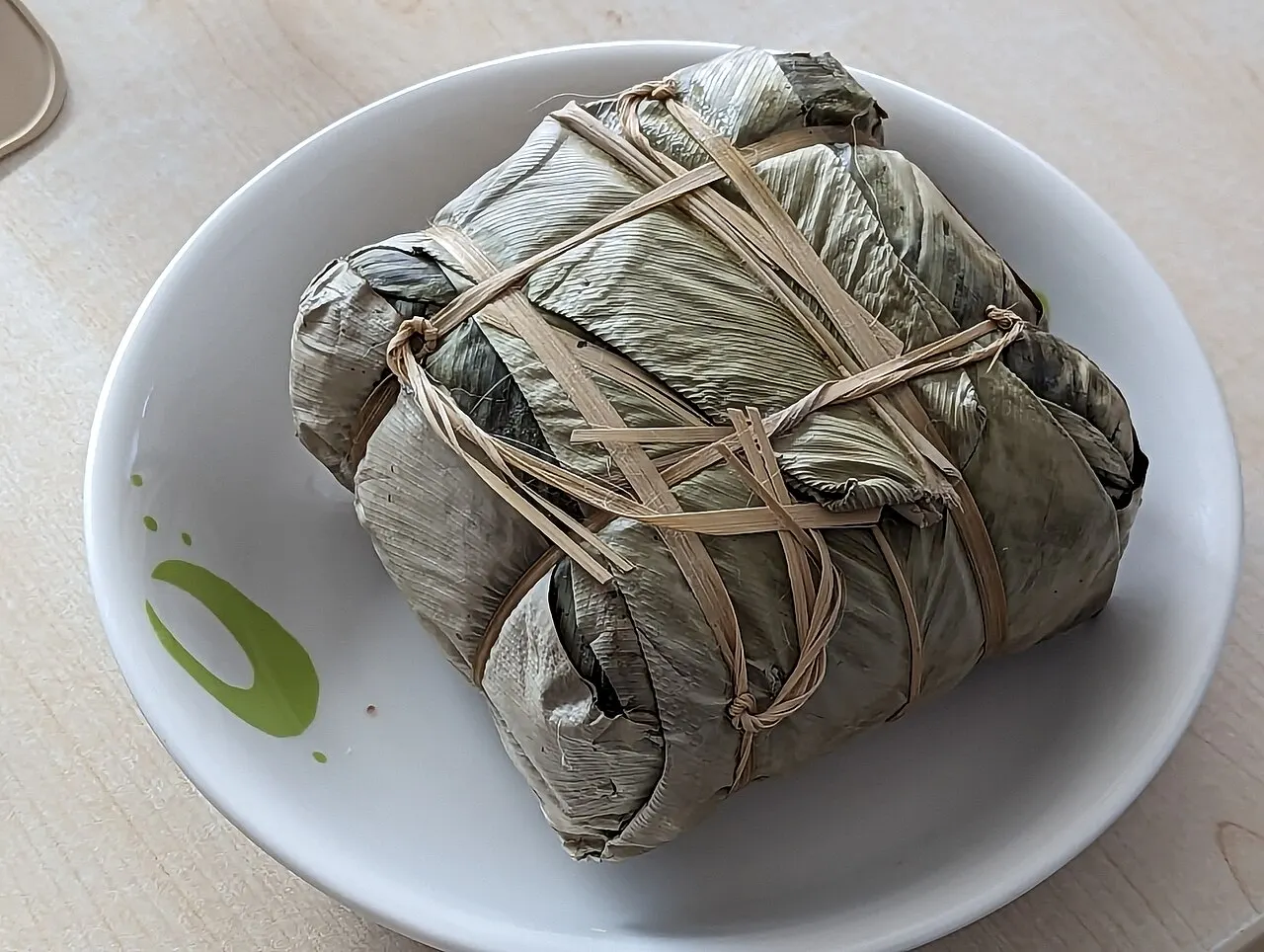
In Thailand, zongzi are made mostly by Thai-Chinese families and sold around Chinatown, and they can be both large and tiny. The stuffing of the zongzi is mainly sticky rice and meat, which is similar to the zongzi in southern China. Interestingly, there is another type of zongzi in Thailand: dessert-like zongzi.
They are sweet, and the stuffing is usually made of coconut, black bean, taro and sweet potato. One special feature is that the glutinous rice is soaked in the coconut milk before it is made, giving it a unique taste.
In Vietnam, the festival is called Tết Đoan Ngọ and also falls on the fifth day of the fifth lunar month. It is nicknamed the “insect-killing festival”: people eat fermented sticky rice (rượu nếp), sour fruits like plums and lychees, and small pyramid-shaped sticky rice dumplings such as bánh tro, to rid the body of “insects” and pray for good health and a good harvest.
Vietnam’s best-known cousin of zongzi, though, belongs to Lunar New Year: bánh chưng, a square sticky rice cake filled with mung bean and pork and wrapped in leaves. Legend says its square shape represents the earth, while the round bánh giầy represents the sky.
The Essential Travel Guide to Vietnam
In Myanmar, the Dragon Boat Festival is kept mainly by Chinese-Myanmar families, so you are most likely to find zongzi in the Chinatown areas of Yangon and Mandalay around the festival. Myanmar also has plenty of its own sticky rice snacks, often sweetened with coconut and jaggery.
The Essential Travel Guide to Myanmar
Philippines: the thrilling international game at Boracay
As Philippines is widely known as a country of islands with water, it is popular for water sports, boats and swimming. Every year, usually in late April, the island of Boracay hosts an international dragon boat festival, where the Philippine Dragon Boat Federation and local organizers welcome teams from across Asia and beyond to compete for the title of best and fastest dragon boat racers.
Cambodia: boat races on the river during Bon Om Touk
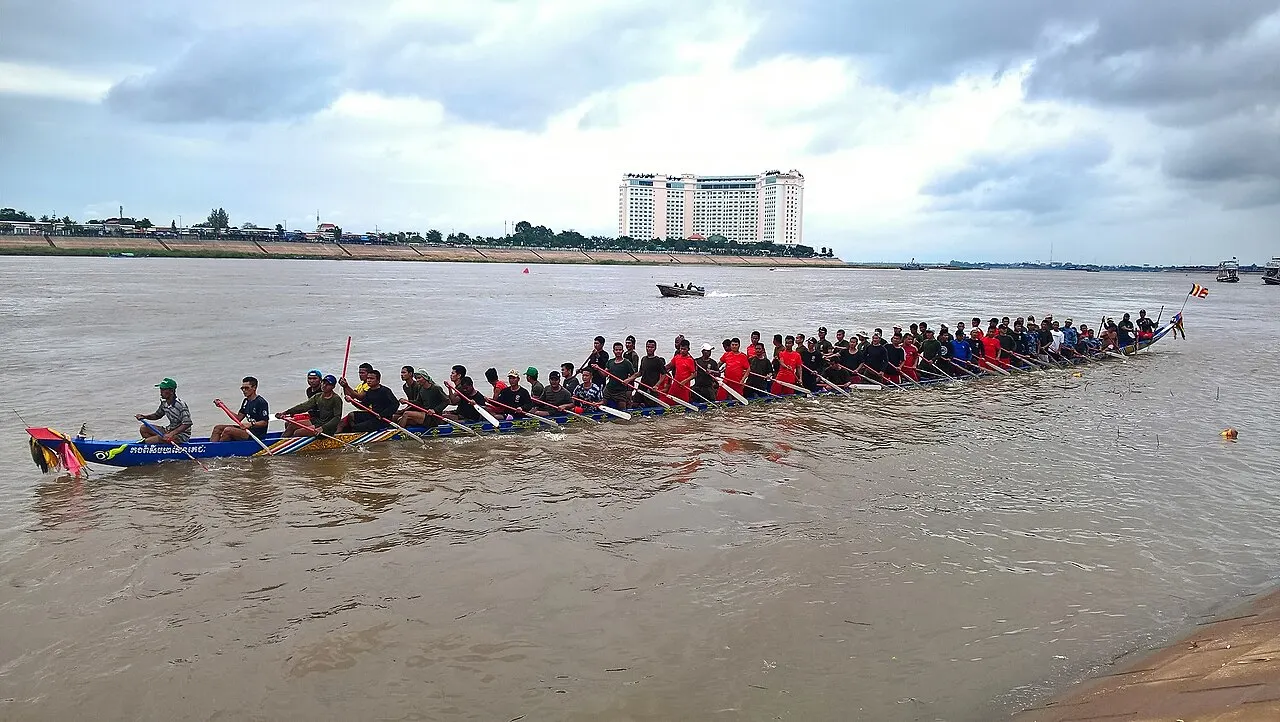
Bon Om Touk, also known as Cambodian Water Festival, is a three-day holiday celebrated during the full moon of October or November. It is a different festival from the Dragon Boat Festival, with its own Khmer roots, but it is just as famous for its boat races. Celebrated over centuries, it’s a way to give thanks to the river, a celebration of the ending of the rainy season, and the changed flow of the Tonle Sap River.
Bon Om Touk is said to be the most fun in the capital, Phnom Penh. Visitors can join the free concerts at Sisowath Quay in the evening and have a great view of the boat race.
Apart from boat racing, there are three ceremonies for an entire Bon Om Touk.
Loy Pratip:
It’s an evening parade on the river, featuring delicate and beautiful boats lighting up the waterways. The boats are decorated with lights and crafts, and interestingly, government institutions sponsor each of the boats on parade. What’s more, visitors can enjoy the breath-taking fireworks while the boats are floating.
Sampeas Preah Khe:
In some Asia culture, the full moon is mostly a good sign for the coming harvest, this is why the locals gather at the river and make sure to give thanks to it on Bon Om Touk. The locals believe this salutation to the moon can bring a bountiful harvest in the future.
Auk Ambok:
During midnight, people gather at temples to eat ambok (“flattened rice”), a kind of dish like zongzi which is also made of sticky rice. This simple dish is made with sticky rice mixed with banana and coconut.
It’s interesting to see how boat racing and the customs of eating zongzi are celebrated differently in countries in Southeast Asia. Still, the core values of these customs never change: being grateful to our ancestor, to our environment, and to all the good things happening around us.
Attending festivals is a great way to immerse yourself in local culture. Next time when stopping by Southeast Asia, remember to save the date for Dragon Boat Festival, the Boracay dragon boat race, and the Cambodia Water Festival! Dates follow the lunar calendar, so check them for the year you travel.
Check out Dragon Boat Festival in Taiwan:
Dragon Boat Festival in Taiwan | History, Traditions and Dragon Boat Racing Spots
Cover photo: 玄史生, CC0, via Wikimedia Commons
Comments
Be the first to leave a comment.
Leave a comment
Related posts
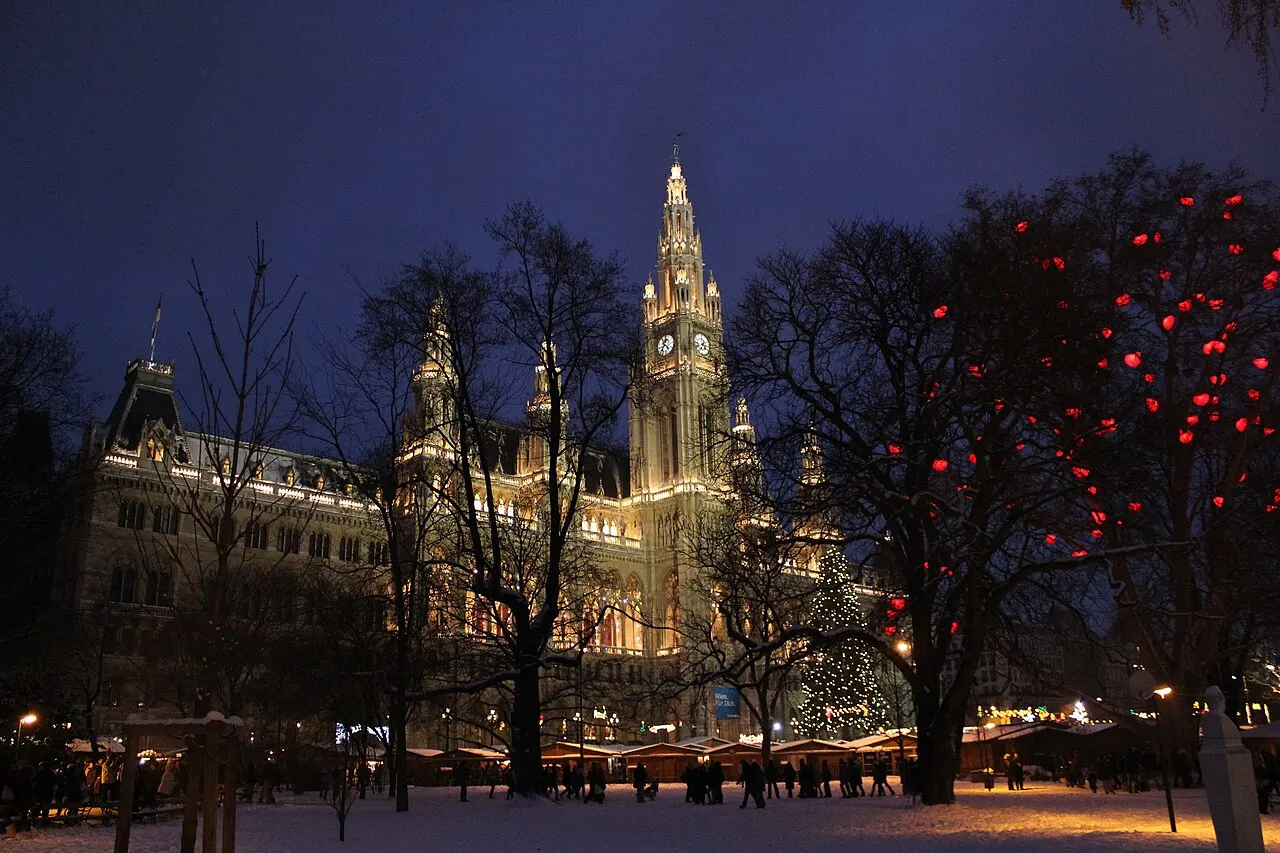
8 Most Magical Christmas Markets Waiting for You to Explore
Culture and traditions often hold special meaning for people because such events trigger memories and a sense of belonging within a certain society. One of Christmas’s most loved traditions is to shop at Christmas markets. It is the one place that is merrier than your own home decor. They are packed
Dec 11, 2021
10 Reasons Why You Should Visit South Korea
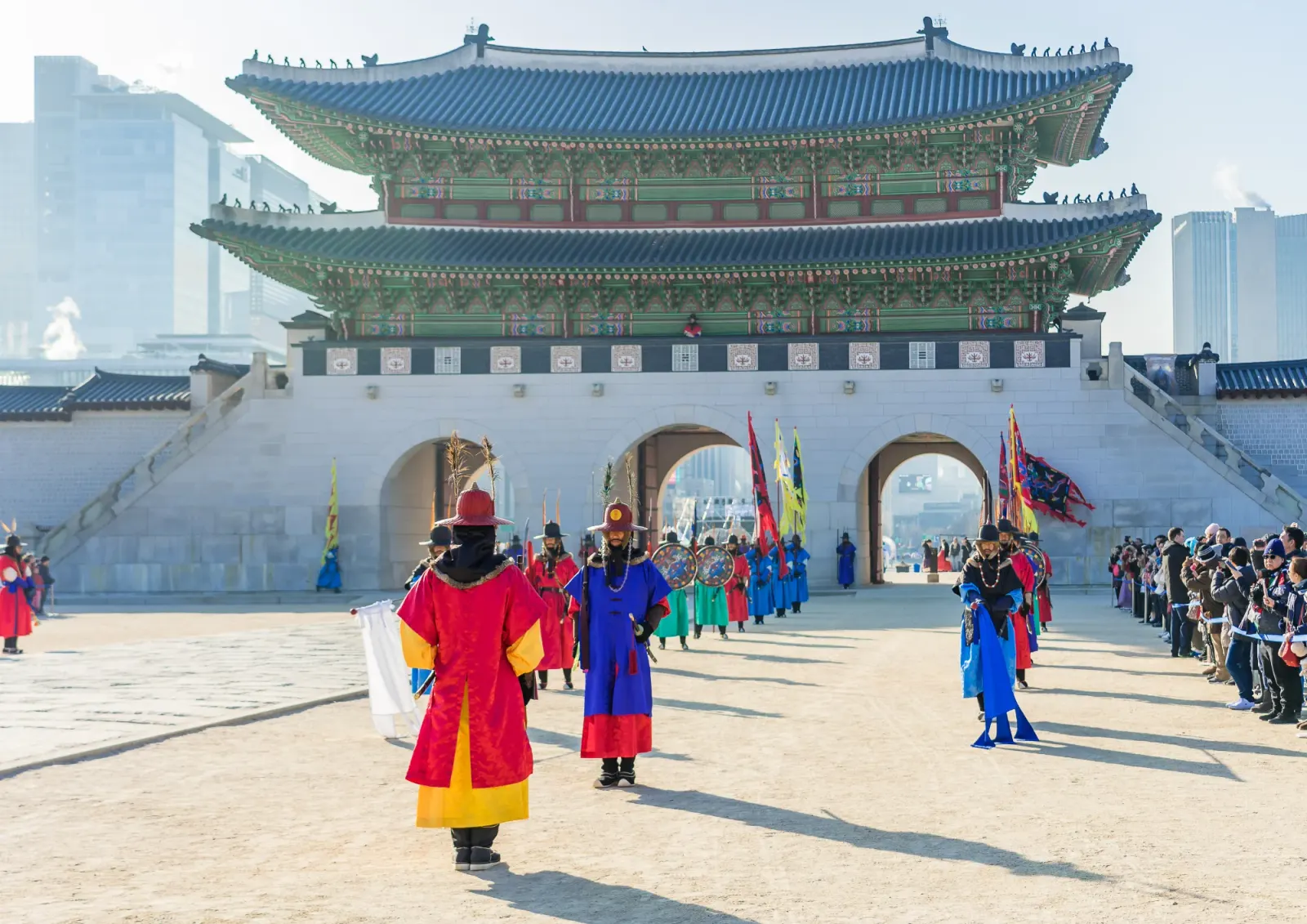
One of the most exciting destinations to visit after the coronavirus pandemic is South Korea. This is a magical country that has kept its culture, traditions, and values alive throughout the years. Its distinct cuisine, modern entertainment, and signs of ancient civilizations place it among the best
Apr 13, 2021
Celebrating Lunar New Year in Taiwan: Traditions, Taboos and Etiquette You Need to Know
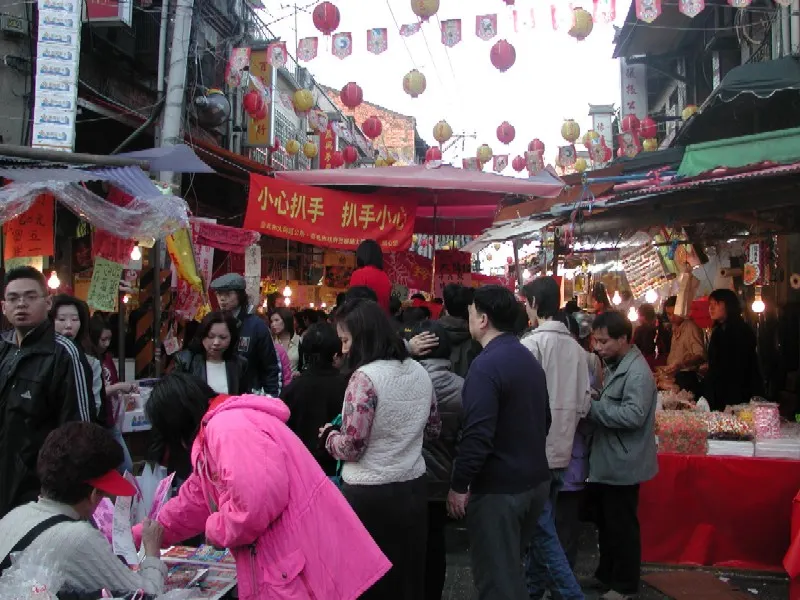
Chinese New Year is a main holiday in China and has strongly influenced lunar new year celebrations in East Asian countries, including Taiwan. If it is your first time in Taiwan during Chinese New Year, this "taboos and etiquette" guide on norms and customs would surely come in handy. It is always e
Jan 21, 2021