
Myanmar Facts: Know Before You Go
Formerly known as Burma, the least visited country in South-East Asia was named one of 2016’s hottest new destinations. It became the place to see “before it changed”. Myanmar is one of the most complicated, and most captivating, destinations you’ll ever visit. Travel to almost all parts of Myanmar is safe. Bagan is Myanmar’s most visited spot. Marco Polo once called it the gilded city for its surfeit of Buddhist temples and pagodas. Today, many thousands still remain; a sunrise balloon ride over them is unforgettable.
Travel note: Since the 2021 military coup, parts of Myanmar have seen armed conflict, and many governments advise against all or non-essential travel to the country or to large parts of it. The March 2025 earthquake centred near Mandalay and Sagaing also damaged many temples and other sites mentioned below. Before you go, check your government’s travel advisory and confirm with a local guide which areas and sites are currently open and safe to visit.
Formerly known as Burma, Myanmar is one of the most complicated, and most captivating, destinations in South-East Asia. Bagan is Myanmar’s most visited spot. Marco Polo once called it the gilded city for its surfeit of Buddhist temples and pagodas. Today, many thousands still remain; a sunrise balloon ride over them (when operating) is unforgettable. In Mandalay, the last royal capital of Myanmar, catch a puppet show, enjoy Mandalay Hill’s panoramic views, and marvel at the world’s largest book at Kuthodaw Pagoda. At the Inle Lake region, explore floating villages and stay in overwater bungalows. More than 200 monasteries dot the lake.
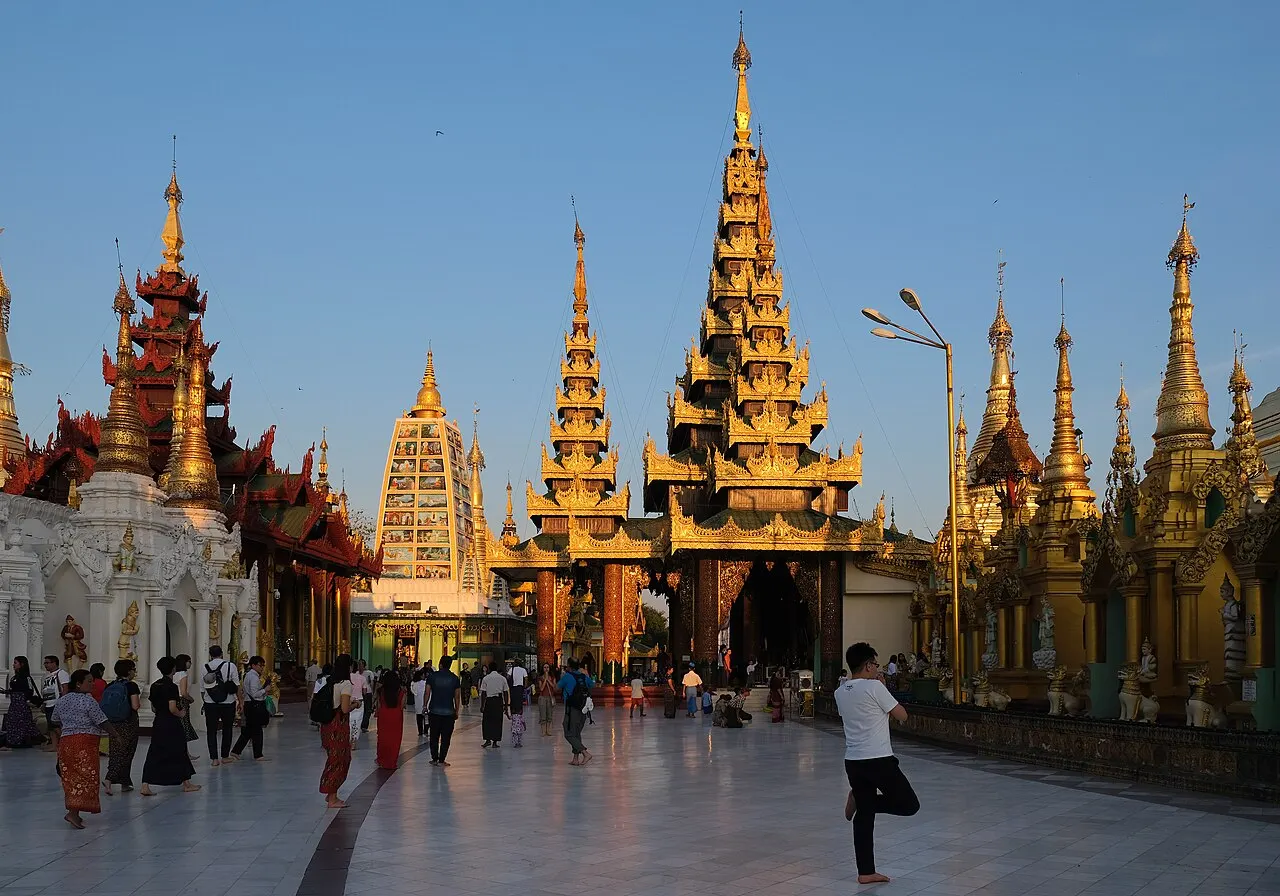
U-Bein Bridge, near Amarapura, is one of the oldest and longest teakwood bridges in the world. Time your arrival for just before sunset and nab a prime photo-taking position on the south side of the river it spans. Golden Rock is another breathtaking sight: Kyaiktiyo Pagoda is perched atop a huge boulder, both teetering on the edge of a cliff. It’s about a five-hour drive from Yangon (also known as Rangoon), Myanmar’s former capital. While in Yangon, you can’t miss Shwedagon Pagoda. We mean it, you really can’t miss it – the 100m gilded stupa sits atop Singuttara Hill and dominates the skyline. It’s the most sacred Buddhist place in Myanmar. Legend claims it was built more than 2500 years ago. With all these amazing places waiting for you to explore, here are some facts about Myanmar before you start your journey.
- Myanmar has a tropical climate, with the southwest monsoon bringing rain from May to October. Roads can become impassable, particularly from July to September. The central plains, however, receive only a fraction of the rain seen on the coast and in the Ayeyarwady delta. From October onwards the rains subside; the best time to visit most of Myanmar is from November to February when temperatures are relatively manageable. From March to May, the country becomes very hot, particularly the dry zone of the central plains where Bagan and Mandalay often see temperatures in excess of 40°C.
- Plenty of original handicrafts for modest prices. In Bagan, the delicate technique of sand painting produces framable works of art depicting butterflies, birds, landscapes, portraits, and more. Tapestry and lacquerware are both popular in these parts, as are handcrafted wooden puppets. Colorful longyi, the wrap-around long skirts worn by men and women, are a low-cost souvenir. Some handicrafts are specific to certain towns or regions, so if you see something you love, buy it. Rubies, jade and pearls are sold in Yangon and Mandalay, but fakes are common – and since 2021 the US has sanctioned Myanmar’s state gem and pearl enterprises, while rights groups link much of the gem trade to conflict. Check your home country’s import and sanctions rules before buying.
- Don’t miss tea leaf salad, mohinga (thin rice noodles in a fishy broth), and Burmese curry. Tourist-friendly tea houses in Yangon, with English menus and air-conditioning, are an easy way to try all three – ask your guide which ones are currently open. Street food is generally good quality, with each stall specializing in one dish. Fried food is everywhere, in the form of samosas, spring rolls, fritters, and fried bread, so nibble in moderation or pack your antacid tablets.
- The local currency is the kyat (pronounced “chat”). Since 2021 the kyat has lost much of its value, the official and market exchange rates have drifted far apart, and the country has gone through cash shortages. Foreign cards are accepted only at some international hotels and may not work in many ATMs, and withdrawal limits and fees are high. Bring enough clean, new US dollar notes as a back-up, exchange money only at banks or licensed changers, and ask your guide or hotel for the current situation. It’s a closed currency – it’s not used anywhere else in the world – so spend or exchange leftover notes before leaving the country. Don’t bother with traveler’s cheques.
- Those chalky swirls you see on the cheeks of women and children is thanaka – a cosmetic paste made from the bark of selected trees. The wearing of thanaka has been happening for at least 2,000 years; it is said to keep skin smooth and protect against sun damage.
- The Moken ‘sea gypsies’ are one of Myanmar’s diverse array of ethnic groups, inhabiting the spectacular Mergui Archipelago off the Andaman Coastline. They traditionally live a nomadic lifestyle, spending most of their time at sea and setting up on land only during monsoon. Their knowledge of the ocean is said to have alerted them to the 2004 tsunami, enabling them to move out of harm’s way.
- Astrology is taken very seriously in Myanmar. The Burmese zodiac comprises the 12 signs of the Western zodiac, plus 27 lunar mansions and 8-weekday signs. E Thi, a blind, deaf-mute Myanmar soothsayer is one of the country’s most famous astrologers. Her high-profile clients include exiled Thai PM Thaksin Shinawatra and ex-junta leader General Than Shwe.
- While the rule of the road in Myanmar was originally to keep to the left, the country switched sides overnight in 1970. Yet for decades most cars imported were second-hand right-hand-drive vehicles from Japan, so you will still see a mix of left- and right-hand-drive cars on the same roads. This is why we recommend a driver!
- Myanmar begins the Buddhist New Year (around April 14-16) with Thingyan, a multi-day celebration of prayers, offerings, traditional dance, parties, and water fights. The sprinkling of water over one’s head is a metaphoric washing away of past evils – a custom that has evolved into full-fledged water fights with cannons, pistols, and buckets.
- Myanmar is one of only three countries in the world not to use the metric system. The country still uses its own units of measurement, though you’ll find gas measured in gallons and distances in miles. Weight is a bit trickier, with 1 viss (peittha) equal to 1.68 kilograms (3.5 pounds).
- If you bring US dollars, keep your bills pristine – banks and money changers usually accept only nigh-perfect notes (new series, uncrumpled, unfolded, no marks). For paying in local shops, break larger kyat notes and keep small notes handy.
- Yangon is not the capital! Around 320 kilometers from Yangon lies Naypyidaw, Myanmar’s shiny new capital. Construction of this planned city began in 2002 in the middle of the empty countryside, and it was announced the new capital, taking the title from Yangon, in 2006. The name literally translates to ‘abode of the king’, and is used as a suffix for royal capitals.
- The thing everyone is chewing is betel leaf. Chewed for its stimulant properties it stains the mouth red and can lead to tooth decay and oral cancer. The practice of betel-chewing in Myanmar predates recorded history.
- Untreated rubies from Mogok in the Mandalay Region and Mong Hsu in Shan State are high in chromium and low in iron, giving them high fluorescence and that coveted ‘pigeon’s blood’ hue. Burmese rubies hold the auction records: the 25.59-carat ‘Sunrise Ruby’ sold for about USD 30 million at Sotheby’s Geneva in 2015. Note that since the 2021 coup the US has again sanctioned Myanmar’s state gem enterprise, so check the rules before you buy or bring gems home.
- The mountains of Myanmar offer a favorable climate for grape growing, and a couple of vineyards have opened up, producing their own wines. Wineries such as Aythaya and Red Mountain, near Taunggyi and Inle Lake, have offered tastings – check whether they are open before you go.
Cover photo: kallerna, CC BY-SA 4.0, via Wikimedia Commons
Tour with a licensed local guide
See all tours →Comments
Be the first to leave a comment.
Leave a comment
Related posts
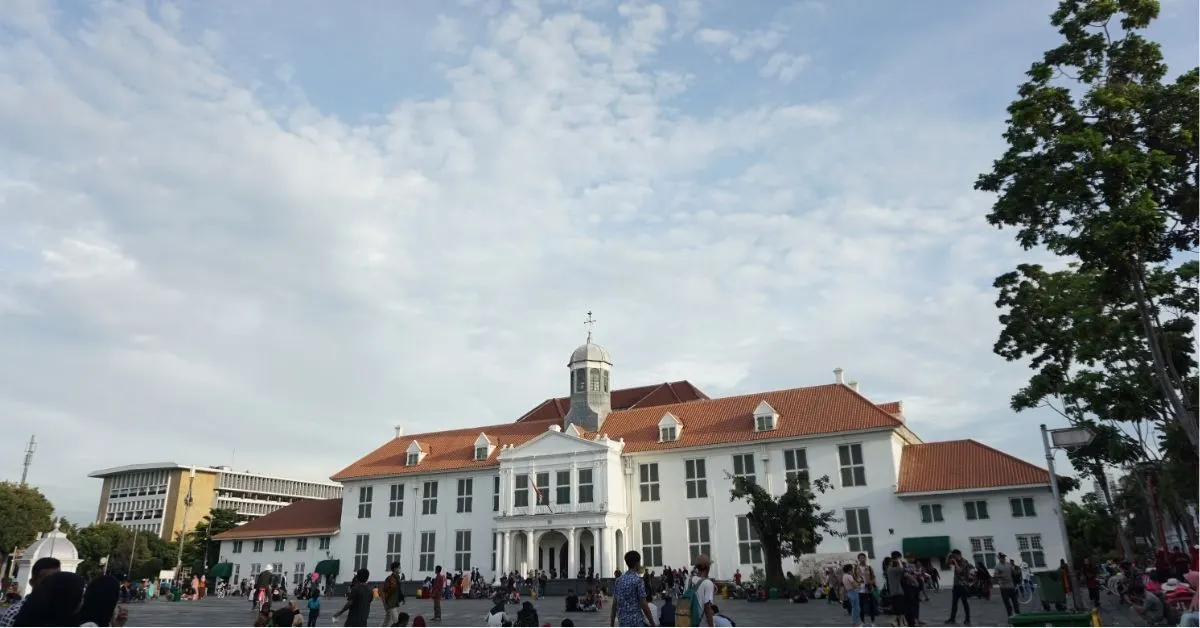
Finding Treasures in Old Town Jakarta: Things To Do In Kota Tua Jakarta
Kota Tua Jakarta ("Jakarta Old Town" or "Old Town Jakarta"), officially known as Kota Tua, is a neighborhood comprising the original downtown area of Jakarta, Indonesia.
Apr 20, 2021
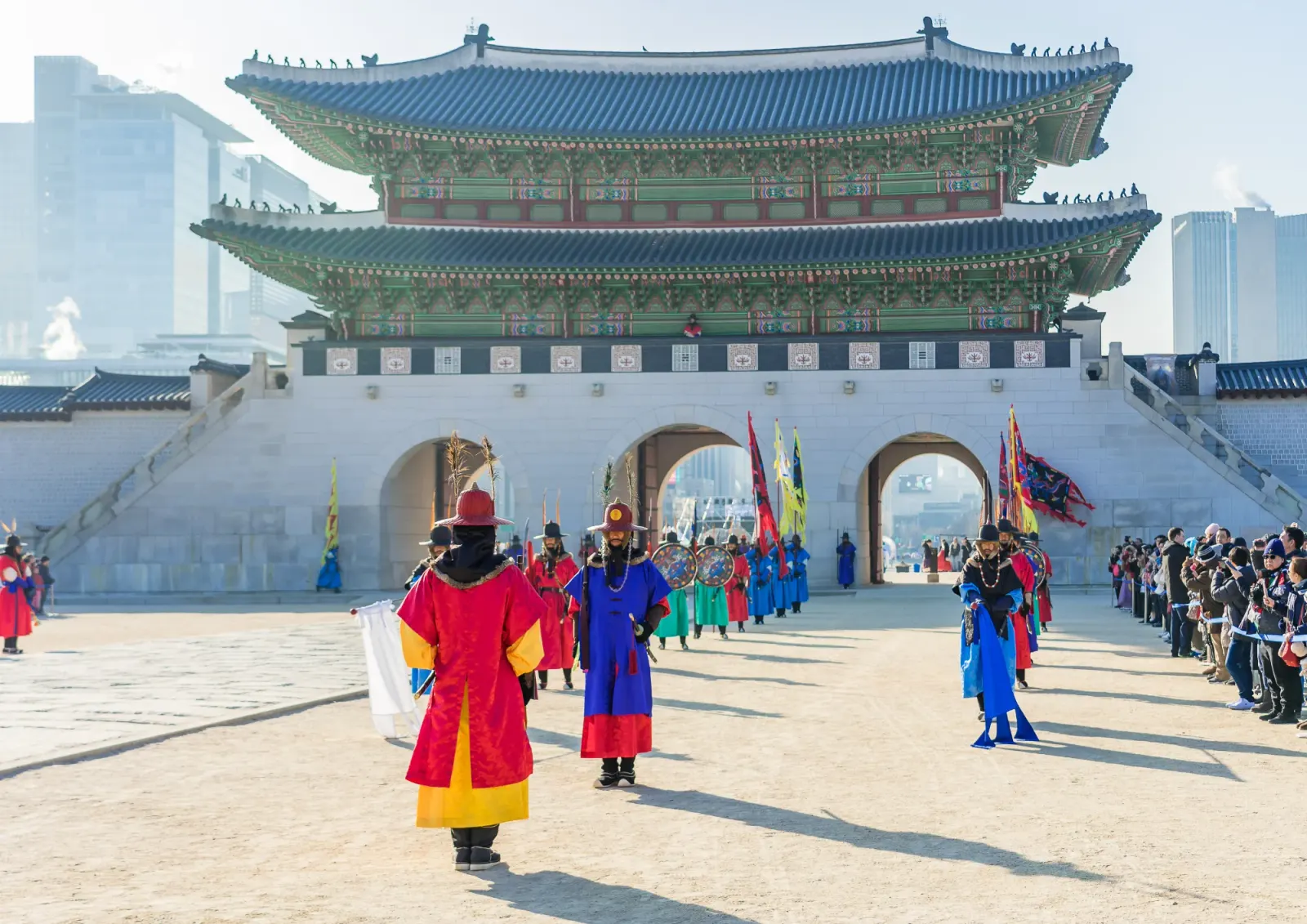
10 Reasons Why You Should Visit South Korea
One of the most exciting destinations to visit after the coronavirus pandemic is South Korea. This is a magical country that has kept its culture, traditions, and values alive throughout the years. Its distinct cuisine, modern entertainment, and signs of ancient civilizations place it among the best
Apr 13, 2021
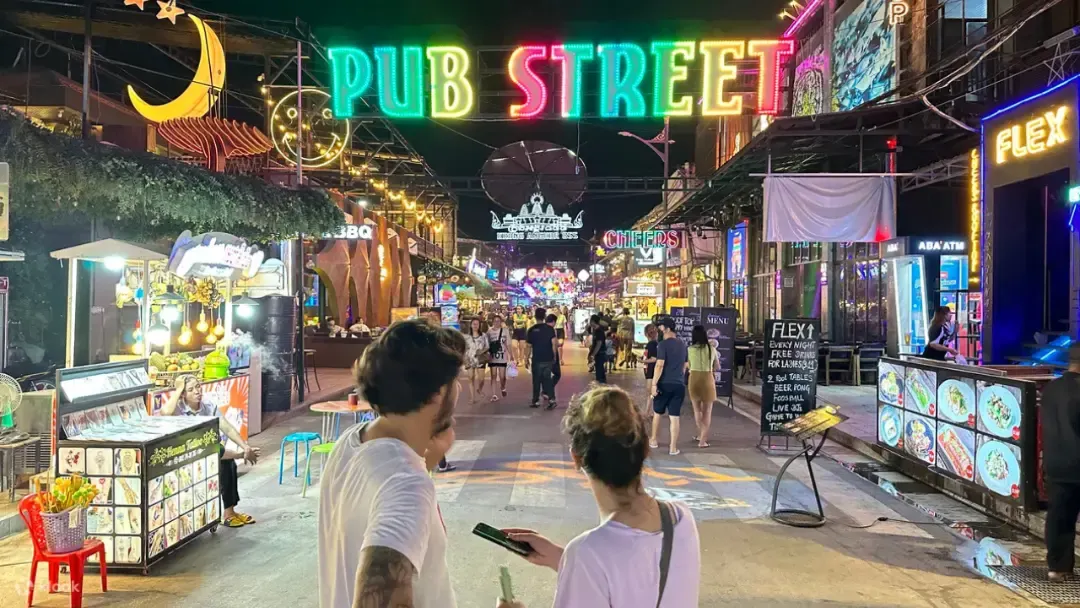
Siem Reap, Cambodia: What to Do Besides the Temples
Cambodia is a country in Southeast Asia best known for its temples and turbulent recent history. Siem Reap is located in the northwestern portion of Cambodia, and is the gateway to the greater Angkor region, the former capital of the Khmer Empire. The temples of Angkor are surely the highlight of Si
Mar 23, 2021