
Transportation in South Korea
While South Korea might not yet be the number one travel destination for many around the world, there are plentiful reasons why you should visit the country of the morning calm on your next vacation. From history to culture and food to religion. In contrast to its historic landmarks, South Korea is a pioneer in creating new and innovative structures.
While South Korea might not yet be the number one travel destination for many around the world, there are plentiful reasons why you should visit the country of the morning calm on your next vacation. From history to culture and food to religion. In contrast to its historic landmarks, South Korea is a pioneer in creating new and innovative structures.
Looking at Seoul, for example, you are surrounded by futuristic buildings in one part of the city, such as the Dongdaemun Design Plaza by Zaha Hadid, while traditional hanok neighborhoods lie just around the corner. Seoul has an extensive network of public transportation and taxis. Consistently voted as one of the best in the world for its ease of use, cleanliness, and frequency of service, the Seoul subway system is one of the most efficient ways to travel around the city. Here is a guide to transportation in South Korea.
Subways
The Seoul Metropolitan Subway is one of the busiest rapid transit systems in the world. Numbered lines 1–9 plus a growing set of named lines (such as the Airport Railroad, Shinbundang and Gyeongui–Jungang lines) serve Seoul and the surrounding areas of Gyeonggi, Incheon and northern Chungnam, and new express GTX lines started opening in 2024. Station names and announcements are in Korean and English.
The system is as much a regional commuter railway as an urban subway system. Without technically leaving the network, one can travel from Asan over 50 miles to the south of central Seoul, all the way up to the North Korean border 20 miles north of the city.
In order to use the subway, the first step is purchasing the right transportation card or ticket to meet your needs. Passengers can buy either a Single Journey Ticket or a rechargeable card like Tmoney, Cashbee, or MPASS for multiple uses. Single Journey Ticket cards can be purchased using a ticket vending machine and require a small additional security deposit. The deposit can be refunded when returning the card through a deposit refund machine after use.
Buses
In Korea, the city bus is one of the most convenient and readily available means of transportation. Throughout the country, city buses provide an easy way to reach any destination, with special colors or numbers to designate each route.
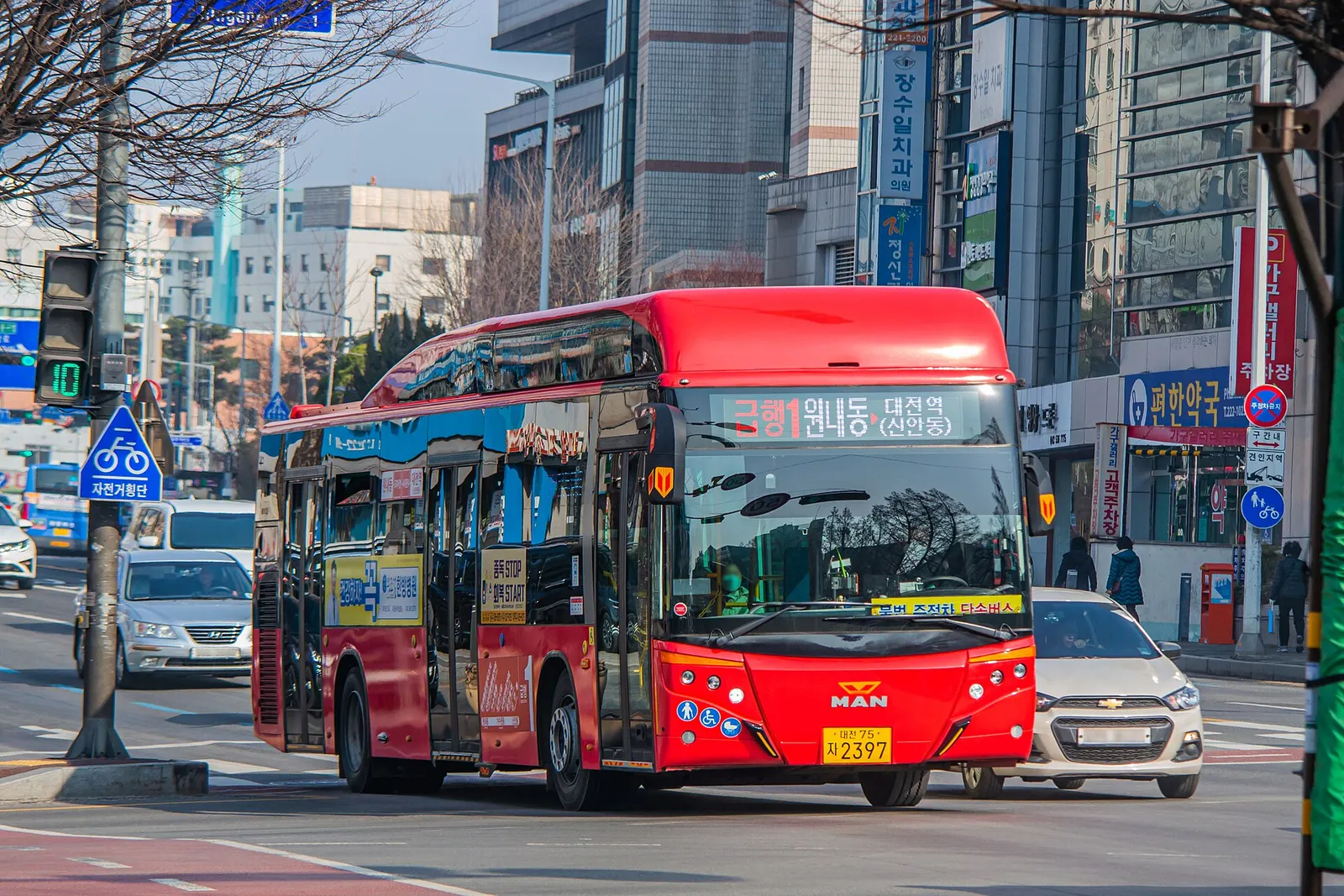
Buses in Seoul are classified by color to differentiate the bus types: blue buses travel on major roads and run for relatively long distances through Seoul; green buses travel shorter distances and carry travelers between transfer points such as subway stations and longer bus routes; red buses are express buses that travel from Seoul to suburban areas; yellow buses operate on a closed circuit within a district of Seoul. Pay with a transportation card (or a mobile payment) when boarding – Seoul has been turning more and more routes into cashless buses, so don’t count on paying in cash. If using a transportation card, passengers can get a transfer discount when changing to the subway system or another bus line.
Read more:New Travelers to Korea?The Dos & Don’t You Should Know it.
Taxi
Taxis in Seoul are an inexpensive and useful means of transportation. Abundant and inexpensive, it’s easy to flag one down on the streets or find one of the many taxi stands located around major tourist destinations. Taxis in Korea are clean, safe, and reasonably inexpensive. There are taxi stands in many of the busy areas of most Korean cities. Alternatively, they can be hailed down in the street by raising your arm palm down. Some taxi services will come directly to a predetermined pickup spot for an additional service fee.
There are two main types of taxi services operating in South Korea, Regular and Deluxe “Mobeom”. The Deluxe service is typically found in the larger cities so the bulk of the taxis one would see are the Regular service taxis.
Taxis in Korea run on the meter. Fares vary based on the type of taxi, the distance traveled and the time of day (there is a late-night surcharge). Many visitors use the Kakao T app to call a taxi, and most taxis accept transportation cards and credit cards.
Many taxi drivers can speak some limited English but it’s a good suggestion to get a Korean friend or co-worker to write down your destination on a piece of paper in Hangul so that you can offer it to the taxi driver in case he does not speak any English at all.
You may hear of “hapseung” – a driver picking up extra passengers heading the same way. It is illegal, so if a driver suggests it, you are free to decline.
Train
Train fare depends on train type and distance traveled. Korea has an extensive rail network; the main trunk lines include the Gyeongbu Line, the Honam Line, the Gyeongjeon Line, and the Jeolla Line.
The Gyeongbu Line connects Seoul and Busan, and the Honam Line runs from Yongsan Station in Seoul to Mokpo in the southwest. The Gyeongjeon Line connects Seoul and the southeastern part of Korea such as Jinju and Changwon. The Jeolla Line runs across the southwestern part of Korea, and its major stops include cities like Jeonju, Namwon, Suncheon, and Yeosu.
Classes of Korean trains depend on the speed and the amenities offered onboard. In Korea, there are high-speed KTX trains (including KTX-Sancheon and KTX-Eum) and SRT trains from Seoul’s Suseo Station, and the non-express Saemaeul, ITX-Saemaeul, ITX-Cheongchun, Mugunghwa, Nuriro and tourism trains.
Public Bikes
Seoul Public Bike is an excellent and easy to use bike rental system that operates throughout the city. The bold green and white bicycles can be found at docking stations near many subway exits and popular tourist attractions, and users can rent or return the bikes at any station. Different pricing plans are available, depending on how often you plan to use the bike service. A one-hour pass costs about 1,000 won, paid through the Seoul Bike (Ttareungyi) app – there is an option for foreign visitors – and no cash is accepted. Helmets aren’t provided, so plan accordingly.
Read more:Nightlife in South Korea: A Proper Night Out, Korean Style
Comments
Be the first to leave a comment.
Leave a comment
Related posts
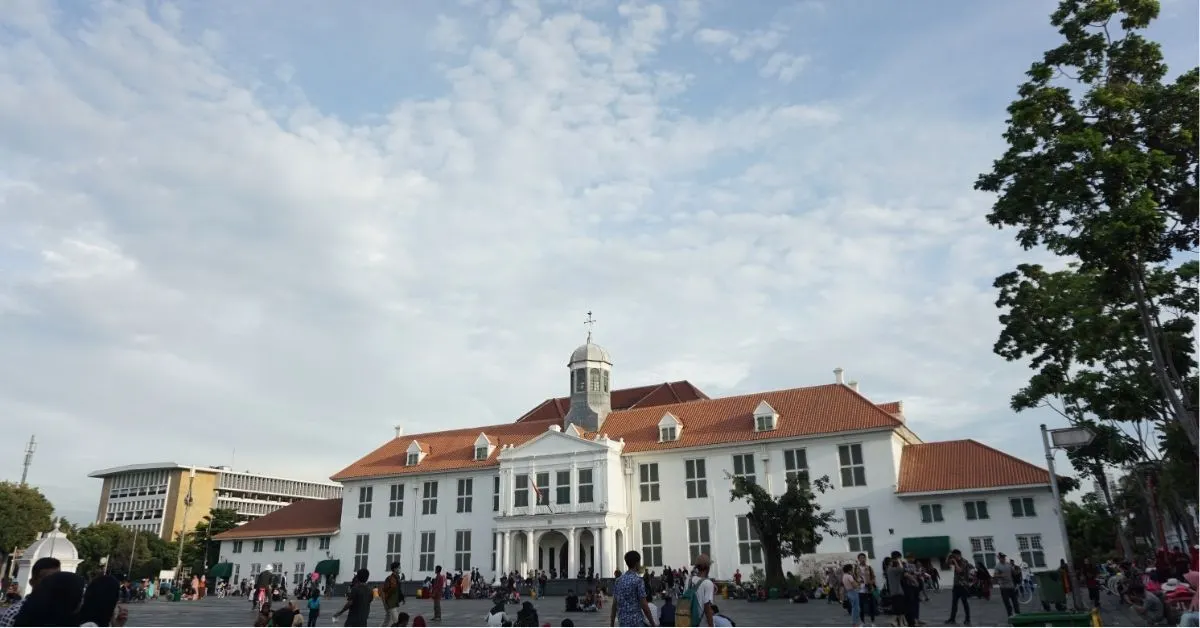
Finding Treasures in Old Town Jakarta: Things To Do In Kota Tua Jakarta
Kota Tua Jakarta ("Jakarta Old Town" or "Old Town Jakarta"), officially known as Kota Tua, is a neighborhood comprising the original downtown area of Jakarta, Indonesia.
Apr 20, 2021
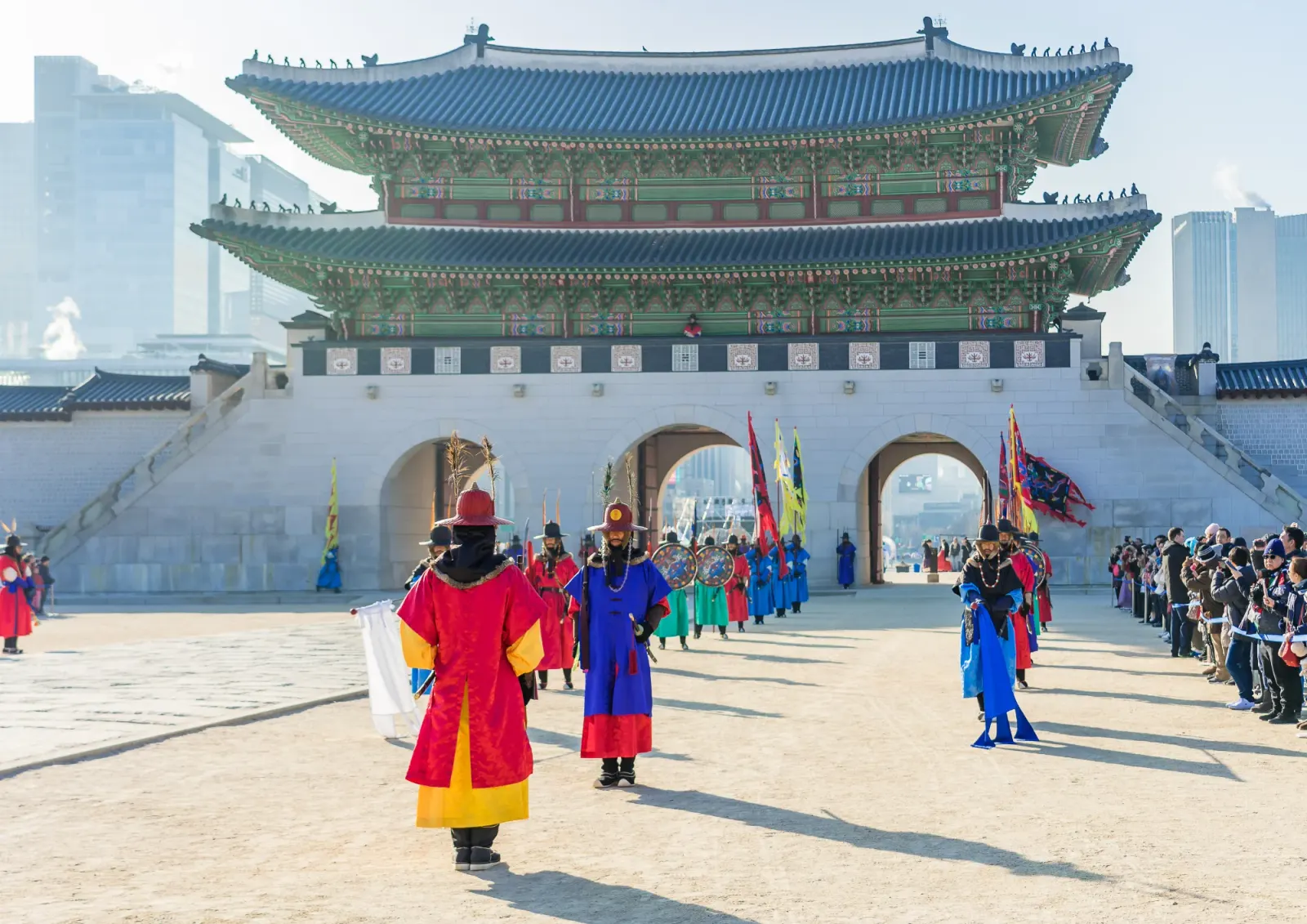
10 Reasons Why You Should Visit South Korea
One of the most exciting destinations to visit after the coronavirus pandemic is South Korea. This is a magical country that has kept its culture, traditions, and values alive throughout the years. Its distinct cuisine, modern entertainment, and signs of ancient civilizations place it among the best
Apr 13, 2021
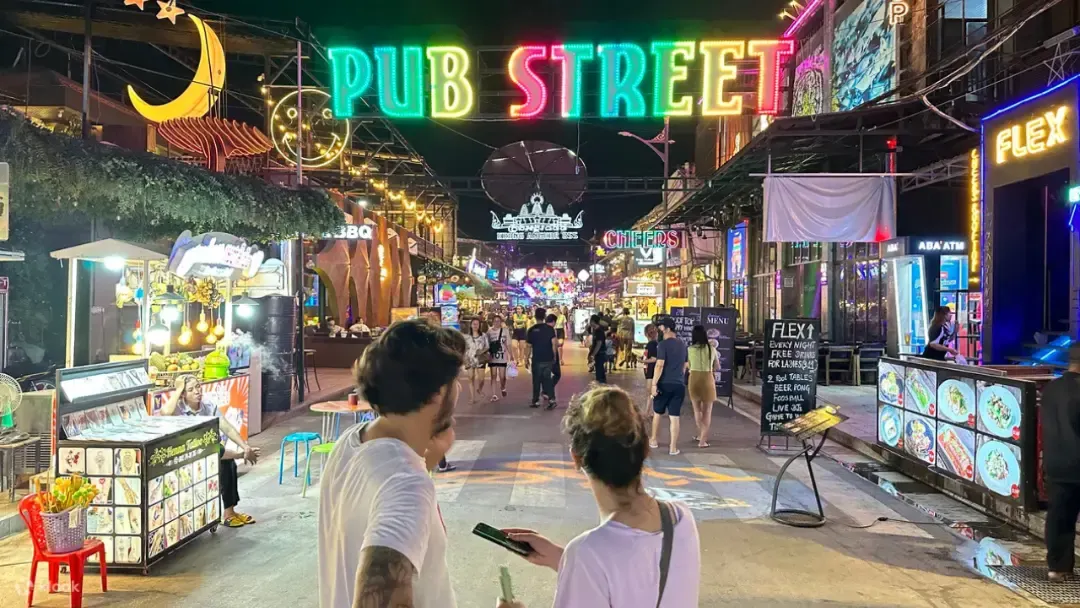
Siem Reap, Cambodia: What to Do Besides the Temples
Cambodia is a country in Southeast Asia best known for its temples and turbulent recent history. Siem Reap is located in the northwestern portion of Cambodia, and is the gateway to the greater Angkor region, the former capital of the Khmer Empire. The temples of Angkor are surely the highlight of Si
Mar 23, 2021