
Top 11 Tourist Attractions in South Korea
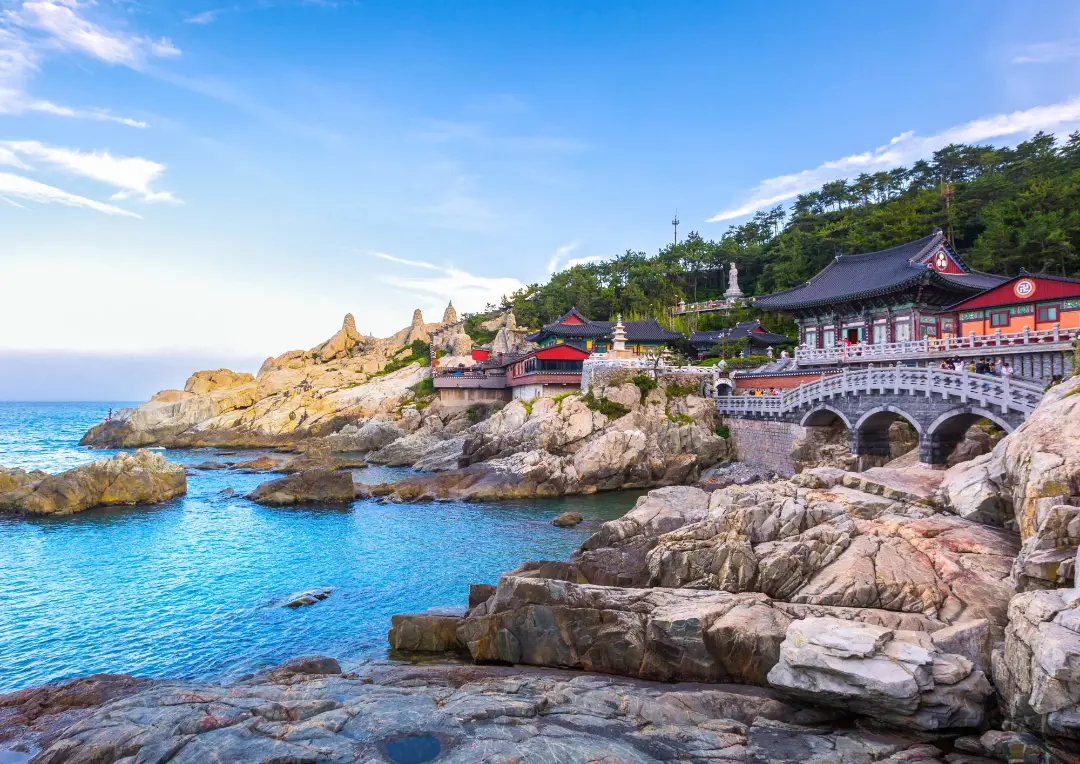
In contrast to its historic landmarks, South Korea is a pioneer in creating new and innovative structures. Looking at Seoul, for example, you are surrounded by futuristic buildings in one part of the city, such as the Dongdaemun Design Plaza by Zaha Hadid, while traditional hanok neighborhoods lie just around the corner. Beyond the big cities, you will still find quiet rural areas giving insight into the traditional Korean lifestyle.
South Korea is world-famous for its exciting music culture. K-pop is not only a music genre, but it’s also part of Korean culture that captures people all over Asia and the world. Despite its small size, South Korea is home to 23 national parks with countless mountains. The island of Jeju has the highest peak in South Korea, the shield volcano Hallasan. With so much to explore, we have a list of the top tourist attractions in South Korea here for you.
Seoul
The dazzling capital city will impress you with its dizzying mix of modern architecture, party vibes, pop culture, beautiful parks & glittering promenades making it one of the most famous places in South Korea and the best cities to visit in South Korea. Seoul has many temples and four major palaces such as Gyeongbokgung, one of the most famous.
Busan
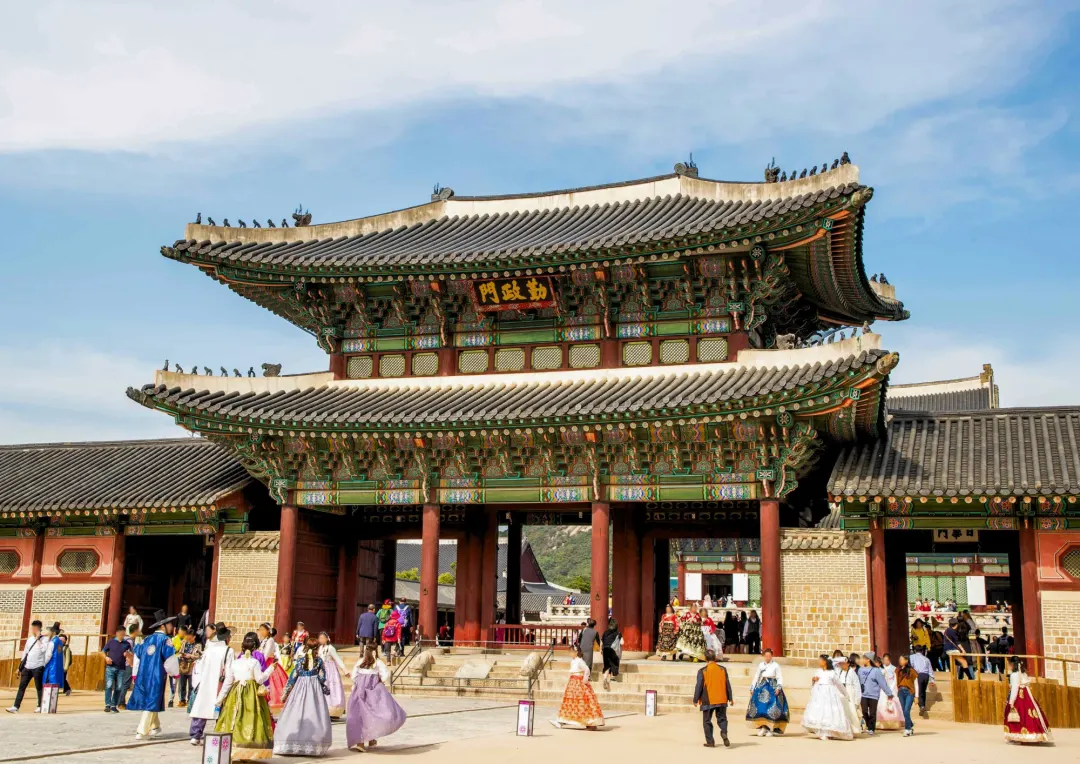
Busan is undoubtedly one of Korea’s greatest travel destinations, boasting great beaches, unique attractions, and a flourishing art scene. Busan is home to Korea’s largest and most popular beach, Haeundae. Beyond the sea of parasols that line the shore in a beautiful color-coordinated formation, the sea dazzles and entices.
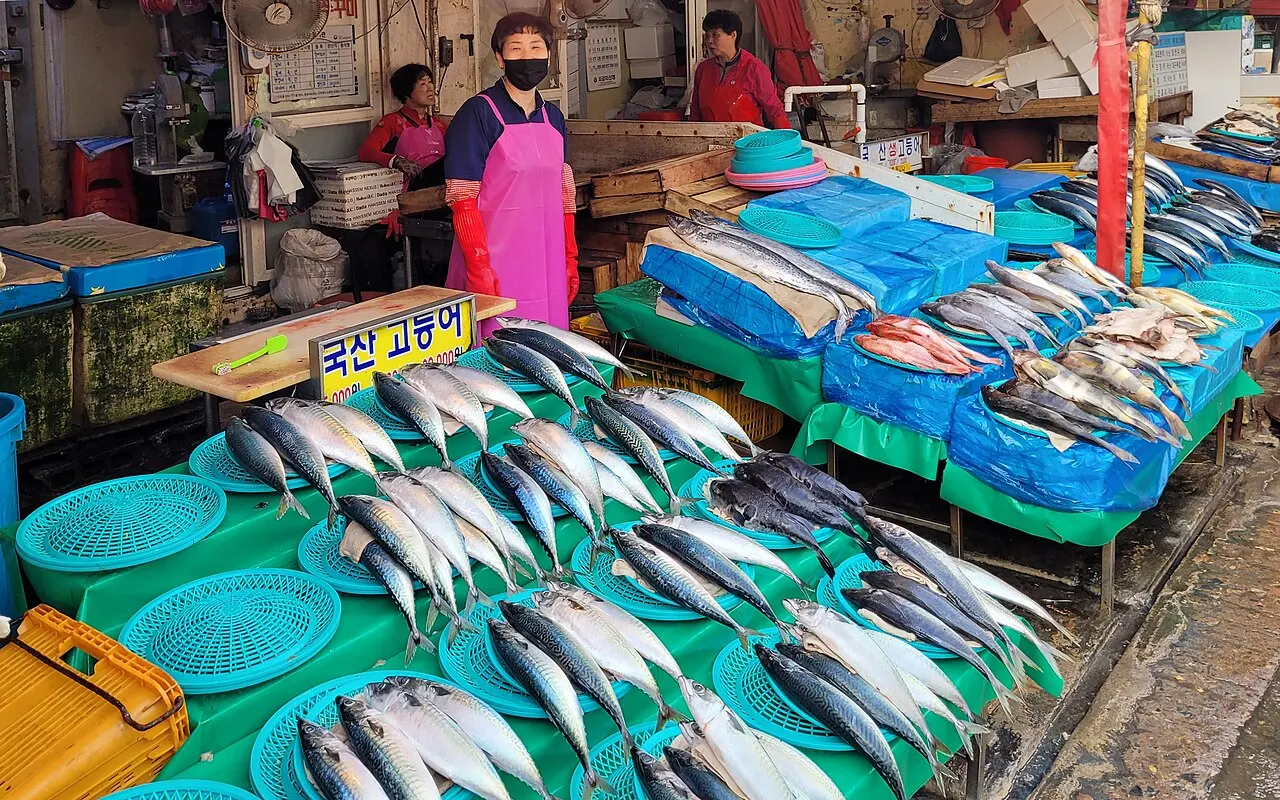
Quite possibly the most iconic attraction in Busan is Taejongdae Park, which features magnificent cliffs, fabulous ocean views, and a lighthouse.
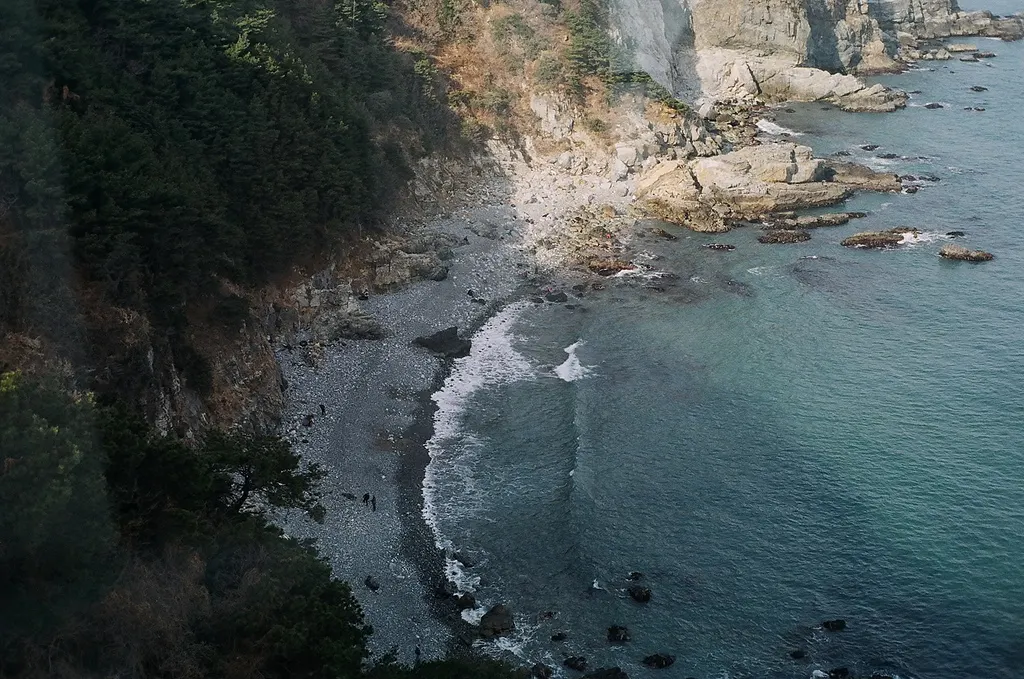
Jagalchi Fish Market is the largest seafood market in Korea. If you have an appetite for fresh, raw, or even live seafood, this is the perfect place to visit.
Gamcheon Culture Village
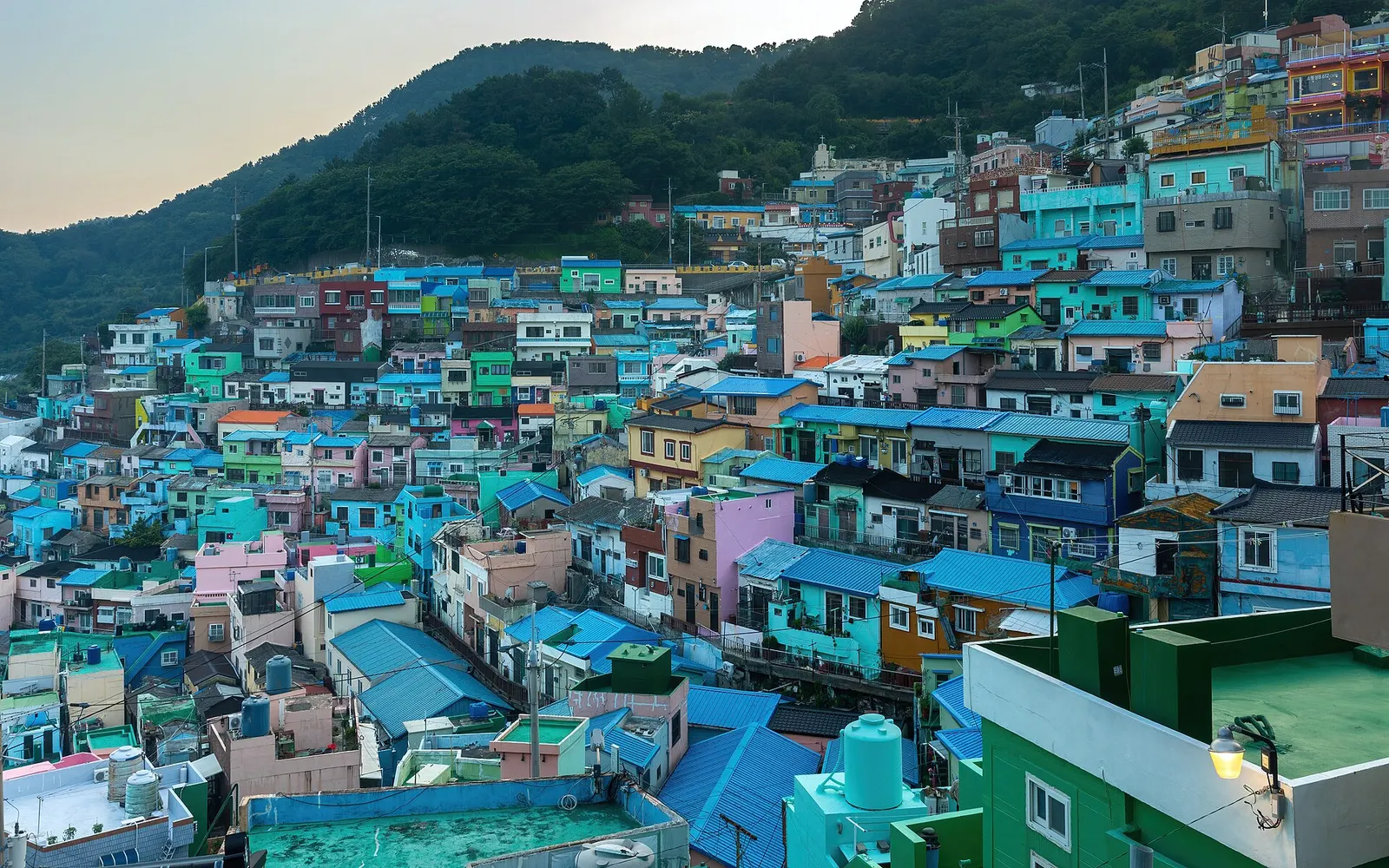
In this quirky town, you’ll find colorful houses and walls splashed with interesting murals. One of the things you must do in Gamcheon Culture Village is to get off the touristy main road, purposely “lose” your way and explore the labyrinthine alleyways at a slow pace. Call it the “Santorini of Korea” or appreciate it in its own unique right; Gamcheon Culture Village is a wonderful gem just waiting to be discovered.
Read more:New to Korea? 7 Must-do Things to Explore Korean Culture
Jeju Island
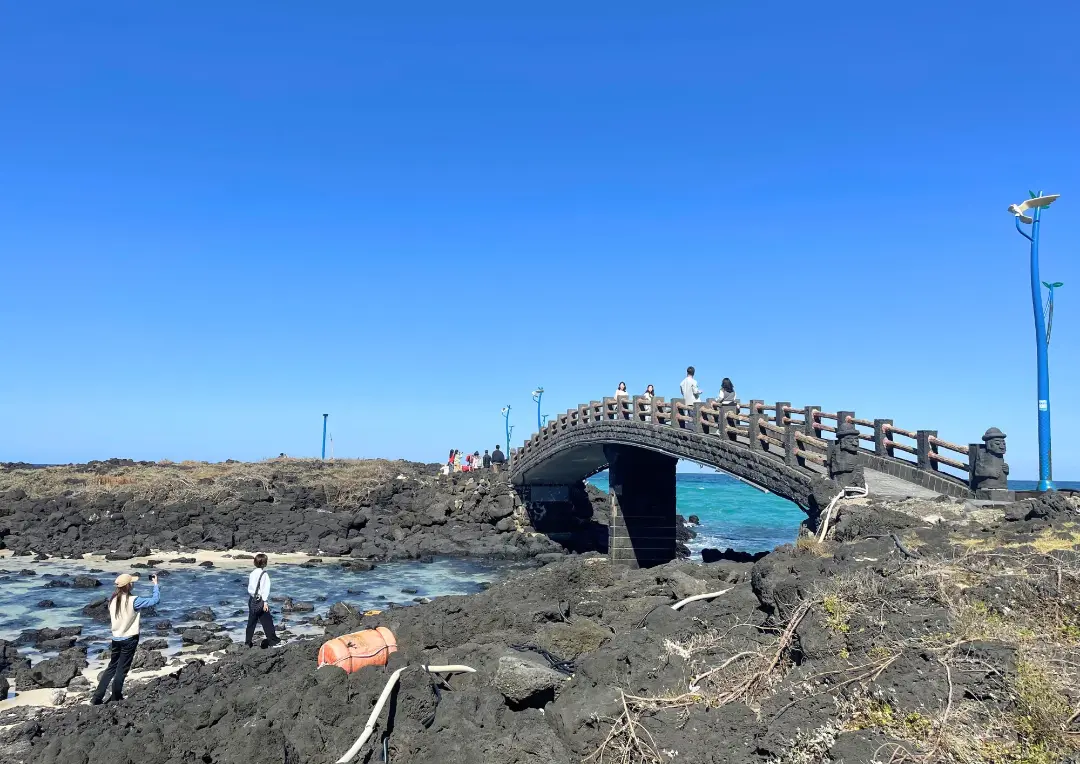
In 2007, UNESCO inscribed "Jeju Volcanic Island and Lava Tubes" onto its list of World Heritage Sites, highlighting Geomunoreum, "regarded as the finest lava tube system of caves anywhere, with its multicolored carbonate roofs and floors, and dark-colored lava walls."
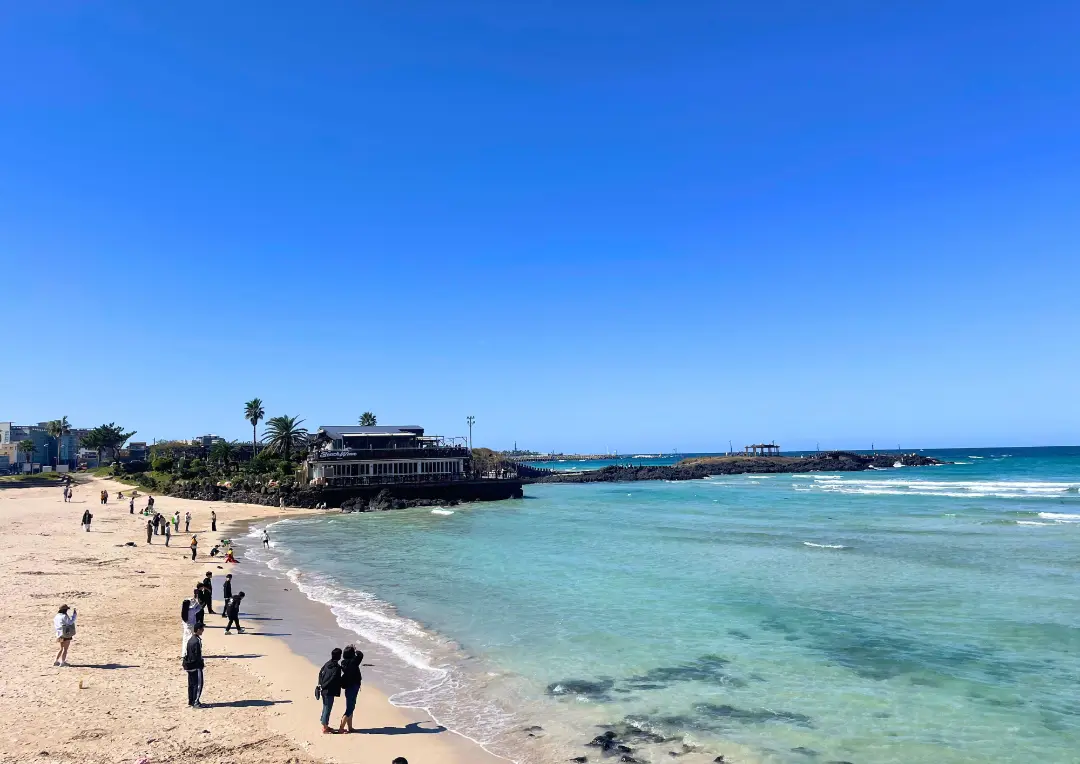
Jeju is also home to haenyeo divers, also known as "Korean mermaids." These women, often elderly, have taken up diving the ocean for abalone, sea urchin, octopus, and seaweed.
Andong Hahoe Folk Village
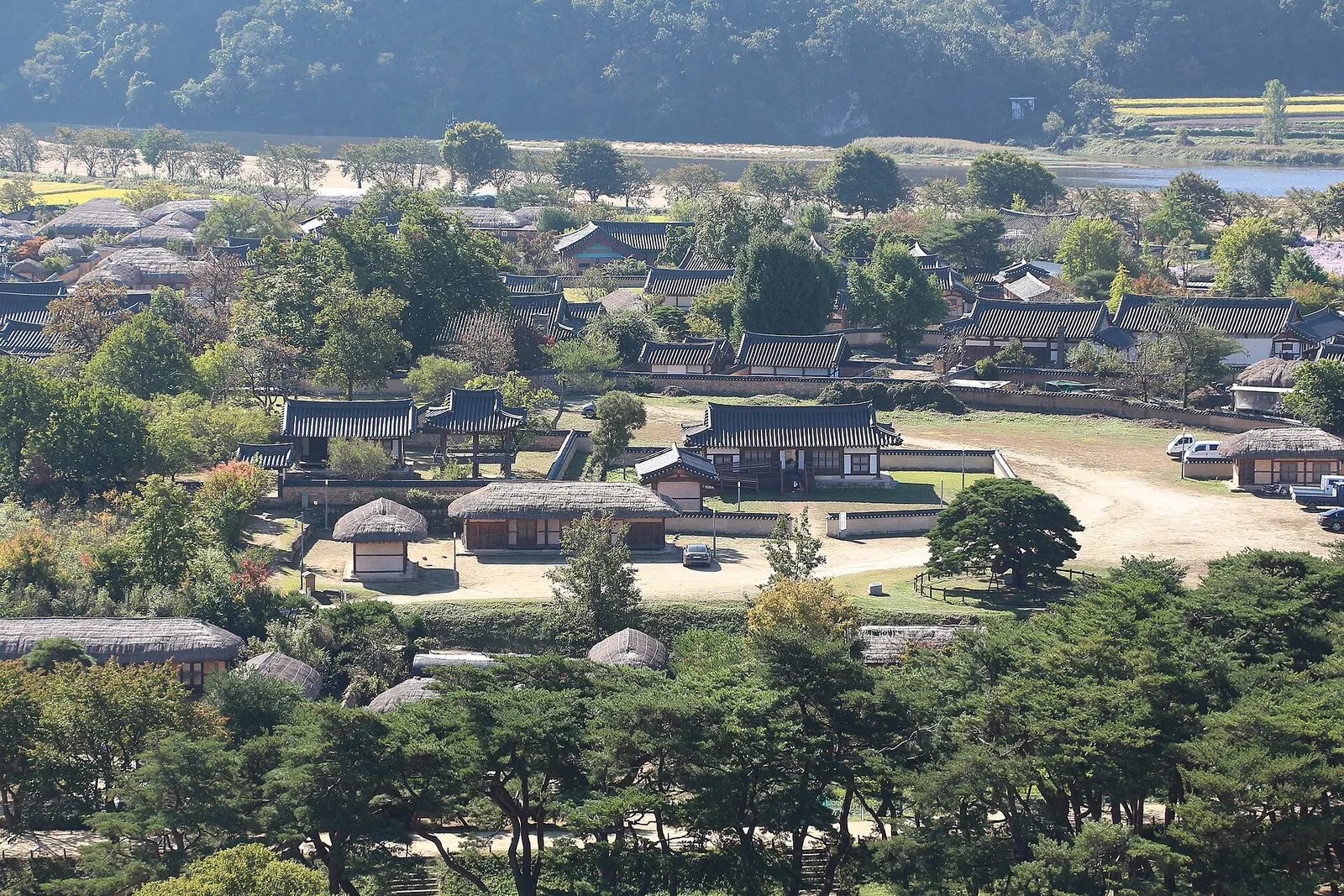
This delightful traditional riverside village – a Unesco World Heritage site – is a place to commune with the traditional fabric of old Korea and, in the busy months, with large crowds of visitors. Hahoe Village is home to descendants of the Ryu clan of Pungsan and is well-known for its traditional houses. Birthplace of renowned scholars of the Joseon period such as Gyeomam Ryu Un-ryong and Seoae Ryu Seong-ryong.
Gyeonghwa Station (Jinhae)
Gyeonghwa Station in Jinhae, Changwon, is a small disused railway station lined with cherry trees along the old tracks. It is quiet most of the year but gets very crowded during the cherry blossom season in early spring, when the Jinhae Gunhangje Festival takes place. This place is a favorite haunt for photographers who can capture the true essence of the Cherry blossoms falling down on the track and making a picture-perfect moment. The view of the old railway running through the cherry blossom tunnel is absolutely unmissable and surreal.
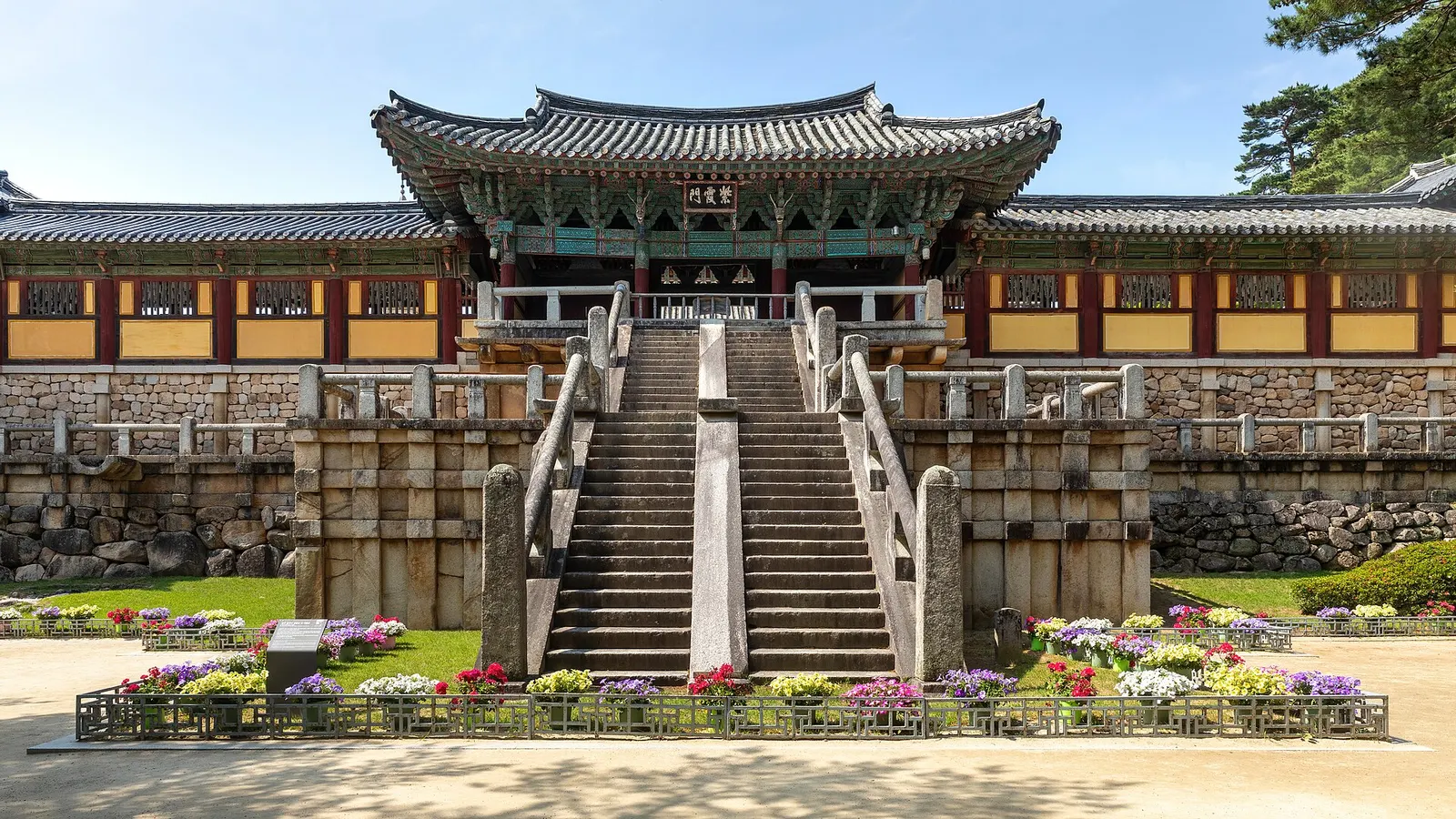
Bulguksa Temple
This temple is a UNESCO listed heritage site that is considered to be amongst the most famous historic places to visit in South Korea and one of the most popular South Korea tourist places. It features two granite pagodas on either side of the temple that adds to the grandeur beauty of this place.
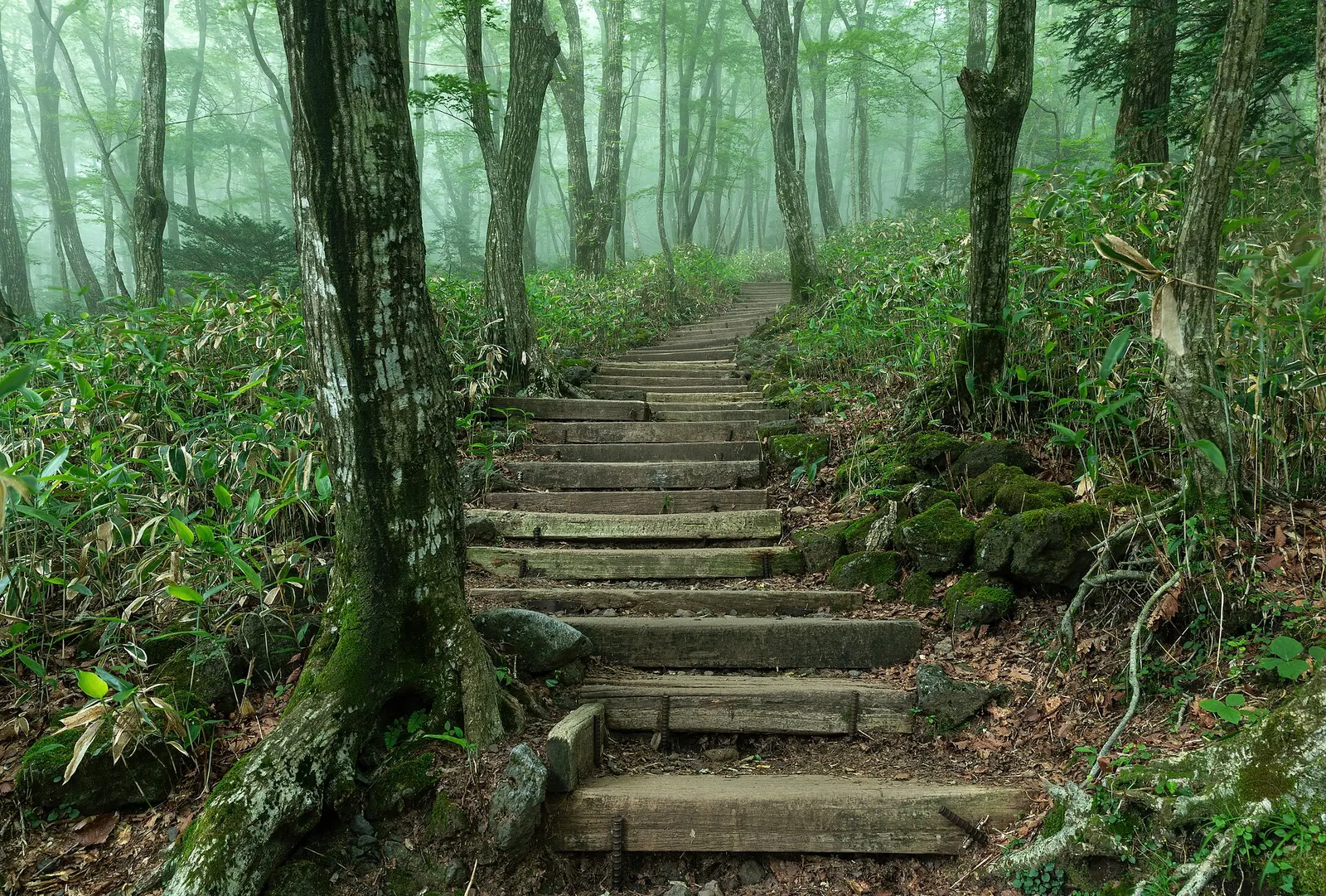
Halla Mountain
Mt Hallasan is a dormant volcano inside Hallasan National Park on the magnificent Jeju Island, just off the southern tip of the Korean peninsula. You’ll be pleased to hear that it doesn’t smoke, it doesn’t belch fire, it doesn’t do any of those dangerous things. It is the tallest mountain in South Korea, and when it snows, the snowflakes make for a gorgeous view, and the icicles that cover the tree branches inspired the Halla Snow Festival which used to be held annually in late January or early February. The festival is no longer held, but the snowflakes are still there and the mountain makes for a great sight and must not be missed!
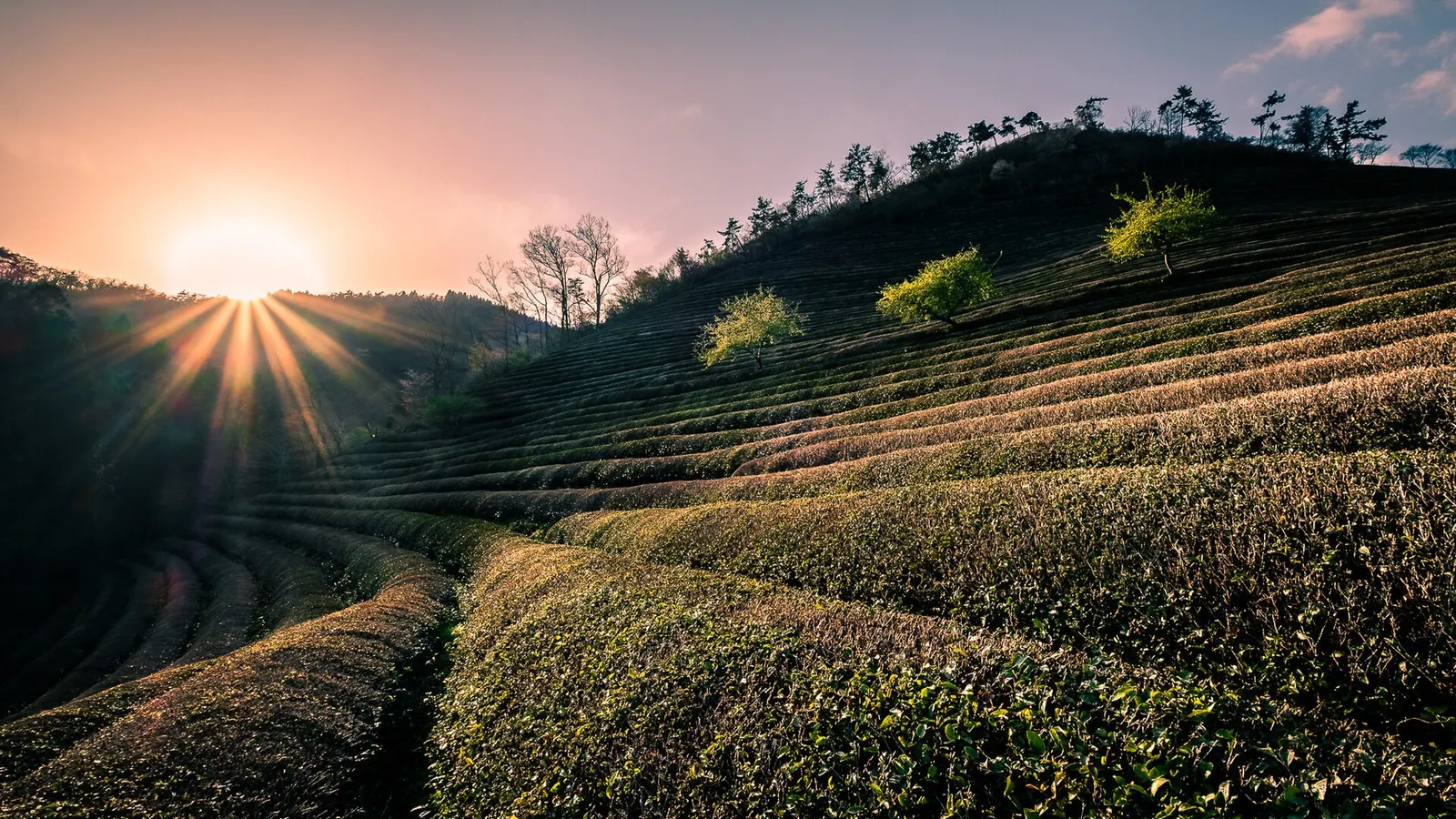
Boseong Green Tea Field
The green tea fields are built on a tall hill, and basically you climb up and around. They’re very beautiful, and it’s definitely worth it, but make sure you have a lot of water with you! The experience is even better because there really aren’t very many tourists and even fewer that go up and around the whole loop. Overall, it takes one to two hours to loop up, around, and back. Today there are over 5.8 million tea trees and 3 million other trees around, and Boseong as a whole is responsible for 40% of Korea’s tea production.
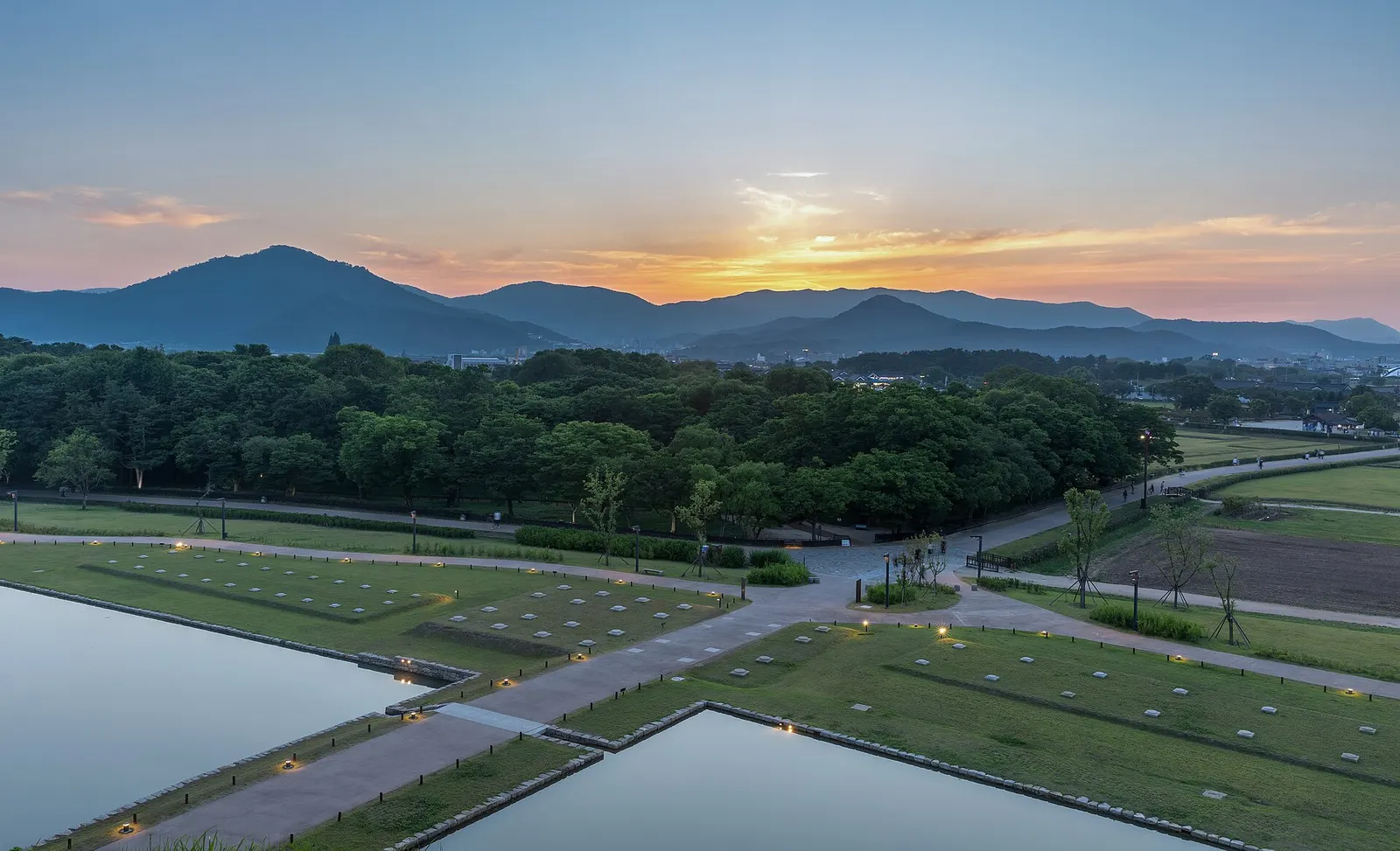
Gyeongju
Often called the ‘museum without walls’, there is no argument that Gyeongju deserves the title as the ancient capital city of the 1,000 years long Silla Dynasty. Absolute heaven for any history buff, there is bound to be something waiting to be discovered at every corner in Gyeongju. Whether it be royal tombs that look like gentle hills or the ruins of what used to be Korea’s largest temple, the ancient capital is overflowing with culture.
Upo Marsh
The Upo Wetlands have been on the UNESCO World Heritage Site Tentative List since 2011. The wetlands, composed of 2.3 square kilometers of main wetland and many smaller ones scattered around it, were previously inscribed on the Ramsar List of Wetlands of International Importance in 1998. In the early morning, the wet fog on the wetland’s surface creates a misty and mysterious atmosphere, while during the day, the greens accentuate the primitive nature. At sunset, the sun smudges the sky and creates a spectacular scene ― if you are lucky you may observe troupes of migratory birds flying across the setting sun. At night, the insects and animals start to create noise, beautiful enough to sit back and listen to.
Read more:Nightlife in South Korea: A Proper Night Out, Korean Style
Comments
Be the first to leave a comment.
Leave a comment
Related posts
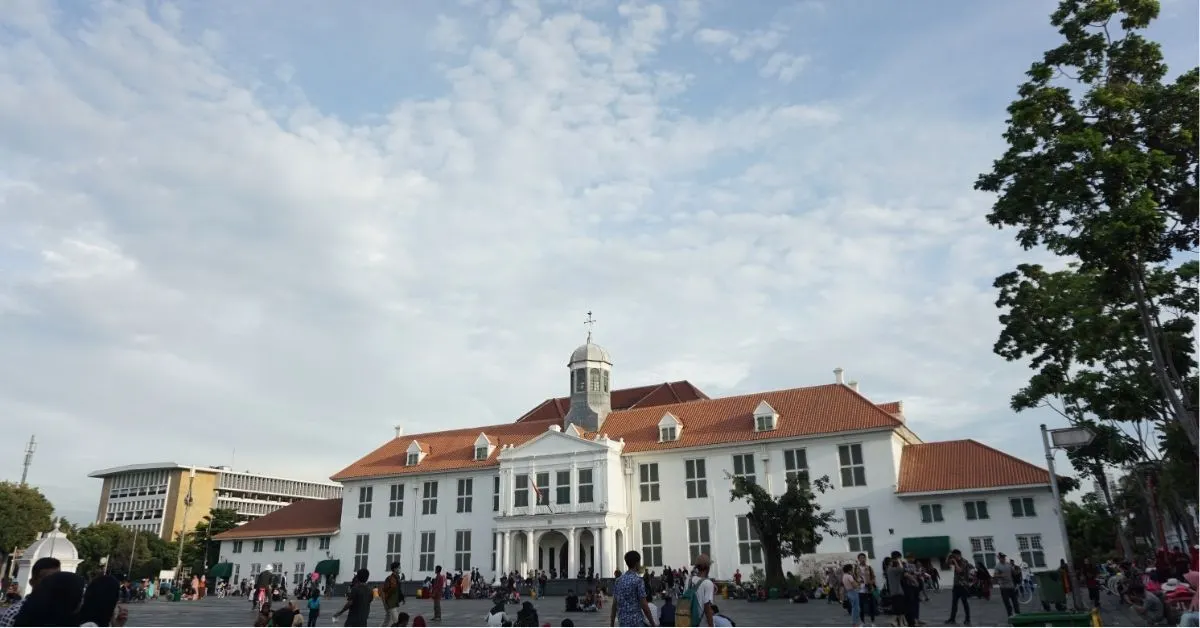
Finding Treasures in Old Town Jakarta: Things To Do In Kota Tua Jakarta
Kota Tua Jakarta ("Jakarta Old Town" or "Old Town Jakarta"), officially known as Kota Tua, is a neighborhood comprising the original downtown area of Jakarta, Indonesia.
Apr 20, 2021
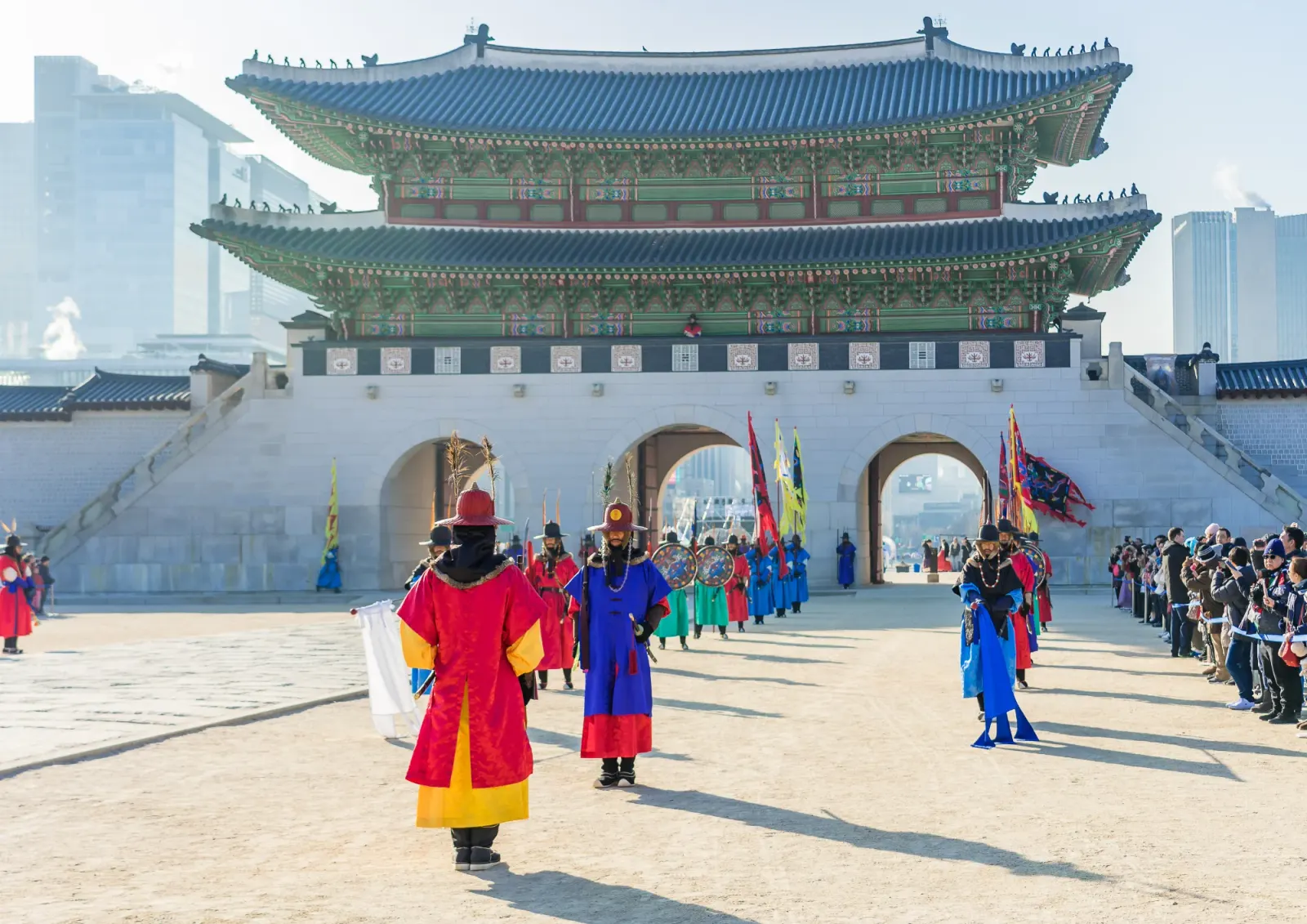
10 Reasons Why You Should Visit South Korea
One of the most exciting destinations to visit after the coronavirus pandemic is South Korea. This is a magical country that has kept its culture, traditions, and values alive throughout the years. Its distinct cuisine, modern entertainment, and signs of ancient civilizations place it among the best
Apr 13, 2021
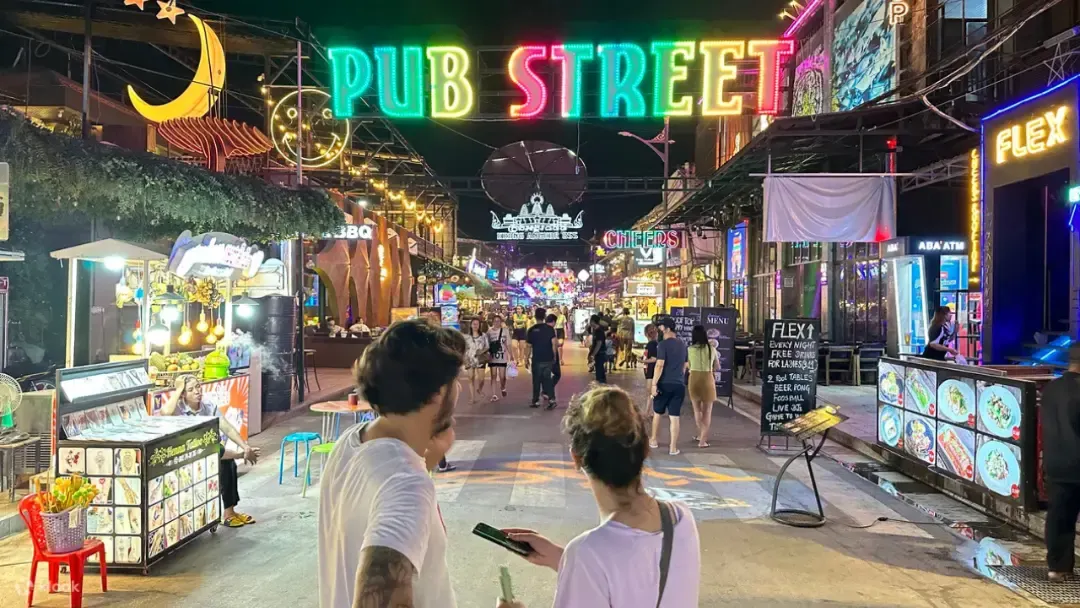
Siem Reap, Cambodia: What to Do Besides the Temples
Cambodia is a country in Southeast Asia best known for its temples and turbulent recent history. Siem Reap is located in the northwestern portion of Cambodia, and is the gateway to the greater Angkor region, the former capital of the Khmer Empire. The temples of Angkor are surely the highlight of Si
Mar 23, 2021