
Understanding Taiwanese Tea Culture | 4 Types of Tea You Need to Know and 5 Places to Find Them
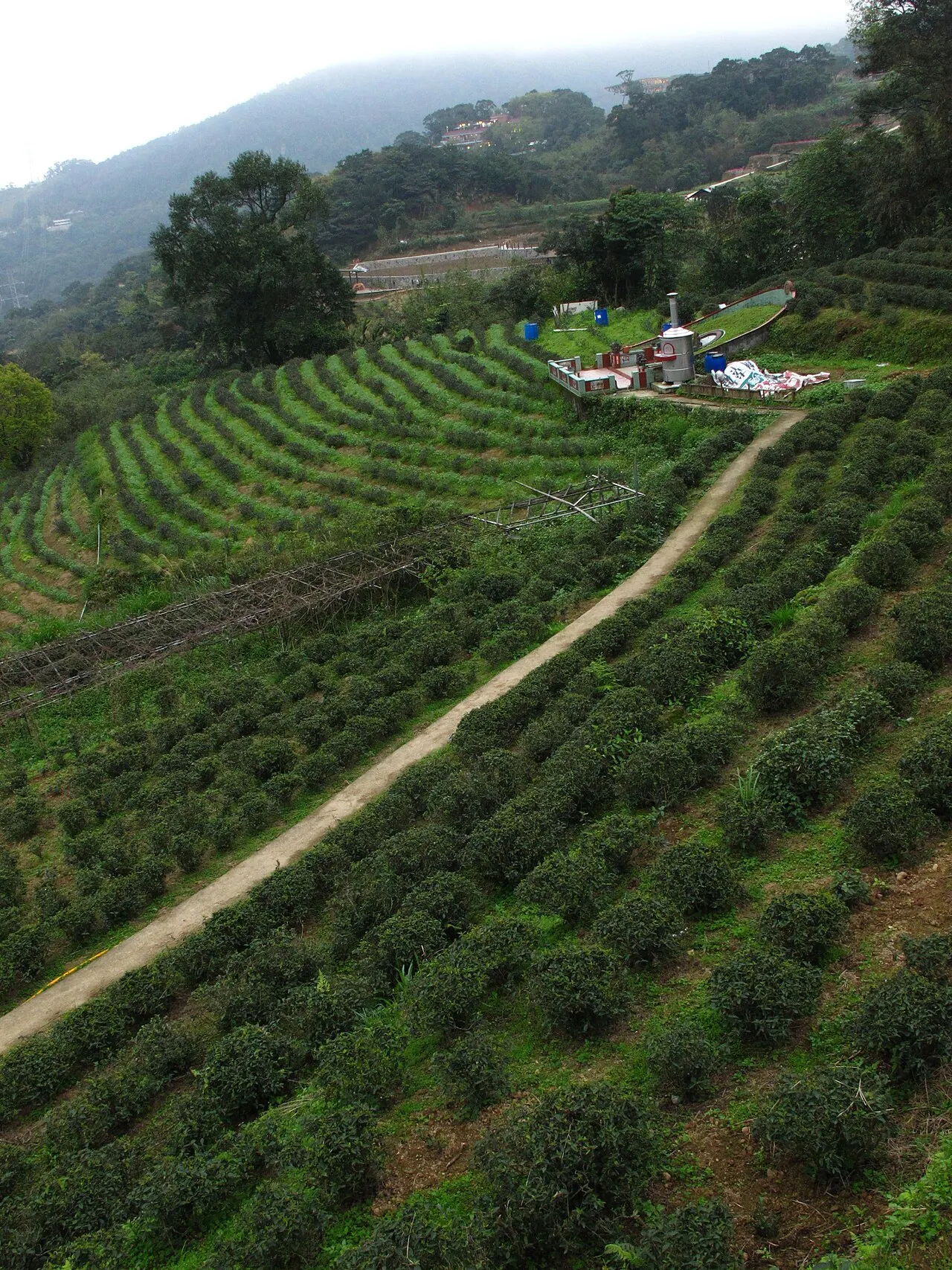
Walking on the streets of Taiwan, you might notice many Taiwanese people with a plastic cup in their hands and a tea store in almost every corner of the city. For Taiwanese, drinking tea can happen anytime during the day. You wonder why Taiwanese people are crazy about tea, aren't they all just tea? Well, then, you will have a lot to learn about the tea culture in Taiwan.
This is how it all started: the history of Taiwanese tea culture
In the very beginning, tea was used by the aboriginal inhabitants as a medicinal plant. Yet, the tea culture of Taiwan can be traced back to its roots in Chinese tea culture. Around the 17th century, tea was introduced to Taiwan by the earliest Chinese immigrants from Fujian province. Interestingly, Taiwanese tea culture has also been greatly influenced by western culture.
You might also like: A Muslim Friendly Destination: Your Ultimate Halal Food Guide In Taiwan
Started around 1866, English investors imported tea seedlings from China to Taiwan, and an oolong tea factory was established. Its first shipment was then delivered directly to New York in 1869. Ever since then, American and European business interests started flourishing in Taiwan. Making oolong tea one of the most important export commodities. From 1895 to 1945, the Japanese occupied Taiwan and established infrastructures that significantly contributed to the development of the Taiwanese tea industry, including tea production.
All kinds of tea types. Where do I start?
1. Taiwanese Oolong tea(台灣烏龍茶)
Taiwanese tea enjoys an excellent reputation and is valuable on the international market. Oolong's history can be traced back to hundreds of years ago from an area called Anxi in Fujian, China. Oolong tea is also known as wu long tea. Oolong tea is said to be harmonious, rich in taste, light in aroma, and a lasting aftertaste.
Don't forget to check out: Exploring Traditional Arts and Crafts in Taiwan
2. Four Seasons Spring oolong (四季春)
Four Seasons Spring is a lightly oxidized Taiwanese oolong, named because it can be harvested several times a year, almost like spring in every season. It is fragrant, sweet, and extremely light in taste. It is perfect for people who are just entering the world of tea. Yet, as light as Four Seasons Spring is, it has a subtle flowery finish that will linger around your mouth.
3. Ruby 18 black tea (台茶十八號)
Ruby 18 black tea, also known as red jade, it is one of the most iconic Taiwanese tea. Internationally famous, this black tea is one of Taiwan's most popular infusions. Sourced directly near the Sun Moon Lake region in Nantou. It is widely loved for its bright, refreshing finish.
4. Tieguanyin (鐵觀音)
A similar kind to the Oolong tea, Tieguanyin is named after Guanyin, the Chinese Goddess of Mercy; the name means "Iron Goddess of Mercy". Tieguanyin is heavily roasted with richness and offers a strong after taste but without having any burnt aroma. Some people often describe Tieguanyin to have a berry taste and smell.
Looking For Good Teas in the City
1. Wang Tea Taipei (台北大稻埕有記名茶)
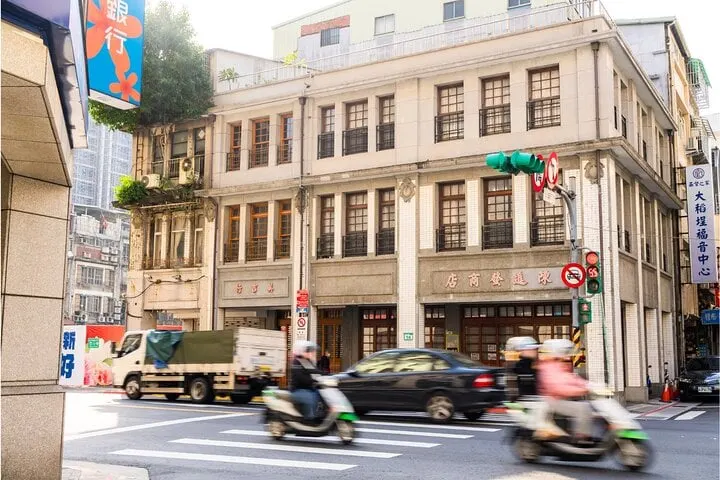
Founded in 1890 in Xiamen, China, the Wang family’s tea business set up in Taipei’s Dadaocheng in 1907 and has played an important role in exporting Taiwanese tea around the world. At Wang Tea Taipei, you will be expecting an old, historic building with lots of stories to tell. Here you can sample some nice and fine tea and learn about the trading history and tea in all arts.
Address: No. 26, Ln. 64, Sec. 2, Chongqing N. Rd., Datong Dist., Taipei City
2. Tenren's Tea (天仁茗茶)
Selling teas with elaborate packages, Tenren aims to offer a glimpse of the fine art of tea culture. At Tenren tea, you can find all kinds of tea and flavors.
3. 50 Lan (五十嵐)
50 Lan is one of the best-known tea shop chains in Taiwan, and you can find it on almost every street in the city. Their Four Seasons Spring tea is one of their specialties, don't forget to try it out!
4. Y-fang (一芳)
A must-try for those fruit lovers! One of their most popular products is the " Y-fang's classic fruit tea."Simmered with fresh sorted Taiwanese fruit, including apple, passion fruit, pineapple, and orange. You can taste fruits, sweetness, and freshness from the tea all in one cup.
5. Milkshop (迷客夏)
Featuring fresh milk tea, Milkshop insists on serving the best quality milk to their customers. It also offers a wide variety of toppings to add, including taro, red beans, pudding, and bubbles. Giving it an excellent touch for your milk tea.
As you already know, tea is good for you. Scientific research has shown that tea has many benefits, giving you yet another reason for you to get a cup of tea! A pack of fine tea is also a perfect souvenir for friends or family. Tea serves not only as a beverage but also as an essential part of Taiwanese culture. Next time when you visit Taiwan, skip your coffee and try Taiwanese tea to have a taste of the authentic local culture. Want to visit tea shops and tea houses with a local? Find a guide on MyProGuide.
Cover photo: eazytraveler, CC BY 2.0, via Wikimedia Commons
Tour with a licensed local guide
See tours in Taiwan →Comments
Be the first to leave a comment.
Leave a comment
Related posts
Becoming a Tour Guide in Taiwan
“It’s never too late to have a life you love. Don’t ever feel like you’ve missed the boat, don’t have what it takes or can’t achieve your dreams. Instead of removing your dreams, remove the doubts and fears keeping you from them. It’s never, ever too late.”
Jan 8, 2022
Why should every Muslim travel to Taipei?
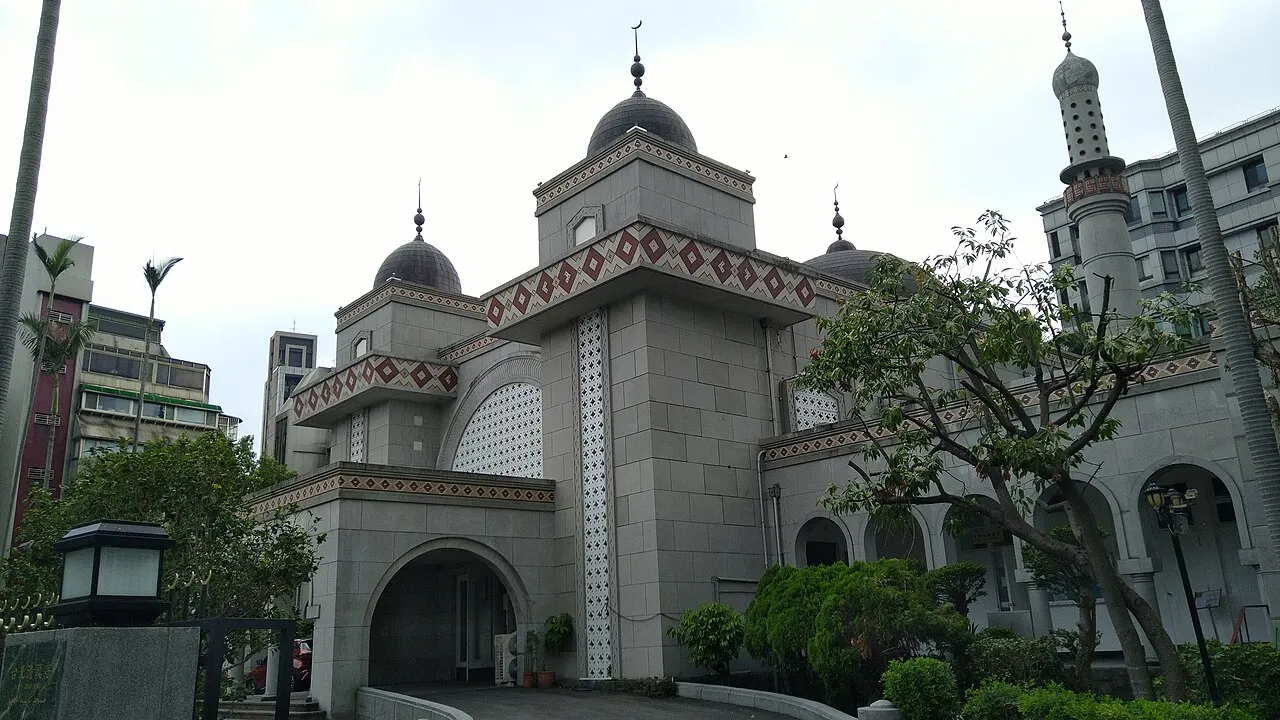
Taipei City is the capital city of Taiwan, a state in East Asia bounded by China, Japan and the Philippines. It is the political, economic, educational and cultural centre of Taiwan (or more correctly The Republic of China), a modern metropolis with a thriving econo
May 11, 2021
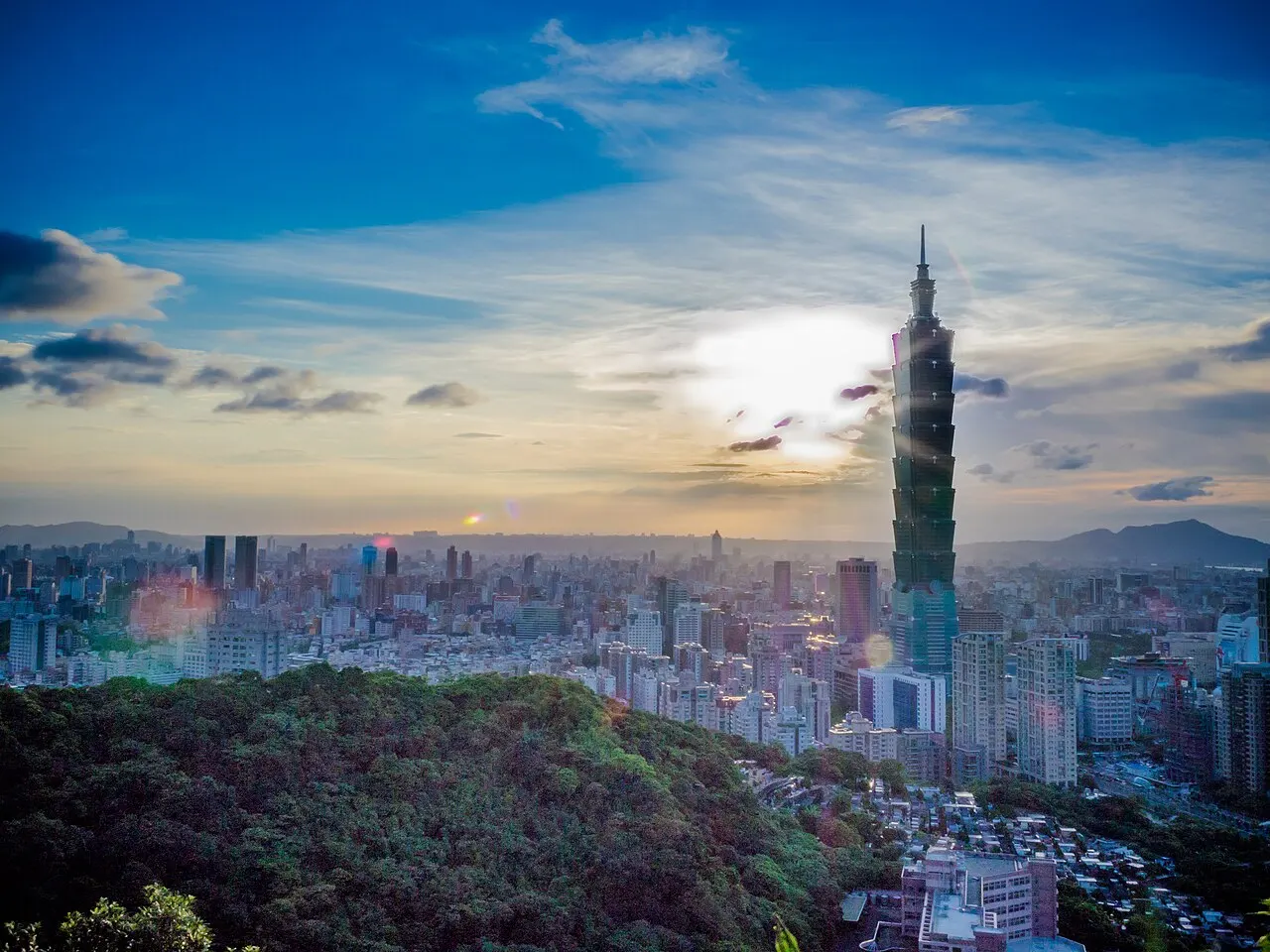
Taipei 101 Guide: Dining and Things to Do Nearby
If you ever visit Taiwan, this is the place you wouldn’t want to miss! The one and only: Taipei 101. The Taipei 101 is a super skyscraper in Taipei‘s business district with a building function that serves as a modern technological marvel, a tourist attraction, and office building.
Apr 27, 2021