
Hot Spring Culture in Taiwan: 9 Hot Spring Areas to Soak In
Table of Contents: Guanziling Beitou Jiaoxi Zhiben Guguan Wulai Dabangen- The Great Roots Forestry Spa Resort Jiuzhize Hot Springs Tai’an Hot Springs The idea of going to a hot spring to promote the health of both body and mind has long existed worldwide. In recent years, however, people have begun
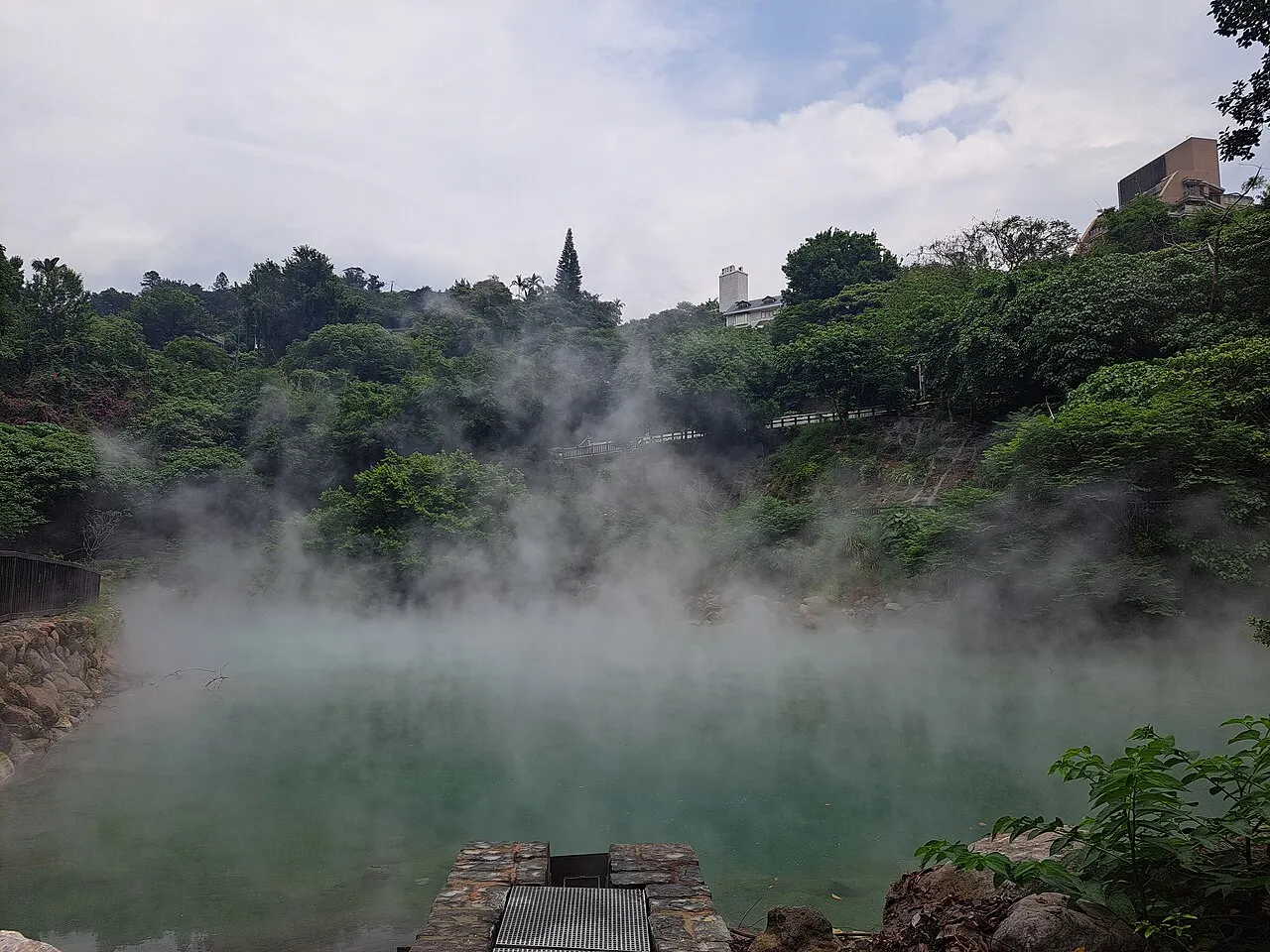
Table of Contents:
- Guanziling
- Beitou
- Jiaoxi
- Zhiben
- Guguan
- Wulai
- Dabangen- The Great Roots Forestry Spa Resort
- Jiuzhize Hot Springs
- Tai’an Hot Springs
Planning a winter trip? See also 5 Hot Spring Destinations to Go in Winter in Taiwan.
The idea of going to a hot spring to promote the health of both body and mind has long existed worldwide. In recent years, however, people have begun thinking more scientifically about the benefits of hot springs, and soaks have been encouraged for their health benefits. Immersing one’s body in hot water, even in a bathtub, allows it to achieve buoyancy. In water, one’s body weight is about one ninth of its actual weight, which alleviates stress on the muscles that support the body. The water pressure also improves blood circulation as it simulates the action of a massage on the skin. Finally, warm water engages the parasympathetic nerves and helps the body relax, while hot water engages the sympathetic nerves and makes the body more alert.
After a typical travel day involving walks from tourist attraction to tourist attraction, your feet – if not your whole body – will have most likely earned the right to some prolonged pampering. Immersing yourself in water with the perfect temperature – not too hot, not too cool, 39 degrees Celsius perhaps – is one of the simplest and most enjoyable pleasures. Experience how your stress, fatigue, and strains magically disperse with a soak in soothing hot-spring water. Taiwan’s hot springs are not all of the same type. The water temperature at the source, for example, can differ significantly, from cooler to boiling hot, and the water at each location contains a different mix of minerals, which gives every hot spring area its own colour, smell and feel.
Aside from the delicious street food and vibrant night markets, some of the most popular attractions in Taiwan have to be the many hot springs dotted throughout the island. From high-end hot-spring resorts in Yangmingshan to hidden hot springs in the countryside, there are plenty of locations where you can de-stress and relax. Here are some of the very best hot spring spots in Taiwan:
Guanziling
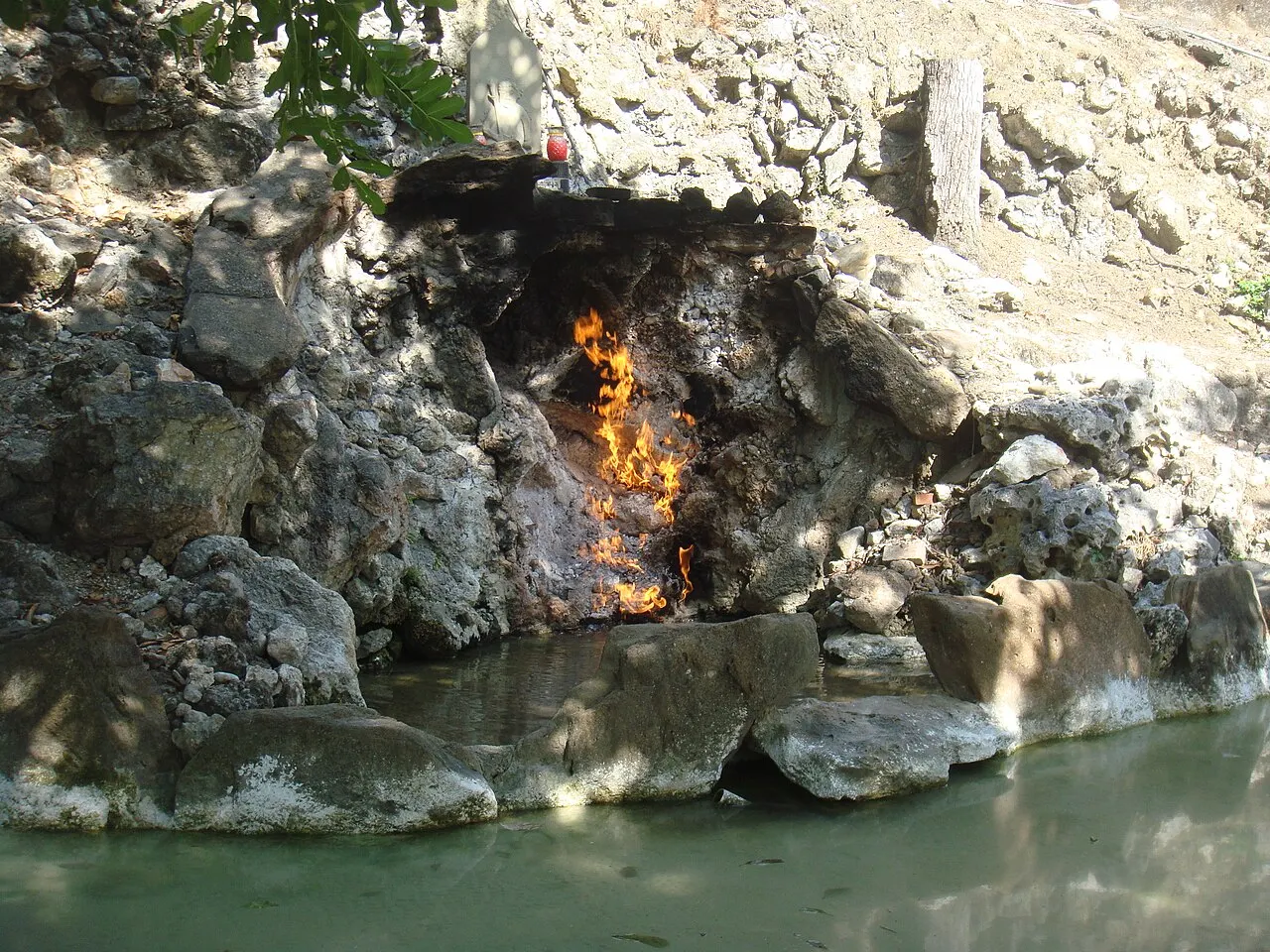
Guanziling is the peak of Zhentou Mountain, Tainan City. The mountain was the residence of Pingpu Tribe until 1898, when Japanese soldiers found a hot spring and developed the area. Guanziling Hot Spring is a famous hot spring in Southern Taiwan. The spring water is dark gray and bitter, emerging from the rocks. Guanziling Tourist District is famous for the hot spring, Hongye Park, Daxian Temple, Biyun Temple and Xiangong Temple. The hot spring is on the side of the mountain, where hotels, restaurants and spring pools can be found. The natural gas and the spring water exist together in the cave, presenting a peculiar view. Guanziling’s hot-spring establishments range from simple to luxurious, and quality food can be enjoyed at hotel restaurants as well as at other village eateries. What makes the hot springs of Guanziling especially popular is the mud, which gives the waters a distinct gray color and many bathers love the silky feel it leaves on the skin. Spa operators often provide buckets of mud by their pools so that bathers can cover themselves with the smooth substance from head to toe, adding fun to the hot-spring experience.
Various components make up hot spring water depending on its source and region. These include sulfur, carbon dioxide, salt, sodium bicarbonate and iron. Soaking is relaxing and warming, but hot springs are not a medical treatment – if you are pregnant or have heart, blood-pressure or skin conditions, check with your doctor first, and never drink spring water unless it is clearly labelled as safe to drink.
Beitou
Beitou (北投) is a district of Taipei City at the foot of Yangmingshan (陽明山 or Yangming Mountain), a collection of mountain peaks that make up Yangminshan National Park. These include Seven Star Mountain (七星山 or Qixingshan), a dormant volcano that last erupted around 700,000 years ago. Beitou is the only metro-accessible hot spring in Taiwan, thanks to the two-station (pink) line connecting Xinbeitou to Beitou station on the Danshui (red) line, and you can already smell the area’s hot springs as you are making the transfer. You’ll notice the pink line travels really slowly, as it is going uphill toward the base of the mountains. The main source of the “white sulfur” hot spring water that is used in most Beitou hot spring establishments today are the Liuhuanggu (硫磺谷) and Longfenggu (龍鳳谷) thermal valleys located further uphill in Yangmingshan National Park. Further uphill from the hot-spring park and the thermal-spring valley, on Youya Road, is the Beitou Museum, an excellent place to learn more about Beitou’s history, indigenous culture, and the Japanese colonial era – the museum building was originally constructed in 1921 as a fancy hot-spring hotel for the Japanese elite – and also to taste fine cuisine (Kaiseki-style) and take in irregular cultural performances (in a spacious tatami room).
Visiting a hot spring area allows you to escape from daily stresses. Bathers can enjoy a change of pace from their regular surroundings by soaking in the hot springs, taking in the fresh air, enjoying lush scenery, and eating delicious cuisine. This sort of break from the hustle and bustle of modern society is very important both physically and mentally.
Jiaoxi
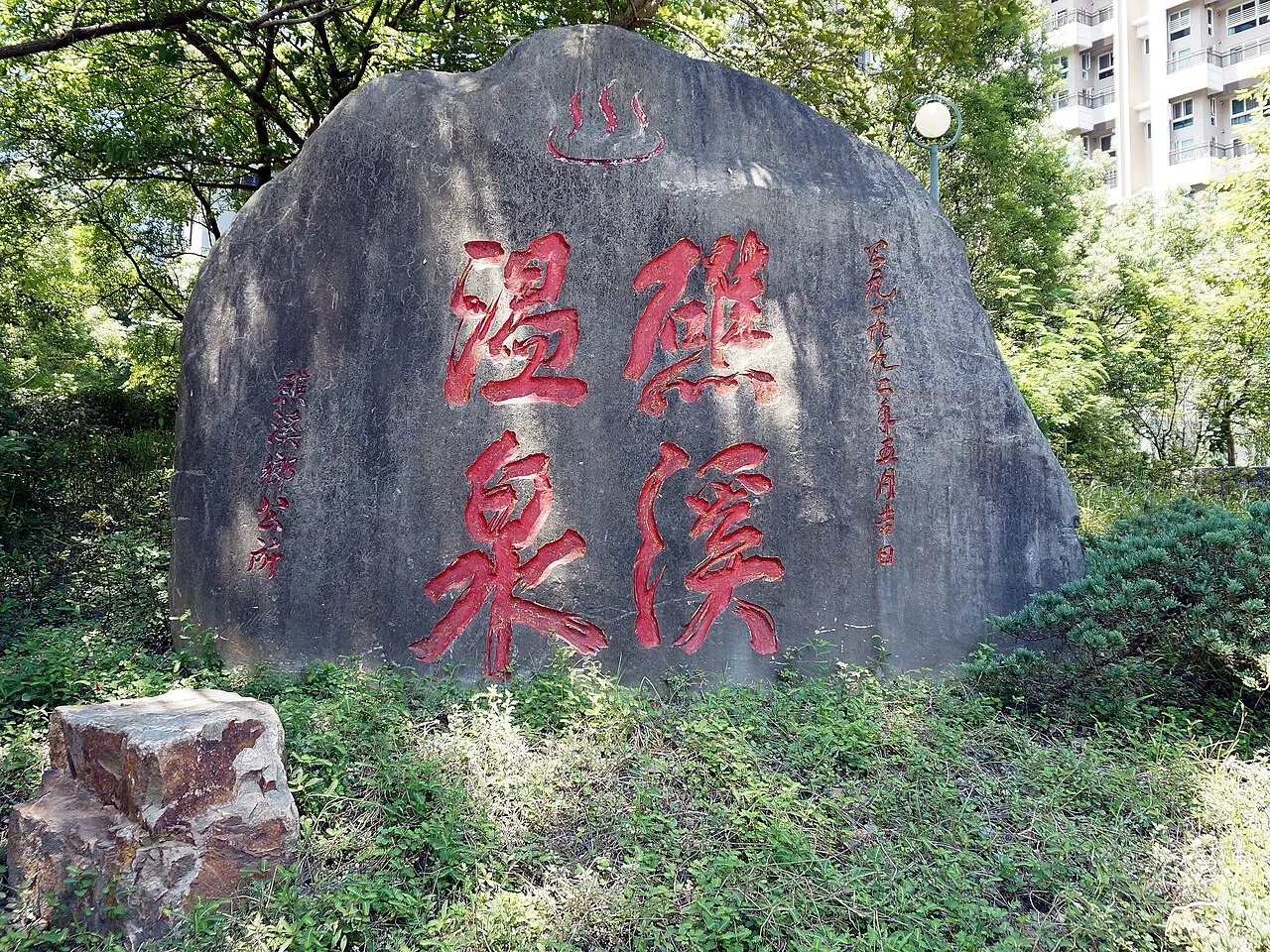
The special ground or crust stratum in Yilan County had made this area well known for its numerous hot springs, which are the result of air warmed by some source underground, and rising upward blended with under-layer water. Among them, you would see the most historic “Jiaoxi Hot Spring,” which is quite rare in Taiwan for its occurrence on a flatland. “Tangwei Hot Spring,” meanwhile, has been famous since Qing Dynasty and placed on the list of “Eight Scenes of Lanyang Area.” The Town of Jiaoxi is located on Taiwan’s east coast in Yilan County, just a 1 hour bus ride from Taipei City. Jiaoxi is truly a hot spring town as there are free hot foot pools peppered throughout the entire town for visitors to soak in at any moment. The water is warm and the minerals seep through your skin and put you in a state of relaxation. Jiaoxi is not a big place so it is easy to navigate around the town. One of the central locations in Jiaoxi is Tangweigou Park. The park isn’t large but visitors can find free hot spring foot pools at the entrance and then walk along the small stream for about 5 minutes. There are nice views of the mountains and a few places to sit and enjoy a drink or snack.
Of all the attractions in the Jiaoxi area, however, perhaps none are more popular than the three-tier Wufengqi Waterfall a couple of kilometers west of the town, which is not only spectacular but also very easy to visit. Visitors without their own transport are in luck, thanks to the Taiwan Tourist Shuttle Bus service (www.taiwantrip.com.tw), the Jiaoxi Route of which connects the waterfall area with Jiaoxi Railway Station.
Whatever the science says, a long soak is a very enjoyable way to relieve the stress of modern life.
Zhiben
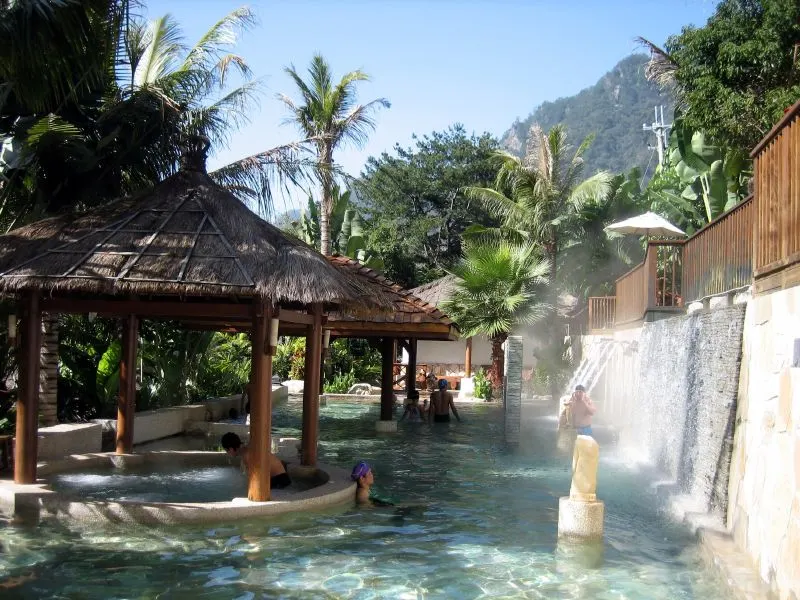
It is the utmost joy to bathe in a hot spring in cool autumn or chilly winter. A warm soak gets your circulation going and leaves your skin feeling soft. Zhiben is best known for its hot spring bathing culture; its clear, weakly alkaline carbonate water leaves your skin feeling smooth. Hotels here feature different types of pools, such as the nude pool, SPA, hot spring swimming pool, and other facilities, attracting knowledgeable visitors with irreplaceable appeal. Located a short drive south of Taitung City in Southeastern Taiwan, the Zhiben hot-spring resort area is located in the scenic Zhiben River valley. Like many hot-spring areas in Taiwan, Zhiben was developed during the Japanese colonial area, and eventually became one of the biggest tourist draws in Eastern Taiwan.
The scores of inns and hotels are strung out along Riverside County Road 194. At this road’s head, you’ll find the entrance to the 110-hectare Zhiben National Forest Recreation Area. Cross a bright-red 80-meter-long bridge, buy your ticket, and head uphill to the visitor center, which has displays of the local geology and flora/fauna. From there, explore the web of mountain-slope trails between the riverside cliffs and a boundary ridge.
Rinsing your body with warm water is important to help prepare your body for the warm temperature of the hot spring. Start by covering the extremities of the body, such as hands and feet, then work your way up to finally rinse your face with hot water. When your body will be subjected to a large difference in temperature, such as during winter or when bathing in very hot water, it is especially important to rinse your entire body with hot water from the face down. Next, wash your body with soap before entering the bath.
Guguan
Guguan is located in Bo’ai Village of Heping District, Taichung City. The altitude is 800 meters. It is next to Dajia River. It is a standard valley. The place is called Guguan, because the Central Cross-Island Highway cuts across the valley and it looks like a guarded entrance. Historically it was the gateway to the Central Cross-Island Highway; since the 1999 earthquake, however, the stretch of Highway 8 east of Guguan towards Deji has been open only to residents and authorised vehicles, so Guguan is now reached from the Taichung side and is not a through route to the east coast. The place is famous for hot springs and country items. The hot springs in Guguan were first discovered by the Atayal Tribe back in 1907. The quality of Guguan hot springs is good and it has been well renowned since the time of Japanese colonization. The Guguan hot springs are carbonic acid springs and the temperature is about 48 degrees Celsius. The hot springs are mild and are good for spa. Hotels in the region are equipped with hot spring spa facilities. The place is surrounded by clear creeks and dense forestry. Visitors can go camping, swimming and fishing. The scenery along the road is beautiful and there are many attractions. Spring and autumn are Guguan’s most beautiful seasons. There are splendid cherry blossoms and maple trees for viewing. After enjoying the hot spring spa and the mountain view, one may further try the trout dish.
Enter the bath tub slowly and quietly. First, get slightly more than half of your body wet in the bath (up to around the pit of the stomach). Don’t overdo the speed of entering the water; acclimatize your body. Those who have weak hearts or lungs in particular should make sure to start bathing slowly, from the lower half of the body.
Wulai
Less than an hour from downtown Taipei, Wulai feels a world away from the city: a quiet mountain valley with clear rivers, forested slopes and riverside hot springs. Wulai is the largest district of New Taipei City, but only has around 6,000 residents, by far the lowest population density. Officially the only “mountain indigenous district” of New Taipei City, it is home to the closest aboriginal Taiwanese village to Taipei City. Wulai is the Northernmost village of the Atayal, the third largest of Taiwan’s 16 officially recognized aboriginal tribes. The name Wulai is derived from the phrase “Kirofu Ulai” – which, in the language of the Aboriginal Atayal (a Taiwanese tribe) means “a hot spring”. What makes Wulai special is the turquoise Nanshi River and the clear, odourless hot spring water that runs through the heart of the town. Nanshi River (南勢溪) flows through Wulai district before spilling into the Xindian River, which then spills into the Danshui River in Taipei City, before making its way to the sea. A winding mountain road follows the river from Xindian to Wulai Old Street, the main access to the town. Old Street is the tourist center of Wulai District and is located on either side of Nanshi River at the point where Wulai Hot Springs spout from the ground.
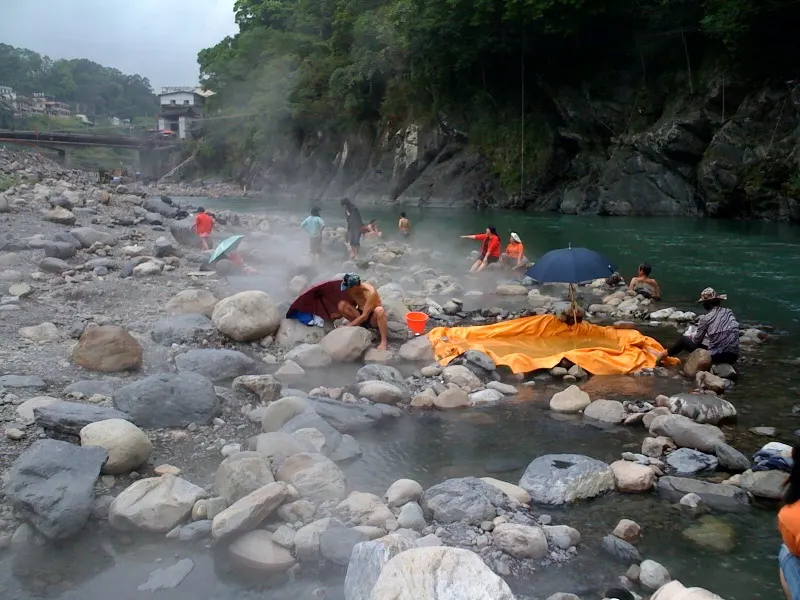
The Great Roots Forestry Spa Resort (Dabangen)
The Great Roots Forestry Hot Spring & Spa Resort is located in the Dabao River basin in Sanxia District, New Taipei City. The resort covers a 20-hectare site that was formerly Taiwan’s biggest tea-processing plant during the Japanese colonial period. The facilities of the nearly century-old resort include a vacation villa formerly used by the Japanese royal family, as well as gardens, fishponds and forest trails. The grounds also include a rare patch of low-elevation subtropical rainforest, with rare century-old tabular root (buttress root) trees. Veined/mountain figs (Ficus nervosa), Ficus variegata and tree ferns from the dinosaur age are among the nearly 500 species of plants in the rain forest. The forest is also home to more than 4,000 kinds of insects and over 30 kinds of birds, among them the blue-winged pitta- a globally protected species. These entire rare natural wonders wait along with the healthy and relaxing essence of the forest at the resort. In addition to enjoying the natural scenery, visitors can take a soothing and skin-pampering soak in the carbonic hot springs at the resort. Many species of trees in tropical rain forests have tabular roots that help keep the soil from getting washed away by the rain. Such roots grow at a pace of only about one centimeter a year, and are thus extremely precious. The radial tabular roots growing on steep slopes, like those at the Great Roots Forestry Spa Resort, are especially rare in Taiwan.
Jiuzhize Hot Springs
Situated 500 meters above sea level in Taiping Township, the Jiuzhize Hot Springs are a stopover on the road to the Taipingshan Forest Recreation Area. The colorless, odorless mineral water here contains calcium carbonate and is very hot- frequently above 95 degrees Celsius! Bathing in the Jiuzhize hot springs leaves your skin lustrous and smooth. Visitors here can also enjoy walking on nearby forest paths and watching the birds that make this area their home. Jiuzhize used to be called “Shozui” by the locals. Under the Japanese administration, Japanese loggers built a hot spring bathroom here and so, bathing in the hot spring became a precious enjoyment in a logger’s life. The Japanese called the hot spring “Hadonozawa”. Later, its name was changed into “Zenze”in 1969. It was not until 2006 that its original name was restored. The source of the Jioujhihze hot spring water comes from the cracks of stone on the hillside. The water is extremely hot at the source and is cooled to 38–42°C at the hot spring bathing area to suit the human body temperature. The hot spring here has no odor and is clear. Its content is weak-based Sodium bicarbonate spring, which can make skin feel slippery. So, it has the nickname “Hot Spring for Beauties”.
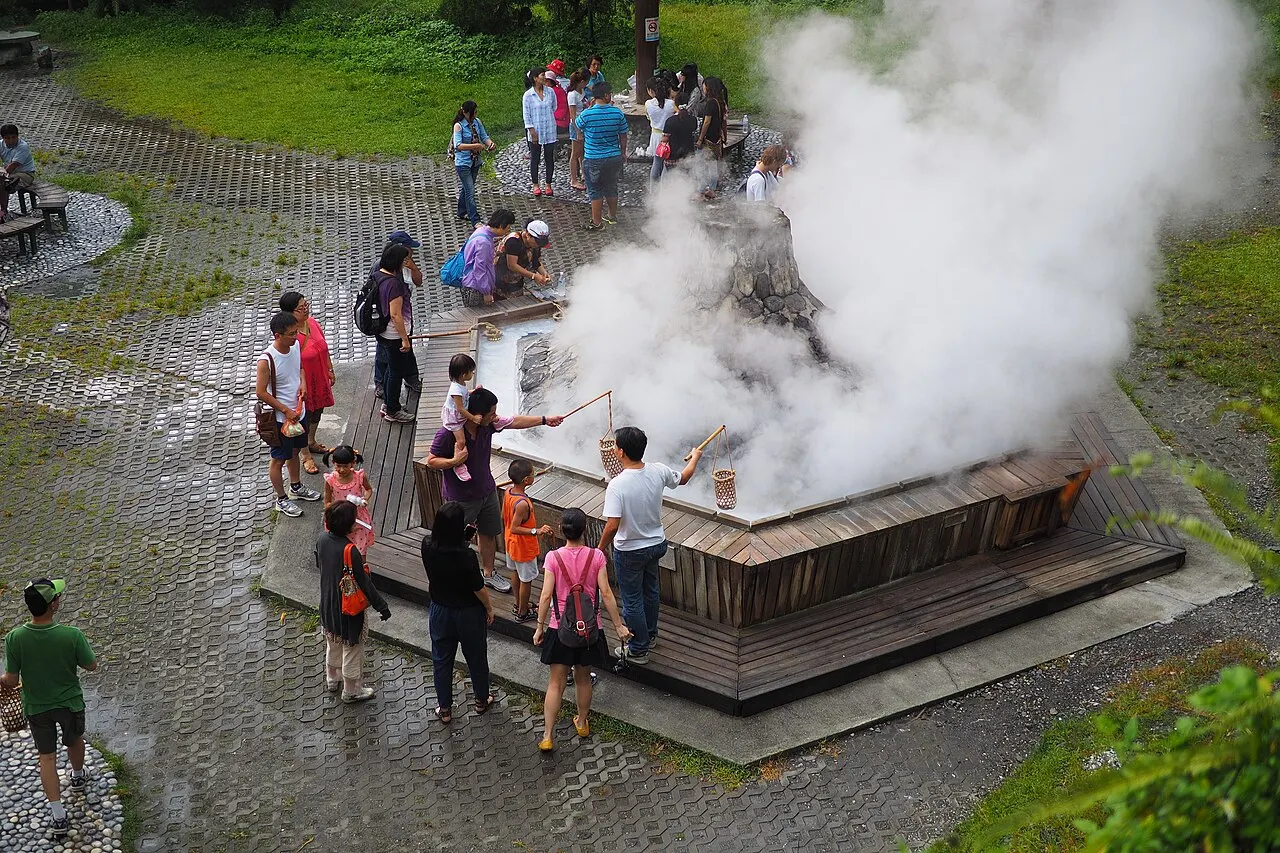
Tai’an Hot Springs
Tai-an Hot Spring is colorless and odorless, and the magnificent scenery in the area makes the hot spring even more attractive. Besides the hot spring, visitors can also play with the water and the fishes in the rivers nearby. In autumn and winter, there are grand mountainous views in Hu Mountain (Hushan) and Tenglong Mountain (Tenglongshan) (altitude 1,500 meters). The hot springs here are from the Hu Mountain (Hushan) and Tai-an, both having the same origin. Nestled in Taian (Tai’an) Town of Miaoli County, Taiwan, Taian (Tai’an) Hot Spring features two hot spring branches known as the Hushan and Tenglong springs. The spring water passes through Jinshui Village, where most of the Taian hot spring accommodations are located. The springs were first found by the leader of Atayal aboriginal tribe- Dulai Gainu. A number of hot spring features were later established during the Japanese colonial period, including a hot spring bathhouse and club for their most exclusive officers.
Hot springs form when water deep below the Earth’s surface is heated by rocks or other means, and rises to the Earth’s surface. These phenomena are very similar to geysers, and like geysers, many of them form near areas of volcanic activity. Hot Springs can form in several ways. One common method is when rain or ground water is heated up by contact with rocks that have been heated by magma, deep beneath the Earth’s surface. These types of hot springs generally form near areas of volcanic activity. So the next time you have the chance to visit Taiwan, do remember to hop into one of these famous hot springs for a relaxing trip!
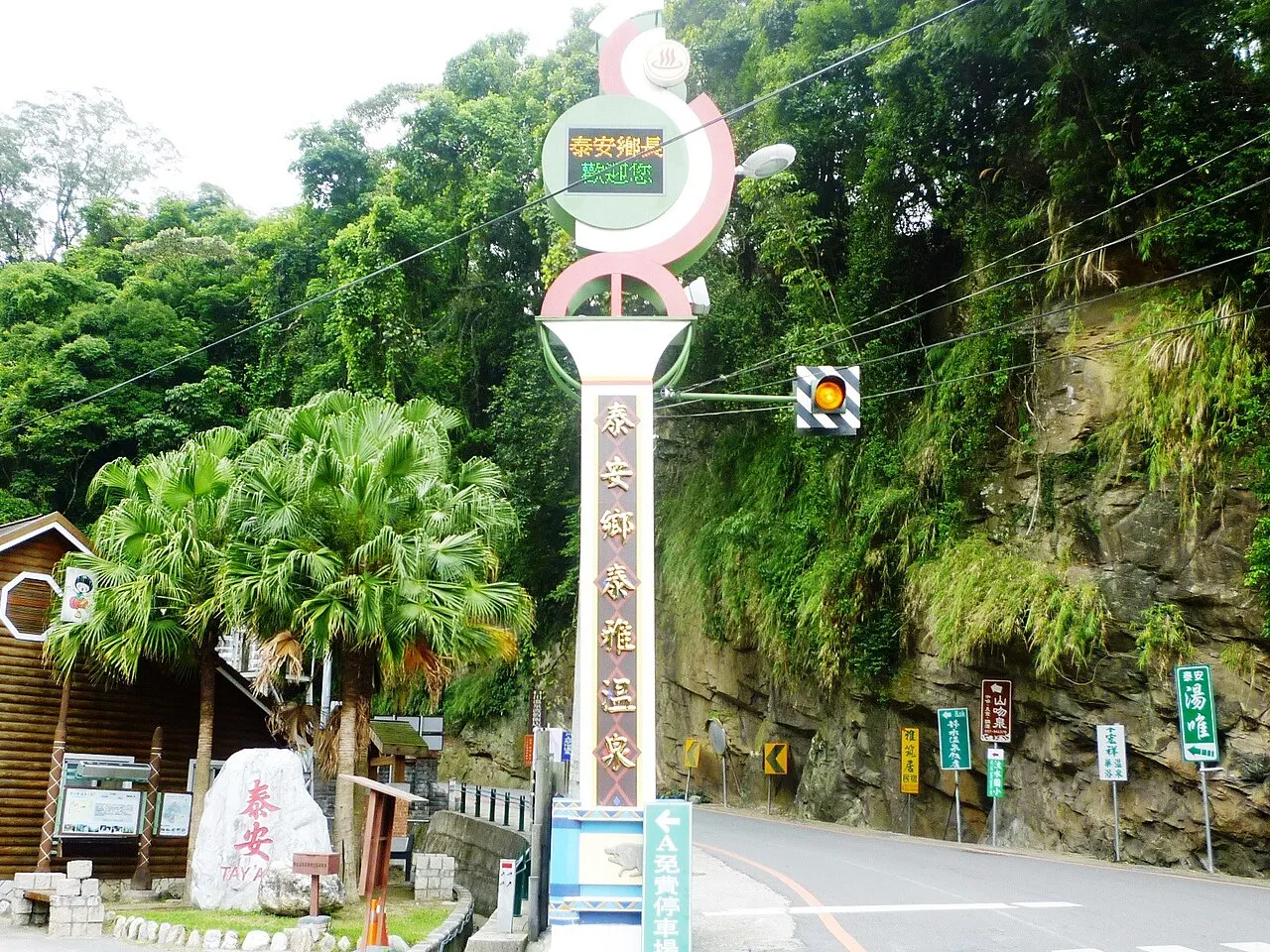
Cover photo: GiveMeMollusks, CC0, via Wikimedia Commons
Comments
Be the first to leave a comment.
Leave a comment
Related posts
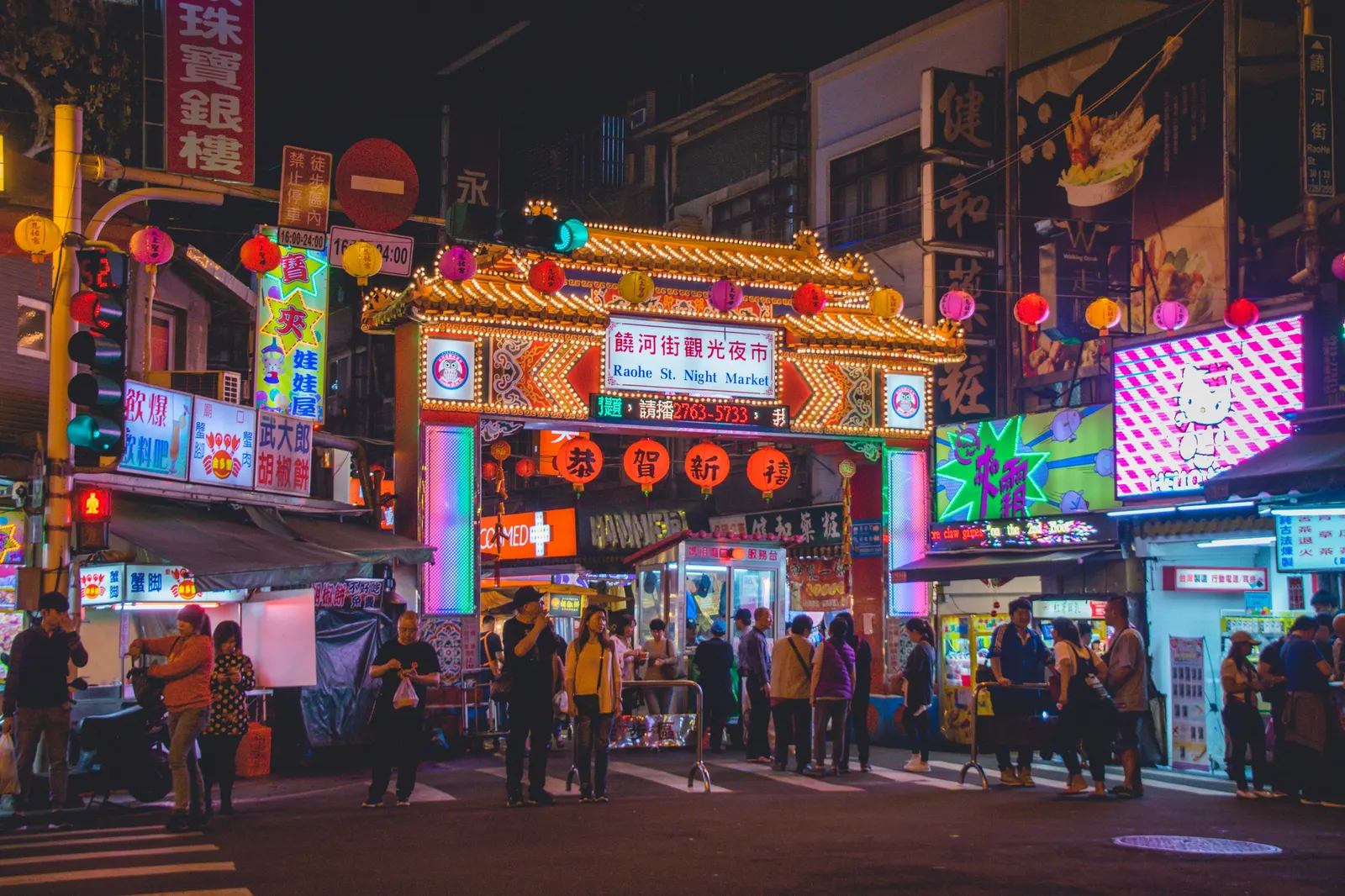
Becoming a Tour Guide in Taiwan
“It’s never too late to have a life you love. Don’t ever feel like you’ve missed the boat, don’t have what it takes or can’t achieve your dreams. Instead of removing your dreams, remove the doubts and fears keeping you from them. It’s never, ever too late.”
Jan 8, 2022
7 Reasons to Fall in Love With Amsterdam
The city’s olive-green canals and handsome gabled mansions are indeed beautiful, but perhaps above all, it’s the flavour of the city that appeals – its inhabitants a creative and imaginative bunch who quite simply bring the place alight. Young Amsterdammers were energized, and the hippy movement inf
Dec 28, 2021

8 Most Magical Christmas Markets Waiting for You to Explore
Culture and traditions often hold special meaning for people because such events trigger memories and a sense of belonging within a certain society. One of Christmas’s most loved traditions is to shop at Christmas markets. It is the one place that is merrier than your own home decor. They are packed
Dec 11, 2021