
8 Reasons Why Dorset Should be on Your Summer Holiday Bucket List
The county of Dorset is located on the English Channel in the South West region of England. The access to beaches makes this region an ideal space to camp, hike and explore. There are many cities and villages that offer hostels where you can stash your gear and travel on the cheap. 1) You Can [&hell
The county of Dorset is located on the English Channel in the South West region of England. The access to beaches makes this region an ideal space to camp, hike and explore. There are many cities and villages that offer hostels where you can stash your gear and travel on the cheap.
1) You Can Camp by the Coast
Wild camping on Dorset’s beaches is generally not allowed: several beaches, including Studland, the Lulworth beaches and the Bournemouth, Christchurch and Poole seafront, have bans and patrols. Choose one of the many campsites near the coast, or get the landowner’s permission first. Before you pitch your tent close to the sea, make sure you
- look for any posted restrictions
- know where the tide line is
- carefully check the weather before you settle in
Storms on the English Channel can blow up quickly, and the combination of tide and heavy rain could leave you dealing with a lot of water and sand in the tent. It’s important that you review your gear to make sure you have the stakes necessary to settle your tent on the sand, such as long sand or snow stakes. Plain stakes will pull right out of loose sand.
In addition to getting the right stakes, make sure your tent has plenty of screens and offers high wind protection as the sun goes down. If you camp anywhere near greenery, you may end up with bugs in the tent, so check your screens before you book your campsite.
2) Dorset Is Full of History
Dorset is a great base for history lovers, and it is easy to combine with other highlights of England. You may want to go to
- London, to see Big Ben,
- Dorset, where you can travel through the ruins of Corfe Castle and other ancient sites
- Northumberland, where you can see Hadrian’s Wall
Pick the sights you most want to see first, then plan your train trips and car rentals around them.
3) You Can Customize a Tour
A private tour can be customized around your interests. If you long to enjoy a historical tour of London before you head south to the beaches of Dorset, a guide can show you the places tied to Elizabeth I: the Tower of London, where she was briefly imprisoned before she became queen, the Chapel Royal of St Peter ad Vincula inside the Tower, where her mother Anne Boleyn is buried, and Westminster Abbey, where Elizabeth was crowned and is buried. If you enjoyed watching The Tudors, you need a guided tour of historic London.
4) Guides Can Help You Find Hidden Gems
With a tour guide, you can also enjoy the best
- pubs
- live music
- local restaurants
- regional history
- unique shopping options
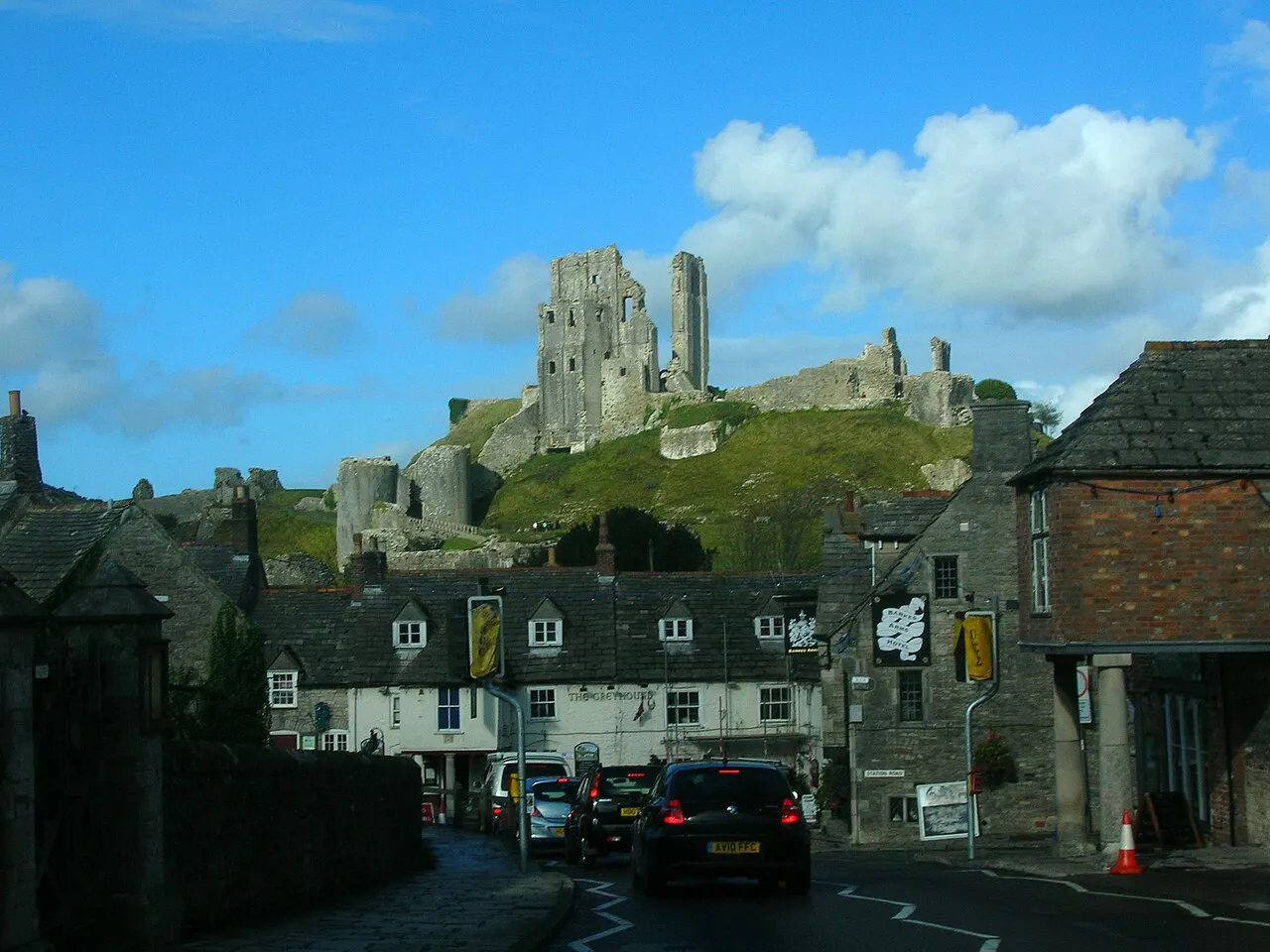
If you have ever wondered how people live in Dorset’s small stone villages, such as Corfe Castle or Woolgarston, a private guide can take you to the village pubs, farm shops and craft shops you would never find on your own.
5) Study the Geography
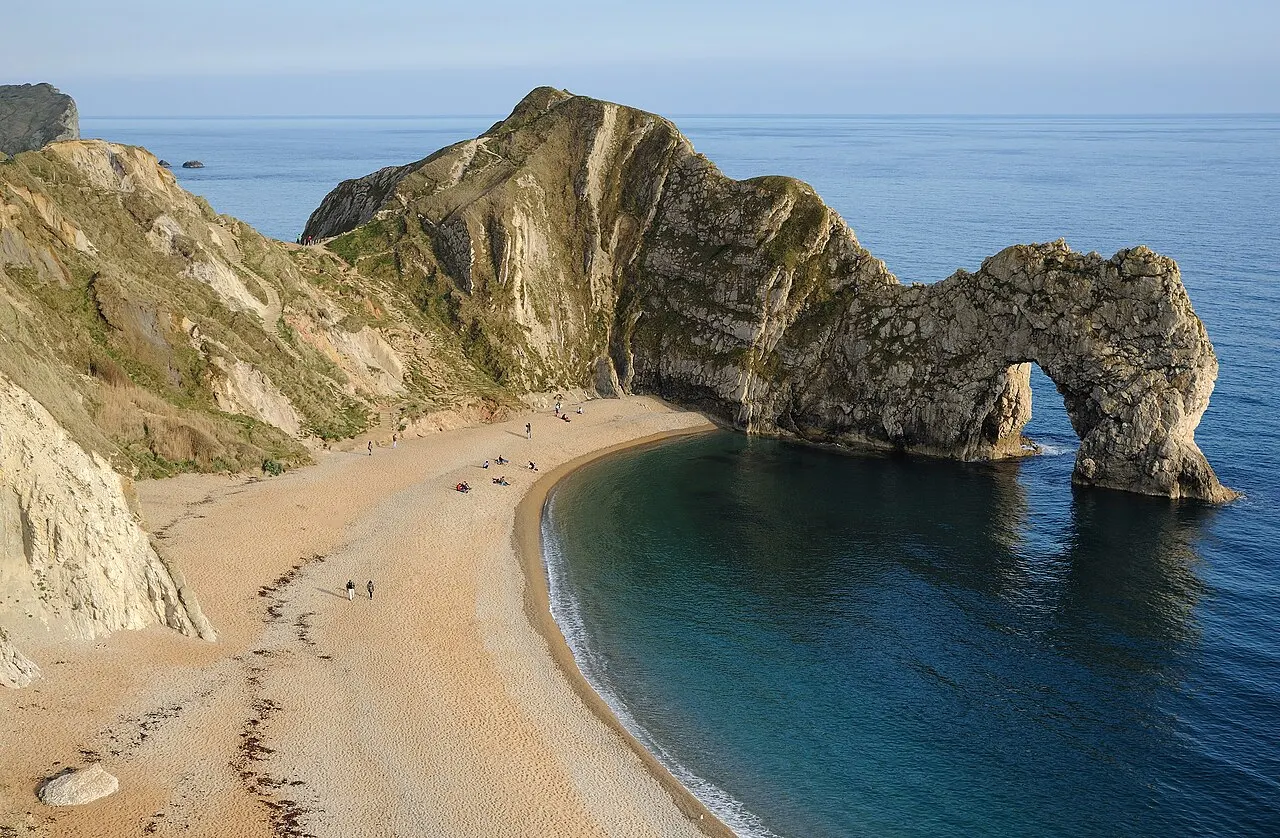
During your time in Dorset, make sure you get some photos of the limestone coastal features, such as the Durdle Door. The Durdle Door is one of the many remarkable features of the Jurassic Coast.
6) Take a Tour of Bournemouth
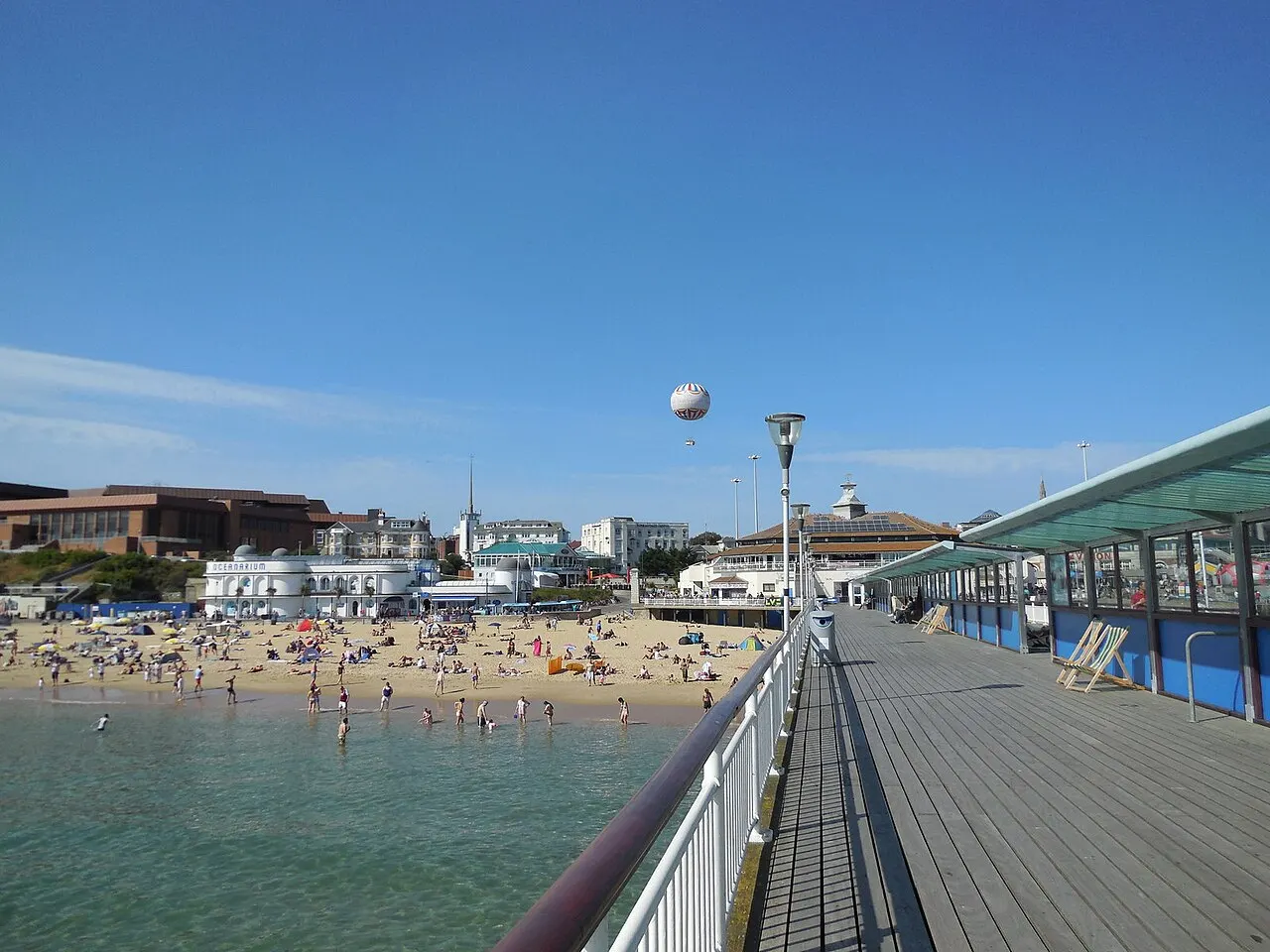
Bournemouth has been a popular site for vacationers for over a century. If you’re not staying on the beach, get yourself down to the water and study up on the sand colors and densities as the tide goes in and out. The change in the color of the remarkable sand on the beaches near Bournemouth can be endlessly fascinating, whether you swim or just watch the waves.
7) Check Out the Plants
Aside from just a couple of cities, most of Dorset is agricultural. A lot of that land is undeveloped and is called heath. This heathland is covered in heathers, a hardy groundcover. In addition to heathers, you may find a Pale Butterwort.
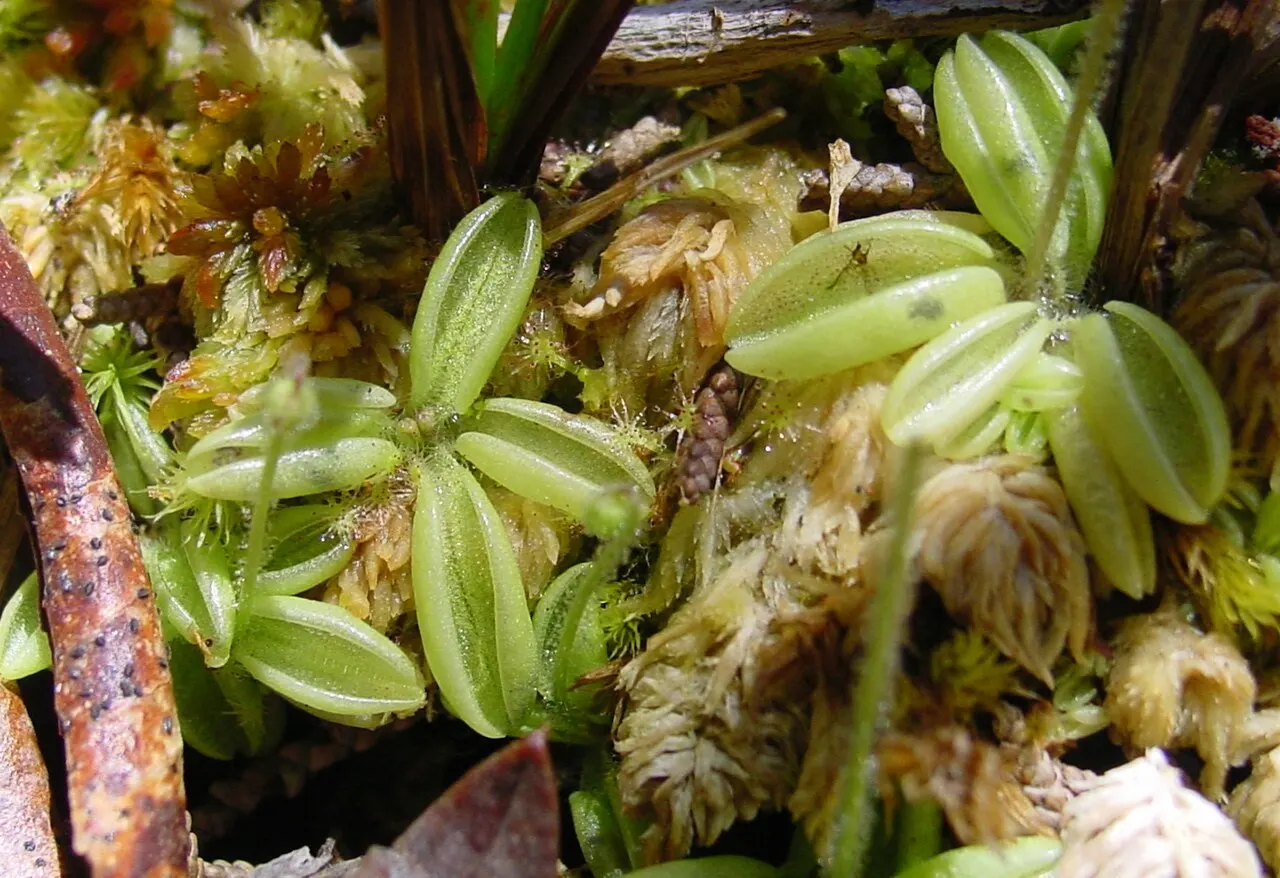
The pale butterwort draws in insects by generating a sticky sap on their leaves that shine like a water drop. When the insects land on the sticky surface, they are digested to feed the plant. The heath of Dorset is a lovely place to find orchids, a wide variety of lichens and many mosses.
8) Study Up on the Wildlife
The weather patterns over the channel coast serve to assist many birds on their migration path. The hobby and nightjar visit the heath to nest over the summer. Woodlarks and Dartford warblers are there all year round.
The insects of Dorset are myriad. Even more interesting are many moths indigenous to the region. If you plan to go fishing, keep an eye out for the raft spider, which lives along ponds and can feed on small fish and tadpoles.
The heathland is also a terrific space for reptiles of all sizes. There are many regions of Dorset that offer protected spaces for smooth snakes and sand lizards. Before you hike, check the signs to make sure that you are not putting an endangered animal at risk.
Dorset is an ideal vacation spot for anyone who needs the chance to disconnect, kick back on a quiet beach, and relax. Your time in Dorset can be quite isolated if you choose, or you can join a guided tour of different topographies in this charming county.
Cover photo: Saffron Blaze, CC BY-SA 3.0, via Wikimedia Commons
Comments
Be the first to leave a comment.
Leave a comment
Related posts
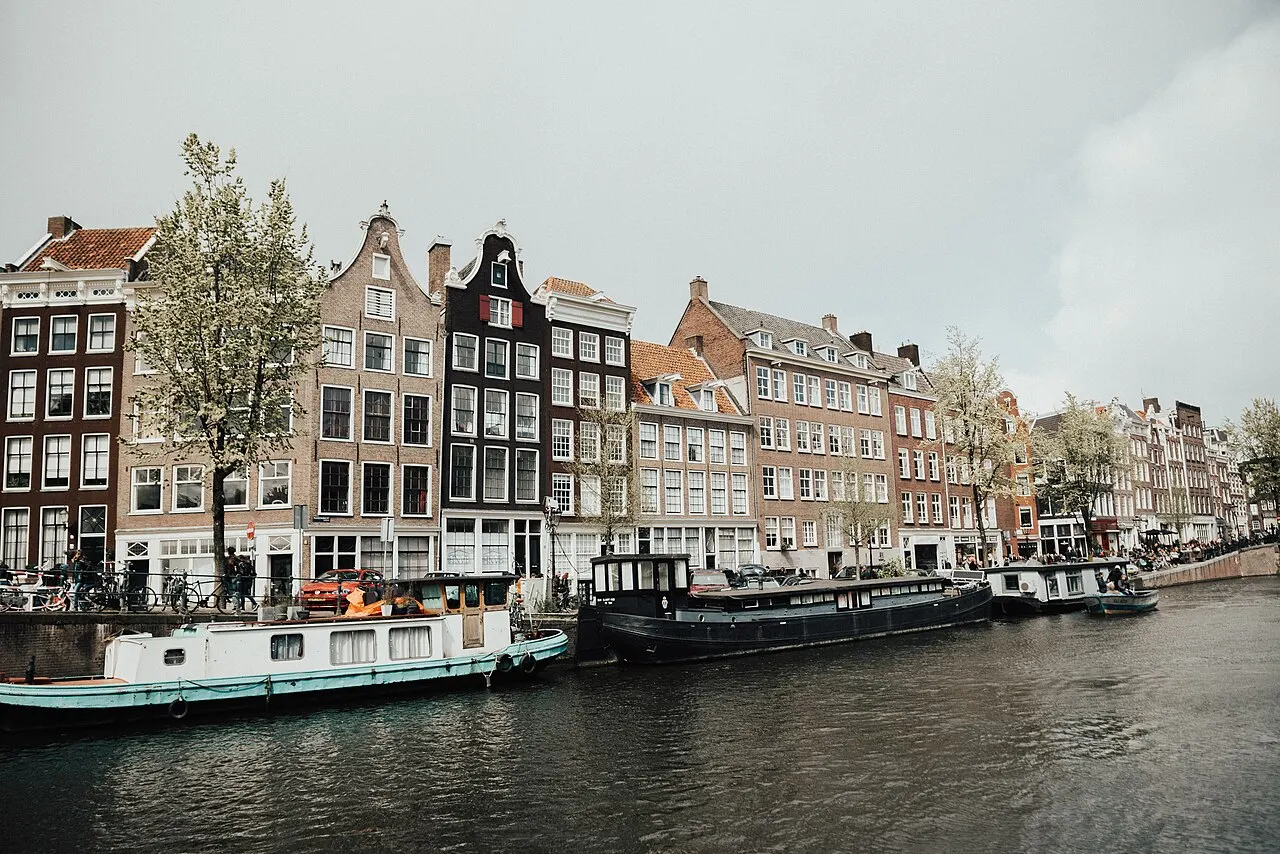
7 Reasons to Fall in Love With Amsterdam
The city’s olive-green canals and handsome gabled mansions are indeed beautiful, but perhaps above all, it’s the flavour of the city that appeals – its inhabitants a creative and imaginative bunch who quite simply bring the place alight. Young Amsterdammers were energized, and the hippy movement inf
Dec 28, 2021
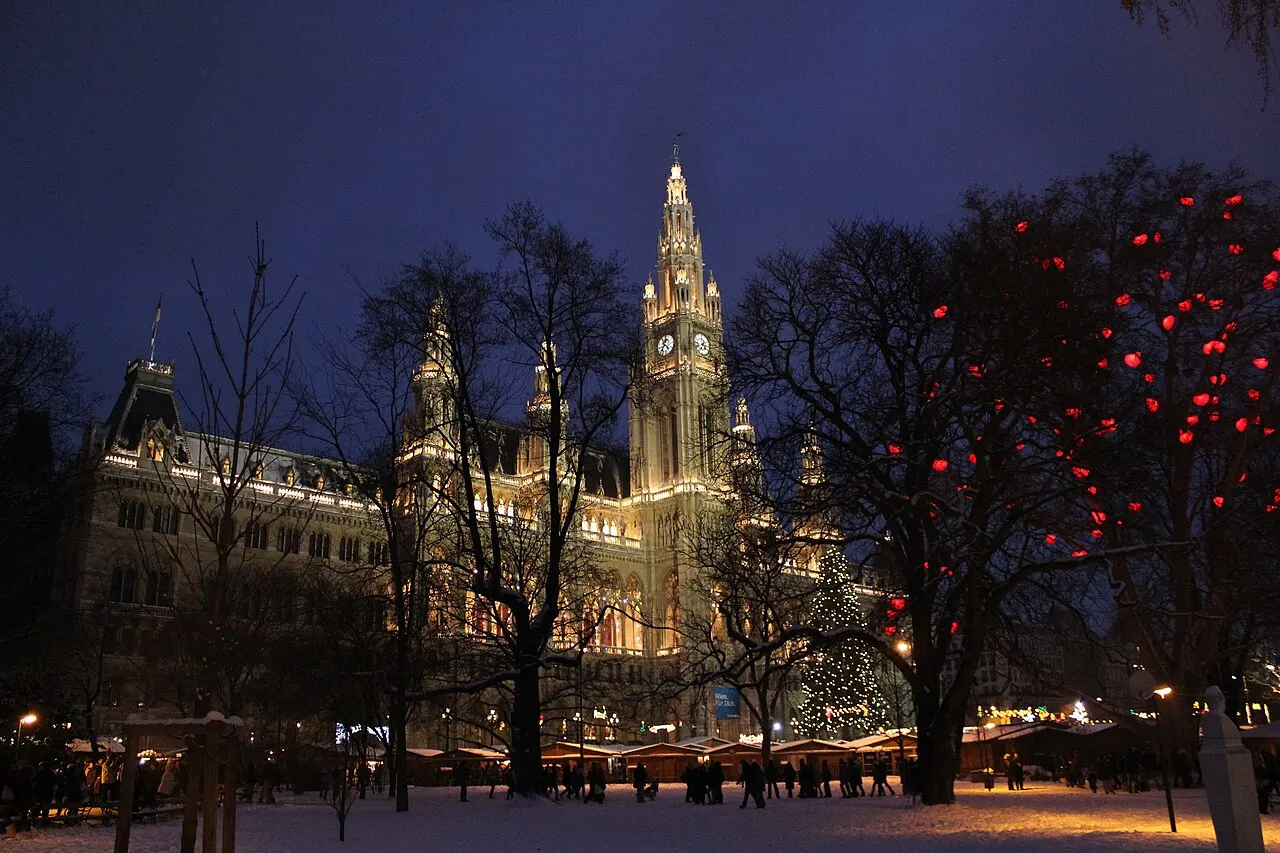
8 Most Magical Christmas Markets Waiting for You to Explore
Culture and traditions often hold special meaning for people because such events trigger memories and a sense of belonging within a certain society. One of Christmas’s most loved traditions is to shop at Christmas markets. It is the one place that is merrier than your own home decor. They are packed
Dec 11, 2021

7 Best European Cities to See Christmas
Snow is falling everywhere in many of Europes’s most beautiful cities. Every Europe cities are prepared with their finest decorations like that Christmas lights, best colorful Christmas Markets and events, fantastic Christmas shows and so on.
Dec 8, 2021