
8 Most Popular Festivals in Japan
Think of a festival like a giant themed party. It’s a place where thousands of like-minded travelers get together to celebrate the thing they love most, from electronic music to classical theater, contemporary art, beer, and even movies. The exhilarating, shared experience of a festival helps travelers connect to new people, new sights, and new sounds, familiarizing them with a place.
Festivals are one of the biggest excuses for visiting a destination during peak season—that’s usually when a town or city is in full bloom, teeming with an irresistible mix of locals, visiting performers, high-brow art connoisseurs, and curious tourists. Matsuri is traditional Japanese festivals and each of them has a long history.
The date and nature of each festival are different from community to community. Matsuris are powerful, energetic, exciting and enjoyable - everybody is always welcome to participate. Festival dates and schedules vary slightly each year, so please check the official announcements before you plan your trip.
Gion Matsuri (Kyoto, throughout July; float processions on 17 & 24 July)
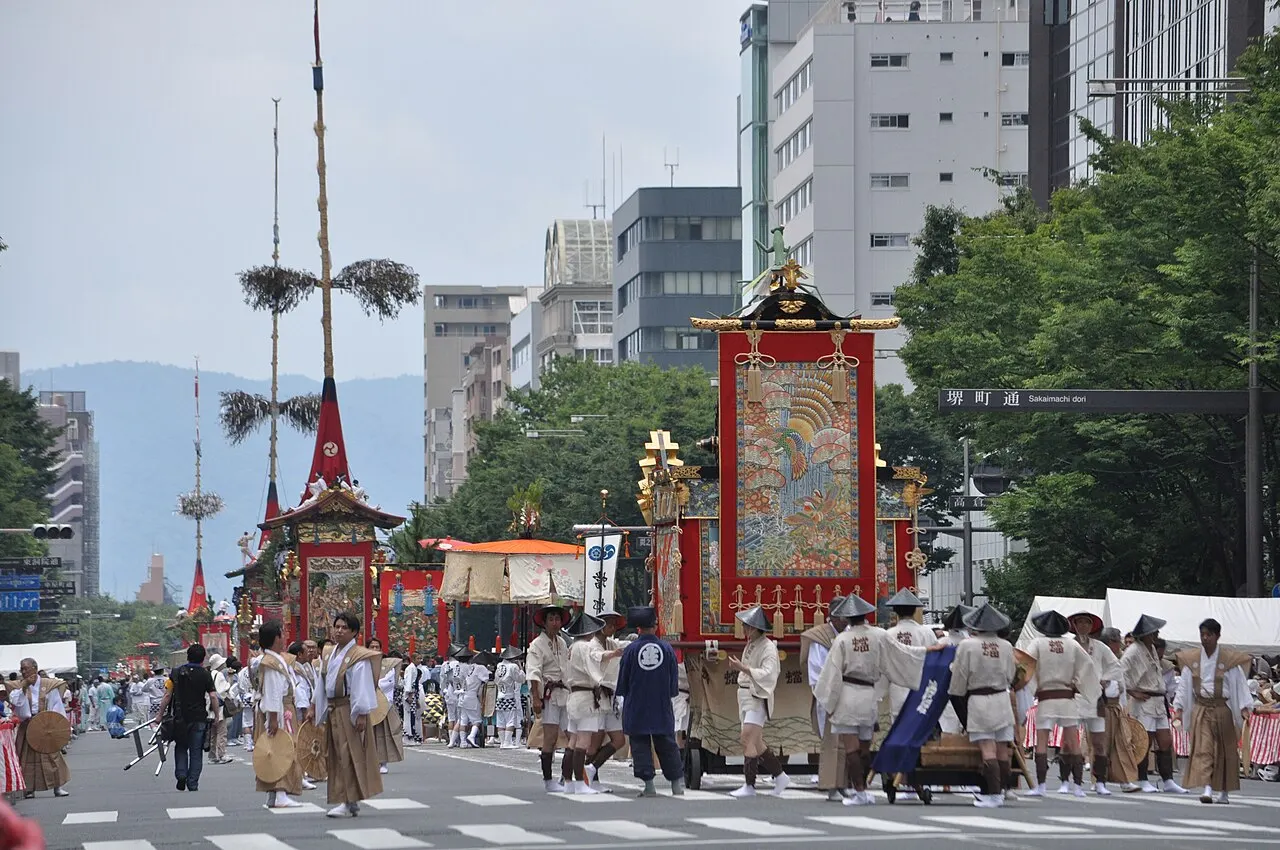
The Gion Matsuri (Gion Festival) is Kyoto’s biggest annual festival. Events run for the whole month of July, and it is equal parts religious observance and raucous street festival. Originally held to pray for deliverance from the plague, the festival has evolved into a huge celebration of Kyoto culture. It is also a huge summer block party in which locals and visitors gather to promenade in colorful yukata robes and gorge themselves on street food and beer. For visitors, perhaps the most enjoyable part of the festivals is the “Yoi-Yama” events held on the three evenings before each of the two Yamaboko Junko float processions (17 and 24 July).
(Credit: JapanRailPass)
Awa Odori (Tokushima, 12 August - 15 August)
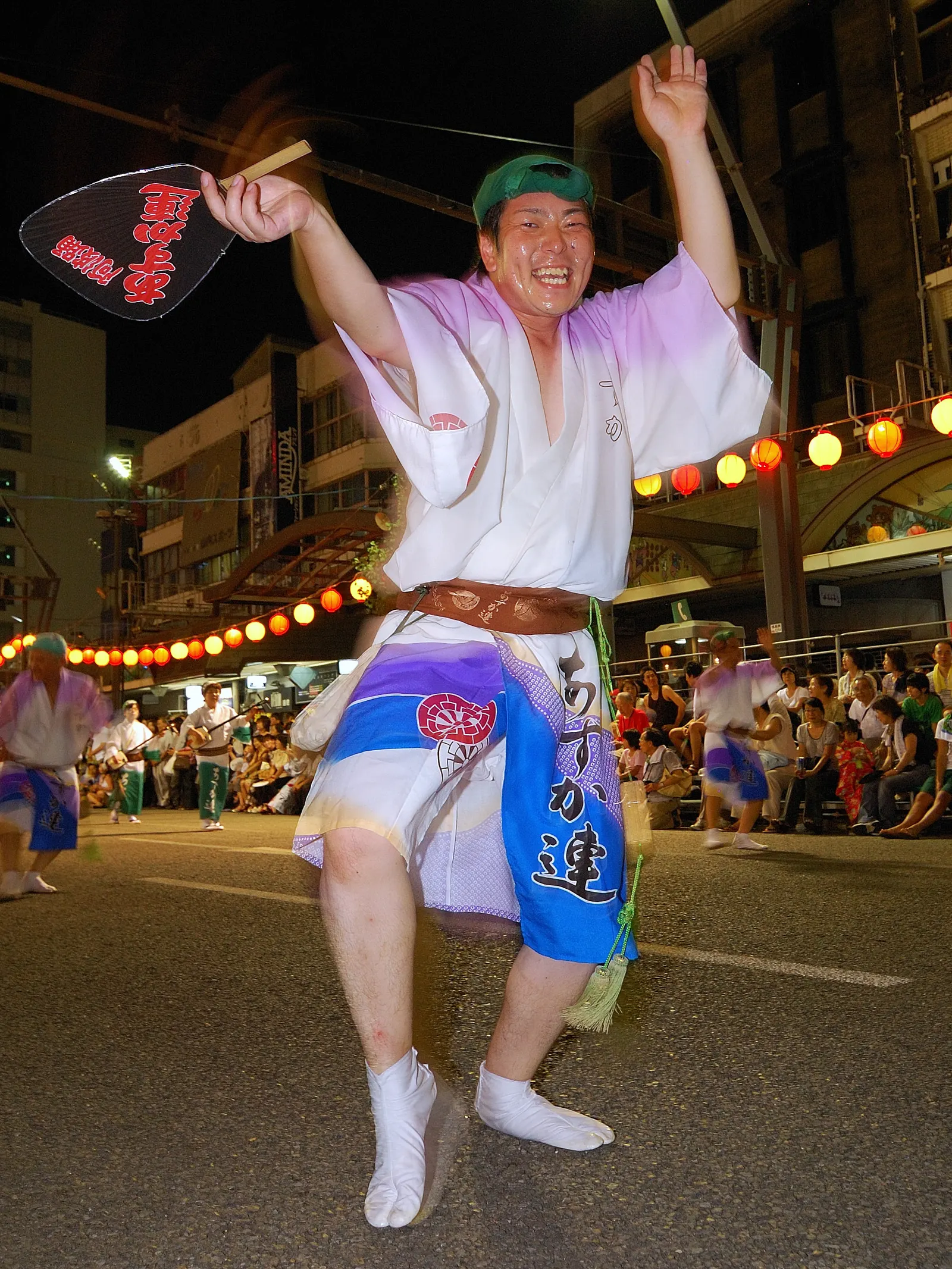
Awa is the former name for Tokushima Prefecture while Odori means dance. Between August 12 and 15, spectators and dancers come to Tokushima in the thousands to see this "Fool's Dance" whose origins date back 400 years. This nickname comes from the lyrics to a common dance song, which translates as follows: "Fools dance and fools watch, if both are fools, you might as well dance". During this festival, major thoroughfares are cordoned off and spectator stands are set up at various points for specific dance competitions. Numerous street food stalls known as yatai appear around the river areas, and the entire downtown area of Tokushima takes on the air of a lively outdoor festival, drawing comparisons with the carnival in Rio de Janeiro.
Nebuta Matsuri (Aomori, 2 August - 7 August)
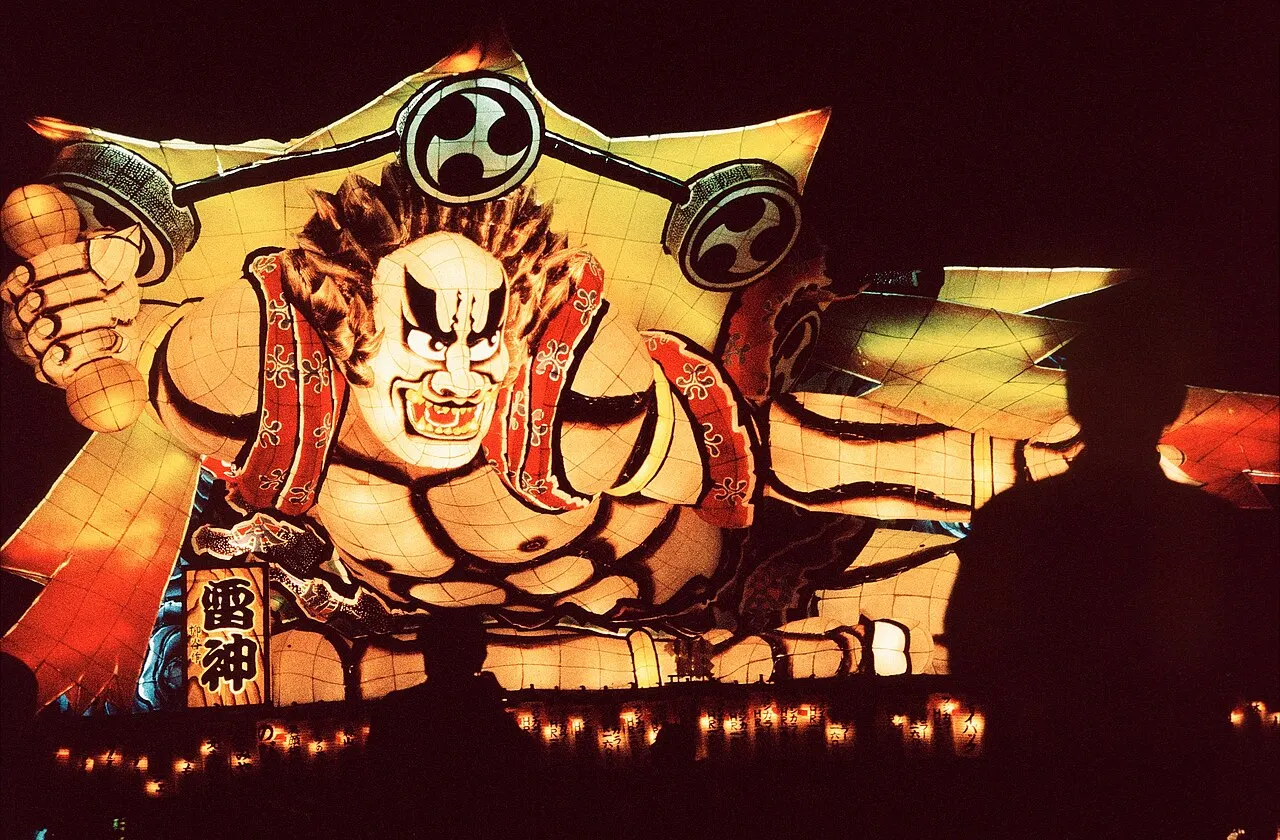
Nebuta and Neputa are a type of Tanabata related summer festival held in towns around Aomori Prefecture. The highlight of the festival is the daily parade of enormous lantern floats, flanked by large taiko drums, musicians and dancers. The Nebuta Matsuri together with Akita's Kanto Matsuri and Sendai's Tanabata make up the Tohoku Sandai Matsuri (Three Great Festivals of the Tohoku Region). Prizes are handed to the best Nebutas, judged by design, music & chanting, parade performance, and the Haneto’s dancing. The Nebuta Grand Prize is given to the group with the most fantastically built float, best parade performance, and the outstanding unity of the members’ moves and rhythm.
Kishiwada Danjiri Matsuri (Kishiwada, Osaka, Middle September)
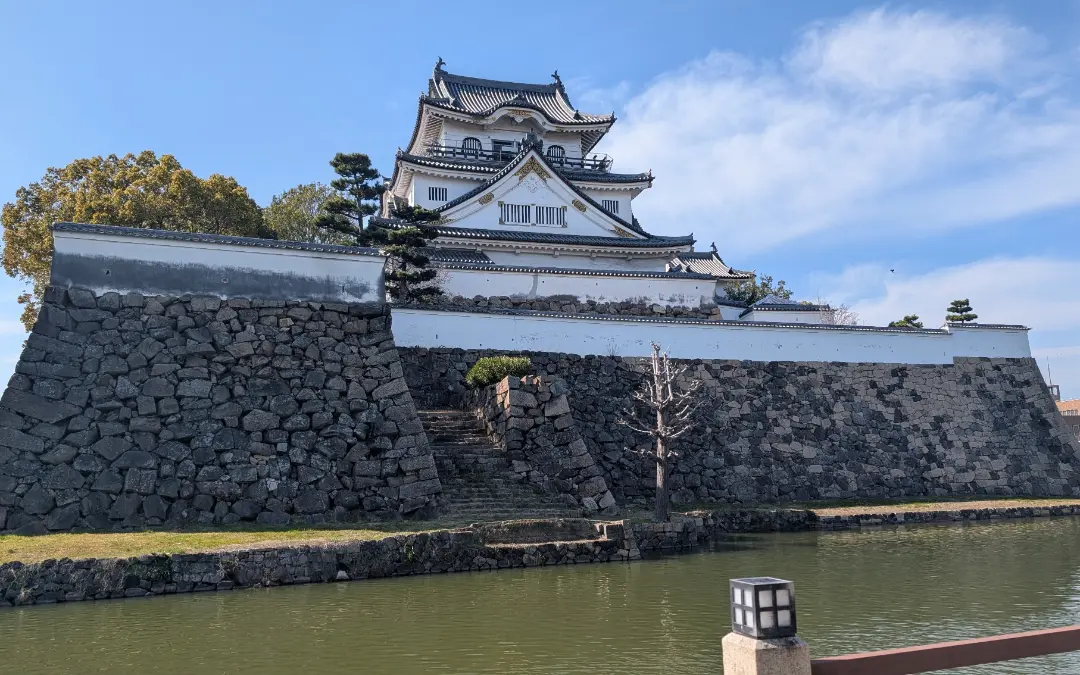
A 300-year-old tradition, Danjiri Matsuri (wooden float festival) brings a team from each of Kishiwada’s thirty-four neighborhoods together to compete by manually pulling their four-ton danjiri through the city’s streets. It also showcases the work of each district’s best carpenters, as elaborate detailing covers the wooden structure. Weighing around four tons, traditional danjiri floats are ornately crafted wooden structures with detailed carvings of ancient battles and myths. The festival now brings crowds from across Japan and abroad to witness the physical feats, harrowing turns and gorgeous wooden constructions that make Kishiwada Danjiri Matsuri so unique within Japanese festival culture.
Kanda Matsuri (Tokyo)
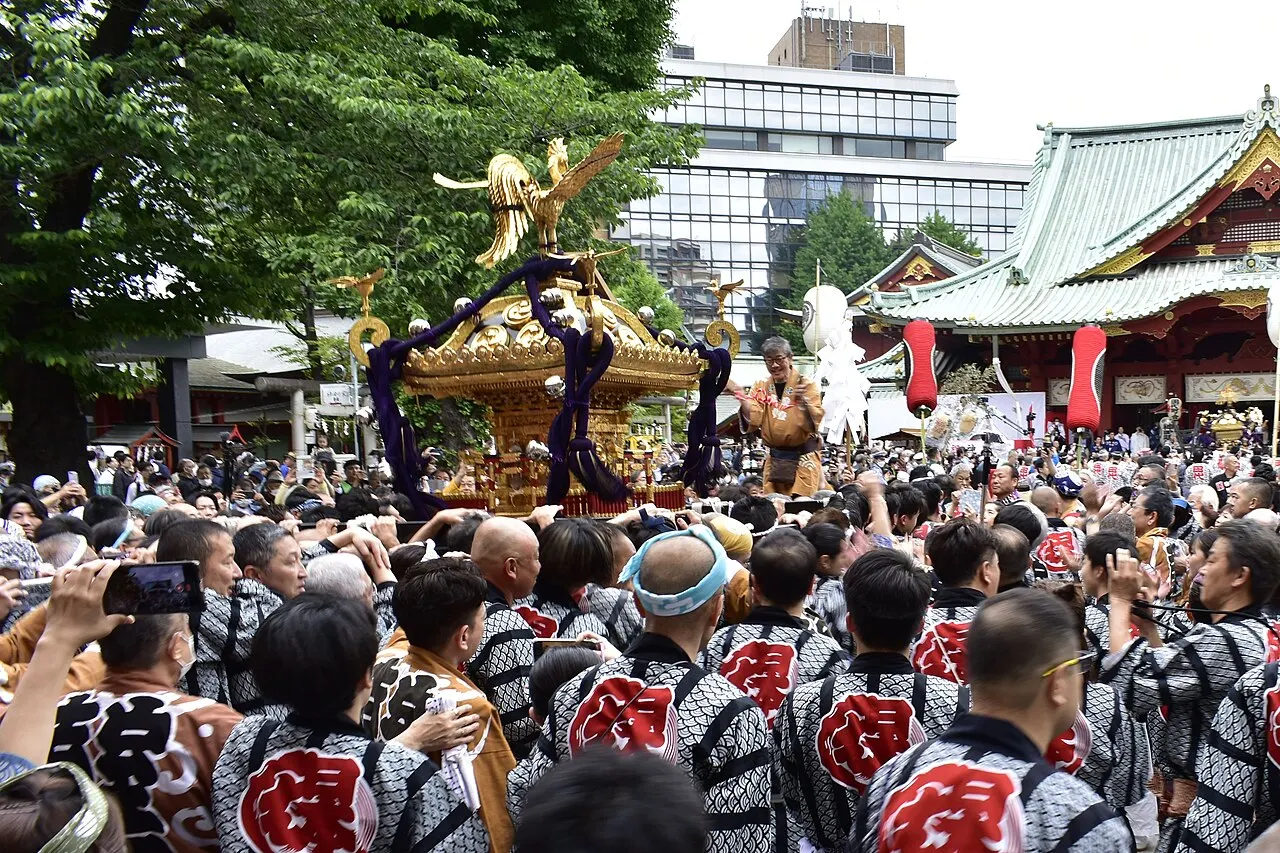
Featuring over 200 floats and portable shrines known as mikoshi, parades of dancers, musicians, and priests on horses, the Kanda Matsuri is out of this world. It takes place in mid-May in odd-numbered years, alternating with the Sanno Matsuri which is held in even-numbered years – so the next grand festival is expected in May 2027. The highlights are a day-long procession through central Tokyo on Saturday, and parades of portable shrines (mikoshi) by the various neighborhoods on Sunday. The festival started during the Edo Period (1603-1867). When the Tokugawa shogun began to rule the country from Edo (present-day Tokyo), the festival was celebrated as a demonstration of prosperity under the new regime.
Yuki Matsuri, Snow Festival (Sapporo)
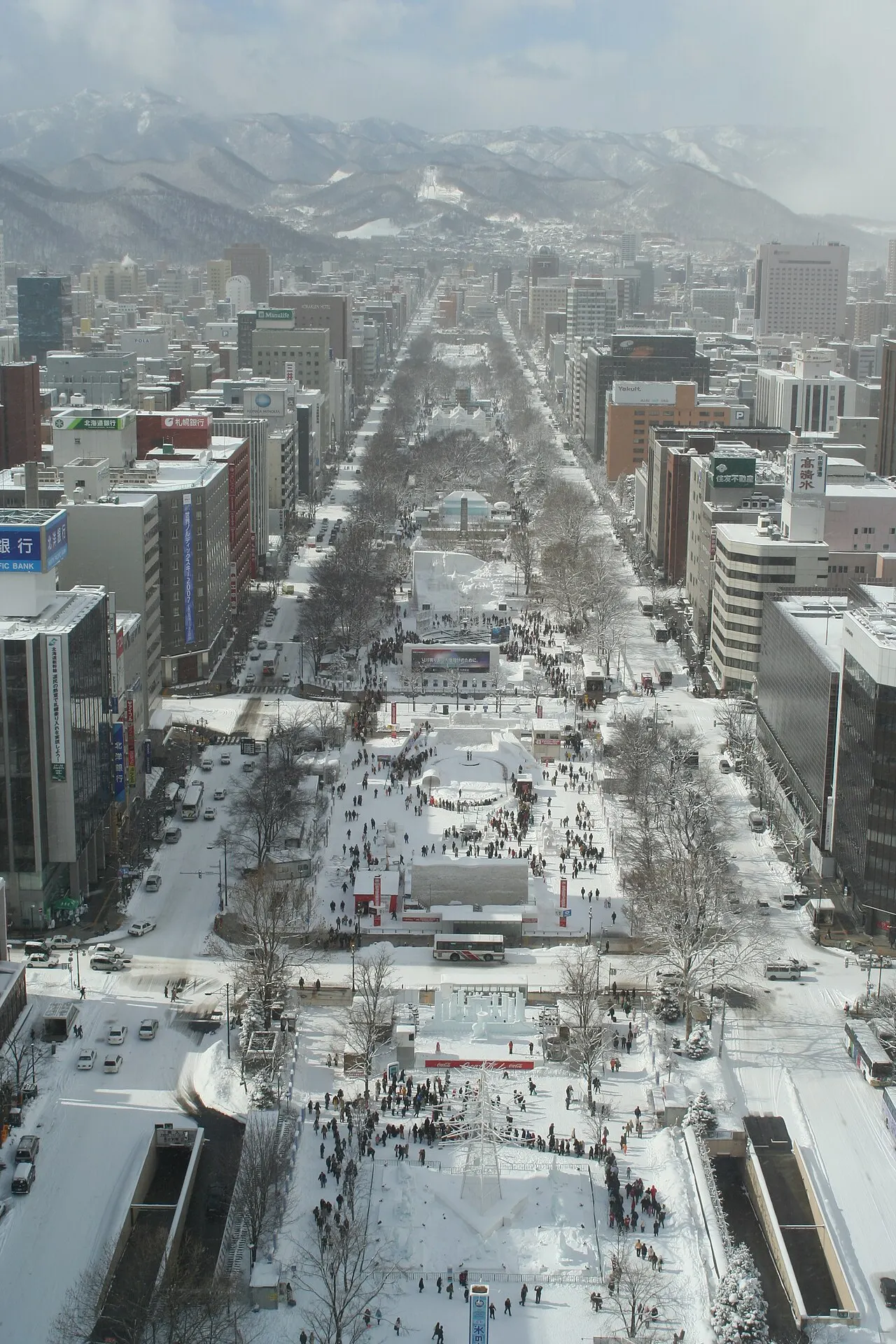
The Sapporo Snow Festival was started in 1950 when high school students built a few snow statues in Odori Park. It has since developed into a large, commercialized event, featuring spectacular snow and ice sculptures and attracting more than two million visitors from Japan and across the world. Imagine yourself strolling through a winter wonderland. Snow blankets the ground, painting the city a shining white. Trees are decked with twinkling lights, and statues crafted of ice and snow tower over the mingling crowds.
At night, the sculptures are illuminated by entrancing, moving colored lights that give the park an enchanted atmosphere. The scents of delicious, exotic foods greet your nostrils and your taste buds. Besides about a dozen large snow sculptures, the Odori Site exhibits more than one hundred smaller snow statues and hosts several concerts and events, many of which use the sculptures as their stage.
Tenjin Matsuri (Osaka, 24-25 July)
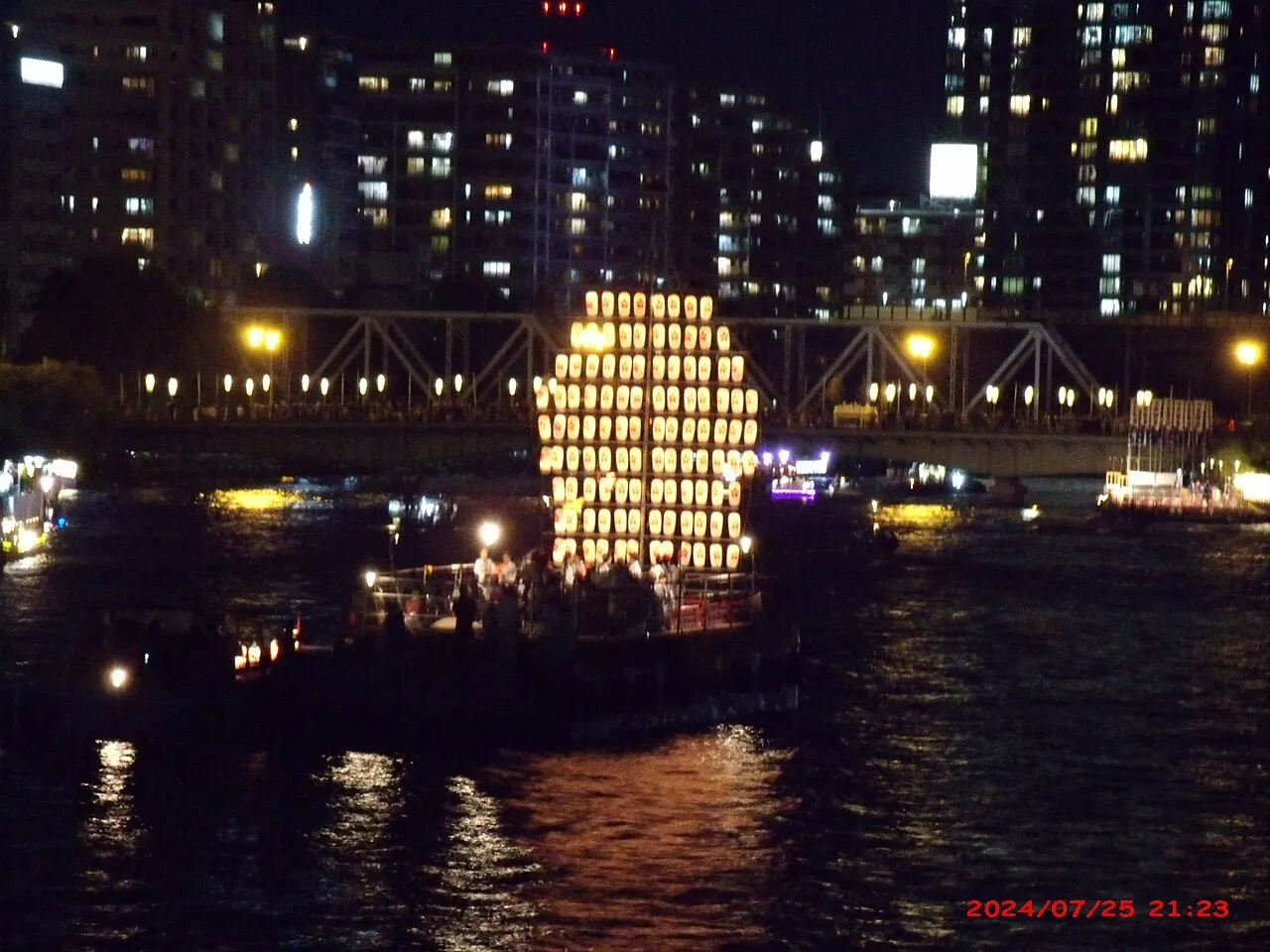
The festival started in the 10th century and today takes place on July 24 and 25 every year. The main celebrations are held on the festival's second day, July 25, including a land procession and a river procession with fireworks. Tenjin Matsuri is the festival of the Tenmangu Shrine and honors its principle deity Sugawara Michizane, the deity of scholarship. Fireworks are displayed at the riverbank from 7:30 to 9 p.m. The best spots to view them are near the Gin-Bashi bridge and the park near the Imperial Hotel although they are extremely crowded.
Hakata Dontaku Matsuri (Fukuoka, 3-4 May)
Formerly called Matsubayashi, it was an opportunity to celebrate the local lords and thank them for their kindness by wishing them eternal prosperity. The festival itself features teams of extravagantly costumed dancers as well as decorated floats called Hana jidosha (flower cars). The festival also features teams of extravagantly costumed dancers, who parade through the streets clapping shamoji, wooden spoons used for serving rice. This is supposed to evoke the image of busy housewives rushing out into the streets to participate in the dance as it passes their home.
Cover photo: Marie-Sophie Mejan, CC BY 4.0, via Wikimedia Commons
Tour with a licensed local guide
See tours in Japan →Comments
Be the first to leave a comment.
Leave a comment
Related posts
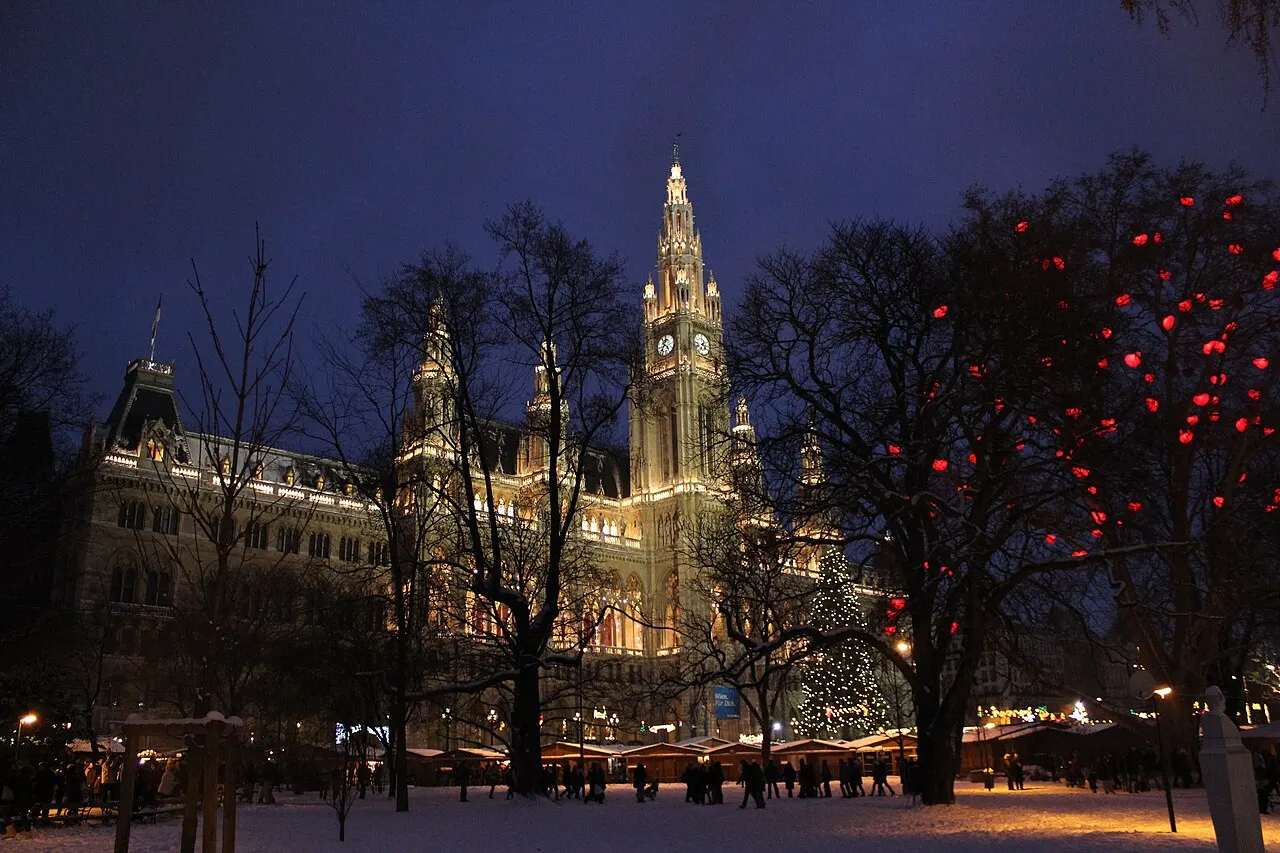
8 Most Magical Christmas Markets Waiting for You to Explore
Culture and traditions often hold special meaning for people because such events trigger memories and a sense of belonging within a certain society. One of Christmas’s most loved traditions is to shop at Christmas markets. It is the one place that is merrier than your own home decor. They are packed
Dec 11, 2021
7 Reasons Why Japan Has Such a Rich Art Culture
Japan, the land of the rising sun, is one of the developed and advanced countries in the world. Though the island nation is prone to natural disasters like earthquakes, tsunami, and volcanic eruptions, the people of Japan have made a mark with cutting-edge technologies in various fields such as elec
Aug 2, 2021
Tokyo at Night: Izakaya Alleys, Bars and Night Views
Nighttime in Tokyo is rather different than what you experience in the day. There is so much more to see and explore in Tokyo under the mysterious and sexy shade of the night. Tokyo nightlife can be more complicated than learning to say "cheers" in Japanese. There are districts specific to clubbing—like Kabukicho, which is the biggest red-light district in Japan. Shinjuku (the neon-bathed streets of the Kabukicho red-light district, in particular), which has dozens of karaoke bars, izakaya pubs, and hostess clubs to boot. Shinjuku is also home to Ni-chome, which is Japan's largest gay nightlife area. Tokyo is a city that never sleeps and has plenty of places to keep you entertained for the night.
Dec 15, 2020