
20 Do's and Don'ts in Laos: Be a Respectful Traveler
Foreigners can sometimes find it difficult to navigate the cultural norms of Lao culture, especially first-time visitors. Knowing what might be considered offensive to the Lao people can help to avoid embarrassment and possible trouble. Most of the tourists traveling in Laos feel welcomed by friendly locals, which express one of the traditions and cultures of Laotian.
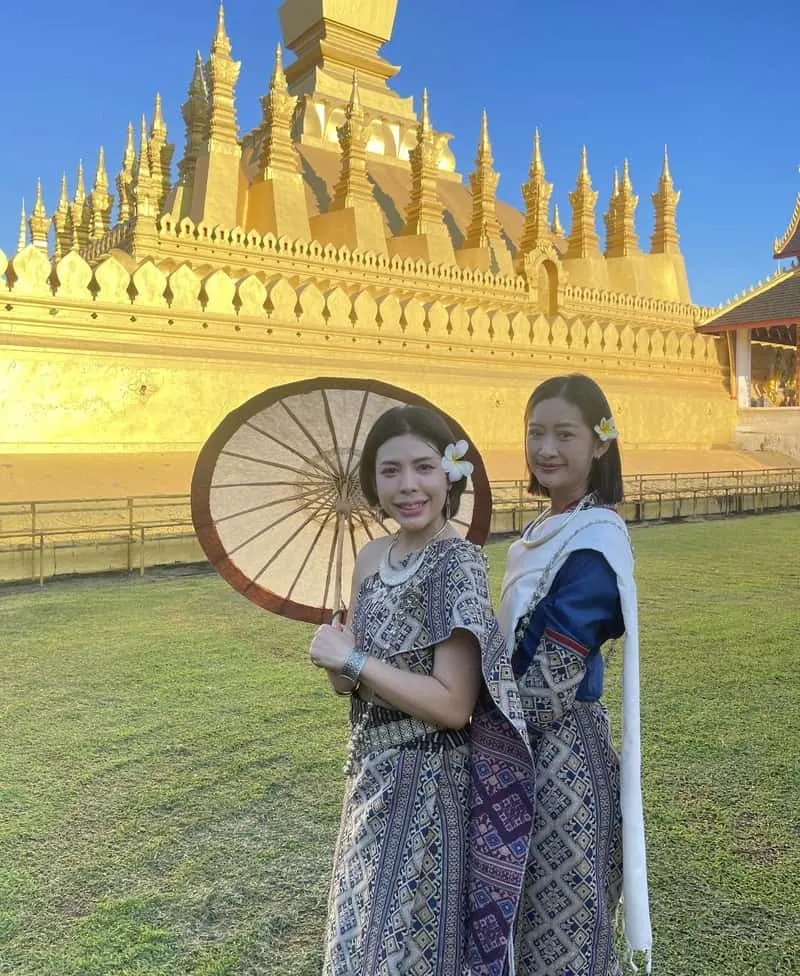
Foreigners can sometimes find it difficult to navigate the cultural norms of Lao culture, especially first-time visitors. Knowing what might be considered offensive to the Lao people can help to avoid embarrassment and possible trouble. Most of the tourists traveling in Laos feel welcomed by friendly locals, which reflects the warmth of Lao culture. Most people in Laos are Theravada Buddhists, and Buddhist values shape much of everyday etiquette, which is why local traditions are taken seriously. To make your travel experience more enjoyable in Laos, there are some simple but important Do’s and Don’ts that you should remember throughout your stay. By adhering to the norms of Lao culture and respecting Laos customs, you will get so much more from your travel experience in Laos. Earning the respect of the local people makes for far more interesting and successful local interactions, and best of all, it will aid you in getting those good prices in the local markets!
Here is a list of the most important norms of Lao Culture:
- A formal greeting for most Lao people is the “Nop” (joining one’s hands together in a praying gesture at chin level). Handshakes are also commonly used among male friends and with foreign visitors.
- The Lao word for 'hello' is 'Sabai dee', usually said with a smile. Touching or showing affection in public will embarrass your host.
- In Laos your head is 'high', your feet 'low', using your feet for anything other than walking or playing sports is generally considered rude. Do not point with your feet/toes and do not have your feet raised/or propped up on tables. Stepping over someone who is seated is the height of rudeness in Lao culture. It is the same for accidentally kicking or brushing another person with your feet at a table. The best way is to keep your feet on the floor, not tucked under you or on a chair or propped up on a table. It’s taboo.
- It is polite to gently crouch down when walking past someone who is seated, especially older people
- Touching someone's head is very very impolite! (Not even children’s.) It is polite to gently crouch down when passing someone who is seated. Never ever step over someone in your path.
- Don’t touch the Monk in the Buddhist culture of Laos. In Laos, If you are visiting Laos for the first time, note that touching a monk or novice is considered rude, and is totally taboo, especially if you are a woman. Women should also be careful not to accidentally brush against a monk’s robe on the street, in a temple, or when sharing a tuk-tuk. In Laos tradition, Women should not give anything directly to a monk but instead should transfer the item to a male mediator. The only exception to this rule is to give morning offerings to monks by offering food or money to monks.
- Avoid wearing your shoes inside a home or Temple of Laotian. As in most Southeast Asia, shoes are placed outside the home and barefooted into the home. In Laos, a number of stores, as well as restaurants, also apply to this culture. Even if your host tells you that you can keep your shoes on, it is polite to take them off anyway. Lao people try to avoid confrontation and may tell you one thing when they would really prefer you to do another.
- It is OK to wear shoes if you just walk around a temple compound, but don’t forget to remove them before entering the chapel.
- In Lao homes, if the host (especially elderly person) sits on the floor you should sit there as well, don’t sit anywhere higher if you want to be seen as a respectful person.
- At some temples, women in shorts or short skirts are required to put on a Lao skirt as a top layer before entering the place. Lao skirts are often available to rent or borrow on the spot.
- Lao people appreciate clean and neatly dressed visitors! Please show respect and dress neatly while in temples and when taking photos. Dress appropriately, no tank tops or shorts in temples, no low cut necklines, or revealing clothes.
- When swimming, you will see Lao people fully clothed, wrapped in a sarong, or even in jeans. Especially, the Lao women swimming they bring a sarong. Once you’re in the water you can take it off but you will avoid uncomfortable stares and blend in better. Additionally, walking around town in swimwear is not culturally acceptable for men or women. So when you go swimming or tubing, remember to bring a shirt or sarong to cover up when you get out of the water. That is really necessary to protect the Laos tradition and culture.
- Don’t make public displays of affection in Laos culture. Laotians often do not publicly share affection between friends or lovers in a romantic way, even hugs in public places.
- You might find it hard to communicate with locals if you don’t speak Lao especially in the countryside where not many people speak English. If things don’t quite work the way you expect, remember to keep cool, don’t lose your temper or raise your voice. It won’t help, it will only make you look bad. Learn some basic Lao phrases and practice them with the locals you meet, they will be impressed and you will be well received. You can say Sabai dee with a smile when greeting. It is Laos' equivalent of "hello" and literally means "it goes well". When you want to thank someone, you say khob chai.
- Respect local people when taking their photographs, especially of children. Generally, locals are happy to be in your photos if you respect their space. If possible, ask permission first. Don’t follow people around and try to avoid snapping photos of them doing personal things like bathing. Show the photo to them after you’ve taken it.
- Don’t give candies, pens, books, or money to kids and adults as it encourages begging and incites hanging around tourists rather than going to school. If you want to help, consider donating to reputable local organizations that support schools and hospitals.
- Support the local economy to allow a better distribution of revenues. Please do not buy products that damage natural and cultural heritage, and bargaining with a smile is part of the game. Bottled water is safe to drink and is available throughout the country.
- When trekking or biking follow the trails to preserve the environment and never touch and feed wild animals. Look with your eyes, take with your mind, and leave things in their natural environment. When caving do not touch anything, as it took centuries to form.
- Rubbish should be collected to be thrown away in town (keep the packaging at home) and be careful not to use soap or other chemical products in rivers and streams.
- Respect the laws; not knowing them doesn’t allow you to break them. Drugs are totally prohibited in Laos and the penalties can be severe. Lao law also prohibits sexual relationships between foreigners and Lao nationals unless the couple is married under Lao law, regardless of gender; even sharing a room overnight can count. Foreigners can face heavy fines, detention or deportation, and the Lao partner can be punished too.
Again, before traveling around Laos, be sure to first familiarize yourself with the norms of Lao Culture, so that you will be able to have more fun and engaging interactions with the locals!
Comments
Be the first to leave a comment.
Leave a comment
Related posts
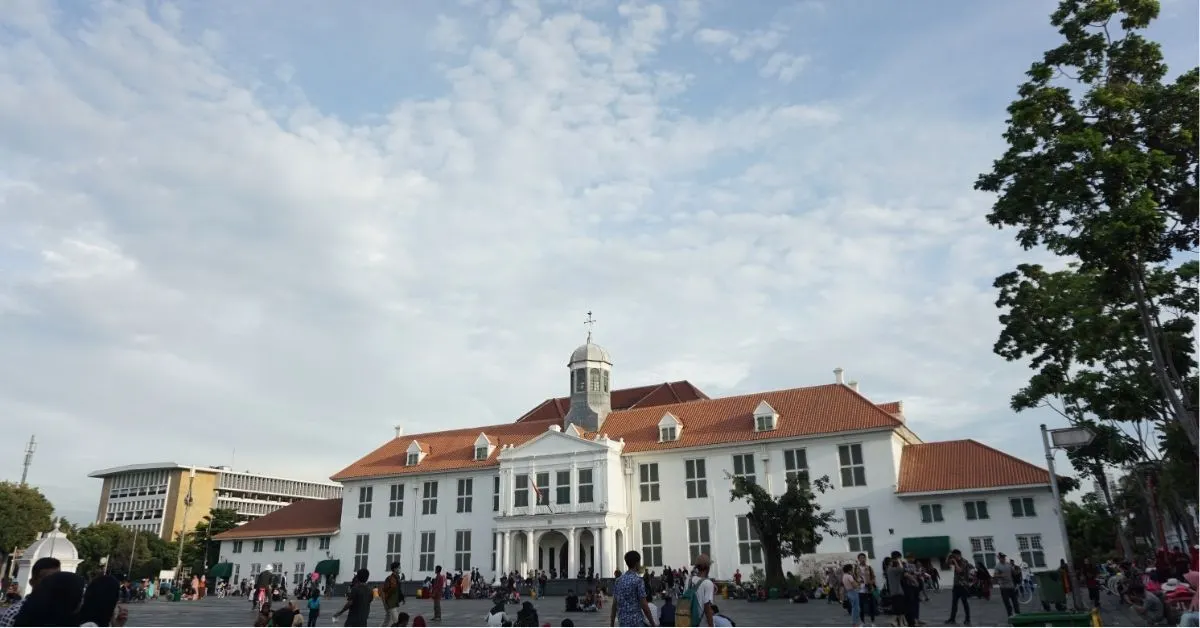
Finding Treasures in Old Town Jakarta: Things To Do In Kota Tua Jakarta
Kota Tua Jakarta ("Jakarta Old Town" or "Old Town Jakarta"), officially known as Kota Tua, is a neighborhood comprising the original downtown area of Jakarta, Indonesia.
Apr 20, 2021
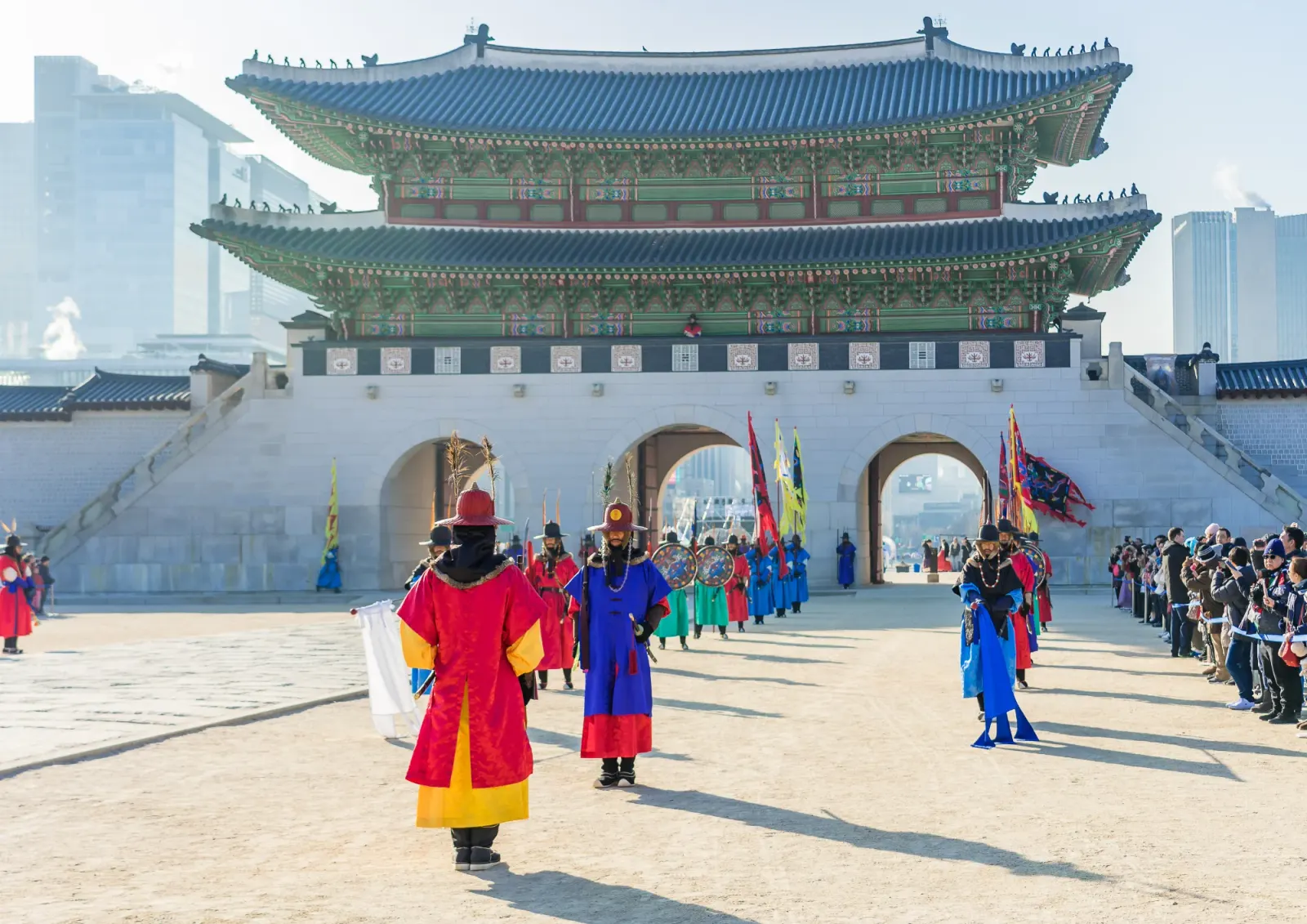
10 Reasons Why You Should Visit South Korea
One of the most exciting destinations to visit after the coronavirus pandemic is South Korea. This is a magical country that has kept its culture, traditions, and values alive throughout the years. Its distinct cuisine, modern entertainment, and signs of ancient civilizations place it among the best
Apr 13, 2021
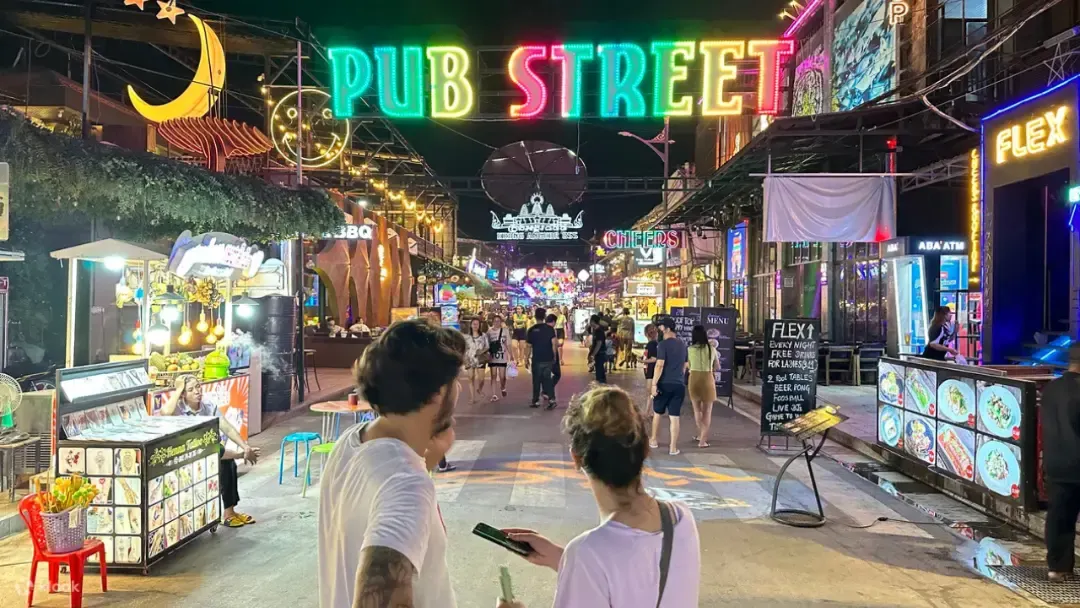
Siem Reap, Cambodia: What to Do Besides the Temples
Cambodia is a country in Southeast Asia best known for its temples and turbulent recent history. Siem Reap is located in the northwestern portion of Cambodia, and is the gateway to the greater Angkor region, the former capital of the Khmer Empire. The temples of Angkor are surely the highlight of Si
Mar 23, 2021