
Hiking Routes in Myanmar
Before you go: Since the 2021 military coup, parts of Myanmar have seen armed conflict, and the March 2025 earthquake centred near Mandalay and Sagaing damaged many historic sites. Conditions change quickly, so check your government’s latest travel advisory and confirm with a local guide that the places you plan to visit are open and safe to reach before you go.
If you love traveling on foot or pedaling your way around new places, Myanmar has it all! If you love nature, do not doubt that hiking is the perfect activity for you. You will be amazed by the natural life, full of natural walks and waterfalls. You will see leafy vegetation that will make you forget for a moment the bustle and the gray cement of the city. And you will
breathe fresh air without the pollution of the industries and the exhaust pipes. Also, if you give enough attention surely you listen to the joyful song of a bird. And, hopefully, you may see some animals in the area.
Each route, each mountain and each path are different worlds. Discover the wonderful corners away from the view of the majority, that clear in the middle of the forest, that lonely rock that you will not hesitate to upload to take a photo. That little pond with crystalline waters that with some luck has fish. With each new excursion you will discover beautiful landscapes. Even on a repeating route, you will notice things that you have not seen or explore new corners and roads that will take you to new and wonderful sites.
Myanmar has a wide network of walking trails. Routes run through the whole of the country, from the Himalayan foothills in the north to the lower level rice fields of the south, with choices for hardy trekkers and occasional walkers alike. For more ardent walkers, a range of overnight treks exist, many with monasteries providing distinctive overnight accommodation. The best time for trekking is from November to March, during the cooler weather. Here are some of the classic routes:
Current status: all of the routes below are in areas affected by the conflict. As of August 2026, the UK government advises against all travel to northern Shan State (Hsipaw) and Kayin State (Hpa-An), and against all but essential travel to southern Shan State (Inle Lake and Kalaw). Read these as background for when conditions improve, check your own government's advisory, and only trek with a licensed local guide who can confirm the trail is open and safe.
Inle Lake
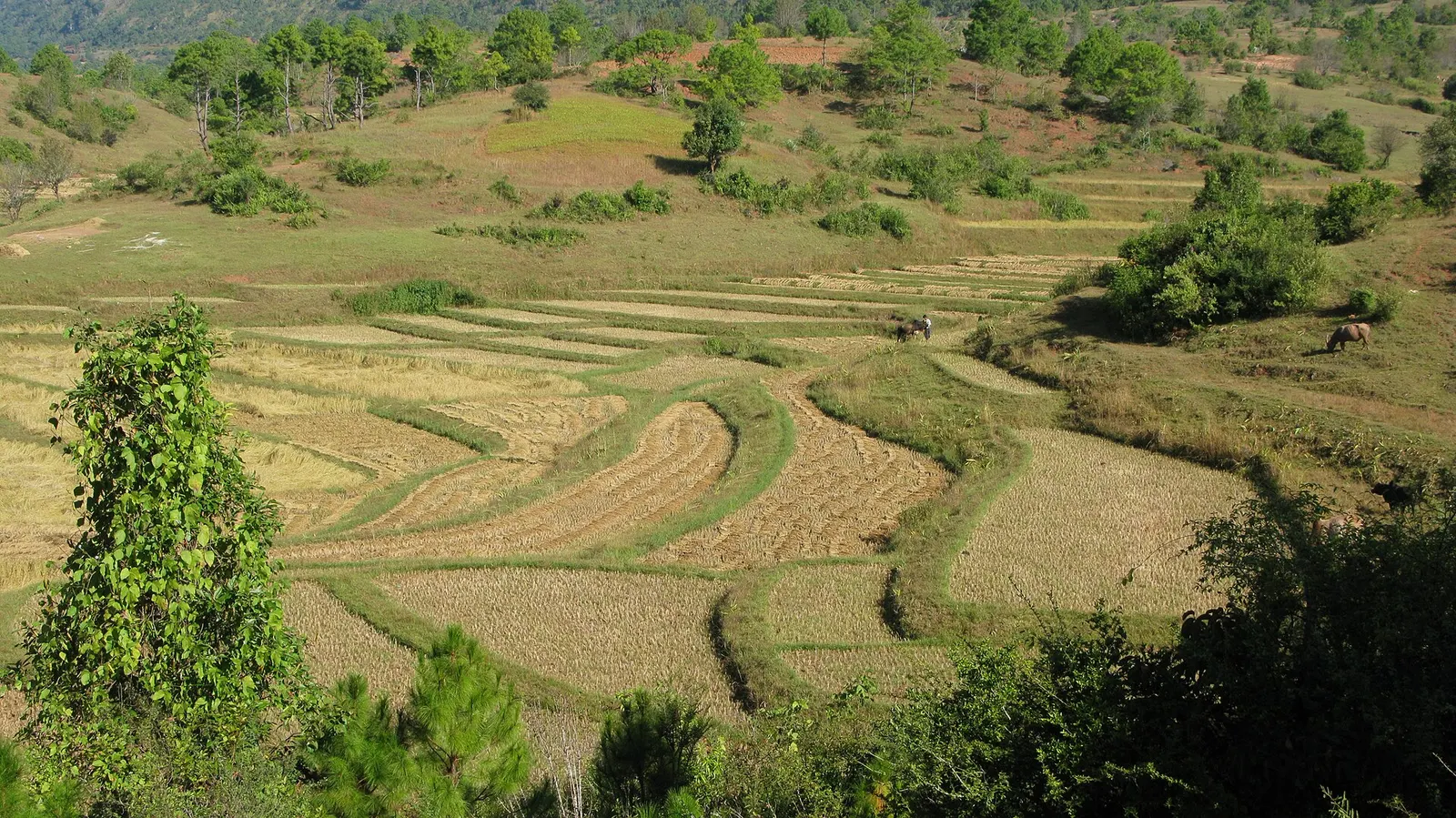
The perfect area for day hikes and cycling, Inle Lake is a shimmering body of water, set among rice paddies and Pa’o villages in southern Shan State, in eastern Myanmar. From the main town of Nyaungshwe, follow the dirt path south towards the Pa’o Villages on the east coast of the lake. After visiting a few villages, you can hop on a boat (agree the fare with the boatman first) to take you back across the lake. You can also ride your bike (15 minutes) or walk (55 minutes) from Nyaungshwe to the Red Mountain Estate Vineyard for beautiful views over the lake, a tasty lunch, and Burmese wine (check it is open before you go)!
Inle to Kalaw
If you’re a first-time visitor to Myanmar, more likely than not your itinerary will include time in and around Inle Lake, where communities live on floating villages.
As well as exploring the water by boat, we would encourage you to take to the area’s paths on foot. I'd suggest spending at least a couple of hours meandering in the surrounding countryside and farmland of Shan State, a plateau that extends all the way from northeast of Mandalay to China. As you ascend the lake and look back on views of the traditional fishing villages grouped around its shoreline, you start to appreciate its scale and serenity.
With more time, you can trek for a full day, or even two. Heading west from Inle Lake, it's possible to trek overnight to the former British hill station of Kalaw, or vice versa. On the route in-between, you'll pass through the villages of the Palaung, Pa-O, Taungthu and Danu tribes. At the markets around the lake, you’ll start to recognise villagers by their clothes. The Pa-O are particularly striking, dressed in black that’s offset with a bright red turban. They live in traditional bamboo-built homes and work in the fields, sometimes joined by their children, who ride the buffalo.
There are a number of routes, with varying degrees of difficulty (your guide will be able to tailor your walk to your fitness level). One of the more challenging is between two villages — Baw Nin Khone, close to Kalaw, and Than Dang — along a shady tree-lined path where you can find respite from the sun. Until recently, this trek has been one of few, if not the only, overnight trekking options in Myanmar. As such, it’s one of the more popular trails, although you are still unlikely to see other travellers on the route.
We advise making the most of the evenings and early mornings, before the day walkers set out and at a time when you'll have the trails virtually to yourself. The air is cooler and the dawning light or lingering light of dusk is better for photographing the bamboo groves and gnarled pine forests that the paths cut through.
The Tithein Monastery provides a rustic but friendly place to spend the night, where the monks will cook a simple meal of chicken curry, vegetables, tofu and rice for you and invite you into a way of life unchanged for generations.
Hsipaw to a Palaung Village
Hsipaw has long been a well-known hiking and trekking destination in Myanmar. Located just six-and-a-half hours north of Mandalay, Hsipaw is a stunning mountain town that remains delightfully Burmese. Note that the town was fought over in 2024–2025 and changed hands twice, so treks here depend entirely on the security situation at the time. Almost every guest house in the village can arrange day treks here, but we recommend taking one of the beautiful overnight treks to a nearby Palaung Village. You’ll likely spend the night on the floor of a monastery (an experience in itself), and wake up to the sun rising on the sunflower-clad hillsides.
Monastery trek from Hpa-An
In the southeast of the country, between Yangon and Mawlamyine, Hpa-An is a growing centre for walking and trekking. Rarely visited by outsiders to Myanmar (and currently inside an area most governments advise against visiting), the capital of Kayin State is surrounded by limestone mountains, which hide caves holding devotional art in the guise of thousands of tiny clay Buddhas and carvings dating from the 7th century.
The crown of Mount Zwekabin rises out of the undergrowth of the lower slopes, capped by the golden stupas of a monastery. Overlooking the town, this landmark is a pilgrimage site for local people. A reasonable degree of fitness is required to climb the steps to the monastery, but the walk is relatively short and takes around an hour. At the top, you'll be welcomed by the monks and on a clear day, as it was in my case, a view you can trace along the Salween River out to the coast.
Bring a hat to protect from the sun, and long, light clothing for the early morning and late afternoons – when the bugs are at their worst. Always carry insect repellent and some sunscreen, and try to plan your trekking and cycling in the early morning or late afternoon, when the air is cooler and the sun isn’t as strong.
Tour with a licensed local guide
See all tours →Comments
Be the first to leave a comment.
Leave a comment
Related posts
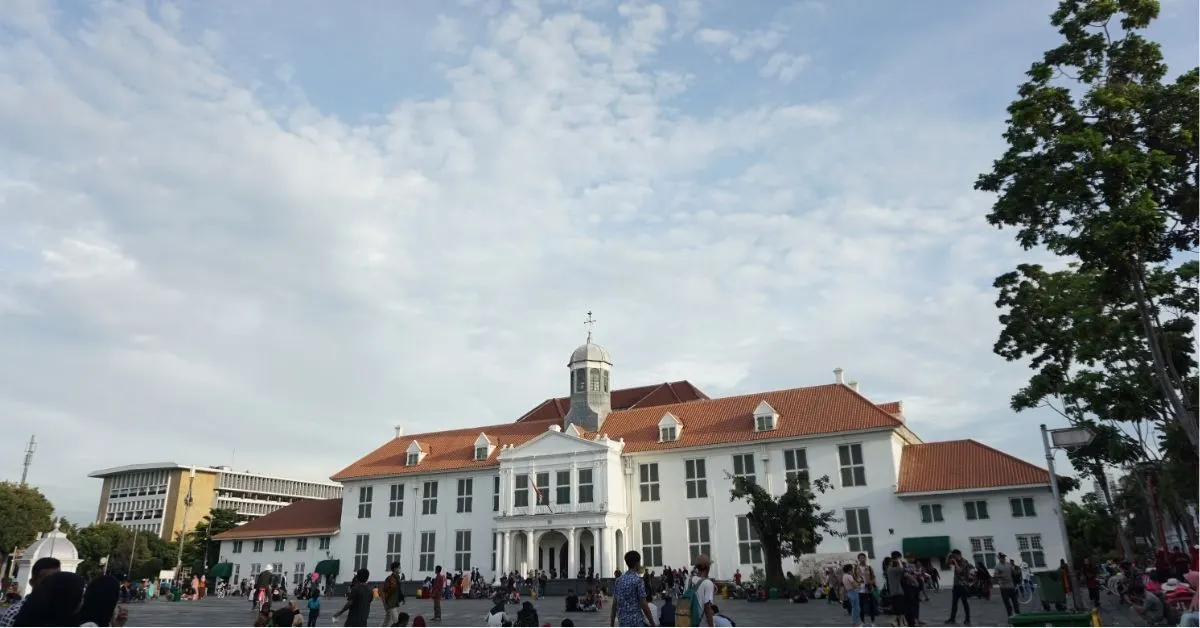
Finding Treasures in Old Town Jakarta: Things To Do In Kota Tua Jakarta
Kota Tua Jakarta ("Jakarta Old Town" or "Old Town Jakarta"), officially known as Kota Tua, is a neighborhood comprising the original downtown area of Jakarta, Indonesia.
Apr 20, 2021
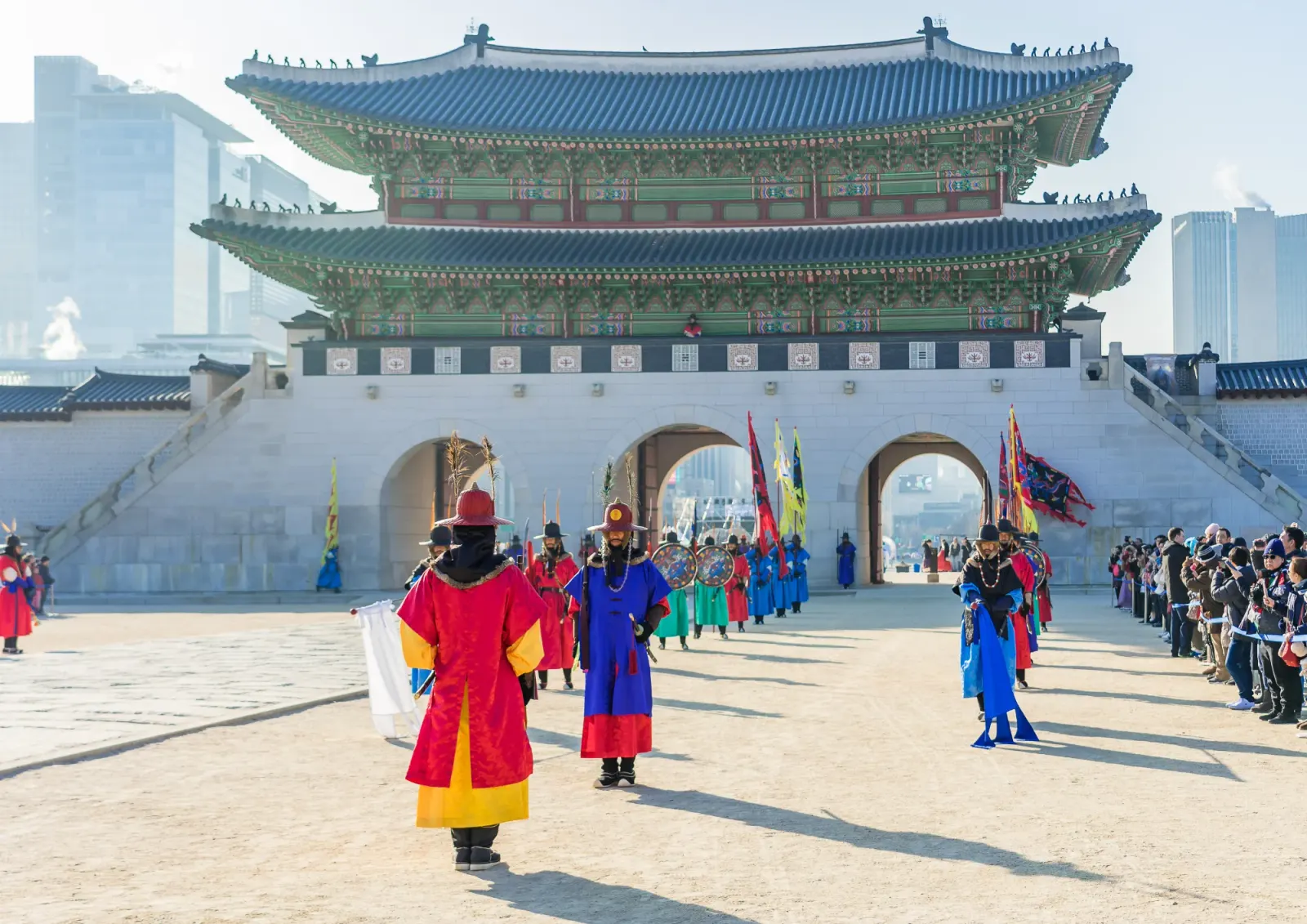
10 Reasons Why You Should Visit South Korea
One of the most exciting destinations to visit after the coronavirus pandemic is South Korea. This is a magical country that has kept its culture, traditions, and values alive throughout the years. Its distinct cuisine, modern entertainment, and signs of ancient civilizations place it among the best
Apr 13, 2021
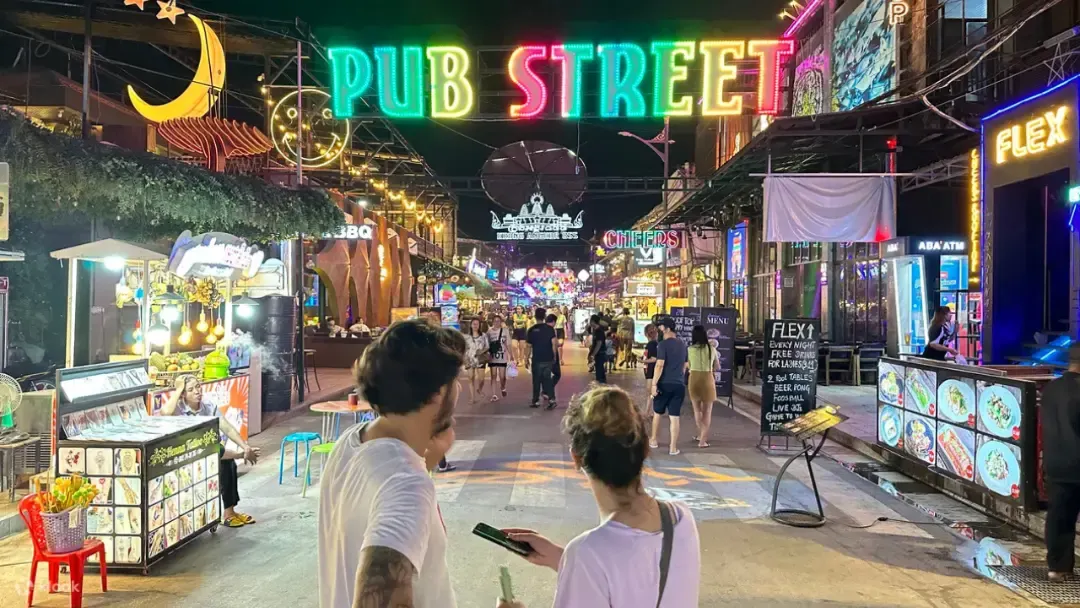
Siem Reap, Cambodia: What to Do Besides the Temples
Cambodia is a country in Southeast Asia best known for its temples and turbulent recent history. Siem Reap is located in the northwestern portion of Cambodia, and is the gateway to the greater Angkor region, the former capital of the Khmer Empire. The temples of Angkor are surely the highlight of Si
Mar 23, 2021