
How to get around with Local Transport:Getting Around Myanmar
Myanmar is an unexpected gem that will give your travel game a serious upgrade, without having to venture outside of Southeast Asia. Not only is it a melting pot of cultures and stunning sights as far as the eye can see, but there are also enough activities here to fill your itinerary to bursting point. No wonder it’s known as The Golden Land!
Before you go: since the 2021 military coup, parts of Myanmar have seen armed conflict, and the March 2025 earthquake centred near Mandalay and Sagaing damaged many temples and historic sites. Check your government’s latest travel advisory, and confirm current access to the places in this article with a local guide before you travel.
Myanmar is an unexpected gem that will give your travel game a serious upgrade, without having to venture outside of Southeast Asia. Not only is it a melting pot of cultures and stunning sights as far as the eye can see, but there are also enough activities here to fill your itinerary to bursting point. No wonder it’s known as The Golden Land!
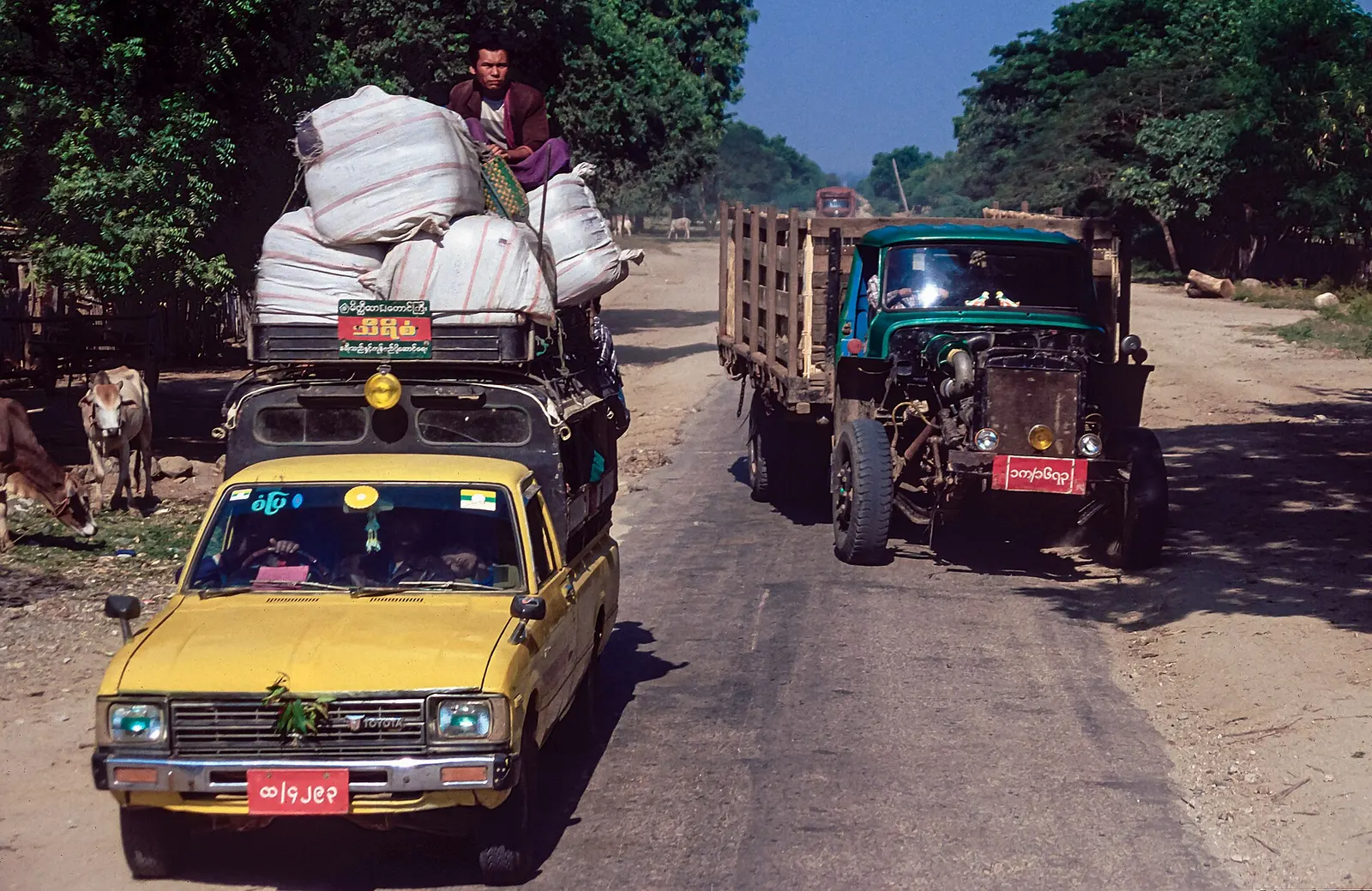
Road transport comes in a variety of different forms in Myanmar, ranging from cheap and cheerful trishaws (cycle rickshaws) for getting around towns and cities to rental cars (usually with driver), for those who can afford to avoid the possible delays and discomfort of long-distance public transport. But most foreign visitors will take taxis. Note that in Myanmar you should always bargain, and negotiate the cost in advance. Now here below is a few tips on how you can get around Myanmar.
Pony carts
You don’t have to be a royal to be carried around in a pony cart, you can get around Myanmar getting a pony cart ride! When most people think of Myanmar, they imagine a hazy, flat plain with hundreds of reddish-brown stupas poking up above the patchy tree cover. The area they are picturing is called Bagan. It lies in Myanmar’s dusty central plains on the banks of the Irrawaddy River and is characterized by not hundreds, but thousands—over 2200, to be exact—temples and stupas. Strolling among Myanmar’s pagodas in a pony cart gives you that extra feel of going back in time. You’ll feel like you’ve time-traveled when you’re relaxing in your pony cart, listening to the clucking of the horseshoes, and appreciating the smell of the countryside. All that as you plod along, enjoying spectacular views like no other.
Price: Carts are hired by the half day or full day; a traditional cart fits 2–3 people (not too comfortable), while larger private carts fit about 4. Agree on the price and route before you set off.
Trishaw ride
Burmese trishaw is the best way to get around the city with cheap price. Once dropping yourself on this vehicle in a Myanmar tour, you will feel the hustle and bustle atmosphere of the city through each rotation of the wheel. Unlike trishaws in Singapore with a passenger seat behind the paddler, Burmese trishaws are designed with a passenger sidecar attached to the trishaw driver’s bicycle. Venture into rural Myanmar in true Burmese fashion, as is one of the rare forms of transport within the villages. Trishaws were already a popular form of transport in colonial times.
Price: Trishaw rides are one of the cheapest ways to get around; the fare depends on distance, so agree on it before you climb in.
Thoun Bein (Myanmese Tuk Tuk)
Everybody knows the famous tuk-tuk in Thailand. However, does anybody know that Myanmar also has tuk-tuk running the streets of towns and cities in Myanmar? Myanmar tuk-tuk is essentially a converted Chinese motorcycle. The back wheel of the motorcycle is removed and a passenger compartment attached to the back end of the motorcycle, with some changes in the structure of the motorcycle.
Just like every form of road-related transport in Myanmar, don’t expect a ride on a Thoun Bein to be smooth. Thoun Beins isn’t as popular here as in Thailand, so finding one available for hire might take a while longer, but once you do, you’ll be transported to the retro times, complete with the whole ‘loose screw, the truck falling apart’ feeling. The great thing about these is that the drivers are sometimes willing to wait up to an hour for you at your destination since you’ll be paying the return fare anyway. Even though tuk-tuk is a dangerous vehicle to ride in, it proves to be a very useful and indispensable vehicle for public transport in small towns of Myanmar.
Price: Cheap for short hops; negotiate the fare (and any waiting time) in advance.
A train ride through the countryside
The experiences that Myanmar’s trains give you is one that you’ve been dreaming of since you first watched Harry Potter enter the Hogwarts Express from Platform 9 ¾. Don’t expect the cleanliness of Singapore’s MRTs, though. If you’re going on a long journey by train, it’s best to book either first class (wooden seats with cushions), upper class (popular with tourists), standard sleeper (lockable compartments with beds), or a special sleeper (self-contained compartments with privacy). Traveling overnight on the train is a more comfortable experience than sleeping overnight on the bus, helped by the rocking back and forth of the cabin and the muffled rattling of the tracks as you nod off to dreamland.
Price: Ordinary seats are very cheap, sleeper cabins cost more, and long-distance buses are usually in between. Fares have changed a lot since the kyat fell sharply after 2021, and some routes have been suspended, so check the current timetable and fare at the station or with a local guide.
Rent a motorbike
Adventure blood flowing through your veins? Riding a motorbike lets you avoid the jams and set your own pace in places where it is allowed.
Most larger towns offer motorbike hire, so just enquire at your hotel or guest house. Keep in mind that motorbikes have long been banned in central Yangon, and in Bagan foreigners have only been allowed to rent e-bikes or regular bicycles. Many regions are restricted for foreigners or need special permits, which have to be arranged through a licensed travel agent, and checkpoints are common. Rules change often, so confirm what is allowed on your route with a local guide before you ride, and always carry a copy of your passport and visa.
Price: Usually charged per day; ask your hotel or guesthouse for the current rate.
Read more: Myanmar Travel Guide:7 Types of Foods for Vegans and Vegetarians
Cover photo: Stefan Fussan, CC BY-SA 3.0, via Wikimedia Commons
Comments
Be the first to leave a comment.
Leave a comment
Related posts
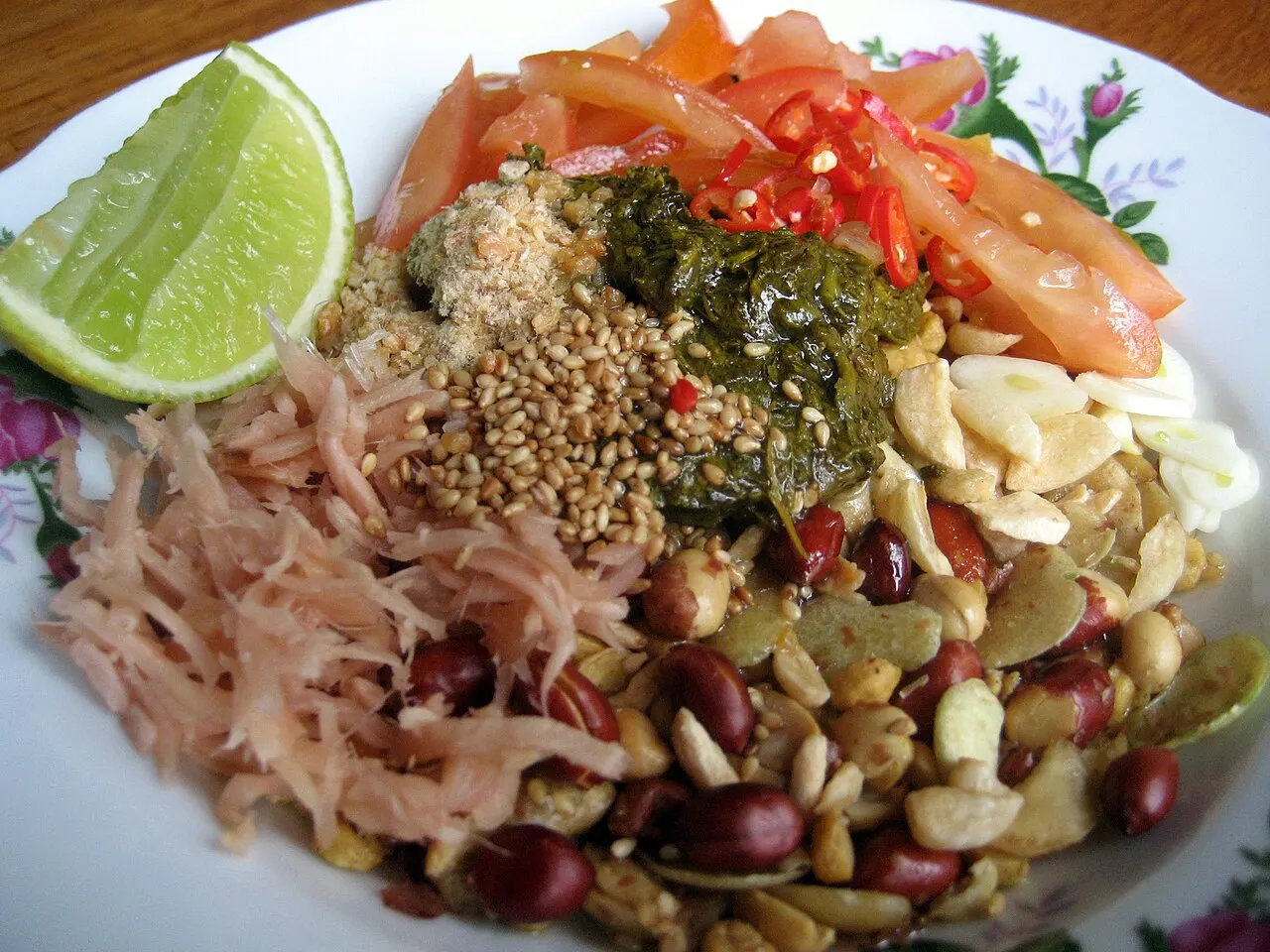
Myanmar Snack Tour: 10 Snacks and Edible Souvenirs to Try
Yangon is a great place to start your crash course in all dishes Burmese. The largest and most ethnically diverse city in Myanmar with a population of nearly 6 million, Yangon brings together the flavours and culinary influences from all over the country. In a not-so-distant past, consumers sat down
Dec 29, 2020
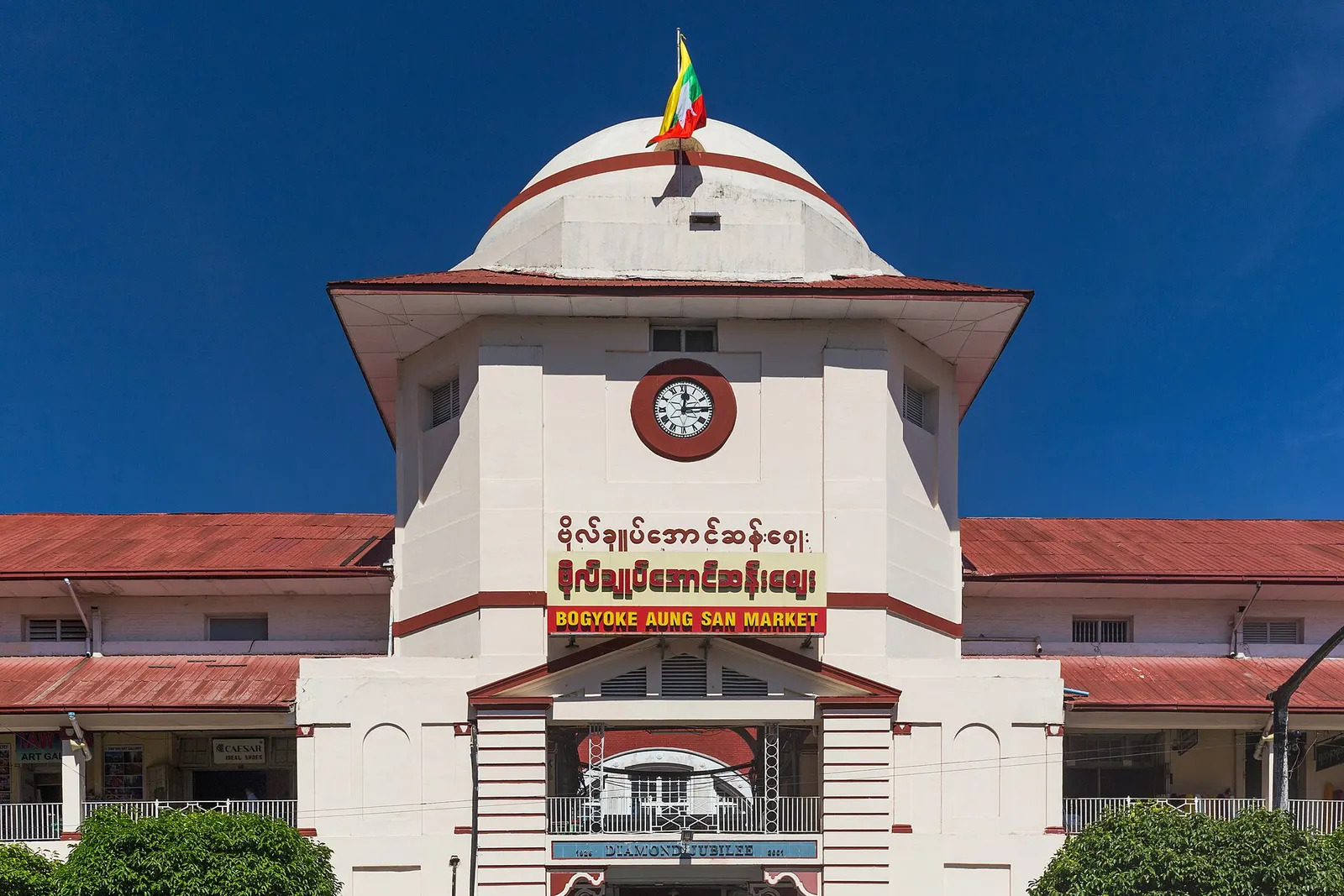
Local Markets in Myanmar and the Art of Haggling
Traveling is a lot about experiencing how people who live in other countries live their life, what they do on a daily basis, what they eat, and where they go. And local markets are where everything local happens, as traditional markets are the windows into the lifestyle of the people.
Dec 20, 2020
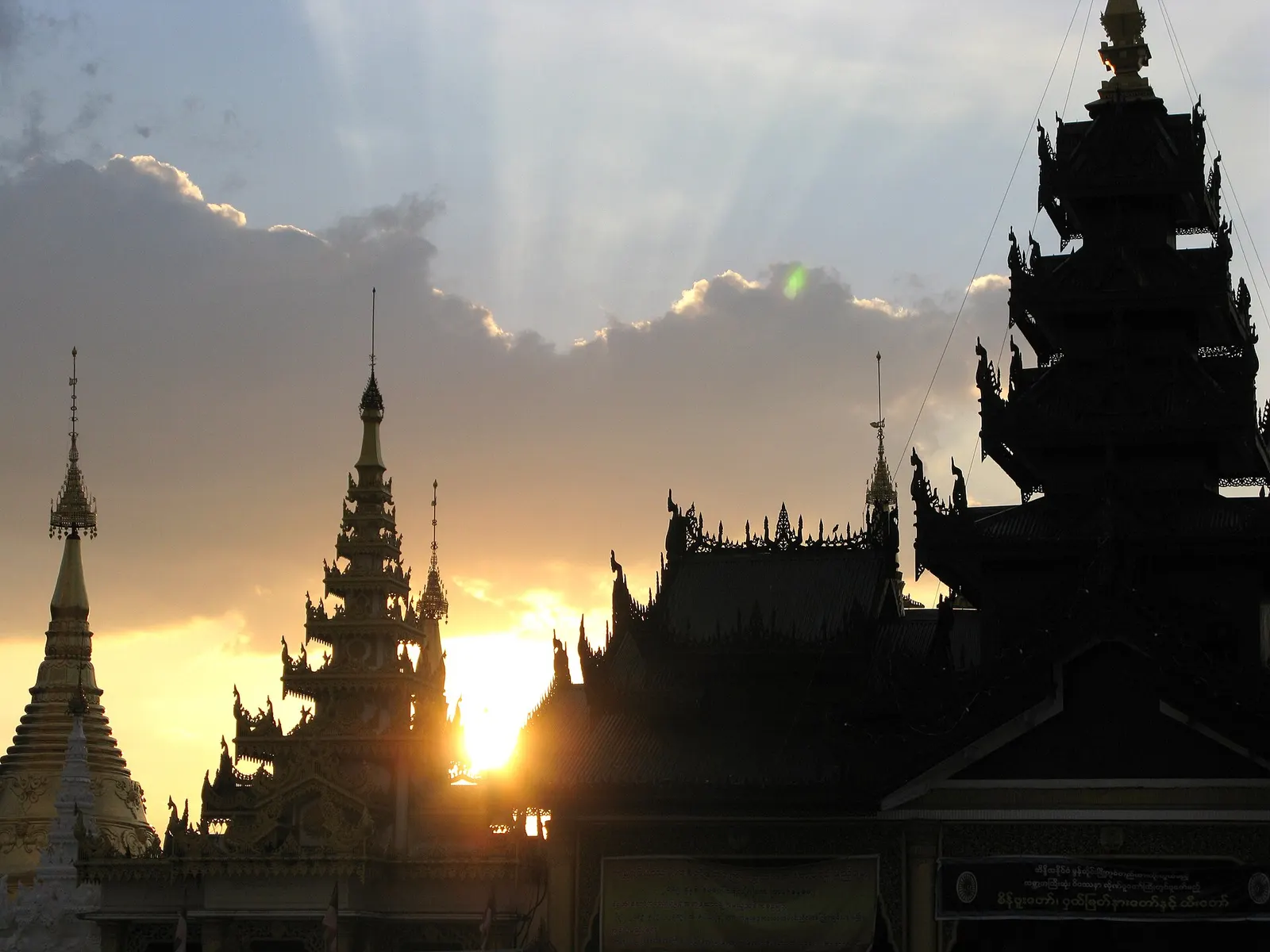
Myanmar must-do list
Myanmar is a spectacular country and, full to the brim of iconic sights, it stole a piece of our hearts the moment we stepped off the plane and landed into the crazy, wonderful and inspirational country. Myanmar boasts an incredible array of things to do: from stepping back in time at Inle Lake to the chaotic royal capital of Yangon to the breathtaking Bagan temple plain,
Dec 17, 2020