
Before You Travel to Malaysia: Dos and Don’ts You Should Know
Before you travel to Malaysia, there are a few things you should know. Like how you point could be offensive or kissing your husband could make the locals uneasy. Traveling to Malaysia is quite easy but the differences in culture and customs can be startling to some. The differences will take some time to get accustomed to. Generally, Malaysians are friendly people. They have great food and great sense of pride in their country.
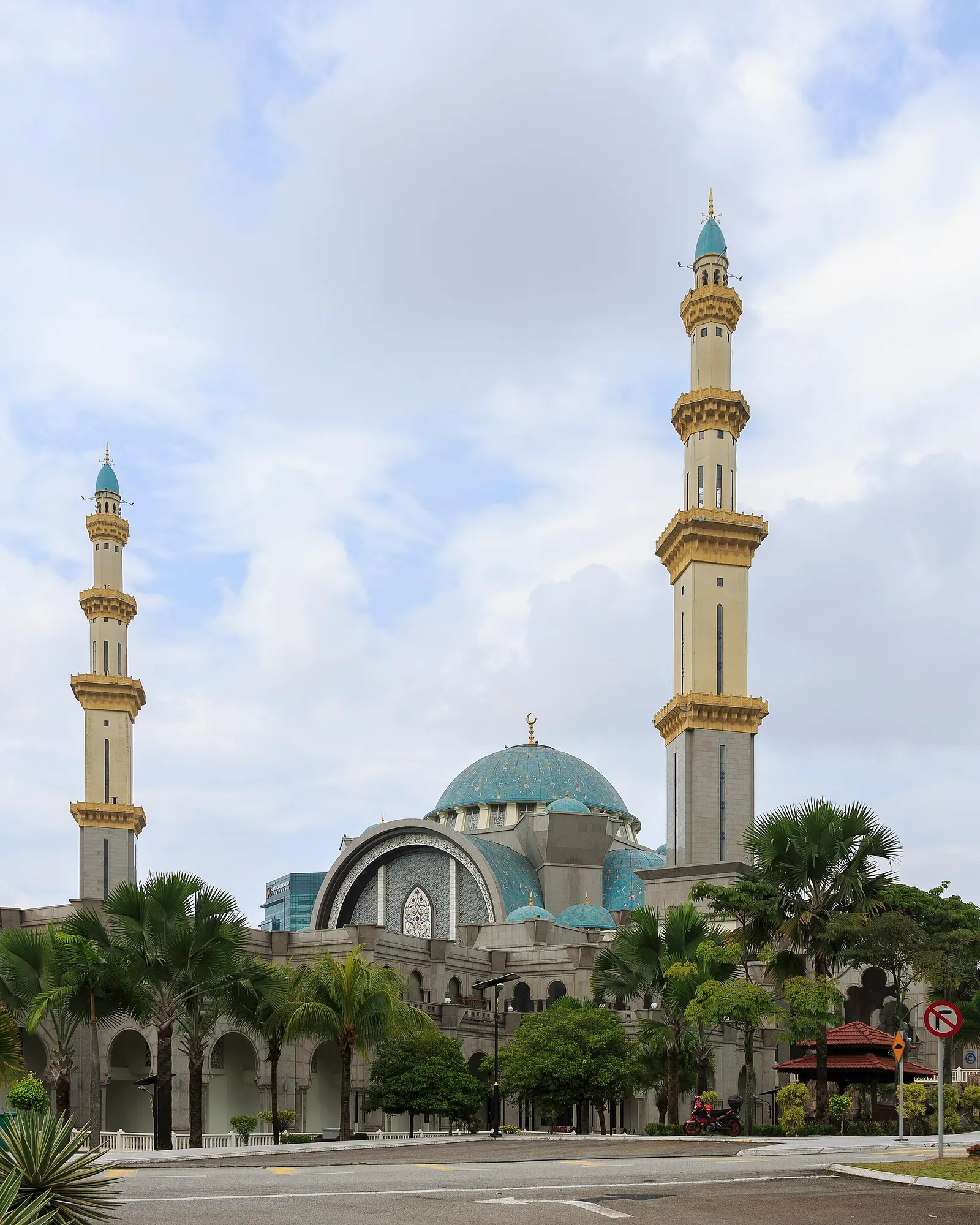
Before you travel to Malaysia, there are a few things you should know. Like how you point could be offensive or kissing your husband could make the locals uneasy. Traveling to Malaysia is quite easy but the differences in culture and customs can be startling to some. The differences will take some time to get accustomed to. Generally, Malaysians are friendly people. They have great food and great sense of pride in their country.
The differences in gestures and cultural context are quite huge. What may seem normal for some cultures may be considered rude by Malaysians, so take it into consideration. Malaysia is a melting pot of different cultures and religions, which has resulted in a plethora of good food 24/7, languages and cultures spilling into each other, and sights that offer all the best of Asia in just one city. The following Malaysia travel tips, taboos, do's, and don'ts will surely make your Malaysia tourism an enjoyable lifetime experience. Here are some of the things you should and shouldn’t do when in Malaysia.
Things to do:
- Do greet people you know. You can shake hands with people or do it the traditional Malay way: Shake hands and hold the outstretched hands lightly. Touch your right hand to the left part of your chest and smile. This means “I greet you from my heart”.Note that when greeting Women in Malaysia, simply just smile and nod politely unless they offer you a handshake. Remember that Islam is the official religion and many Muslims avoid physical contact with people of the opposite sex they do not know.
- Do remember to remove your footwear. Whenever you enter the mosques or temples and Malaysian homes, it is polite to remove your shoes. This shows respect for the people living there. It is customary to remove and leave your shoes outside the house.
- Do dress modestly when visiting mosques and temples: cover your shoulders and knees, remove your hat and shoes, and never point your feet at a person or a Buddha image. Many big mosques lend robes and headscarves to visitors, and some close to non-Muslim visitors during prayer times.
- Do use your right hand to give or receive something, and to eat with your hands. In Malay custom, using your left hand to hand over or receive things is considered discourteous.
- Do learn a few words in Bahasa. Many Malaysians speak English, but learning a few niceties makes you a better traveler. At the very least, learn thank you = terima kasih (pronounced ter-eema kah-say).
Things not to do:
- Don’t expect pork bacon. That bacon you’re eating, it’s not pork. Since the majority of the population is Muslim, they don’t eat pork. Many restaurants in Malaysia are halal, which means there is no pork. It also means the meat that is served has been slaughtered in a specific way and then blessed. It is very similar to kosher meat. Unless you are in a Chinese restaurant, that bacon you are eating is beef or turkey.
- Do not touch the head of an adult. Touching people on the head is considered rude.
- Do not point forefinger at things. Instead the thumb of the right hand with 4 fingers folded under is the preferred way.
- Do not pound your fist into the palm of your other hand, which is considered an obscene gesture by some people.
- Do not point your feet towards people or sacred images.
- Do not go topless, and keep beachwear for the beach. Topless sunbathing is a no-no. Malay women usually go swimming fully dressed and some keep their scarves on. If you are on the beach, a bikini is ok, but cover up when you leave the sand to go anywhere else. Even if it’s just for lunch on the beach, throw on your shorts and tank top.
- Do not kiss in public. Public behavior is important in Malaysian culture. Most Malaysians refrain from displaying affection such as embracing or kissing in public.
- Do not be offended if your offer of a handshake is not reciprocated by a Muslim who is of the opposite sex. In Islam, physical contact between the opposite sex is discouraged.
- Do not discuss ethnic relations or the political system. They are both sensitive subjects.
- Do not expect cheap alcohol, and drink discreetly. Muslims, the majority of the population, do not drink, and alcohol is heavily taxed, so drinks can cost more than your meal. Non-Muslims can drink legally, and Kuala Lumpur, Penang and Malaysian Borneo have plenty of bars, but some states such as Kelantan and Terengganu are much more conservative, so drink only where alcohol is clearly served and don’t drink in public places like mosques or around Muslim gatherings.
- Do not ever get involved with illegal drugs. Penalties are extremely severe: drug trafficking can still be punished by death, or by decades in prison and caning.
- Do not bring Durian up to your hotel room. Hotels strictly prohibit guests from bringing durian inside because of its pungent stench — some say it smells like feet.
- Don’t confuse the terms “Malaysian” and “Malay”. Everyone who is from Malaysia is a Malaysian. But not every Malaysian is a Malay. Malays are the largest ethnic group in the country. They are Muslim and speak Bahasa Melayu as their first language. Chinese and Indian Malaysians, whose families mostly arrived in the 19th and early 20th centuries, are Malaysians too. They refer to themselves as Chinese Malaysian or Indian Malaysian. Most are not Muslim, Malay is usually not their first language, and they are not Malay.
- Don’t tip. Tipping is not part of the culture. And Malaysia isn’t service-driven; they don’t rely on tips to make a living. You won’t get table service at a hawker stall, but you’re not paying for it either at just a few ringgit (RM) a plate. You’ll get better service at a fancy restaurant, but even still, no tipping is necessary.
Cover photo: CEphoto, Uwe Aranas, CC BY-SA 3.0, via Wikimedia Commons
Comments
Be the first to leave a comment.
Leave a comment
Related posts
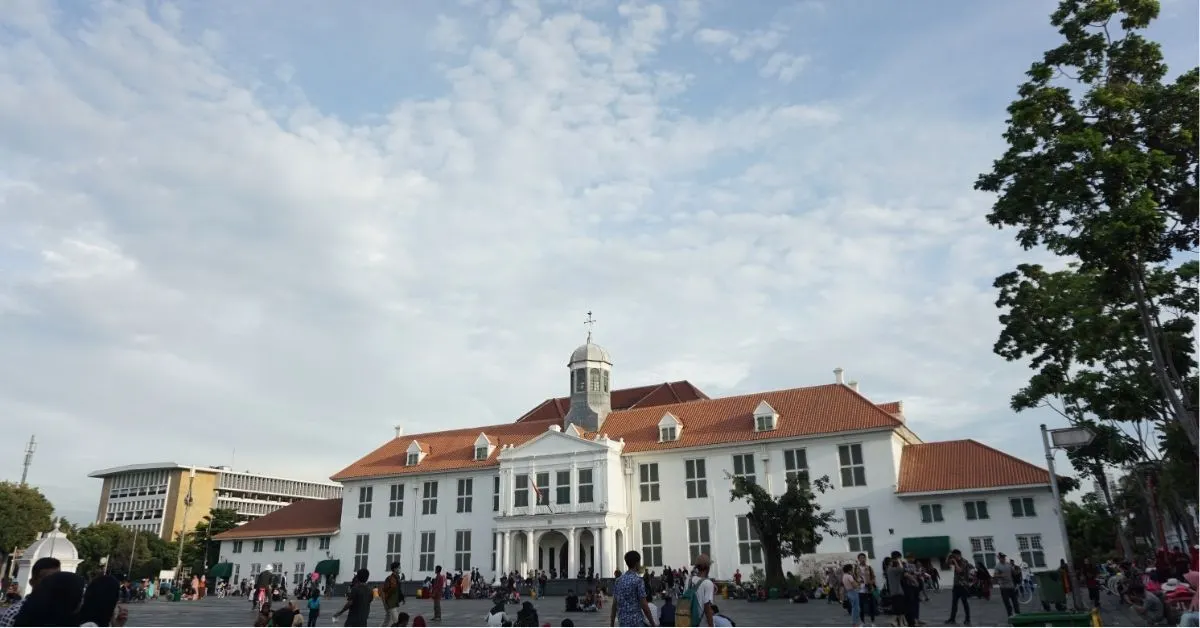
Finding Treasures in Old Town Jakarta: Things To Do In Kota Tua Jakarta
Kota Tua Jakarta ("Jakarta Old Town" or "Old Town Jakarta"), officially known as Kota Tua, is a neighborhood comprising the original downtown area of Jakarta, Indonesia.
Apr 20, 2021
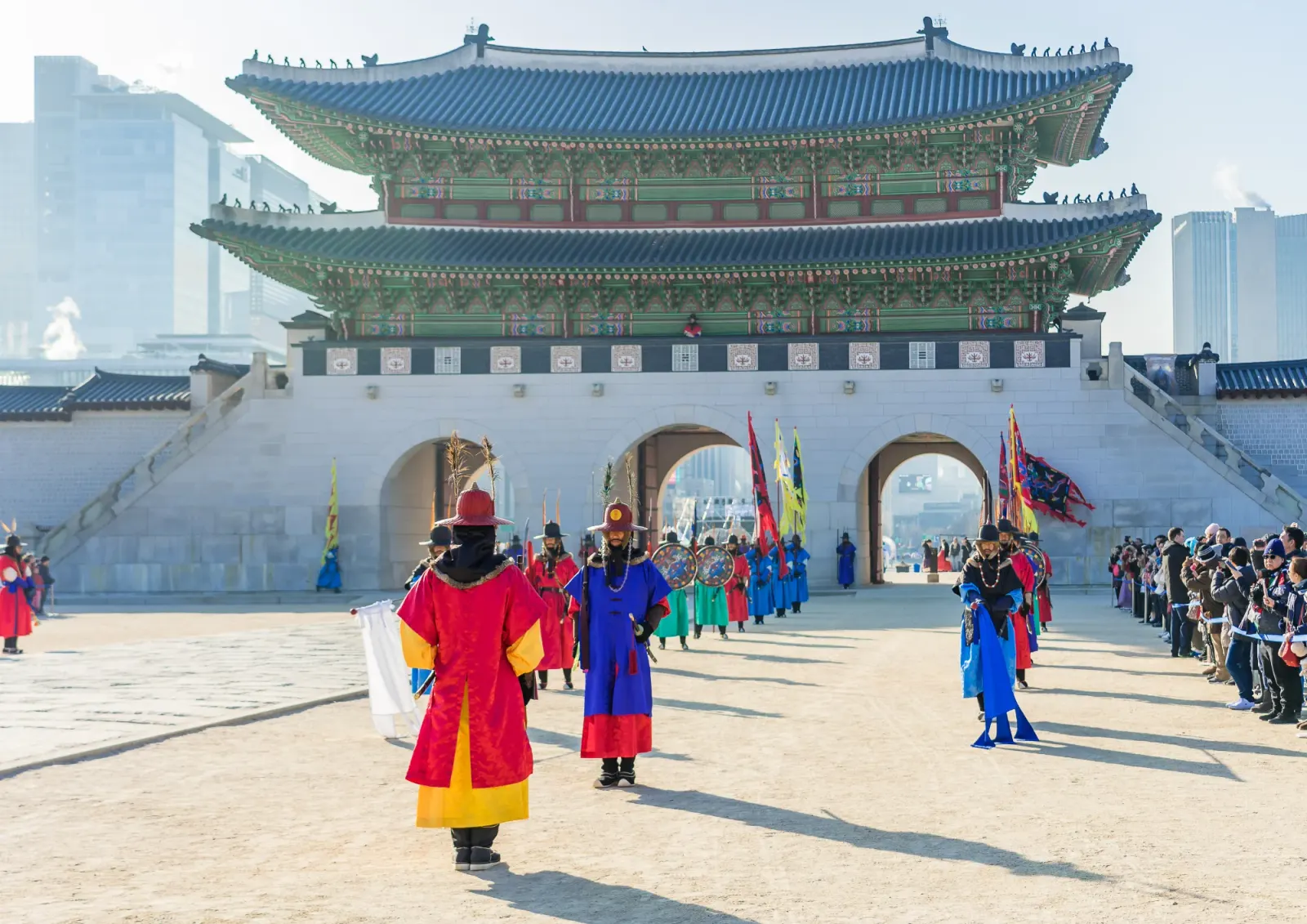
10 Reasons Why You Should Visit South Korea
One of the most exciting destinations to visit after the coronavirus pandemic is South Korea. This is a magical country that has kept its culture, traditions, and values alive throughout the years. Its distinct cuisine, modern entertainment, and signs of ancient civilizations place it among the best
Apr 13, 2021
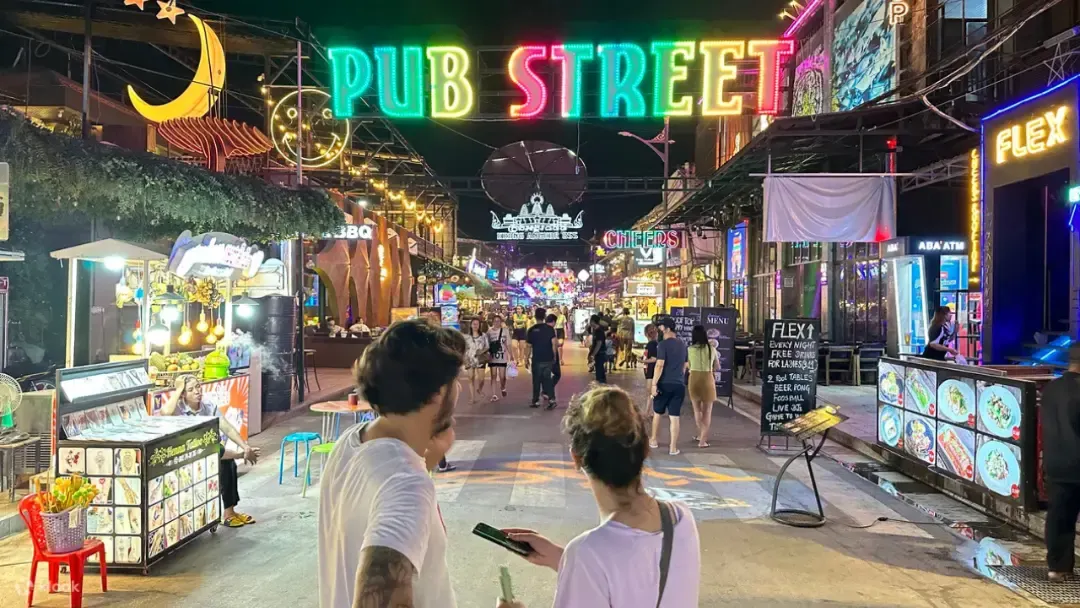
Siem Reap, Cambodia: What to Do Besides the Temples
Cambodia is a country in Southeast Asia best known for its temples and turbulent recent history. Siem Reap is located in the northwestern portion of Cambodia, and is the gateway to the greater Angkor region, the former capital of the Khmer Empire. The temples of Angkor are surely the highlight of Si
Mar 23, 2021